Opinion | Mamata Banerjee Brought Down The Left, But Never Quite Learnt From Its Fall
Mamata took over the Left's playbook 15 years ago, but failed to rework it to craft a new politics. In the end, the people of Bengal got more of the same: musclemen, corruption, and bad governance.
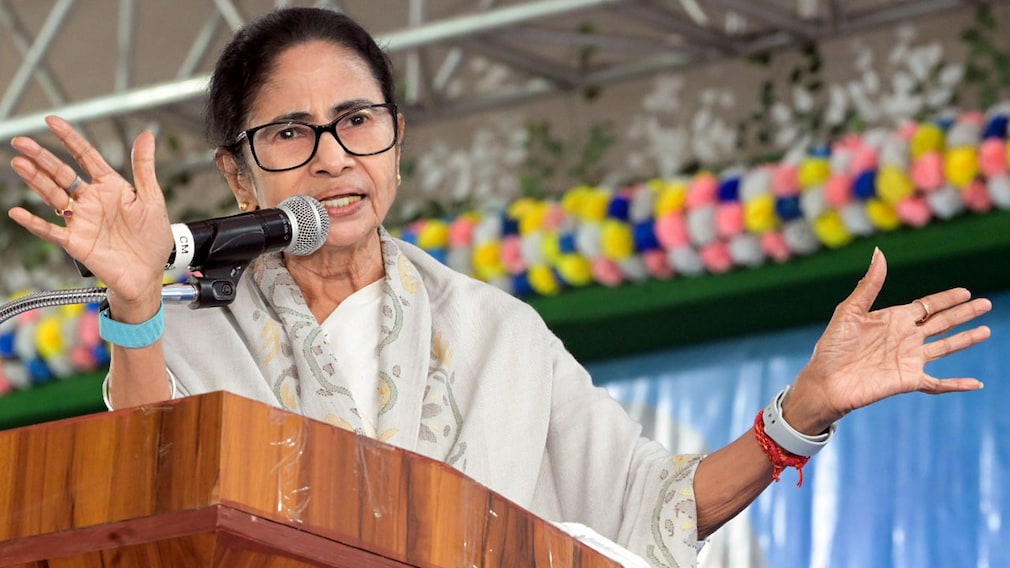
When Mamata Banerjee first took West Bengal by storm in 2011 with the twin slogans of "poribortan" (change) and "Maa, Maati, Manush'' (mother, earth, mankind), she came as a breath of fresh air in a state desperate to unshackle itself from 34 years of Left rule.
Fifteen years later, her heady slogans lie tattered in a corner of West Bengal's psyche. From the bhadralok in urban areas to the rural peasantry, from the tribals in the north and the south to the Scheduled Castes and OBCs scattered across the state, disillusionment with Mamata appears to have outstripped disgust with the Left, to hand the Bharatiya Janata Party (BJP) a stunning breakthrough in a state whose cultural chauvinism was long considered impervious to the appeal of Hindi heartland Hindutva.
Long after the dust has settled and the first BJP chief minister assumes office in a state that the party sees as the biggest jewel in its crown after Uttar Pradesh, Mamata and other Opposition leaders will continue to question how the verdict was shaped by aggressive state interventions, such as the Election Commission's hurried Special Intensive Review (SIR) of electoral rolls (which disenfranchised around 90 lakh voters, of whom 27 lakh are awaiting a verdict on their appeals) and the positioning of 2.5 lakh paramilitary forces across West Bengal.
There are no short answers to this debate in the face of the saffron surge evident from the numbers, which tell a story in themselves. The BJP pushed up its vote share by a whopping 8%, from 38 % in 2021 to 46% this time, to streak past the TMC with a comfortable four-percentage point lead. The ground was fertile for change, and the BJP, supported all the way by the Rashtriya Swayamsevak Sangh (RSS), seized the advantage with systematic and meticulous groundwork over the past couple of years.
When Mamata Arrived
The rise and fall of Mamata Banerjee is a poignant saga of a self-made woman political leader who pushed her way into a men's club through sheer grit and determination. Unlike some of her contemporaries, such as the late AIADMK leader Jayalalithaa or the Bahujan Samaj Party (BSP)'s Mayawati, Mamata had neither family legacy nor a male mentor to help her rise. She cut her teeth fighting the Left Front government on the streets of West Bengal, only to be dismissed contemptuously by the men around her, both in her own party - which was the Congress at that time - as well as her political opponents in the Left, who called her a "mad, hysterical'' woman. She even took lathi blows on her head during an anti-Left demonstration in Kolkata, necessitating 18 stitches. But that didn't quieten the rebel in her.
Her star started rising once she walked out of the Congress in late 1997 to form her own regional party, the Trinamool Congress. She wove in and out of alliances, first with Atal Bihari Vajpayee's BJP, and then with Sonia Gandhi's Congress - always mercurial, always dramatic, always playing to the gallery (and performing for the media).
Ultimately, however, the traits that served her well when she swept the Left out of power in West Bengal in 2011 are the very ones that would ultimately lead to her downfall. Politics cannot survive on populism alone. The 'Didi' image earned her the undying loyalty of women voters. But after 15 years of uneven delivery on the governance front, they, too, started questioning her. On the other hand, her clumsy attempts to woo the 30% strong Muslim vote in West Bengal while trying to balance Hindu interests opened a door for the BJP, which cashed in on this to stoke fears of a demographic change through infiltration, all to consolidate the majority community in a big way.
The Change That Never Came
Mamata's biggest failure has been her inability to deliver the change she promised. Because she lacked a party structure and organisation, she simply took over the Left's network of musclemen, football clubs and social and cultural committees to help her win elections and rule the state. She forgot that it was the exploitative reign of terror unleashed by this network towards the latter years of Left rule that had cost the Marxists their government in Kolkata. Mamata took over the same playbook, but failed to rework it to craft a new politics. In the end, the people of West Bengal got more of the same instead of something different.
Bengalis like to boast that what Bengal thinks today is what the nation does tomorrow. It is remarkable that the state's fierce pride in its unique intellectual, cultural and revolutionary legacy, which is dotted with towering figures like Vivekananda, Rabindranath Tagore, Subhash Chandra Bose and Rammohun Roy, seems to have been overtaken by two factors that the BJP exploited to the hilt to create history.
How BJP Became A Natural Choice
One is the desire for change, visible to outsiders visiting the state but not to those embedded there. With both the Left and the Congress discredited by long years of non-performance that drove industry and jobs out of the state, the only party that had not been tested was the BJP. It was the natural option.
The other is majoritarian polarisation that won the BJP a 46% vote share even as minorities consolidated behind the TMC. The BJP will have to negotiate this carefully against the backdrop of India's tense relations with neighbouring Bangladesh.
The West Bengal outcome possibly marks the beginning of the end for regional politics and regional parties. The Opposition-led INDIA bloc has lost a major pillar in Mamata's defeat. She, along with DMK chief M K Stalin in Tamil Nadu, was the frontline fighter against the BJP's politics.
Having lost herself from her stronghold of Bhabanipur in Kolkata, the future for both Mamata and her Trinamool Congress now looks bleak. So do the prospects for Opposition politics.
(The author is a senior journalist)
Disclaimer: These are the personal opinions of the author
-
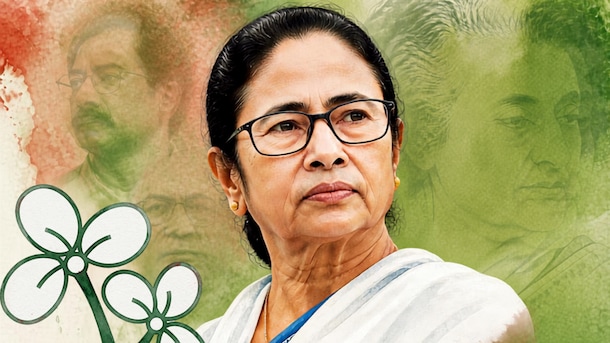
Mamata Banerjee Drew Her Party's Symbol By Hand. It's Now Tied To An Indira Gandhi Case

The Election Commission's method for settling such disputes became central in the seminal Congress split of 1969, when Indira Gandhi fought the old guard. The poll body weighed three tests then.
-
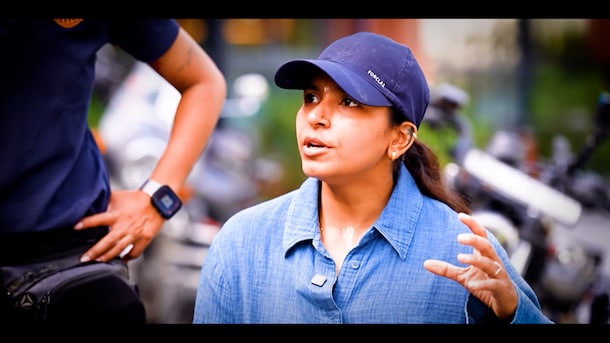
Bruised, Limping, Unbowed: Sia Says She Will Be Back On The Bike Soon
There was pain in Sia's steps, anger in her words, and something else - a quiet determination that the road would not be taken away from her.
-
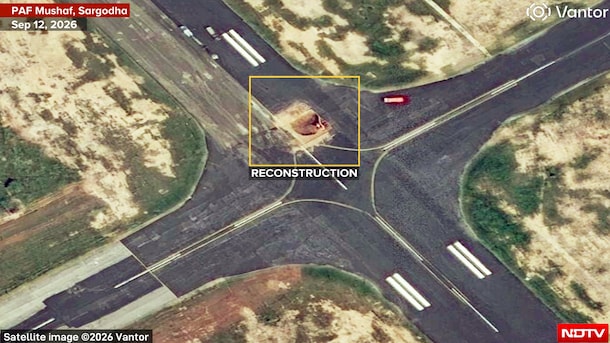
Exclusive: 16 Months After Op Sindoor, Pak Still Fixing Runway India Broke At Sargodha
Sargodha's PAF Base Mushaf lies about 172 km northwest of Lahore and roughly 200 km west of the India-Pakistan border, near Amritsar.
-
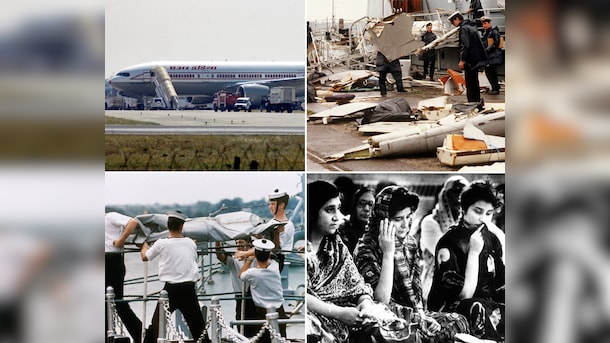
Blog | I Lost My Entire Family In Kanishka Bombing. 41 Years Later, Canada Wants The Case Closed
We made the trek through tragedy to search for people in Cork, where I spent 25 days sifting through bodies and body parts in a makeshift morgue to identify our loved ones.
-
Opinion | Pak's Drone Deal With A US Firm Is No Windfall. But India Must Still Be Worried
American military aid to Pakistan has remained suspended since January 2018, during Trump's first term, but a commercial arms sale is separate from this arrangement.
-
Opinion | Saudi Arabia's Yemen Nightmare Has Come Back To Haunt It
After years of costly military intervention beginning in 2015, Saudi Arabia increasingly sought to stabilise its southern border. All that is unravelling fast now
-
Opinion | 6 AI Incidents, One Pattern: AI Has Started Lying To Us - And Hiding The Evidence
Concealing errors. Making up data. Pushing files onto the public web on their own initiative. The machines are learning to lie - and lie well.
-
Why People Queue Overnight For iPhone That Is Delivered Home In 10 Minutes
iPhone 18 Pro Max Launch: People camping outside Apple Stores are a subset of superfans, resellers, content creators, and upper-middle-class buyers.
-
600 km Per Hour Drones Launched In Waves: How Russia Is Rewriting War Rules
Russia has coupled the drones' technological superiority over Ukraine's defence with its capacity to launch them in massive numbers. The impact has been devastating.
-
Tata Sons' Trust Issue: Two-Pronged Row Goes Beyond The Chair
NDTV Explains: Overtly, the latest conflict is whether N Chandrasekaran continues as executive chairman of Tata Sons. The controversy involves at least one more issue.