Opinion | Why World's Most Powerful Man Has Failed To Stop Netanyahu From Razing Lebanon
It remains unclear whether Netanyahu is defying the American president or acting with his blessing to pressure Tehran as he pounds Lebanon
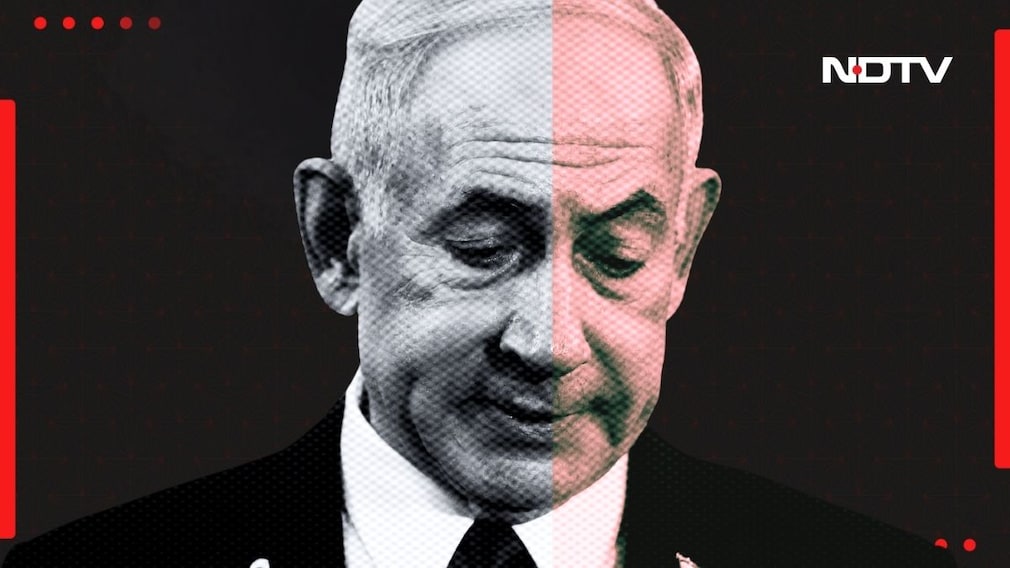
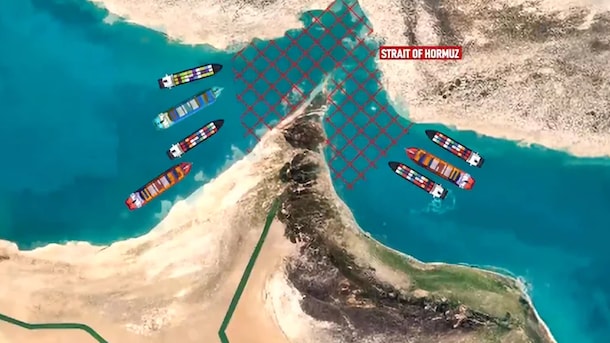
The failure of the Iran-US talks in Islamabad has sparked fears of a resumption of war after Trump's announcement that the US will blockade the Strait of Hormuz. But for Israel's Prime Minister, Benjamin Netanyahu, such an outcome appears to be an answer to his prayers - and even to his efforts. The talks, following Trump's unilateral announcement of a two-week ceasefire last week, were not part of the script Netanyahu thought he had drafted with the American president. That decision left the Israeli leader isolated and even angry. He wanted to continue the war until his objectives were achieved.
Netanyahu reluctantly halted airstrikes on Iran after the ceasefire announcement, but within hours, he dramatically escalated attacks on Iran's proxy, Hezbollah, in Lebanon. In just 10 minutes, Israeli jets bombed 100 targets across the country, killing more than 300 people, many of them civilians. He insisted that Lebanon was not part of the two-week truce, despite Iran and Pakistan saying it was - although US officials backed Netanyahu's claim.
Nevertheless, Israel's action jeopardised the ceasefire's future.
Israel continued its attacks in Lebanon even when the Iranian and US teams were meeting in Pakistan, despite Trump asking Netanyahu to scale back the military operation. It remains unclear whether Netanyahu was defying the American president or acting with his blessing to pressure Tehran. Either way, the result hardened Iran's position. Tehran kept the Strait of Hormuz closed to oil tankers, in violation of the ceasefire terms.
Netanyahu's Dilemma
Trump's decision to hold ceasefire talks with Iran caught Netanyahu off guard. He was, clearly, unhappy and unprepared. Iran's resilience during the 40-day conflict and its use of the Strait of Hormuz as a chokepoint for shipping in the Gulf forced Trump to seek a ceasefire with Tehran, as the war was proving too costly for him, both politically and economically. Saturday's 21-hour talks in Pakistan, which even included a face-to-face meeting between Iran and the US for the first time in almost half a century, must have alarmed Netanyahu. He feared that Trump might concede too much to Iran to secure a deal at a meeting where Israel was not even invited.
Israel doesn't care about the Strait of Hormuz. It is more concerned about a bolder, angrier and more radical Islamic regime still in possession of over 400 kilograms of 60% enriched uranium, which Israeli officials have said is enough to make 11 nuclear bombs. Iran is also believed to have more than 1,000 missiles capable of reaching Israel, along with a large number of missile launchers. Iran has lost about 5,000 of its fighters during the current war, according to the Israeli military. That is a small fraction of its regular army and IRGC fighters. So, Netanyahu was relieved that the US ended the Pakistan talks without a deal, mainly because of disagreement over Iran's nuclear programme.
In a televised address on Saturday, Netanyahu told Israelis that the war in Iran was not over. He has not concealed his wish to continue the conflict until the Islamic regime is toppled. At the very least, he wants the military action to continue for a while longer to further degrade Iran's military and economic capabilities. His decision to escalate in Lebanon was clearly an attempt to make it harder for Tehran to maintain the ceasefire - which he was even successful at, with the Iranians repeatedly saying that they were unable to trust the US.
Why Lebanon?
Following pressure from Trump, Netanyahu announced on Thursday that his government will hold talks with Lebanon's government. The talks, long demanded by Lebanon, are set to take place in Washington on Tuesday. However, they are unlikely to resolve the issue of Hezbollah, which remains a major threat to Israel despite multiple military campaigns against it. The Iran-backed group has long functioned as a shadow army inside Lebanon, defying the government in Beirut. Successive Lebanese governments have been unable to disarm it despite Israeli demands.
The group emerged after Israel's invasion of Lebanon in 1982 and its two-decade occupation of the southern region. It's been popular with Lebanon's Shia population for its armed resistance against Israel. Hezbollah also joined Hamas in the Gaza war following the 2023 attack on Israel and launched hundreds of missiles at the Jewish state. In response, Israel invaded Lebanon, killing Hezbollah's top leader Hassan Nasrallah, hundreds of its fighters and thousands of civilians. It also destroyed most of its vast arsenal of missiles and drones, along with a large part of Lebanon's civilian infrastructure and homes.
But Hezbollah quickly rebuilt part of its military arsenal and recruited new fighters. When Israel and the US attacked Iran six weeks ago, Hezbollah launched a barrage of missiles at Israel, opening a new front in the war. Israel was prepared and responded with airstrikes, bombing Hezbollah targets. Over the past six weeks, the war has taken more than 2,000 lives in Lebanon and left one million people - roughly a fifth of its population - homeless. Hezbollah has also killed 11 Israelis during this period, nearly as many as were killed by missiles launched from Iran.
Iran's Influence
Israel's actions have also targeted Hezbollah supporters in Lebanon, who are Shia Muslims, like those in Iran. Last month, the Israeli military launched a ground operation in southern Lebanon with a warning from the Defence Minister, Israel Katz, that he would not allow the return of people to the country's south until the safety of Israelis is guaranteed. Other Israeli politicians have hinted that they want to extend the operation, which could lead to another occupation of southern Lebanon.
Iran doesn't hide its support for Hezbollah. Members of Iran's Revolutionary Guards Corps (IRGC) have been fighting alongside the militant group. Lebanon's Shia political parties support this relationship, and the government is helpless. Two weeks ago, Lebanon withdrew the diplomatic status of Iranian ambassador Mohammad Reza Shibani. However, he remains in Lebanon.
Shibani's departure has been blocked by the country's Shia parties, underscoring the weakness of the Lebanese government. His defiance prompted Israel's Foreign Minister Gideon Sa'ar to say on X, "Lebanon is a virtual country that is effectively occupied by Iran."
Forever Wars
The conflict in Lebanon has fuelled fears in Israel of a permanent war along its northern border. This conflict, along with the broader one with Iran, has not helped Netanyahu politically as he had hoped. The latest opinion polls in Israel suggest his Likud party would lose votes if elections were held now. One reason for Netanyahu's push to persuade Trump to join the war was reportedly to boost his political support ahead of the October elections.
The ceasefire with Iran has seen the return of anti-government demonstrations in Israel, something Netanyahu would like to avoid. Nearly 2,000 people attended a rally in Tel Aviv on Saturday, twice the number the Supreme Court had allowed amid fears of incoming missiles. There were also anti-government rallies in Haifa and Jerusalem over the weekend.
Netanyahu has been accused by his opponents of engaging in armed conflicts to gain popularity among the public, which has genuine security concerns. In recent years, existential threats to Israel from Iranian leaders and rocket attacks from its proxies, such as Hamas and Hezbollah, have strengthened those concerns. Yet, Netanyahu's strong military response has failed to make Israelis more secure. He is still seen as the leader who failed to prevent Hamas from murdering 1,200 Israelis on October 7, 2023.
Israeli opposition leader Yair Lapid has accused Netanyahu of failing to achieve any of the war aims he himself defined. Writing in Haaretz, an Israeli commentator, Aluf Benn, compared him last week to Winston Churchill: "...not the hero of World War II, but as the failed first lord of the Admiralty from World War I, who led to the military disaster at Gallipoli."
Dwindling US Support
An important concern for Israelis must be the falling support for them in the United States. A new survey by the Pew Research Center has found that 60% of US adults now have an unfavourable opinion of Israel, while just 37% express a favourable view. Among Democrats and their supporters, 80% of people have an unfavourable opinion of Israel. More concerning for Israel is the fact that these figures are even worse among the young.
Many will attribute this to Netanyahu's policies in Gaza and the West Bank. More than 72,000 Palestinians have been killed since the war in Gaza began with the Hamas-led attack on Israel in October 2023. The brutal military campaign has led to the International Criminal Court issuing an arrest warrant for Netanyahu on charges of war crimes. His failure to prevent violence in the West Bank and his approval of more Israeli settlements have also contributed to Israel's dwindling support in the United States and elsewhere.
Without US support, it is hard for Israelis to fight any war. Netanyahu knows that. US involvement in the war against Iran has been unpopular from the start, and support has declined further in recent weeks. Trump's latest threat to impose a blockade on the Strait of Hormuz may be a pressure tactic to force Iran to make concessions, rather than a signal of escalation. Trump doesn't seem inclined to resume military strikes on Iran at the end of the two-week ceasefire, though that can't be ruled out.
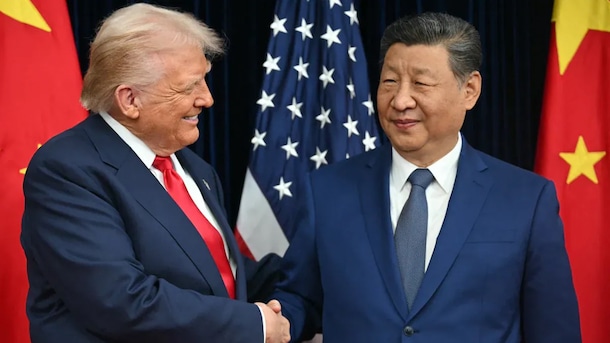
Tehran has also indicated that a single day of meetings to resolve a long-standing conflict is insufficient to reach a deal. The ceasefire may be extended to allow more time for negotiations, and Netanyahu will face pressure to pause military operations in Lebanon. Trump may also prefer to focus on his trip to Beijing next month to meet President Xi rather than on Iran.
Thus, Netanyahu's relief after failed talks in Pakistan may be temporary.
(Naresh Kaushik is a former editor at the BBC News and Associated Press and is based in London)
Disclaimer: These are the personal opinions of the author
-
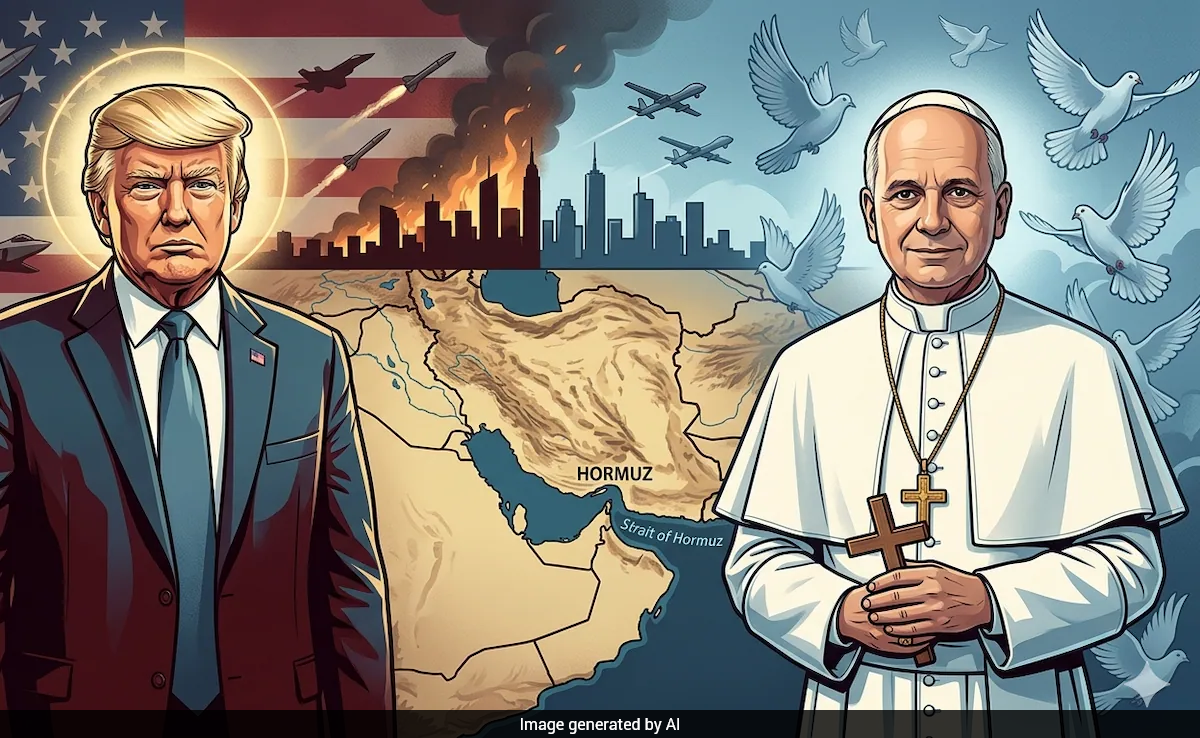
Trump Casts God As 'Co-Commander' In Iran War, Pope Says 'No'

The president framed the Iran war as 'divinely sanctioned' but the pope insisted 'God does not bless any conflict', setting up a clash between presidential power and papal moral authority.
-
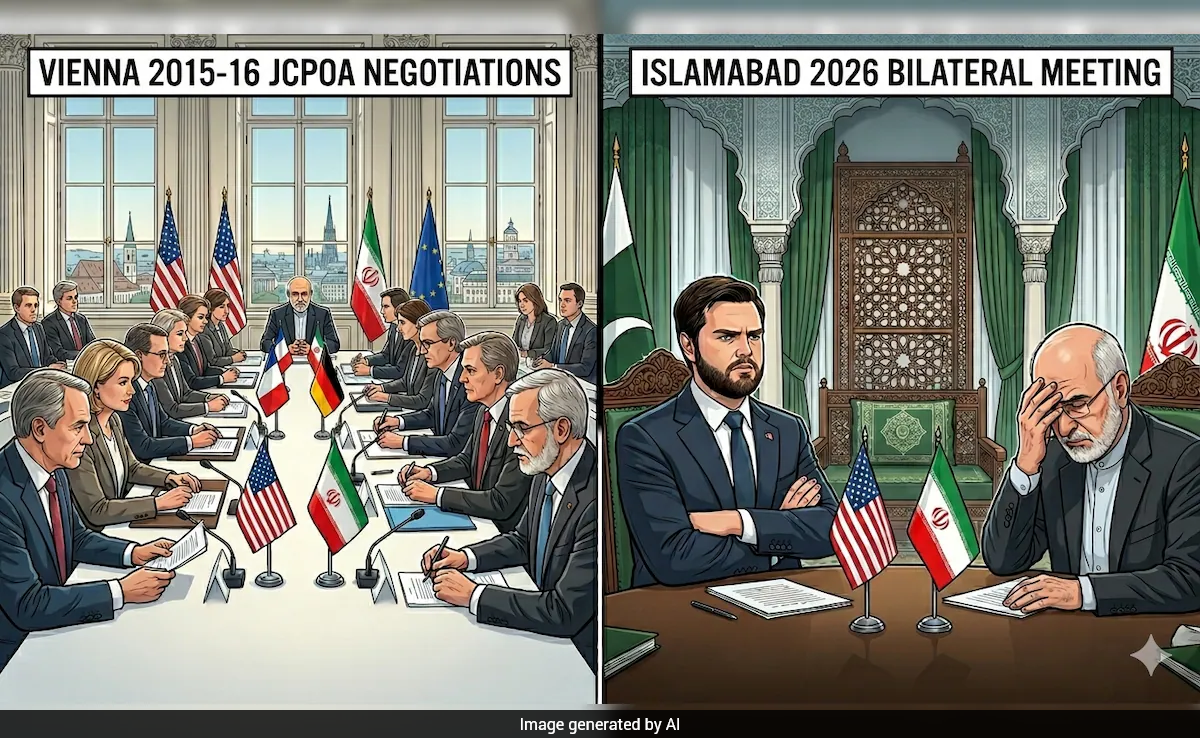
Pak Peace Talks Flop, Iran Jabs Trump, US With Ghost Of Obama Nuke Deal
The collapse of US-Iran peace talks in Pakistan exposed deep contradictions in Washington's approach to Tehran's nuclear programme, particularly in the context of Donald Trump scrapping the 2015 JCPOA.
-
Trump's "Final Offer" Pitch: Seen In Ukraine, China, North Korea...Now Iran
On Sunday, after 21 hours of talks in Islamabad produced no agreement with Iran, US Vice-President JD Vance invoked the phrase on Donald Trump's behalf.
-
Blog | Asha Bhosle Is Gone, But Her 'Bad Girl' Anthems Live On
It is extraordinary how Bhosle's voice has been part of the cultural landscape of changing India, signifying freedom, independence, and risk-taking. Forever brilliant, forever bubbly, forever young, she will be missed.
-
Opinion | Three Things May Happen At The End Of The 14-Day Ceasefire (Or Earlier)
Trump may exit the war but continue to support Israel. Three recent events point in this direction.
-
Opinion | Over 1 Lakh US Troops Are Stationed In Europe. What Happens If They Leave?
The question now troubling many Europeans is, if Iran can strike American bases in the Gulf, could Russia do the same, or inflict even greater damage, on American bases in Europe?
-
Opinion | What Happens To Oil Prices If Iran Really Starts Charging A Hormuz 'Toll'?
Iran has not agreed to reopen the Strait, but to allow passage via coordination with its Armed Forces. What would that really mean?
-
Opinion | The Real Reason China Stayed 'Quiet' About Its US-Iran Ceasefire Role
Beijing may have opted for a very quiet entry into the mediation, with Pakistan apparently fronting the whole exercise.