Opinion | PM Modi Lands In UAE Amidst A Saudi 'Complication'
The UAE is getting disenchanted with Pakistan. And its rivalry with Saudi Arabia has only brought these fissures to India's doorstep.
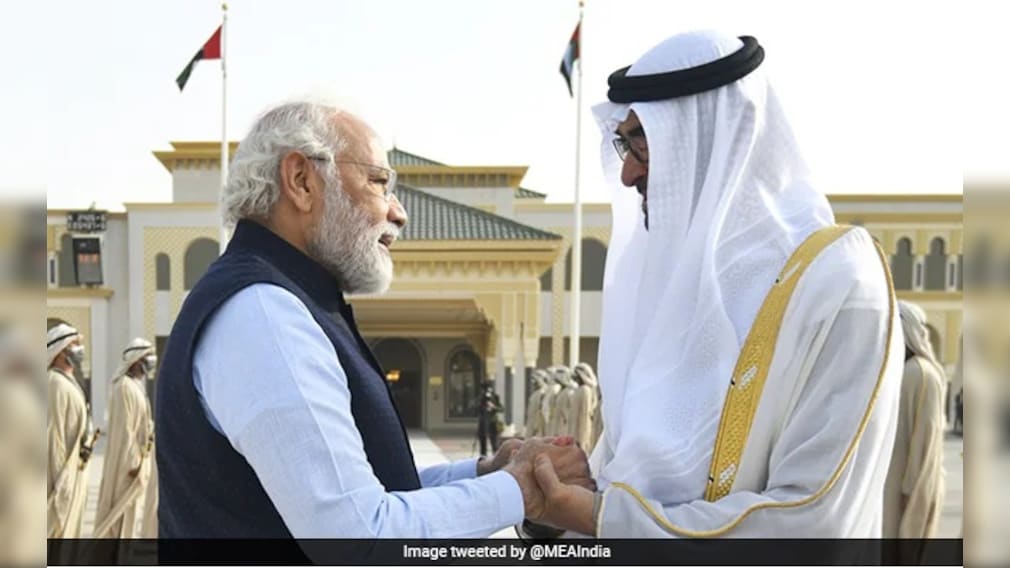
Prime Minister Narendra Modi is set to visit the UAE today. The visit is expected to last for only a few hours, but would get a high-level reception as he is expected to meet the UAE president and Abu Dhabi ruler Sheikh Mohamed bin Zayed Al Nahyan to discuss energy, regional security and the war on Iran.
The announcement of the Prime Minister's visit had come a few weeks ago and, almost ironically, aligned with another piece of news linked to the UAE - the latter asking Pakistan to repay its loan of $3.2 billion. While the contrast could not be starker, what stood out most was the abrupt manner in which the UAE demanded such loan repayment and at such short notice. The UAE, together with the Saudis, had been bankrolling Pakistan's cash-strapped economy for years. Other Gulf states like Qatar have also pitched in from time to time. Yet, rarely had any of them been so stern about such repayment. The story became even more curious when the Saudis stepped in with the money to help Pakistan. If this wasn't enough, all this happened on the eve of the UAE's decision to quit OPEC and OPEC+, and after Iranian Foreign Minister Abbas Aragchi visited Moscow and held talks with his Russian counterpart as well as with Russian President Vladimir Putin. Soon after, reports appeared of Pakistani workers in the UAE abruptly being laid off from work and being sent back home.
All of this, taken together, lays bare old faultlines - in South Asia between India and Pakistan, and in the Middle East between Saudi Arabia and the UAE. And both these fissures now seem to be intersecting, pointing to how Gulf politics is now increasingly getting intertwined with that of the Indian subcontinent.
The Growing UAE-Saudi Rivalry
On one hand, we have a growing rivalry between Saudi Arabia and the UAE. By now, it is widely understood that the UAE's decision to leave OPEC was not an economic one only, no matter how sound economic sense it made from the UAE's perspective. It was equally a geopolitical one, which began with Yemen and now extends to the war on Iran.
In Yemen, both Saudi Arabia and the UAE had once been partners as they intervened to prop up the government of President Abdur Hadi Mansour against the Iran-backed Houthis. They were forced to intervene because Pakistan, which otherwise openly executed such military operations for its Gulf patrons, refused this one owing to intense domestic opposition. However, over the years, both the Gulf powers came to back different factions in Yemen. While the Saudis backed the Yemen government, the UAE, whose forces were active in the south of the country, began supporting the Southern Transitional Council (STC). Once the UAE felt that the southern regions, including the port of Hodeidah, were secure, it signalled its withdrawal from the war.
The Saudis, however, wanted the war to go on as they wanted to secure all of Yemen from the Houthis. Soon, they began bombing the STC, too, which has now disbanded and merged with government factions supported by Saudi Arabia.
The rivalry between the two Gulf states then extended to Sudan, with the Saudis supporting the Sudanese central government and the UAE backing the paramilitary Rapid Security Forces fighting the government, and then to Somalia, where the UAE recognised the breakaway region of Somaliland that the Saudis oppose. The latest theatre where this rivalry is now playing out is Iran.
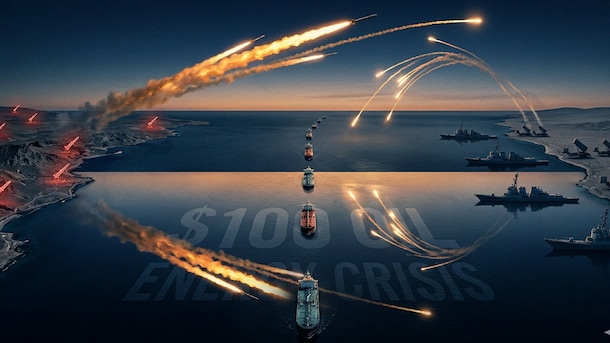
While the Gulf states had all initially expressed their opposition to the Iran war - and surprise at not being informed about it in advance by America, their closest military ally - reports began emerging of how it was the Saudis who had urged the US to launch the war. Soon enough, though, as Iran's retaliation began choking the Gulf economies, including that of Saudi Arabia, the Kingdom began pressing for negotiations and an end to military operations.
Who Wanted What From Iran War
This, however, went against the UAE's goals. It is by now well known that of all the Gulf states, it is the UAE that bore the brunt of Iran's retaliatory attacks, and, consequently, saw its reputation as a luxury tourist destination and financial and trade hub erode. Part of the reason has been the UAE's close alignment with Israel. Reports have also revealed how early into the war, Israel had moved a battery of its Iron Dome anti-missile shield, together with interceptors and personnel to intercept and repel attacks from Iran. The worst hit victim, therefore, now wants the US and Israel to finish the war.
The UAE's alignment with Israel under the Abraham Accords has been another point of contention between the now Gulf rivals. To be fair, it was a process the Saudis were also engaging in, holding back-channel and track-two dialogue with the Israelis, some of which had taken place even in India. But the Gaza war and Israel's excessive use of force put an end to that. Saudi Arabia, after all, is the custodian of two of Islam's holiest sites and has to contend with popular Arab and Muslim opinion, the majority of which has been anti-Israel.
There was also the economic angle. Its preparations for a post-oil economy started later than those of the UAE. Its Vision 2030 thus became a rival of sorts to the UAE, as the kingdom, too, began modernising and reforming to become a tourist attraction as well as a financial and trade hub, competing for trade, investments and tourism.
UAE's Growing Disenchantment With Pak
Meanwhile, the UAE's long disenchantment with Pakistan began not just with its Yemen debacle but also the latter's support for terrorism. Five UAE diplomats were killed in a Pakistan-sponsored terror attack in Afghanistan in 2017, and the UAE to this day holds Pakistan responsible for the return of the Taliban in Afghanistan. While the two nations attempted to reboot relations over the years, with investments and loans again pouring in from Abu Dhabi, the 2025 Saudi-Pakistan Strategic Mutual Defence Agreement, at a time when the Saudi-UAE rift was widening, put the brakes on that.
Now, Pakistan's attempts at mediating a ceasefire in the Iran war, precisely when the UAE wanted to continue it, is a red line that Islamabad has already crossed. Not only did Islamabad remain neutral when Saudi Arabia expressed readiness to commit its forces to a coalition to force open the Strait of Hormuz, but it also moved combat aircraft to Saudi Arabian preparations for any military action. Moreover, after US President Donald Trump ordered a blockade in order to economically choke Iran, Pakistan ended up opening alternative overland trade routes for it. The only way the UAE could have retaliated was by asking for its money back. And once again, its Gulf rival came to Pakistan's aid.
From Pakistan's view, the going has been good. Except for its still-precarious economic condition and dire energy shortages, it has so far managed to tick all the right boxes. It has repaid the UAE its loan, leveraged its military to curry favour with the Saudis and has attempted mediation, no matter how feeble, between Iran and the US, keeping both in good books, while also helping Iran to somewhat bypass the blockade. Asim Munir remains President Trump's favourite Field Marshall.
A Tightrope Walk For India
For India, this landscape will be a tough one to navigate. The Prime Minister's stopover in the UAE testifies to the close ties the two countries share, which span almost all sectors. Trade has grown exponentially, especially after the two nations signed the Comprehensive Economic Partnership Agreement (CEPA). Indian exports to the UAE in 2025-26 totalled USD 37 billion, its second-largest export market and a crucial one given the US tariffs imposed on it. Around 4 million Indians live and work there, a source of hefty foreign remittances. Equally, however, India, which is home to the world's second-largest Muslim community, has high stakes in Saudi Arabia. Some 2.7 million Indians live and work there, and bilateral trade as of now amounts to USD 41 billion, with exports worth USD 11 billion. Saudi Arabia is India's third-largest crude supplier, while its investments total USD 10 billion.
India had already been uneasy with the mutual defence pact between Saudi Arabia and Pakistan. That unease may now just have multiplied. Time to formulate a deft balancing act.
(The author is a senior journalist)
Disclaimer: These are the personal opinions of the author
-
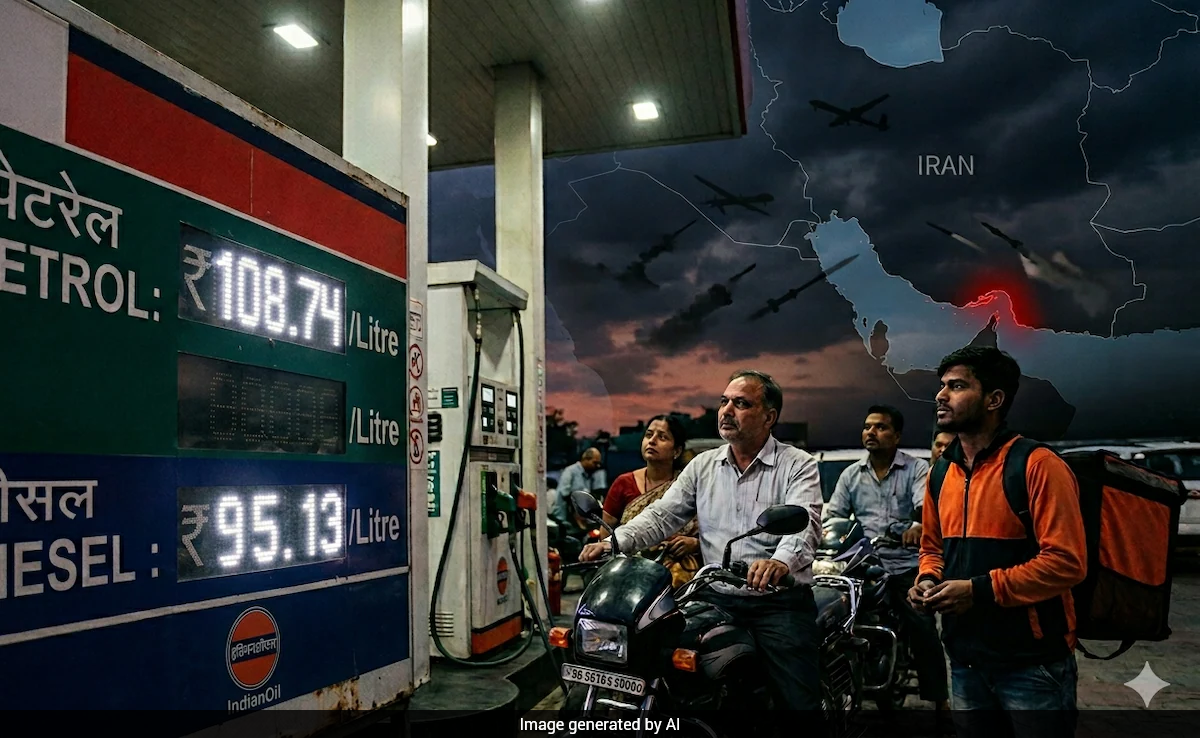
Oil Companies Losing Rs 1,600 Crore Daily. Will Rs 3 Petrol Hike Be Enough?

OMCs' production costs have "gone through the roof in the past month", Petroleum Minister Hardeep Singh Puri said last month after the governemnt cut central excise taxes to ease burdens.
-
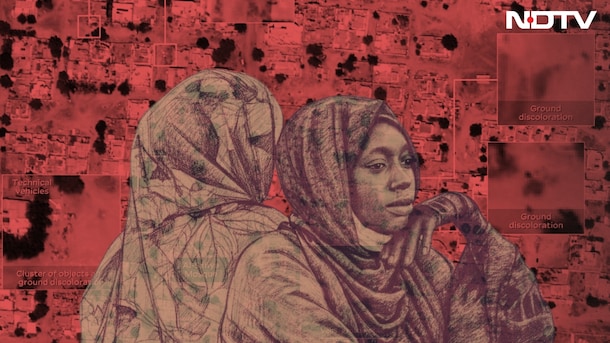
NDTV Exclusive: A Catastrophe Captured By Satellites, Ignored By The World
In Darfur, the violence that once mobilised international outrage in the early years of the civil war, has returned in a form many here insist never truly disappeared.
-
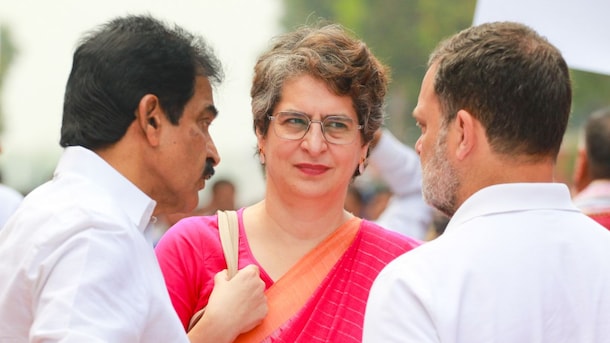
Opinion | One Person In Gandhi Family Is Smiling Over Satheesan's Kerala Win - Despite Rahul
Rahul Gandhi was seen as leaning towards Venugopal. Priyanka Gandhi favoured Satheesan, while Sonia Gandhi was more sympathetic to Chennithala. In that triangular power play, Priyanka's reading prevailed.
-
Opinion | Congress's Old Problem Is Back: Over-Confidence Without Numbers
Rahul Gandhi's recent assertion at a rally in Gurugram, that the Congress alone can defeat the BJP, is puzzling. When has arrogance ever worked for the party?
-
VD Satheesan: The Man Who Saved Congress - And Yet Almost Got Ignored For It
Satheesan's biggest achievement is not simply winning an election. It was rebuilding trust inside a broken organisation through the idea of "Team UDF".
-
Iran's Missiles Still Flying, So Is Hormuz Threat. US May Be Running Out
Reports the Iranian military is far from the spent force the Trump administration wants everyone to believe it is have been followed by news that attacks may resume.
-
Opinion | The Man Who Split AIADMK: Edappadi Palaniswami And His Politics Of Self-Sabotage
The fact that 25 AIADMK MLAs voted for Vijay and only 22 voted against the TVK government shows that Palaniswami no longer has the control of the legislature party. The writing is on the wall.
-
Opinion | The Great Gulf Divorce: The UAE Has Broken From The Arab Order - But For What, Really?
For half a century, the UAE survived by balancing Arabia, America and Iran. Now, it seems to have chosen a side.
-
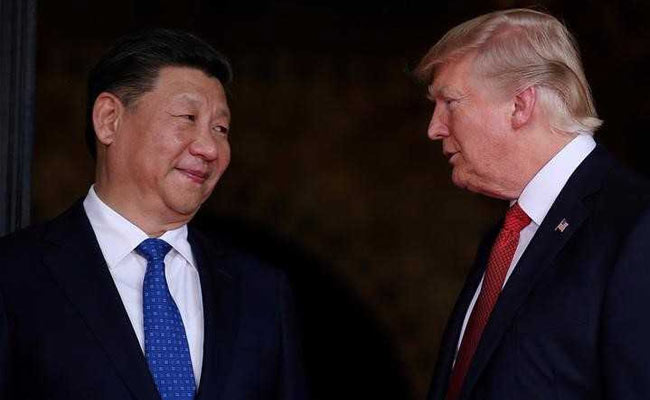
Opinion | The Beijing Visit: Why Does Trump Suddenly Need Xi Jinping?
There is a real possibility that in the mid-term elections in November, Trump may lose the House of Representatives and may become a lame-duck president. How far should it invest in an agreement with him is the question.