Opinion | This Parliament Session, Watch What Is 'Expunged'
Is mentioning Donald Trump or Epstein unparliamentary? Are the surnames of India's two richest families unparliamentary proper nouns?
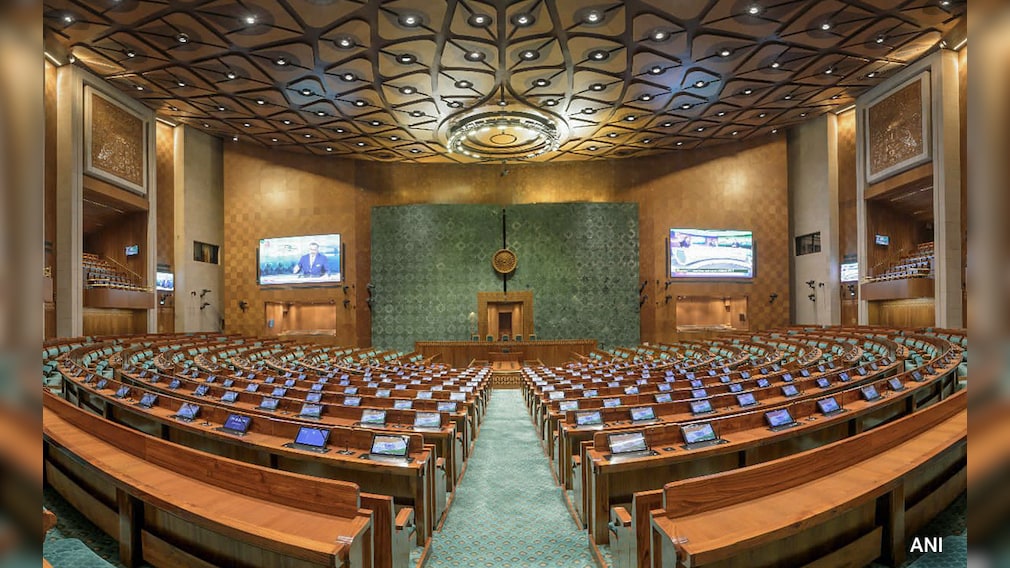
Parliament begins today. So let me begin by asking you: what do the early 17th Century Latin words for 'out' and 'to prick' have to do with Parliament?
Ten points if you said 'expunge'. The word is derived from Latin expungere, meaning 'to underline something with points or dots, to show that it should be deleted', from ex- 'out' and pungere 'to prick'. With the second half of the Budget Session starting today, keep an eye out for words or phrases that are expunged. And ask why.
The Rules
When a Member of Parliament (MP) gives a speech in Lok Sabha or Rajya Sabha, the Speaker or the Chairman has the power to expunge or remove parts of the speech. The book Rajya Sabha At Work says: "If the Chairman is of opinion that a word or words has or have been used in debate which is or are defamatory or indecent or unparliamentary or undignified, he may in his discretion, order that such word or words be expunged from the proceedings of the House...".
Redressal Mechanism
Here is how it goes. After an MP gives a speech in Parliament, the 'uncorrected' record of their speech is sent to them, usually within 48 hours. The portions expunged are marked by an asterisk. The MP can write to the Chair, requesting the remarks be restored, and specifying why they should not be considered unparliamentary. 99% of the time, or more, the comments remain expunged. An exception occurred in August 1993. Yashwant Sinha, speaking during Zero Hour, made certain remarks about then Finance Minister, Dr. Manmohan Singh. Dr Najma Heptulla, who was presiding as the Deputy Chair, said that the remarks were irrelevant. However, the next day, Yashwant Sinha found that his comments were expunged from the 'uncorrected' records. He wrote a letter to the Chairman which was referred to the Deputy Chairman. The Deputy Chairman reconsidered and restored the expunged remarks.
Why Muzzle Opposition
Expunction of words/phrases/sentences made in speeches on the floor of Parliament is meant to be an exercise in impartiality. Why use it to muzzle members of the Opposition? The Chair has the power to even expunge speeches given by Ministers. On 29 July, 1998 LK Advani, the then Home Minister, spoke about the Maharashtra Government in relation to a case which was sub judice. When some MPs objected to this and raised the matter to the Deputy Chairman, who was presiding, he expunged the remarks. Would really appreciate it if any sharp researcher on Parliamentary proceedings finds us ten (or even three) such examples from the last decade!
How Social Media Changed the Game
The proceedings of Parliament are broadcast live on Sansad TV. Thereafter, speeches of individual MPs, after they are sanitised, are shared on Sansad TV's YouTube channel. These clips, on average, get under one thousand views. There is a delay of four to five hours between the actual speech and when it is posted on YouTube. The brighter side: some dedicated digital news platforms and handles on social media who upload speeches in Lok Sabha and Rajya Sabha, minutes after they are delivered on the floor of Parliament, garner tens of thousands of views.
Unparliamentary or Unfair
In the last decade or so, there has been a worrying trend where any word, phrase, or even entire paragraphs, critical of the ruling dispensation, is deemed unparliamentary and is expunged.
Much as I would love to, one cannot risk sharing specific examples, because as per the book Practice and Procedure of Parliament by Kaul & Shakdher, "It is a breach of privilege and contempt of the House to publish expunged proceedings of the House. In this regard, the Supreme Court has held: the effect in law of the order of the Speaker to expunge a portion of the speech of a member may be as if that portion had not been spoken".
So, let me not directly quote any of the proceedings which were expunged. Instead, let me raise some questions. Is mentioning Donald Trump or Epstein unparliamentary? Are the surnames of India's two richest families unparliamentary proper nouns? Why is it unparliamentary for an MP to call out a Chief Minister who openly asks citizens to practise economic apartheid of a community? What about naming the gym owner who stood up against communal hatred? Unparliamentary? Or the iconic brand of detergent, founded by the great entrepreneur from Gujarat, Dr Karsanbhai Patel, and immortalised in a catchy jingle? Sigh. This too was found unparliamentary. Washed away, expunged, from the records of a speech delivered by a member of the Opposition in Parliament.
(Research credit: Ayashman Dey)
Disclaimer: These are the personal opinions of the author
-
Mamata Banerjee Drew Her Party's Symbol By Hand. It's Now Tied To An Indira Gandhi Case

The Election Commission's method for settling such disputes became central in the seminal Congress split of 1969, when Indira Gandhi fought the old guard. The poll body weighed three tests then.
-
Bruised, Limping, Unbowed: Sia Says She Will Be Back On The Bike Soon
There was pain in Sia's steps, anger in her words, and something else - a quiet determination that the road would not be taken away from her.
-
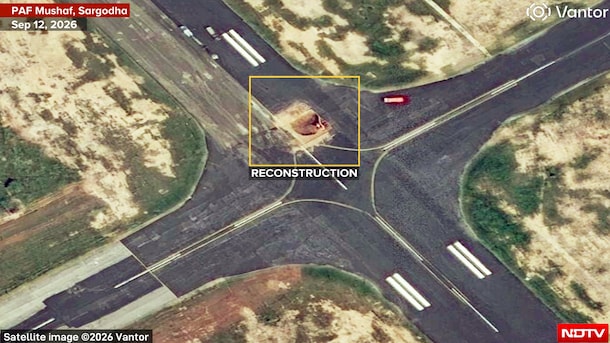
Exclusive: 16 Months After Op Sindoor, Pak Still Fixing Runway India Broke At Sargodha
Sargodha's PAF Base Mushaf lies about 172 km northwest of Lahore and roughly 200 km west of the India-Pakistan border, near Amritsar.
-
Blog | I Lost My Entire Family In Kanishka Bombing. 41 Years Later, Canada Wants The Case Closed
We made the trek through tragedy to search for people in Cork, where I spent 25 days sifting through bodies and body parts in a makeshift morgue to identify our loved ones.
-
Opinion | Pak's Drone Deal With A US Firm Is No Windfall. But India Must Still Be Worried
American military aid to Pakistan has remained suspended since January 2018, during Trump's first term, but a commercial arms sale is separate from this arrangement.
-
Opinion | Saudi Arabia's Yemen Nightmare Has Come Back To Haunt It
After years of costly military intervention beginning in 2015, Saudi Arabia increasingly sought to stabilise its southern border. All that is unravelling fast now
-
Opinion | 6 AI Incidents, One Pattern: AI Has Started Lying To Us - And Hiding The Evidence
Concealing errors. Making up data. Pushing files onto the public web on their own initiative. The machines are learning to lie - and lie well.
-
Why People Queue Overnight For iPhone That Is Delivered Home In 10 Minutes
iPhone 18 Pro Max Launch: People camping outside Apple Stores are a subset of superfans, resellers, content creators, and upper-middle-class buyers.
-
600 km Per Hour Drones Launched In Waves: How Russia Is Rewriting War Rules
Russia has coupled the drones' technological superiority over Ukraine's defence with its capacity to launch them in massive numbers. The impact has been devastating.
-
Tata Sons' Trust Issue: Two-Pronged Row Goes Beyond The Chair
NDTV Explains: Overtly, the latest conflict is whether N Chandrasekaran continues as executive chairman of Tata Sons. The controversy involves at least one more issue.