Opinion | The 'SHANTI' Bill Is A Radioactive Gamble With India's Future
The Bill shields foreign suppliers from being sued. It blocks citizens from the courts. It looks like a law written by the nuclear lobby, for the nuclear lobby.
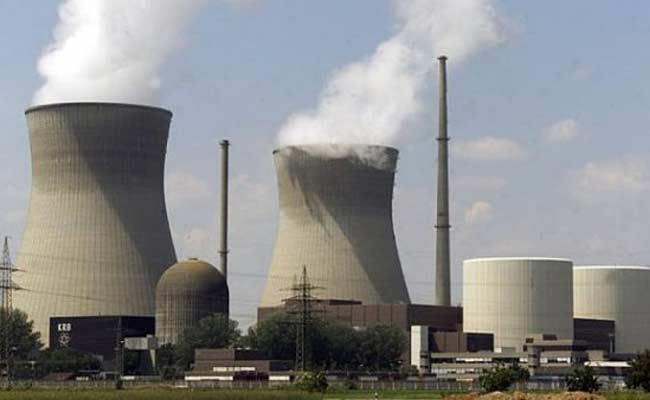
In the halls of Parliament, we are used to debating laws that are dry, technical, and frankly, often boring. But every now and then, a piece of paper lands in our inboxes that threatens to change the basic compact between the government and the people. The new Atomic Energy (Amendment) Bill, 2025 - which has been ironically named the "Shanti Bill" - is exactly such a moment. On the surface, it claims to be about bringing power to our homes and development to our nation. But if you strip away the fancy words and look at the fine print, you will find a law that is great at splitting atoms but can only be defended by splitting hairs. It is a law that threatens to hand over massive profits to private companies while leaving the ordinary Indian citizen to pay the price for any disaster.
This Bill, bulldozed through Parliament despite the reasoned objections of MPs, takes us from a past of careful responsibility to a future of reckless gambling. Instead of giving us clarity, the government has given us confusion. Instead of strong safety rules, they have given us loopholes big enough to drive a truck through. We are forced to ask a simple question: Is this truly a Nuclear Bill, or is it merely an Unclear Bill?
A Free-For-All
The most alarming change in this bill is how it throws the doors wide open to private players to come in and set up nuclear facilities. This is not a carefully measured step; it is a free-for-all. The bill allows a single private company to hold a license for everything: digging up the uranium, making the fuel, running the reactor, and even handling the dangerous waste. When one private company controls every single step of the chain, the danger multiplies. When the main goal is to make money for shareholders, safety checks stop being essential rules and start looking like expensive inconveniences. We are handing over the keys to our most dangerous technology to people whose primary interest is their bank balance, not our safety.
Perhaps the most unfair part of this bill is the "liability cap". This is the maximum amount of money a company has to pay if their reactor blows up or leaks radiation. The bill sets this cap at 300 million Special Drawing Rights - which is roughly ₹3,900 crores or $460 million. To the average person, that sounds like a lot of money. But in the world of nuclear disasters, it is pocket change. Look at the tragedy of Fukushima in Japan. The cleanup costs there have already crossed $182 billion. That is hundreds of times more than the cap this bill proposes. The Chernobyl disaster cost over $700 billion.
Who Pays For It? The Citizens
So, here is the terrifying question: If a private operator causes a disaster that costs $100 billion, but they only have to pay $460 million, who pays the difference? The answer is simple: You do. The taxpayer pays. The government pays. This creates what economists call a "moral hazard". We are telling private corporations: "You keep the profits when things go well, but the Indian public will pay the bill when things go wrong." We are effectively subsidising their risk. They get the reward; we get the danger. This is not capitalism; it is cronyism dressed up as energy policy.
The cruelty of this bill is not just financial; it is human. The legislation sets a strict time limit for victims to claim compensation: you have only 10 years to claim for property damage and 20 years for personal injury. This provision shows a shocking ignorance of science. Radiation does not work like a car accident, where you get hurt immediately. It is a silent killer. Cancers caused by radiation can take decades to appear. A child exposed to a leak today might develop leukaemia when she is 30 years old. Under this "Shanti Bill", the victim would have no right to ask for help. They would be told, "Sorry, your time is up."
A Closed, Dangerous Loop
Furthermore, the bill blocks citizens from going to regular civil courts. If you are hurt, you cannot go to a judge. You have to go to a special authority appointed by the government. And who decides if there was negligence? The government-controlled bodies. It creates a closed loop where the regulator, the operator, and the judge are all on the same team, leaving the victim standing outside, helpless. It is a system designed to limit the payout for companies, not to deliver justice to Indians.
In any game, the referee must be fair and independent. In the nuclear industry, our referee is the Atomic Energy Regulatory Board (AERB). A strong law would make the AERB completely independent, answering only to Parliament or the Constitution. But the Shanti Bill leaves the AERB under the thumb of the central government. The same government that wants to build more plants and make deals with foreign companies is also in charge of safety. There is no separation.
Even worse, the Bill grants the government the power to exempt any nuclear plant from the rules if they decide the risk is "insignificant". But the bill does not define what "insignificant" means. It is left entirely to the government. This is a backdoor that allows them to bypass the very safety laws they claim to be passing. It creates a "License Raj" of exemptions, where rules apply to some but not to others.
A Regressive Step
Finally, is this even financially smart? Nuclear power is incredibly expensive and takes years to build. We are talking about pouring trillions of rupees - estimates suggest ₹19.3 trillion - into a technology that may soon be obsolete. The cost of solar and wind energy is crashing down. Battery technology is getting better every day. Why are we locking ourselves into expensive, dangerous technology from the past when safer, cheaper, and faster alternatives are available? By obsessing over nuclear energy, we are starving the renewable sector of the money it needs. Are we buying a dinosaur when we could be buying the future?
The "Shanti Bill" also strips workers of their rights under labour laws. It shields foreign suppliers from being sued. It blocks citizens from the courts. It looks like a law written by the nuclear lobby, for the nuclear lobby. If this bill passes in its current form, the name will be a cruel joke in the aftermath of a preventable tragedy. The cost of this bill's promises is hidden in the fine print, but if we are not careful, it is a price that will be paid by our children.
(Shashi Tharoor has been a Member of Parliament from Thiruvananthapuram, Kerala, since 2009. He is an author and a former diplomat.)
Disclaimer: These are the personal opinions of the author
-
Opinion | Rs 30 Petrol Hike To Currency Crisis, What Oil At $150 Can Really Do To The World

At $125 per barrel, petrol and diesel retail prices will need to rise by Rs 8-14 per litre. At $150 - which experts think is now likely - these figures could touch Rs 26-30 per litre.
-
Opinion | The Problem With Trump's Fantasy Of A 'Crippled' Iran
Even a relatively insulated US economy cannot entirely escape the ripple effects of sustained disruptions in one of the world's most critical energy corridors.
-
Opinion | Trump's Iran War Is About To Become Someone Else's Problem Soon
Start alone, end alone - that may be the harshest lesson for Trump as he now tries to dash for the door in Iran.
-
What Happens If Iran War Actually Ends In 2 Weeks: The Challenges Ahead
Trump said the war could end in two weeks sans a deal to re-open the Hormuz. Analysts say it could take six to weight weeks more for oil flows to normalise, with each extra week of fighting adding seven to 14 days of recovery.
-
Opinion | Why 2 Gulf States Want Iran War To Continue - Even As They're Battered By It
If Trump withdraws from this war, the UAE, Saudi Arabia and other Gulf countries would be left to face the music alone, with an angrier, fiercer, and possibly more vengeful Iran.
-
Opinion | Why A 'Defeat' Is Now Essential For The Disoriented Left In Kerala
Power and arrogance have turned the Left in Kerala into what it once fought against. It now needs to lose its last bastion to cleanse itself of its maladies.
-
Opinion | On April Fools' Day, A Reality Check For US, Iran And The World
The paradox is this: Iran wins simply by surviving, while the US must achieve a far more overwhelmingly convincing result to claim success.
-
Opinion | Pakistan, And The One Big Difference Between 'Broker' And 'Mediator'
Neither Washington nor Tehran appears willing to invest Pakistan with the political capital required for mediation.
-
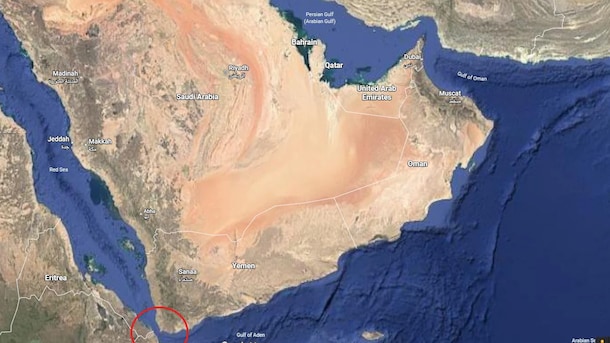
Houthis Threaten Strait No 2 As Iran War Expands. What It Means For India
Yemen's Houthi rebels have opened a second front in the Iran war, threatening Bab al-Mandab just as the Strait of Hormuz comes under pressure, and squeezing one of the world's most important oil corridors from both ends.