Opinion | The Rich Get Fit, And Poor Get 'Lectures' - That's India's Ozempic Problem
Ozempic has arrived in India - and so has the moral panic around it.
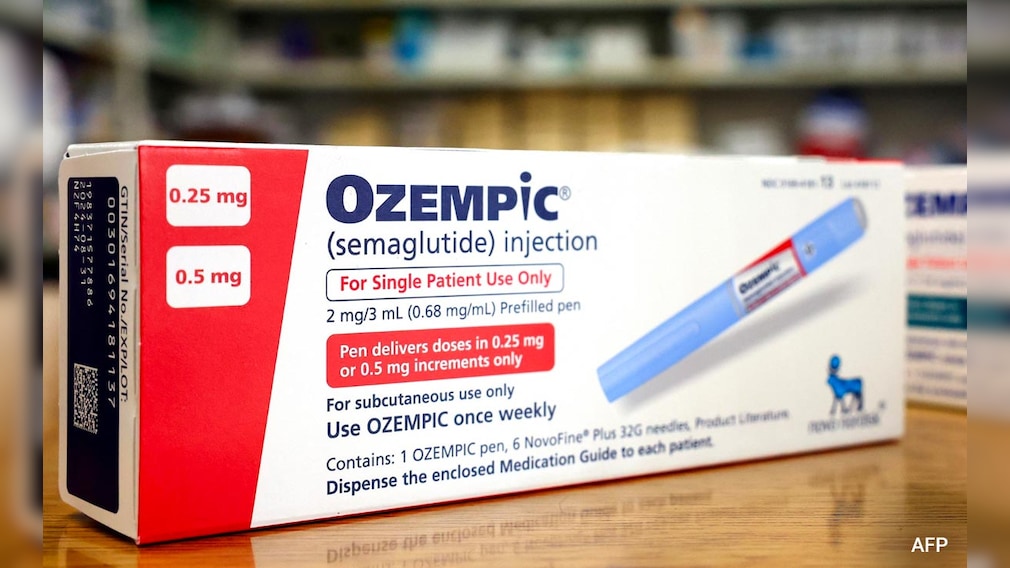
India stands on the brink of a metabolic crisis. Nearly ninety million adults, about 10.5% of those aged between 20 and 79, live with diabetes, making ours the world's second-largest diabetic population after China. Obesity, the silent precursor, now afflicts nearly a quarter of Indian adults, while abdominal obesity exceeds 40% among women. Together, these conditions fuel a rising tide of heart disease, stroke, and kidney failure that steadily undermines our public health foundations. Into this landscape arrives Ozempic - Novo Nordisk's semaglutide injection - approved by the Central Drugs Standard Control Organisation (CDSCO) in September 2025 for adults with type-2 diabetes inadequately controlled by diet and exercise. Expected to launch by December and priced between ₹10,000 and ₹20,000 a month, it promises not only superior blood sugar control and weight reduction but also cardiovascular protection.
Ozempic Is An Achievement
Crucially, semaglutide exists because companies were free to invest, take risks, and profit from success. It is the outcome of decades of research and innovation - not a product of government decree. We should celebrate, not penalise, the profit motive that drives such progress. Innovation flourishes only when regulation is predictable, approvals are swift, and intellectual property is respected. India's drug bureaucracy, however, often moves at a glacial pace; simplifying approvals, incentivising voluntary licensing, and ensuring transparency would do far more for patients than any heavy-handed price cap ever could.
Like any potent therapy, Ozempic carries risks. Nearly 40% of users experience gastrointestinal discomfort - nausea, vomiting, or diarrhoea - sometimes severe enough to discontinue treatment. Rarer complications such as pancreatitis, gallbladder disease, or acute kidney injury have been reported, and the black-box warning about thyroid C-cell tumours prohibits use in those with a family history of such cancers. Emerging evidence suggests that up to 40% of weight lost through semaglutide may be lean muscle mass rather than fat, while prolonged appetite suppression can cause nutritional deficiencies or worsen diabetic retinopathy. Yet, these are not reasons to retreat from progress. Adults deserve the liberty to make informed decisions about their own bodies. The state's duty is not to moralise about "weight-loss vanity" but to ensure accurate labelling, access to safety data, and education about risks. Responsible prescribing, gradual dose titration, and medical supervision must be encouraged, but through professional ethics and patient education - not bureaucratic suspicion.
When Regulation Goes Astray
The rise of a grey market in India, where unsupervised doses are sold at exorbitant rates, demonstrates that excessive control merely drives patients underground. Regulation should protect safety, not police choice. Without a balanced approach, we risk replacing one epidemic - obesity - with another: weakness and malnutrition.
The economics, however, expose the sharper moral fault lines. At a cost exceeding ₹10,000 a month, Ozempic remains far beyond the reach of most Indians. Insulin, by contrast, costs barely ₹300 a vial, and 80% of diabetics rely on overstretched public health systems. Ayushman Bharat, India's flagship insurance scheme, does not cover high-cost injectables, while private insurers limit reimbursement to wealthier clients. Eli Lilly's tirzepatide (Mounjaro), priced even higher between ₹14,000 and ₹27,000, is already available in elite pharmacies. A vanity market is emerging in India's metros, where celebrities and affluent professionals use these drugs for cosmetic transformation while rural diabetics struggle to afford essential insulin. If life-saving medicines like Ozempic are to become accessible to ordinary Indians, it will require not bureaucratic diktats but market creativity supported by fair and predictable rules.
Learn From The World
Around the world, market-based approaches have expanded access without price caps. In the United States, patient-assistance programmes and tiered pricing reduced costs for low-income users; Brazil's Farmácia Popular model used public-private partnerships to offer discounted generics; and Kenya's M-TIBA platform enabled families to prepay for diabetes care through mobile wallets. India can adopt such models - combining tiered pricing, digital health platforms, micro-insurance, and employer wellness plans - to extend access efficiently and sustainably. The state's role must remain limited yet firm: to prevent patent abuse, cartelisation, and anti-competitive hoarding, as US and European regulators have done against evergreening in oncology and HIV drugs. Patents should reward innovation, not perpetuate monopoly rents long after their social purpose is served.
True accessibility will emerge not just from price ceilings or compulsory licences, which often deter innovation and reduce supply, but from open competition. India's experience with HIV drugs in the 1990s proves this: liberalising generic production, rather than imposing state control, drove prices down by nearly 90% and saved millions of lives across the developing world. The same opportunity now awaits GLP-1 therapies. Ozempic's patent expires in March 2026, and Indian pharmaceutical leaders like Dr. Reddy's, Sun Pharma, and Cipla are already preparing generic versions that could transform affordability. To realise this potential, the government must clear regulatory bottlenecks, fast-track biosimilar approvals, rationalise taxes on biopharma imports, and ensure patent clarity. The National Pharmaceutical Pricing Authority's reflex to control every rupee must give way to a lighter touch. Price discovery belongs in the marketplace, not in ministries. Patients benefit most when firms compete on cost, quality, and service - not when innovation queues endlessly for permission.
Let The Customer Decide
Front-of-pack labelling by the Food Safety and Standards Authority of India, voluntary reformulation by industry, and nutrition education can empower consumers to make healthier choices. Entrepreneurs - fitness startups, health-food producers, and wellness coaches - can do what ministries often cannot: make healthy living aspirational. Public policy should focus on enabling this ecosystem, through transparent labelling, fair competition, and better urban design that prioritises cycling lanes, walkable spaces, and community fitness, rather than micromanaging diets or imposing punitive taxes.
India's 2026 bio-pharma roadmap, which promises incentives for local GLP-1 manufacturing, will succeed only if the state acts as facilitator, not manufacturer. Subsidies and public monopolies rarely deliver efficiency; what the industry needs is clear rules, low compliance costs, and open trade. The goal should not be patent races but affordable peptide production that can serve both domestic and global demand. If Indian firms such as Biocon, Dr. Reddy's, and Sun Pharma can produce high-quality semaglutide at scale, they could supply not only India but also emerging markets across Asia and Africa, reviving the promise of India as the pharmacy of the developing world. But to achieve this, India must resist its reflex to over-regulate. Every unnecessary form, every ambiguous guideline, adds cost that ultimately punishes patients.
The Class Divide Is Real
Imagine tier-two and tier-three clinics dispensing generic semaglutide at ₹3,000 a month, paired with nutrition counselling and fitness incentives under PM-JAY. Endocrinologists could act as gatekeepers against misuse, and Indian biosimilar innovators could once again demonstrate that affordability and innovation are not opposites but complements. Critics who dismiss Ozempic and its analogues as "lazy medicine" overlook the truth: for the fifty million Indians who fail oral therapy, semaglutide is not indulgence - it is salvation. Its cardiovascular protection rivals statins, and its potential to halve India's non-communicable disease burden - estimated at ₹3 lakh crore annually - is immense. Yet, unless equitable access is ensured, this medical revolution risks deepening social divides, where metropolitan elites thrive, while the villages of Bihar, Jharkhand, and Odisha fade further into neglect.
As Ozempic pens begin reaching Indian pharmacies, regulation must not lag behind enthusiasm. The government should mandate national registries to monitor long-term safety, expand pharmacovigilance to study how Indian genotypes respond, and integrate GLP-1 therapies into national diabetes guidelines. Training ASHA workers to improve adherence and funding public trials that combine GLP-1 therapy with traditional practices like yoga and dietetics could yield uniquely Indian models of care rooted in both science and culture.
Freedom To Choose
Ozempic is not an endgame; it is an interlude. It buys time to address the structural pathologies of our society - sedentary urbanism, poor diet, and fragmented healthcare systems. No drug can replace movement, nutrition, and discipline. Yet, Ozempic symbolises what freedom and innovation can deliver: human ingenuity turned toward saving lives.
In the end, the choice before India is simple - do we trust individuals and markets, or do we trust excessive control? Ozempic's arrival is more than a medical milestone; it is a test of whether India believes health and freedom can advance together.
(Amal Chandra is the author of 'The Essential: On Healthcare', a policy analyst and columnist. He tweets @ens_socialis. Dr. Ayemen Fatima is a clinical pharmacist)
Disclaimer: These are the personal opinions of the author
-
A Weapon With An Odd Name Could Really Hurt Million-Dollar US Jets In Iran

Iran shot down US jets while China denied arming Tehran. But reports of a Chinese spy satellite being used by Iran, the viral F-35 tutorial from a Chinese engineer, and now 1,000+ MANPADs reportedly on their way to the war suggests otherwise.
-
Opinion | In Stalin's Tamil Nadu vs Delhi Pitch, Flashbacks From A 2014 Jayalalithaa Episode
In 2014, Jayalalithaa had posed the question to the Tamil Nadu electorate,"Gujarat Modiyaa Tamil Nadu odu intha ladyaa"(Gujarat's Modi or this lady of Tamil Nadu), and tasted electoral success, winning 37 of the 39 seats in the state.
-
'Help', Said Trump In Iran. Why US' European Allies Hesitated, Walked Away
47 days into the war, Europe has rejected Trump's attacks on Iran on the back of $25B Hormuz blockade shock that spiked inflation to 2.5% and prompted 59% of EU voters to call the strikes illegal (71% Spain), while Trump's Pope spat draws ire from Italy.
-
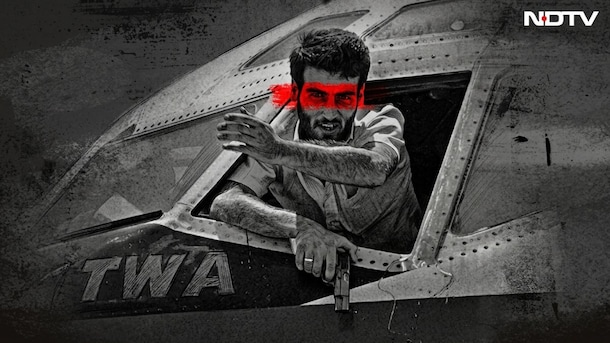
Assassination That Took 20 Years: Spies, Missed Chances, Then A Final Moment
Before Osama bin Laden became the global face of transnational terrorism, there was another figure-more elusive, less theatrical, but arguably more influential in the evolution of modern guerrilla warfare. He was Imad Mughniyeh.
-
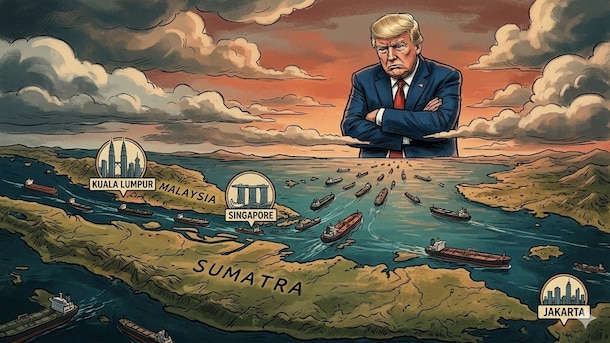
The Malacca Gambit: How China Oil-Choke Strategy Could Backfire On Trump
US President Donald Trump seems to be weaponising oil chokepoints - Venezuela, Hormuz, and Malacca - to pressure China, but Beijing's pipelines, reserves, and shadow fleets mean the real test is which side dares escalate further.
-
Opinion | 38% vs 18%: How Bengal Exposes The Biggest Irony Of Women's Reservation
Bengal with its duality - 38% women in Parliament versus 18% in the state contest - captures the core tension of the Bill better than any other example.
-
Opinion | Mines, Submarines, Drones: Why World's Mightiest Navy Won't Get Too Close To Hormuz
Iran is relying on the symmetric advantage of geography to fight against the brute power of the world's largest and most powerful navy, the US.
-
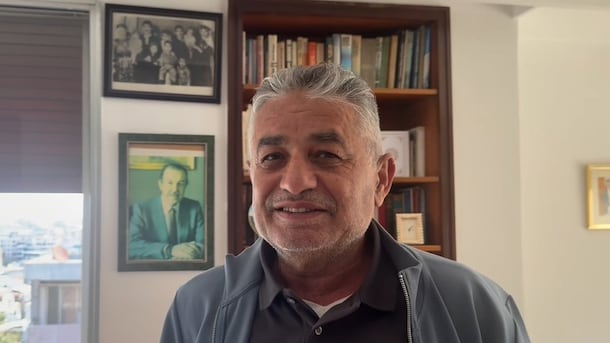
'Tawakkul al-Allah': Meet Sheikh Moussa, The Man Israel Can't Move
Sheikh Moussa refuses to leave his family home in Beirut's Dahieh despite decades of Israeli missile strikes. His faith - tawakkul al-Allah - keeps him rooted amid rubble, memories, and a doctrine designed to break Israel's rivals.
-
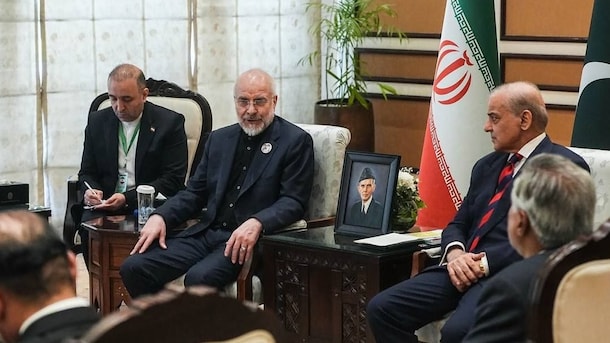
Opinion | Pakistan Has Already Got Its 'Prize', Even If The US-Iran Talks Collapsed
For all the brand packaging Pakistan has done in the last few days on the international stage, the backstage scenario remains pretty dangerous.
-
From Climbing On JP's Car To Ousting Left: Mamata Banerjee's Bengal Journey
Mamata Banerjee's political journey is a testament that she is at her most ferocious when she faces a difficult battle