Blog | Salman Khan, Now Rohit Shetty: The Bishnoi Threat Isn't New For Bollywood
The recent attacks on Rohit Shetty and Salman Khan have rekindled flashes from a chapter many thought had long been buried.
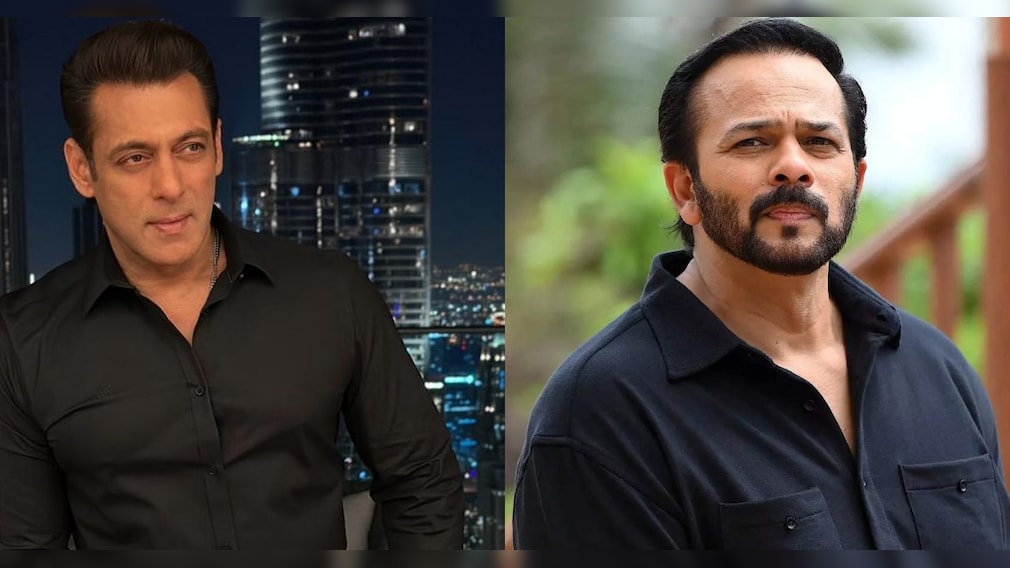
The firing at film producer Rohit Shetty's residence has once again brought back memories of the multifaceted relationship between Bollywood and the underworld. For decades, the Hindi movie industry had a multidimensional relationship with the underworld, ranging from predator-prey, performer-patron as well as business partners to romantic partners. The relationship was symbiotic as well as parasitic.
Predator-Prey Relationship
The Lawrence Bishnoi gang claimed responsibility for the firing incident at Rohit Shetty's residence last Sunday. The motive behind the incident is not clear. The same gang, in a similar manner, had fired on film star Salman Khan's residence at Bandra in 2024. Salman is on Bishnoi's radar as he is accused of hunting a black buck in 1998, an animal the Bishnoi community considers holy. In an interview with a news channel a few months back, Bishnoi, still in jail, warned Salman that he should apologise or he'd be killed. Although the gangster is invoking religion, observers believe that Bishnoi's real motive is to generate fear by targeting another celebrity. His gang came into the limelight after killing Punjabi singer Sidhu Moosewala four years back.
Blasts From The Past
The Mumbai underworld of the 1980s and 1990s had resorted to similar tactics to generate fear and command authority. In the '90s, gangsters such as Dawood Ibrahim, Chhota Rajan, Abu Salem and Arun Gawli preyed upon filmmakers. They made threat calls from their safe havens abroad and extorted exorbitant amounts from them. Those who refused to pay were shot dead. The killing of cassette industry tycoon Gulshan Kumar in August 1997, the murder of producer Mukesh Duggal in June 1997, the firing on film director Rakesh Roshan in 2000, the murder of actress Manisha Koirala's secretary Ajit Dewani in 2001, and the attack on filmmaker Lawrence D'Souza in 2002 are a few examples. The trick was to kill one and scare everyone. If a big film personality was shot or killed, the rest would be forced to yield to the mafia's demands out of fear. If somebody paid off one gang and the information reached the others, they would also try to extort the filmmaker. Naturally, the anti-extortion cell of Mumbai Police was a busy department those days.
It's Complicated
Yet, Bollywood and the underworld had a curious relationship as well. Today, most mainstream films are funded by big studios, but that wasn't the case till a few decades ago. There was a shortage of investors who could invest clean money in films. This gap was exploited by underworld gangs, who made it a means to convert their black money into white. Whatever money these gangs earned from all their illegal businesses, they invested in films. In return, they would ask for their share of the income and international rights of the film. The 2001 case against the film Chori-Chori Chupke Chupke brought to light that modus operandi.
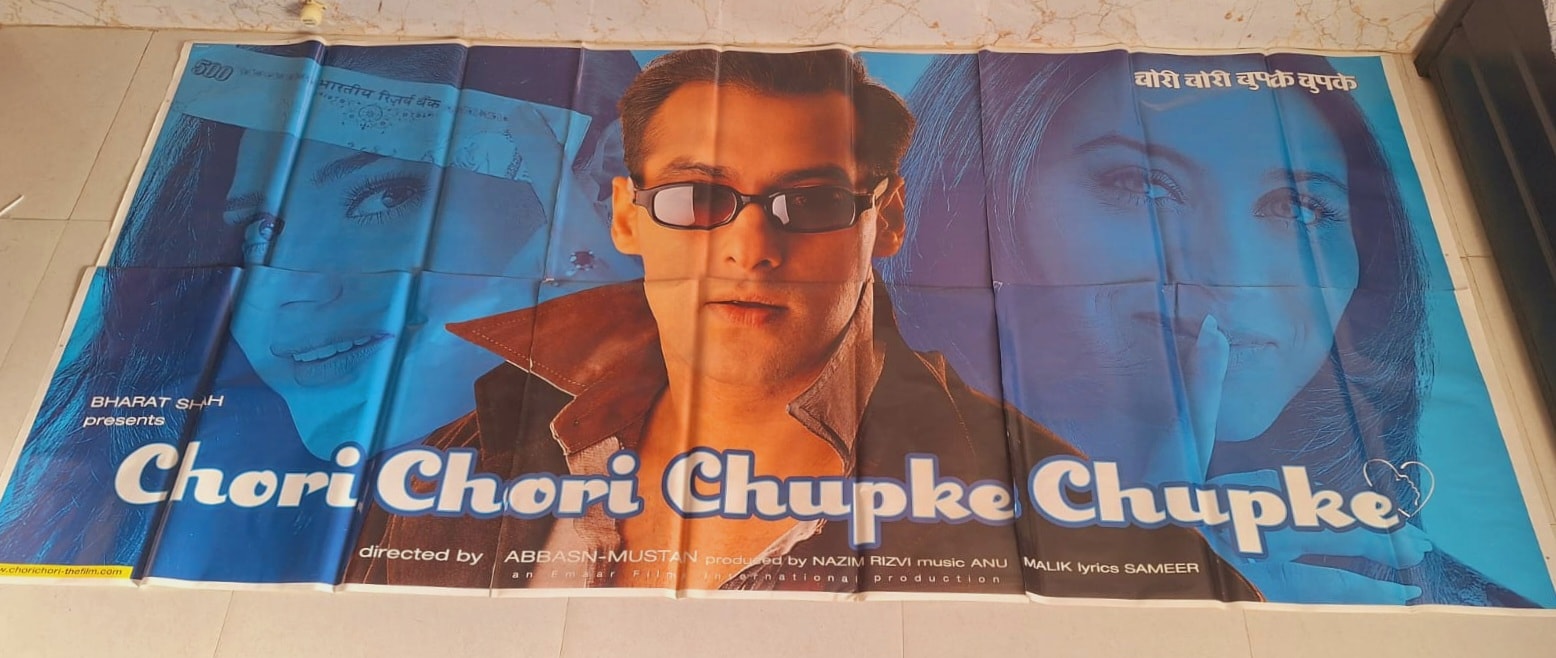
A poster of the 2003 film Chori Chori Chupke Chupke, which was reportedly funded by Chhota Shakeel. The film's release was delayed due to an investigation, which led to several arrests.
The mafia had such an influence over the film industry that they would often decide even star-casts and screenplays. A taped conversation between Chhota Shakeel and Sanjay Dutt, which was leaked in 2002, reveals how the former had a deep knowledge of filmmaking and had invested heavily in the industry.
Singing And Dancing
There was another kind of relationship driven by the underworld, the artist, and the fans. In the ‘90s, underworld gangs often organised live shows that had Bollywood stars putting up performances in exchange for lucrative sums. Pictures and videos of Bollywood celebrities dancing and singing at Dawood Ibrahim's gang shows in Dubai and Sharjah are common knowledge today. The D-Company invited film personalities to perform at their family events, and Dawood Ibrahim paid the performers handsomely. In fact, many Bollywood personalities went to Dubai willingly to strike a close relationship with the ‘Don' and remain in his good offices; yet others went there grudgingly to avoid hostility. In any case, few had the privilege to turn down such invitations.
There's Romance, Too
According to some retired police officers who investigated organised crime cases in those days, romantic relationships between Bollywood stars and gangsters were not uncommon. Dawood Ibrahim's relationship with actress Mandakini, the Abu Salem-Monica Bedi romance, Anish Ibrahim's affairs with Pakistani actress-model Anita Ayoob and another Mumbai-based actress became quite famous. Usually, such relationships were voluntary. But often, cops say, if an actress refused the advances of a gangster, he would have her killed. For instance, Anish Ibrahim had ordered for Madhuri Dixit to be killed when she refused to visit Dubai on his demand. A timely intelligence received by the Mumbai Police saved her. She relocated abroad for a few years after the threat to her life.
Today, the Mumbai underworld of the nineties is a thing of the past. The Dawood gang is not active. Chhota Rajan, Abu Salem and Arun Gawli are all behind bars. Bollywood is free of mafia pressure. But the recent attacks on Rohit Shetty and Salman Khan have rekindled flashes from a chapter many thought had long been buried.
(Jitendra Dixit is Contributing Editor at NDTV and author of the book 'Bombay After Ayodhya')
Disclaimer: These are the personal opinions of the author
-
Opinion | Who Lit The Fire In Balochistan? Pak's Explanation Avoids The Obvious

It's time sensible Pakistanis did a rehash of just who their enemies are. They might get a surprising list.
-
Opinion | Two Peculiar Reasons Behind The Timing Of India-US Trade Deal
India should be clear-eyed about risks. What proclamations give, proclamations can take away. If compliance is judged by mere political mood, sanctions and penalty tariffs can return with little warning.
-
Opinion | Pak's India Match Boycott: How To Self-Destruct To Make A 'Point'
In the long run, it will be Pakistan who will be wounded the most by this, left bleeding from not one but multiple cuts - hefty fines, potential legal action, and maybe even a ban. All for some chest-thumping.
-
Opinion | US Trade Deal: Is This Trump's 'FOMO' After The India-EU Pact?
The India-EU free trade pact wrong-footed the US, turning on its head the very playbook Trump was using to browbeat America's trading partners.
-
Decoding India's EU, US Trade Deals And A Likely $150 Billion Boost
India announced two mega trade deals - one with the European Union and another with the United States - in the space of a week.
-
Opinion | Budget 2026: Is 'Invisible Kerala' Paying The Price For Being 'Unaligned'?
What Kerala needs is not just sympathy or slogans. We need an alternative that commands respect in Delhi and delivers development in Kerala. Right now, we have neither.
-
21-Year Tax Holiday, Rs 2,000 Crore Safe Harbour: India's Data Centre Bet
Data centres are infamously capital resources-hungry and require massive amounts of electricity (to run the computers), water (to cool servers), and land (on which to build).
-
Blog | "Hamberder" To "Furniture Of Children", Trump And His 'Unpresidented' English
Time and again, Donald Trump has proven that he possesses the best words. They just aren't always the ones in the dictionary.
-
Opinion | Union Budget 2026-27: Don't Look For Fireworks Here. Continuity Is The Goal
The latest Budget needs to be read as a statement of macroeconomic restraint under external stress. Its defining feature is calibration.
-
Opinion | In Trump's World, Wikipedia's Lesson On Collaboration
Wikipedia founder Jimmy Wales's life's work rests on a proposition that feels almost subversive in 2026: that most people, given the right framework, want to collaborate in good faith.