Blog | Salman Khan, Now Rohit Shetty: The Bishnoi Threat Isn't New For Bollywood
The recent attacks on Rohit Shetty and Salman Khan have rekindled flashes from a chapter many thought had long been buried.
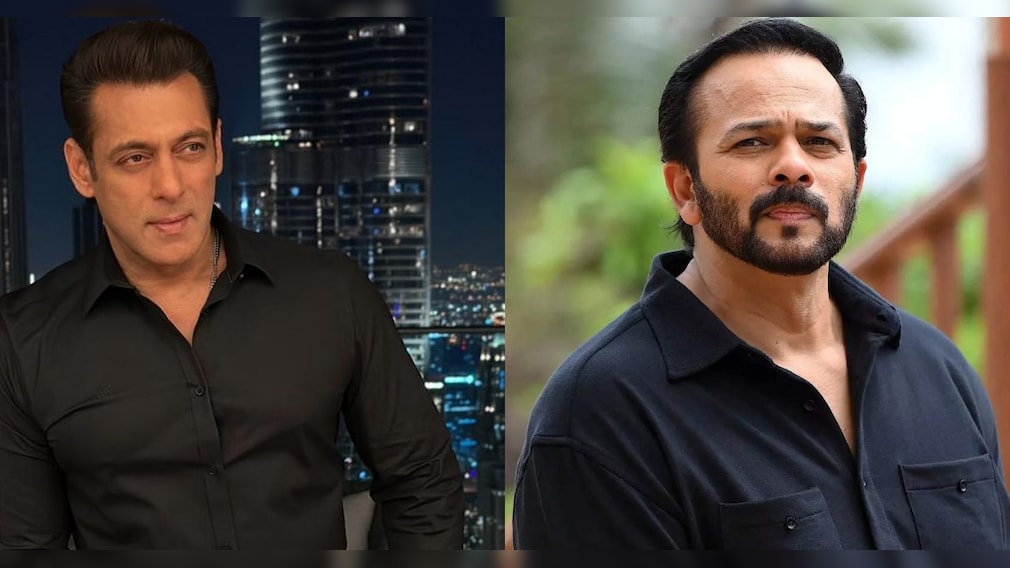
The firing at film producer Rohit Shetty's residence has once again brought back memories of the multifaceted relationship between Bollywood and the underworld. For decades, the Hindi movie industry had a multidimensional relationship with the underworld, ranging from predator-prey, performer-patron as well as business partners to romantic partners. The relationship was symbiotic as well as parasitic.
Predator-Prey Relationship
The Lawrence Bishnoi gang claimed responsibility for the firing incident at Rohit Shetty's residence last Sunday. The motive behind the incident is not clear. The same gang, in a similar manner, had fired on film star Salman Khan's residence at Bandra in 2024. Salman is on Bishnoi's radar as he is accused of hunting a black buck in 1998, an animal the Bishnoi community considers holy. In an interview with a news channel a few months back, Bishnoi, still in jail, warned Salman that he should apologise or he'd be killed. Although the gangster is invoking religion, observers believe that Bishnoi's real motive is to generate fear by targeting another celebrity. His gang came into the limelight after killing Punjabi singer Sidhu Moosewala four years back.
Blasts From The Past
The Mumbai underworld of the 1980s and 1990s had resorted to similar tactics to generate fear and command authority. In the '90s, gangsters such as Dawood Ibrahim, Chhota Rajan, Abu Salem and Arun Gawli preyed upon filmmakers. They made threat calls from their safe havens abroad and extorted exorbitant amounts from them. Those who refused to pay were shot dead. The killing of cassette industry tycoon Gulshan Kumar in August 1997, the murder of producer Mukesh Duggal in June 1997, the firing on film director Rakesh Roshan in 2000, the murder of actress Manisha Koirala's secretary Ajit Dewani in 2001, and the attack on filmmaker Lawrence D'Souza in 2002 are a few examples. The trick was to kill one and scare everyone. If a big film personality was shot or killed, the rest would be forced to yield to the mafia's demands out of fear. If somebody paid off one gang and the information reached the others, they would also try to extort the filmmaker. Naturally, the anti-extortion cell of Mumbai Police was a busy department those days.
It's Complicated
Yet, Bollywood and the underworld had a curious relationship as well. Today, most mainstream films are funded by big studios, but that wasn't the case till a few decades ago. There was a shortage of investors who could invest clean money in films. This gap was exploited by underworld gangs, who made it a means to convert their black money into white. Whatever money these gangs earned from all their illegal businesses, they invested in films. In return, they would ask for their share of the income and international rights of the film. The 2001 case against the film Chori-Chori Chupke Chupke brought to light that modus operandi.
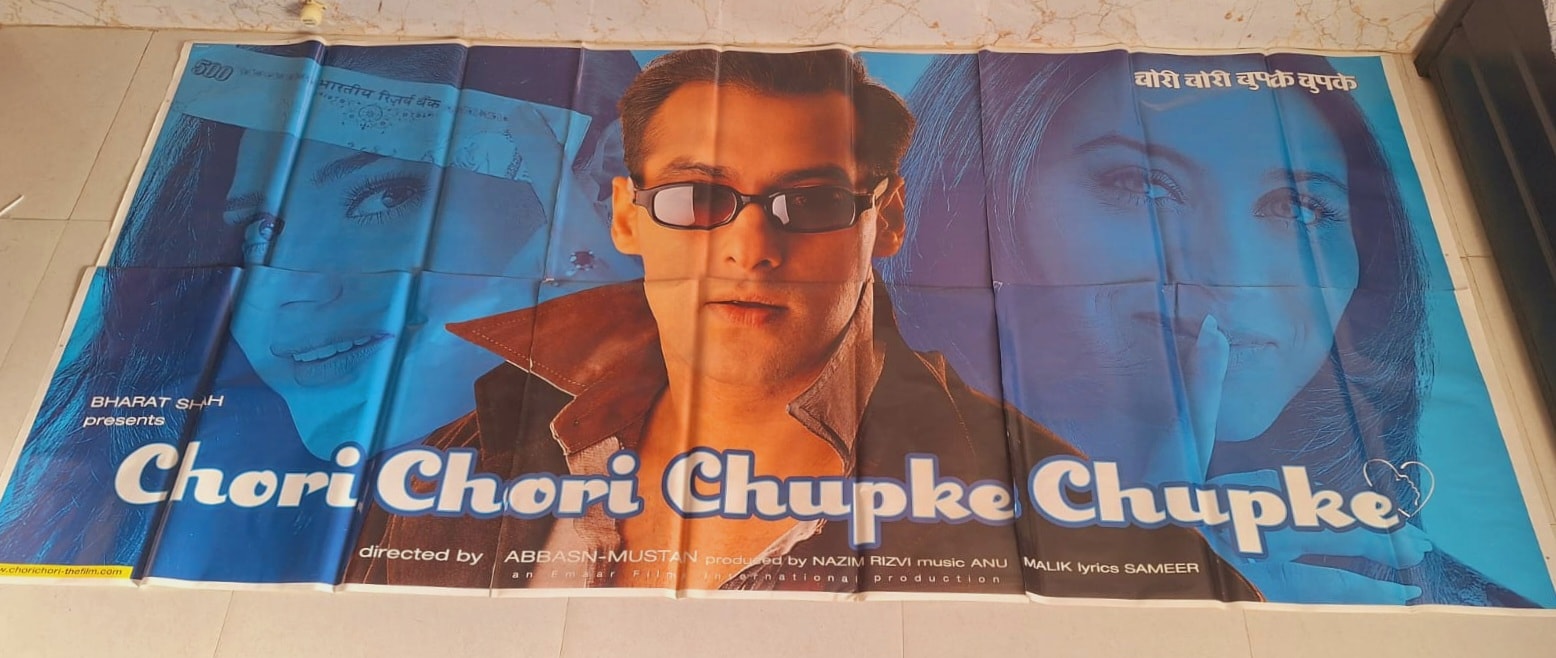
A poster of the 2003 film Chori Chori Chupke Chupke, which was reportedly funded by Chhota Shakeel. The film's release was delayed due to an investigation, which led to several arrests.
The mafia had such an influence over the film industry that they would often decide even star-casts and screenplays. A taped conversation between Chhota Shakeel and Sanjay Dutt, which was leaked in 2002, reveals how the former had a deep knowledge of filmmaking and had invested heavily in the industry.
Singing And Dancing
There was another kind of relationship driven by the underworld, the artist, and the fans. In the ‘90s, underworld gangs often organised live shows that had Bollywood stars putting up performances in exchange for lucrative sums. Pictures and videos of Bollywood celebrities dancing and singing at Dawood Ibrahim's gang shows in Dubai and Sharjah are common knowledge today. The D-Company invited film personalities to perform at their family events, and Dawood Ibrahim paid the performers handsomely. In fact, many Bollywood personalities went to Dubai willingly to strike a close relationship with the ‘Don' and remain in his good offices; yet others went there grudgingly to avoid hostility. In any case, few had the privilege to turn down such invitations.
There's Romance, Too
According to some retired police officers who investigated organised crime cases in those days, romantic relationships between Bollywood stars and gangsters were not uncommon. Dawood Ibrahim's relationship with actress Mandakini, the Abu Salem-Monica Bedi romance, Anish Ibrahim's affairs with Pakistani actress-model Anita Ayoob and another Mumbai-based actress became quite famous. Usually, such relationships were voluntary. But often, cops say, if an actress refused the advances of a gangster, he would have her killed. For instance, Anish Ibrahim had ordered for Madhuri Dixit to be killed when she refused to visit Dubai on his demand. A timely intelligence received by the Mumbai Police saved her. She relocated abroad for a few years after the threat to her life.
Today, the Mumbai underworld of the nineties is a thing of the past. The Dawood gang is not active. Chhota Rajan, Abu Salem and Arun Gawli are all behind bars. Bollywood is free of mafia pressure. But the recent attacks on Rohit Shetty and Salman Khan have rekindled flashes from a chapter many thought had long been buried.
(Jitendra Dixit is Contributing Editor at NDTV and author of the book 'Bombay After Ayodhya')
Disclaimer: These are the personal opinions of the author
-
Opinion | Iran To Saudi, Pakistan Is Now Fast Running Out Of Sides To Play

Pakistan's long history of playing all parties to its own benefit may have reached the end of its road.
-
Gyanesh Kumar Has An Immunity Pin. Why A Petition Says He Can't Use It
The Opposition wants the Chief Election Commissioner prosecuted for alleged manipulation of voter rolls, but a 2023 law stands in the way. A petition in the Supreme Court now says the law has a gap.
-
Opinion | Is The World Staring At A Big Stock Market Crash - And Recession? 5 Uneasy Signs
On Wednesday, the US bond market recorded its worst day since Trump's "Liberation Day" tariffs rattled markets in April 2025. The 30-year US Treasury yield topped 5.43%, putting it on track for its highest close since 2004.
-
Form 6 For New Voters: When A Small Change Triggered A Big Row
In July 2026, the online version of Form 6 on the ECI's ECINet portal was modified to include a new declaration.
-
Opinion | Saudi Arabia's China Turn Has Begun - After Learning Much The Hard Way
Leaning on China just makes sense for the Saudis right now. The question is, can its other great 'ally' stomach it?
-
Opinion | Bihar Assault, Hisar Marriage Ban: Who'll Stop The Guardians Of Indian 'Culture'?
Why exactly does the sight of a young couple seeking a bit of alone time somewhere tend to particularly provoke a certain kind of Indian men?
-
Opinion | The Trump-Xi Summit, And India's Many Worries Of Its Own
Washington and Beijing may have chosen coexistence over confrontation. For India, that could be both a relief and a warning.
-
Opinion | China Claims It Has Cut Troops At The Indian Border. But The Math Doesn't Add Up
The reduction likely has more to do with the deployment along the LAC than the total strength active in the region
-
Opinion | China Is No Longer Waiting For Trump To Set The Rules. And He Knows It
America's old diplomatic tricks with China won't work any longer. Because China has changed, and so has its ambitions.