On Christmas And 'Tulsi Diwas' - And, Manufactured Traditions
By pinning Tulsi worship to Christmas Day, the architects of this movement aren't trying to honour the plant or our culture; they are trying to colonise the calendar.
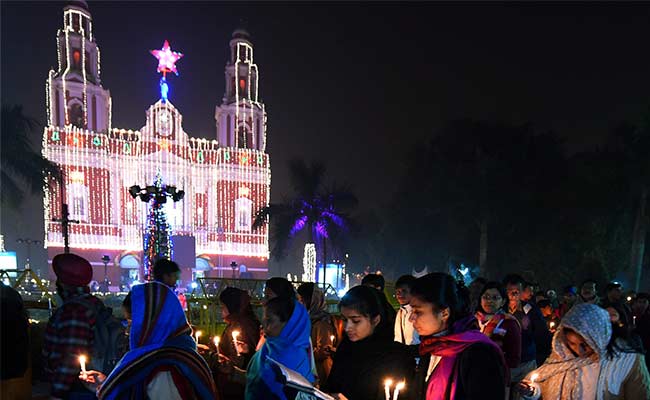
In the landscape of modern Indian socio-politics, if there is such a word, December 25 has become a date of peculiar botanical urgency. Suddenly, the air is thick with the smell of incense and the aggressive rustle of holy basil. We are told, via high-resolution WhatsApp forwards and saffron-tinted infographics, that it is "Tulsi Pujan Diwas". To the uninitiated, it looks like a quaint revival of Vedic piety. To anyone with a history book and a functioning memory, however, it is a masterclass in the "invention of tradition" - a duplicitous branding exercise designed to turn a plant of peace into a picket line of cultural intolerance.
Let us be clear: the Tulsi plant is, and has always been, a cornerstone of the Hindu household. For centuries, it has sat in the Vrindavan of the courtyard, a biological deity representing Lakshmi's grace and the medicinal wisdom of Ayurveda. We have Tulsi Vivah, an ancient, structurally complex festival tied to the lunar cycle of the Hindu calendar. But "Tulsi Pujan Diwas", fixed stubbornly to the Gregorian calendar date of December 25 (a most unVedic practice), is not an ancient ritual. It is a 2014 startup. It has the same historical depth as a seasonal discount sale.
Colonising The Calendar
The manufacture of this "Diwas" is a classic example of what historian Eric Hobsbawm called "Invented Tradition". These are practices that appear old but are actually quite new, designed to instil certain values through repetition and a false sense of continuity with a "glorious past". By pinning Tulsi worship to Christmas Day, the architects of this movement aren't trying to honour the plant or our culture; they are trying to colonise the calendar.
The logic is transparently reactive. It stems from a profound cultural insecurity that views the celebration of Christmas - or even the mere acknowledgment of it - as a zero-sum game. If a neighbour puts up a star, one must counter with a shrub. If they sing a carol, we must chant a shloka, not out of devotion, but out of a desperate need to "reclaim" a space that was never actually lost. It is "spirituality" as a contact sport, kabbadi with chanting rather than panting.
The duplicity lies in the justification. Proponents argue that they are protecting "Indian values" from the "onslaught of Westernisation". This creates a false binary: you are either a "Sattvic" Tulsi-worshipper or a "corrupted" consumer of cake and tinsel. By framing a modern creation as an ancient necessity, they provide a theological shield for contemporary xenophobia. It allows the practitioner to say, "I am not being intolerant of your holiday; I am simply being observant of my own (one-decade-old) tradition."
A Trojan Horse For Intolerance
This is how "manufactured tradition" serves as a Trojan Horse for intolerance. It rewrites history to suggest that Indian culture is a fragile thing that can only survive if it is constantly positioned against an imagined enemy. It replaces the expansive, pluralistic heart of Hinduism - which historically had no trouble assimilating various influences - with a brittle, reactionary mimicry.
Furthermore, there is a profound irony in using the Tulsi plant for this purpose. In the Puranas, Tulsi is a symbol of bhakti (devotion), a quality that is internal, quiet, and deeply personal. To turn her into a tool for a "Cultural Cold War" is a form of spiritual malpractice. When worship is motivated by the desire to "cancel out" another person's joy, it ceases to be prayer and becomes a political weapon of intolerance.
We see this pattern everywhere: the sudden "discovery" of ancient reasons to do modern, exclusionary things. Whether it is the rebranding of Valentine's Day as "Parents' Worship Day" (why not Kamadeva Diwas, I ask you?) or the fixating of festivals onto specific Western holidays, the goal is the same: to create a psychological ghetto where the "Other" is always an intruder.
Let Tulsi Be Sacred
By pretending that "Tulsi Pujan Diwas" has always existed in this specific, reactionary form, its promoters are gaslighting the public. They are erasing the genuine, organic history of Indian festivals, which are diverse, regional, and tied to the earth's own rhythms, and replacing them with a standardised, "Vedic-flavoured" version of modern "cultural nationalism".
If we want to worship the Tulsi, let us do it with the quiet dignity our grandparents did, because the plant is sacred, not because the date is a "threat." To use a holy plant as a weapon of spite is not just historically illiterate; it is a betrayal of the very culture it claims to protect. True tradition doesn't need to check the Western Gregorian calendar to know when to be pious, and it certainly doesn't need to manufacture a "Diwas" to feel superior to its Christian neighbour. In the end, a tradition built on "anti-ness" is no tradition at all - it's just a grudge with a garland on it.
(Shashi Tharoor has been a Member of Parliament from Thiruvananthapuram, Kerala, since 2009. He is an author and a former diplomat.)
Disclaimer: These are the personal opinions of the author
-
Opinion | At 14, Vaibhav Suryavanshi Might Just Be Too Good To Be 'Protected'

This boy from Samastipur is simply asking Indian cricket to widen its imagination. Can it keep up?
-
Opinion | SHANTI Bill May Not Necessarily Be A Nuclear 'Sell-Out', After All
Whether SHANTI is a sell-out dressed up as reform, or a lever for reliable power for industry and cities, and for turning rural power from a lottery into a utility, will be decided by the hard work of implementation.
-
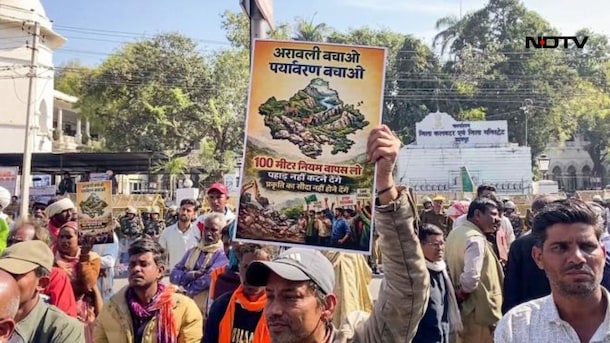
Opinion | Ain't No Mountain High Enough ... To Keep Them From Getting To Aravallis
A technical redefinition threatens to turn one of India's oldest mountain ranges into legally exploitable land. But even by the government's own standards, four questions remain unanswered.
-
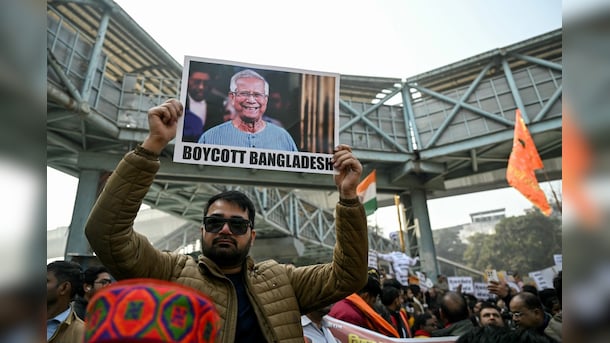
Younger Brother Or Frankenstein's Monster? Delhi-Dhaka 54 Years On
Bangladesh's streets are echoing with anti-India slogans, protests are being held outside high commissions and Delhi and Dhaka ties are at an all-time low.
-
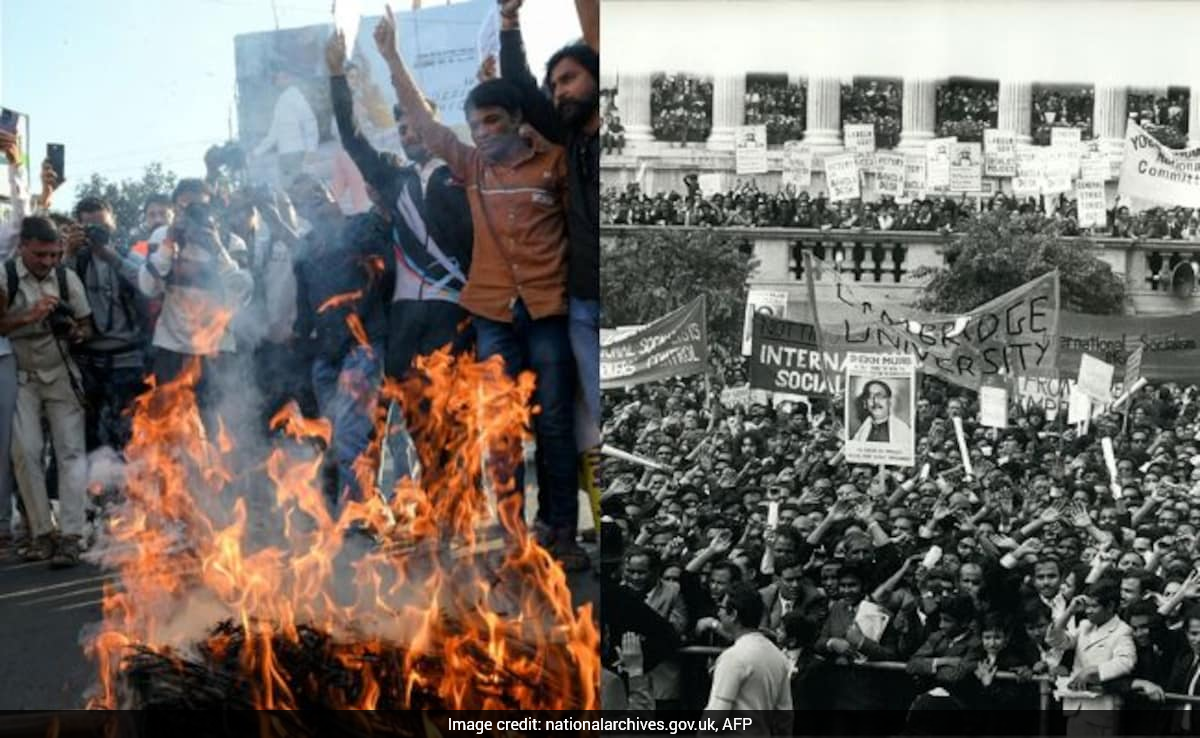
Story Of 2 Decembers: 2025 Feels Different From 1971 For India, Bangladesh
The death of radical leader Sharif Osman Hadi resulted in an unsubstantiated allegation against India behind the killing, and the Indian High Commissioner to Bangladesh was summoned.
-
Opinion | Why The Anti-India Rage In Bangladesh Makes Little Political Sense
Election time among most of our neighbours inevitably has an anti-India component these days. Such narratives are useful for the politically ambitious.
-
Opinion | In 'Dhurandhar', More Gang Wars Than Spy Wars
What Dhurandhar has in common with the other big Hindi hit of the year, Saiyaara, a romantic tale about a soft boy and his lost love, is great music and lack of pre release marketing hype
-
Opinion | The 'SHANTI' Bill Is A Radioactive Gamble With India's Future
The Bill shields foreign suppliers from being sued. It blocks citizens from the courts. It looks like a law written by the nuclear lobby, for the nuclear lobby.
-
Opinion | After Bondi Beach Attack, Some Hard Questions For The Muslim World
The Muslim ummah needs to confront the anger, denial and victimhood narratives that create the environment in which extremists begin to believe their violence is righteous.
-
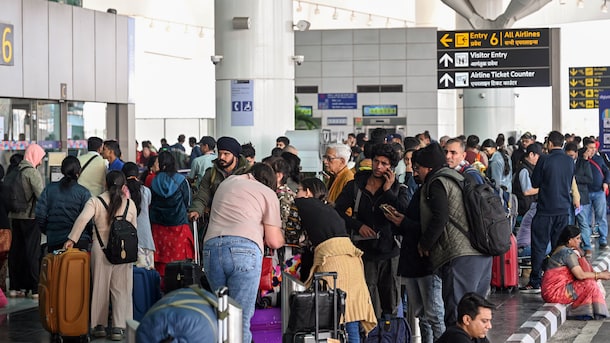
Opinion | India's Aviation Model Is Cracking Under Its Own Weight
When airlines strain against duty hour limits, when safety oversight suffers from understaffing, when passenger protection exists only on paper, the aviation system functions dangerously, accumulating risks that eventually manifest as crises.