Opinion | Nepal Needs $5 Billion To Rebuild. World's Climate Fund Doesn't Have Even 10% Of It
The fund caps support at USD 20 million per project; Nepal needs two hundred times that. And the board is not scheduled to sit until December.
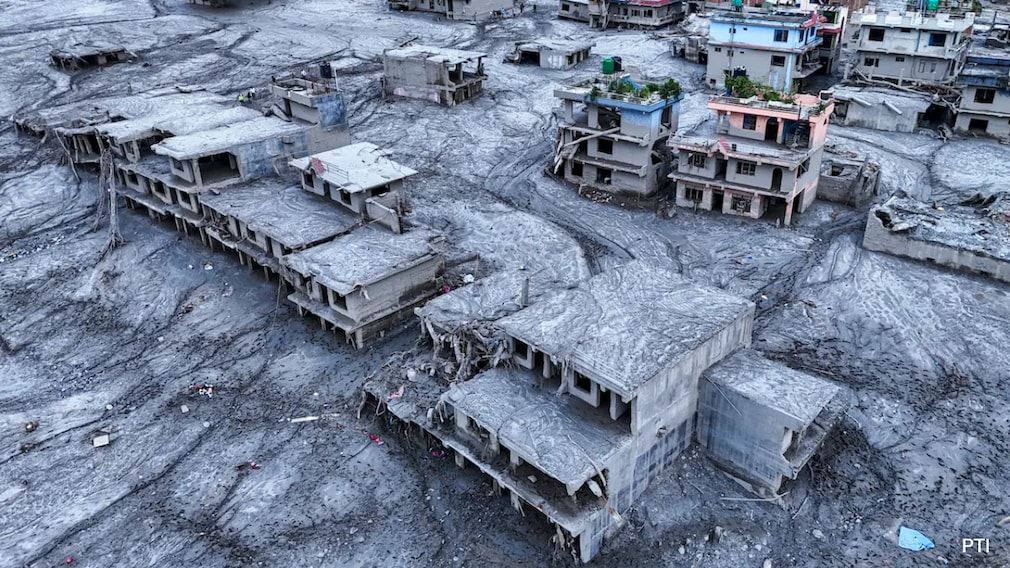
Nepal stands today on the frontlines of a climate emergency it did nothing to create. A wall of freezing water and debris, unleashed when a glacial lake burst high on the Tibet border on August 26, tore through the Bhotekoshi and Rasuwa valleys, killing more than a thousand people and leaving thousands still missing. Its glaciers are melting, its rivers are turning into weapons, and its communities are absorbing irreparable loss. Nepal is responsible for barely 0.1% of global greenhouse gas emissions. It did next to nothing to cause this crisis, yet it is bearing the full weight of it.
Kathmandu has formally called on the UN's Fund for Responding to Loss and Damage (FRLD) to expedite support for relief, rehabilitation, and reconstruction - the first country ever to pressure the new Fund in a moment of acute catastrophe. This is precisely the crisis that the fund was created to answer. And here is the bitter truth: it is almost an empty bucket.
Process And Punishment
Nepal's Finance Minister, Swarnim Wagle, estimates that rebuilding will cost between USD 4 billion and 5 billion, and warns that this figure is only preliminary. Set that against the fund meant to help. Of roughly USD 820 million pledged by wealthy nations, only around USD 350 million is actually available to spend - and not a single project has yet been approved. The fund caps support at USD 20 million per project; Nepal needs two hundred times that.
People are drowning in loss right now, yet the fund is bogged down by process. Kathmandu is begging for emergency help, but the board is not scheduled to sit until December. Let me say this plainly, as I have in negotiating halls for over twenty years: climate change does not wait for December board meetings, and neither can its victims.
I have spent more than two decades fighting for climate justice and for this fund to exist - through summit after summit where rich nations smiled, stalled, and rebranded delay as diplomacy. We won the fund at Sharm el-Sheikh in 2022 and forced governments to make it operational a year later in Dubai, because disasters like this one were coming. To see it starved of money at the very first true test is not just a technical failure. It is a moral one.
Liability, Not Charity
For over fifty years, fossil fuel companies and the developed nations that hosted them knew that reckless extraction and mindless industrialisation would one day become a Frankenstein's monster - and they buried the reports that said so. Nepal is not asking for a handout to salve rich consciences. As Nepal's Foreign Minister, Shisir Khanal, put it, the country is shifting its framework from "aid" to "justice and compensation" - this is "not a matter of charity; it is a matter of legal and moral liability". That distinction is the whole argument: accountability for a catastrophe manufactured elsewhere.
For years, the major polluters, led by the United States, bullied their way through the Paris Agreement by explicitly ruling out liability and compensation. Washington - the largest historical emitter - pledged a mere USD 17.5 million to the fund, then walked away from both the Paris Agreement and the fund's board altogether. The US and its allies wanted a system built on voluntary handouts they could switch off at will. That era is over.
The Paris Agreement may contain a loophole that shields polluters and refuses to utter the words "compensation" and "reparations", which is exactly what this is. But international law is not so squeamish. In its historic advisory opinion of July 23, 2025, the International Court of Justice held that states that breach their climate obligations owe full reparations for the harm caused. That gives countries like Nepal a legal instrument outside the UNFCCC's political theatre to hold major emitters to account under customary international law.
A Bold Step
Nepal's decision to name names - the US, China, and India - is a necessary rupture in climate diplomacy. It breaks a taboo that suited the powerful: the refusal to point directly at those responsible for historical and current emissions. Back in 2019, I was closely involved in a study by the Civil Society Equity Review that found the US and EU jointly responsible for 54% of the cost of repairing climate damage in the Global South. Weighing historical responsibility against capacity to pay, it estimated the US owes at least 30% and the EU 24% - against India's 0.5%.
So, while Nepal is right to press today's top emitters, we must first hold historical polluters - the US, the European Union, Japan, and others - to account.
This devastation is a tragic report card on the failure of the UN system. But it is not the system alone that stands accused. It is the stubbornness of developed countries that never seriously intended to cut emissions at home, nor to honour their obligation to finance climate action in developing countries. For three decades, their playbook has been the same: divide and conquer, shift the blame onto emerging economies, and delay the finance.
I am not saying abandon the UN. We need multilateral spaces more than ever. But we must stop letting them become 'expos' and 'marketplaces' where fossil fuel giants shop for profit at the expense of the poor.
The UN system must provide urgent finance to affected countries, rein in the polluters, and force them to pay for the damage as reparations. The core culpability rests with the wealthy nations that built their prosperity on fossil fuels and spent thirty years evading the bill. They failed to cut emissions, and they also failed to help the vulnerable survive.
Nepal's demand for climate justice is long overdue.
(Harjeet Singh is a climate activist and the Founding Director of the Satat Sampada Climate Foundation. He is also the Global Convenor of the 'Fill The Fund' campaign and Strategic Advisor to the Fossil Fuel Treaty Initiative)
Disclaimer: These are the personal opinions of the author
-
The Real Story Of France's Unrest Is Getting Lost In A Storm Of Online Lies

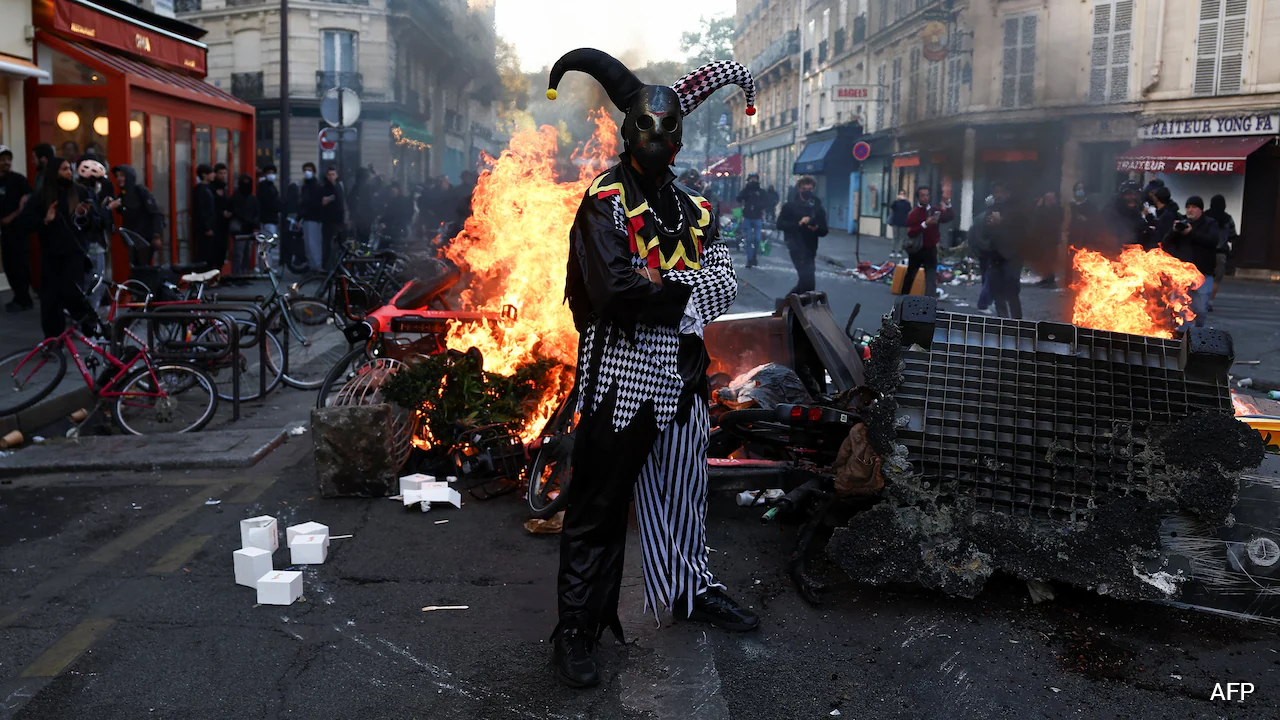
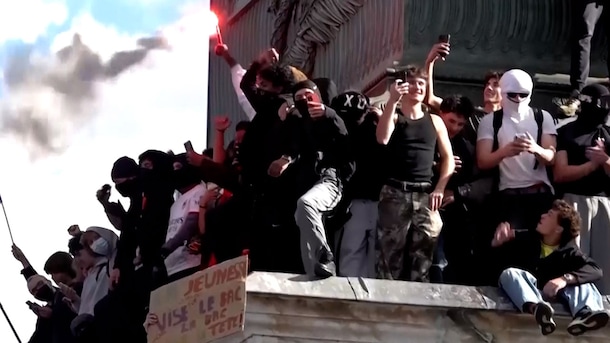
A man cosplaying Napoleon on the streets, looting at luxury fashion stores like Dior, France is currently confronting one of its most serious episodes of civil unrest in years.
-
Opinion | The Last Bet? What Trump's 'Mother Of All Bombs' Could Actually Do To Iran
Can an MOAB deliver a decisive blow to Iran that may force it to surrender immediately, as Japan did after Hiroshima and Nagasaki in World War 2?
-
Hit Songs, Empty Pockets: The Hidden Math Behind India's Viral Music Boom
Over 80,000 brands and five lakh creators in India make branded content. The opportunity is worth around Rs 1,500 crore.
-
Opinion | Great 'Exceptions': How The Oil India Was Attacked For Is The Oil Trump Now Seeks
A law written to punish the buyers of Russian oil was suspended by the US to protect a purchase of Russian oil. India spent fourteen months being lectured for less.
-
Opinion | Louis Vuitton Loot, Torched Cars: France Protests Have An Unlikely Beneficiary
It's an unbelievable moment. Crowds looting the most exclusive stores in Paris, including the famed Luis Vuitton. But what's behind this meltdown?
-
Blog: Kolkata Didn't Learn From 2015. Eleven Years Later, It Proved To Be Fatal
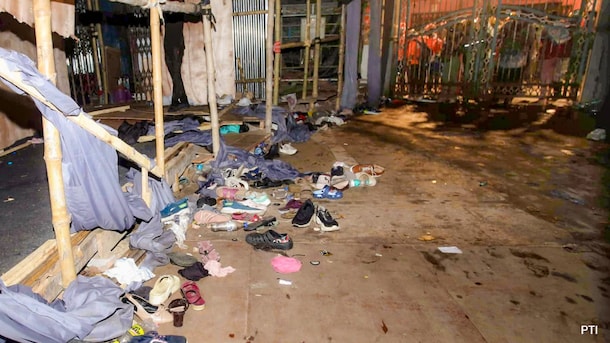
The City of Joy isn't a stranger to crowd control. Be it during Pujo or Christmas at Park Street, Eden Gardens cricket matches, or Derbies between Mohun Bagan and East Bengal. But during Pujo, the entire city is on alert.
-
Opinion | Slurs, Threats, Now A Temple Attack Plot: When Did America Become So Hostile To Indians?
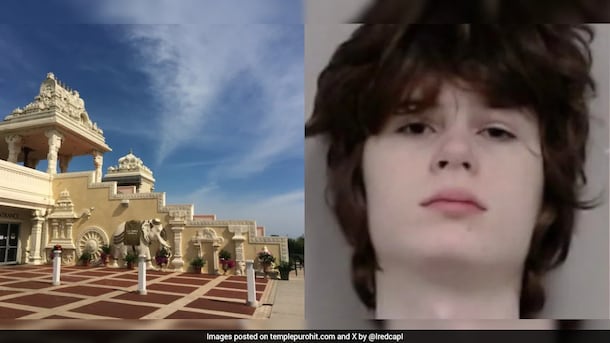
The rising tide of anti-India, anti-Hindu, and racist attacks serves as a stark reminder that economic prosperity does not automatically guarantee social immunity from bigotry.
-
A Step Behind Neha Bora: What Rahul Gandhi's Gesture Says About Congress' Gen-Z Pitch
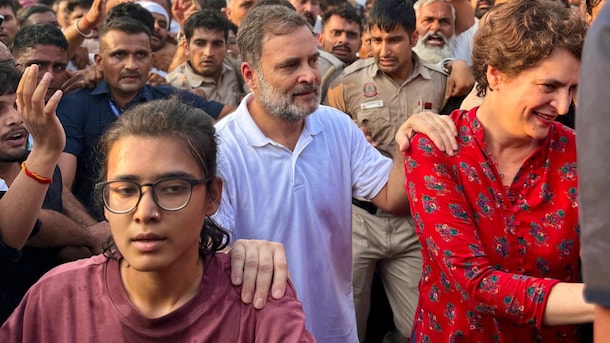
At INDIA bloc's march to Supreme Court, Rahul Gandhi placed himself a step behind two women, hands resting on their shoulders. One was his sister Priyanka. The one on his right was Neha Bora. Here's what the image means for the protest wave now, and for Rahul's politics in general.
-
Opinion | Imran Khan, And The Perils Of Having An 'Opinion' In Bollywood
The reality of the industry is quite grimy. More often than not, its inhabitants have been fairweather friends, happy to sing the praises of whoever is in a position of authority.
-
Exclusive: India's Food Safety Problem Goes Beyond Just Dirty Kitchens - By Tukaram Mundhe
On World Food Day, Maharashtra's Commissioner of Food Safety explains why instead of taking stopgap measures, the entire supply chain in India needs to be held accountable and made transparent.