Navigating the Tightrope: Why Putin's Visit Is A Masterclass In India's Foreign Policy
India's engagement with Russia is not without risks. Its decision to host the summit, nonetheless, and continue its trade ties despite overt disapproval from the West, is a clear exercise of strategic autonomy.
The visit of Russian President Vladimir Putin in New Delhi for the 23rd India-Russia Annual Summit is more than a routine diplomatic engagement; it is a powerful signal of continuity in a fracturing world. Amidst intense geopolitical headwinds, this meeting underscored the fundamental, mutually beneficial nature of the 'Special and Privileged Strategic Partnership' between the two countries and highlights India's unwavering commitment to strategic autonomy.
The summit produced a wide-ranging set of outcomes: a Vision 2030 roadmap for trade and technology, new energy and nuclear cooperation pledges, a landmark RELOS defence logistics agreement, and agreements on labour mobility, healthcare, food safety, and maritime training. But what was not apparent on the surface was arguably even more significant.
Unintended Outcomes
When Washington imposed sweeping tariffs and sanctions on Russia, the intent was clear: isolate Moscow, weaken its economy, and force compliance with Western demands. Yet, the global economy rarely behaves as policymakers intend. Instead of crippling Russia, these measures have accelerated its pivot eastward, with India emerging as one of its most vital partners. The unintended consequence is striking: US tariffs have not only failed to sever Russia's lifelines, they have strengthened India's leverage in global geopolitics.
The most visible impact has been in energy. Cut off from Western buyers, Russia began offering crude oil at discounted rates. India, with our vast and growing energy needs, seized the opportunity. Imports of Russian oil surged, helping India contain inflation and secure affordable energy supplies. For Russia, India became a crucial market; for India, Russia became a pragmatic partner. What was meant to punish Moscow instead created a mutually beneficial trade corridor. True, US sanctions on major Russian oil companies have finally led Indian importers to scale down their orders, but the trade corridor, once reinforced, can be used for other goods too.
Natural Partners
This is not merely about barrels of oil. It reflects a deeper strategic option. Russia, excluded from Western finance and technology, needs partners to import from, who can also absorb its exports and provide legitimacy. India, with its large economy and geopolitical weight, fits the bill. For New Delhi, the relationship reinforces its autonomy: sanctions have elevated India's importance to Moscow and accelerated its integration with Asia.
India's foreign policy has long been defined by balancing acts. During the Cold War, it championed non-alignment while maintaining ties with both superpowers. Today, it deepens cooperation with the US and its allies while preserving historic links with Russia. The Ukraine war has made this balancing act more delicate, but also more visible. India abstains from UN resolutions condemning Russia, expands energy imports, and simultaneously strengthens defence and technology ties with Washington. This duality is not hypocrisy; it is strategic autonomy in action, "multi-alignment" in practice.
A Tight Spot
India's engagement with Russia is not without risks. Deepening ties with Moscow could strain relations with the US and Europe, particularly if the current peace efforts do not succeed and the war drags on. There is also the danger of being seen as enabling Russia's resilience, which could invite diplomatic pressure. Navigating these risks requires careful diplomacy, clear communication, and a willingness to adjust as circumstances evolve.
Yet the opportunities are significant. By engaging with Russia while deepening ties with the US and Europe, India enhances its leverage. It demonstrates that it is indispensable to both sides, a swing state in global geopolitics. It also reinforces India's image as an autonomous actor, not a subordinate ally. In a world of shifting alliances, this autonomy is a strategic asset.
Three Pillars Of India-Russia Ties
The enduring relationship with Russia rests on three critical pillars, all of which are on the agenda for this high-stakes summit. Defence has always been the bedrock of India-Russia ties. Despite New Delhi's recent drive towards diversification and indigenous production, Moscow remains the primary supplier of India's military hardware. An estimated 60-70% of India's existing military inventory, from fighter jets and submarines to tanks, is of Russian or Soviet origin. This necessitates high-level political engagement to ensure a steady supply of spares, upgrades, and maintenance support, especially crucial for operational readiness. Some 45% of our defence exports therefore still come from Russia.
Though no major new strategic acquisitions were announced, the finalisation of a military logistics-sharing pact, the RELOS agreement, will further deepen operational cooperation. Among other things, it grants India access to Russian Arctic facilities. Defence Minister Rajnath Singh's reaffirmation of the "steady" cooperation "despite the geopolitical uncertainty" sends an unmistakable signal that New Delhi views Russia as a time-tested and essential security partner.
The summit has also reshaped the two countries' trade dynamic, making economics a central focus. The India-Russia Economic Cooperation Programme now aims for $100 billion annual trade by 2030, and progress was reported toward a Free Trade Agreement with the Eurasian Economic Union. The greater use of national currencies (Rupee-Ruble) in settlements would facilitate greater Indian exports to Russia. Discussions on de-dollarised payment systems, potentially linking India's RuPay with Russia's Mir network, and exploring a BRICS-based payments corridor are ongoing to ensure trade can continue unhindered. Russian imports from us are actually lower than they were in 1992, when the West first opened up to Russia after the Cold War. With doors slamming in the West, it is time for Russians to look afresh at what India has to offer.
Russia reaffirmed uninterrupted fuel supplies to India (to the extent Indian companies seek to purchase from Russia); collaboration on civil nuclear energy, including small modular reactors and floating nuclear plants, was announced. The two countries pledged cooperation on critical minerals to diversify supply chains. Significantly, "mobility agreements" were reached on Temporary Labour Activity and combating irregular migration, creating safer legal frameworks for workers.
Autonomy Above Everything Else
Putin's visit offers observers a masterclass in New Delhi's foreign policy of multi-alignment. India is walking a diplomatic tightrope, preserving its Cold War-era friendship with Moscow while simultaneously deepening its strategic and economic partnerships with the US and the West in the Indo-Pacific. India's decision to host the summit and continue its trade ties, despite overt disapproval from the West, is a clear exercise of strategic autonomy. It demonstrates that India will pursue its national interest, securing its essential needs, regardless of external pressures.
For Russia, strengthening ties with India is crucial. It acts as an important counterweight to Moscow's increasing dependence on Beijing, allowing Russia to maintain a wider Asian engagement and ensuring it remains a significant player in the broader geopolitical landscape.
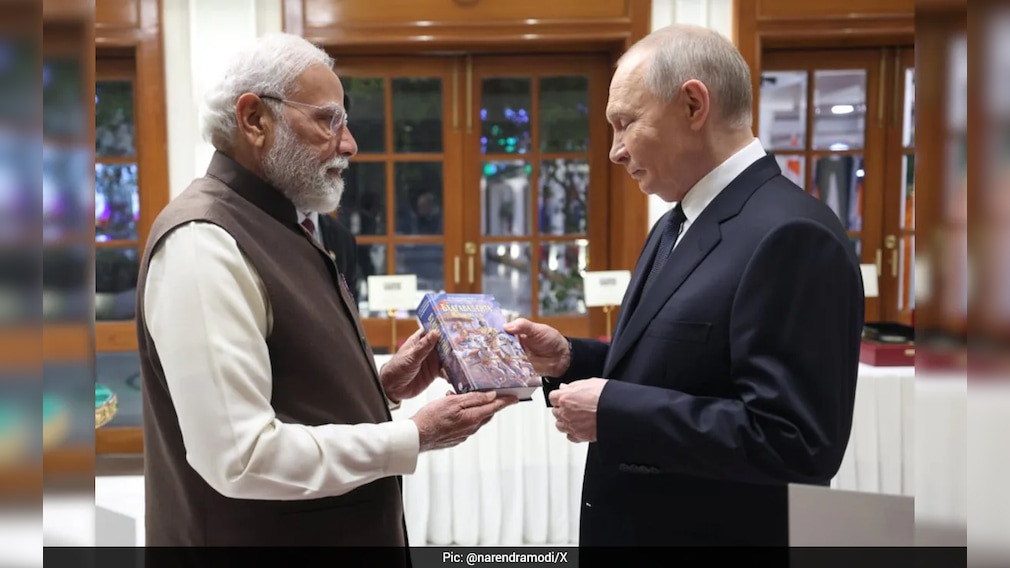
The 23rd Annual Summit, though full of feel-good moments (Modi receiving Putin personally at the airport, taking him home for a private dinner in his own car and gifting him a Gita in Russian) was not about nostalgic rhetoric; it was about recalibration and resilience. It is a recognition by both sides that while the global order has shifted, their core national interests continue to align. India needs the "Russian option" in defence equipment and affordable energy; Russia needs a reliable, major economic and strategic partner outside the West.
As the leaders parted, the key takeaway was that the India-Russia relationship is strategic and not simply transactional. President Putin's visit confirms that, for New Delhi, protecting its strategic autonomy means keeping all channels open. At the same time, an eight-decade-old partnership has been reinforced with actual deliverables rather than just symbolic declarations. The summit underscored practical cooperation while signalling that India-Russia ties remain resilient despite global turbulence.
(Shashi Tharoor has been a Member of Parliament from Thiruvananthapuram, Kerala, since 2009. He is an author and a former diplomat)
Disclaimer: These are the personal opinions of the author
-
China's Eyes In Space Exposed US War Machine Before 1st Bomb Fell In Iran War

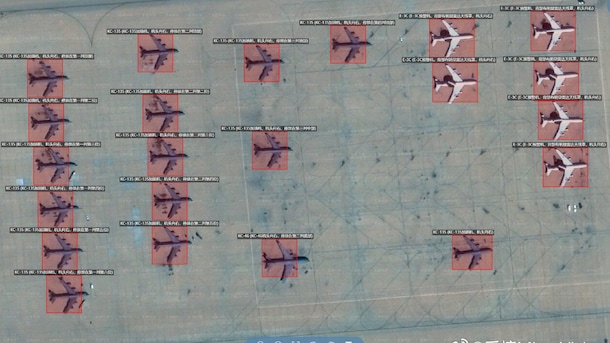
The pictures showed aircraft parked on runways, transport planes arriving at desert airfields and carrier decks crowded with fighters somewhere in the Mediterranean. Yet each image carried an unusual level of detail -- not in English, but in Mandarin.
-
Opinion | Is The Gulf Now Questioning Its US Ties - And The American 'Guarantee'?
Doubts are bound to follow if even the US, the mightiest of the militaries and with 13 major military bases in the region, could not protect it against only one opposing nation - Iran.
-
Opinion | The Country That Buys 90% Of Iran's Oil Is Still Not Panicking. Here's Why
Beijing has spent two decades preparing to answer: what happens when the Strait of Hormuz closes?
-
With Missiles Carrying 1,000 kg Explosives, A New Tactical Phase For Iran
Iran dropped a bombshell on Sunday after a senior Revolutionary Guard commander vowed to only launch missiles with explosives of 1,000kg or more
-
The Beast Of Kandahar: How One Captured Drone Changed Modern Warfare
One December day in 2011, a Sentinel mission ended in a moment that would reshape the global drone arms race. Instead of returning to its base in Afghanistan, the Sentinel landed inside Iran.
-
Trump Started War Against Iran. He's Still Figuring Out How It Ends
The US-Israel campaign began with coordinated strikes in Tehran and the killing of Iran's Supreme Leader Ayatollah Ali Khamenei on the first day.
-
Opinion | A $10 Billion Threat: How Exposed India Really May Be To Middle East's Oil Crisis
Every $10 increase in the price of Brent crude could widen India's current account deficit by roughly 0.3 to 0.4% of GDP, translating into over USD 10 billion in additional import expenditure.
-
Opinion | Iran-Israel War And The Limits Of India's 'Strategic Autonomy'
India needs to figure out how to manage the fallout of the Middle East crisis without letting strategic autonomy start to look like a slogan.
-
Opinion | Can A Gen Z-Influencer-Rapper PM Really 'Change' Nepal?
Observers say it's high time the former mayor evolved and grew, as well as became more mature, diplomatic and friendly with journalists, opponents and, most importantly, friendly neighbours like India and China.