Opinion | A Humbled Trump Is Now 'Demanding' Help From Friends
The Hormuz 'coalition' was never going to take off. Why, after all, would America's allies want to participate in a crisis not of their making?
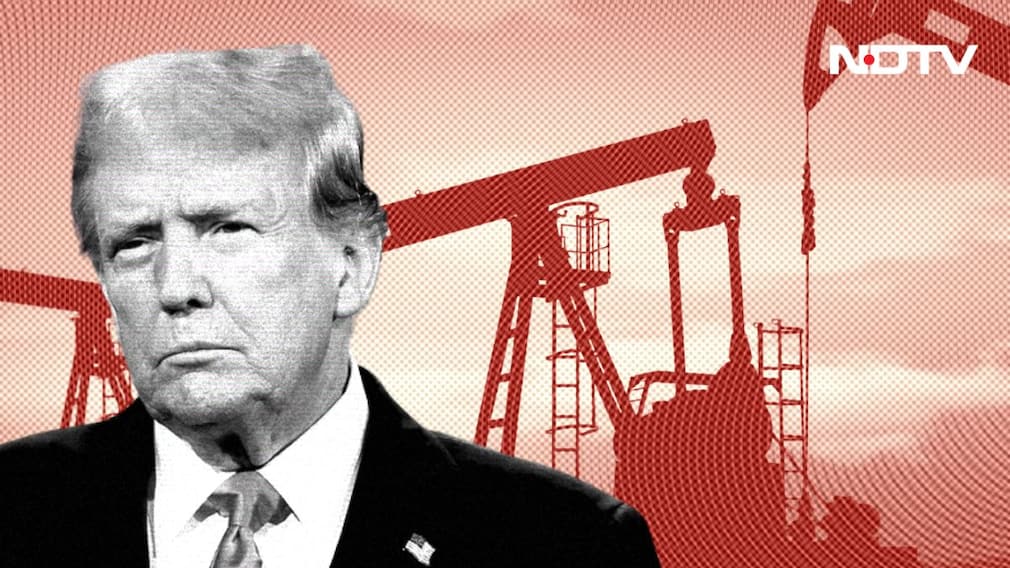
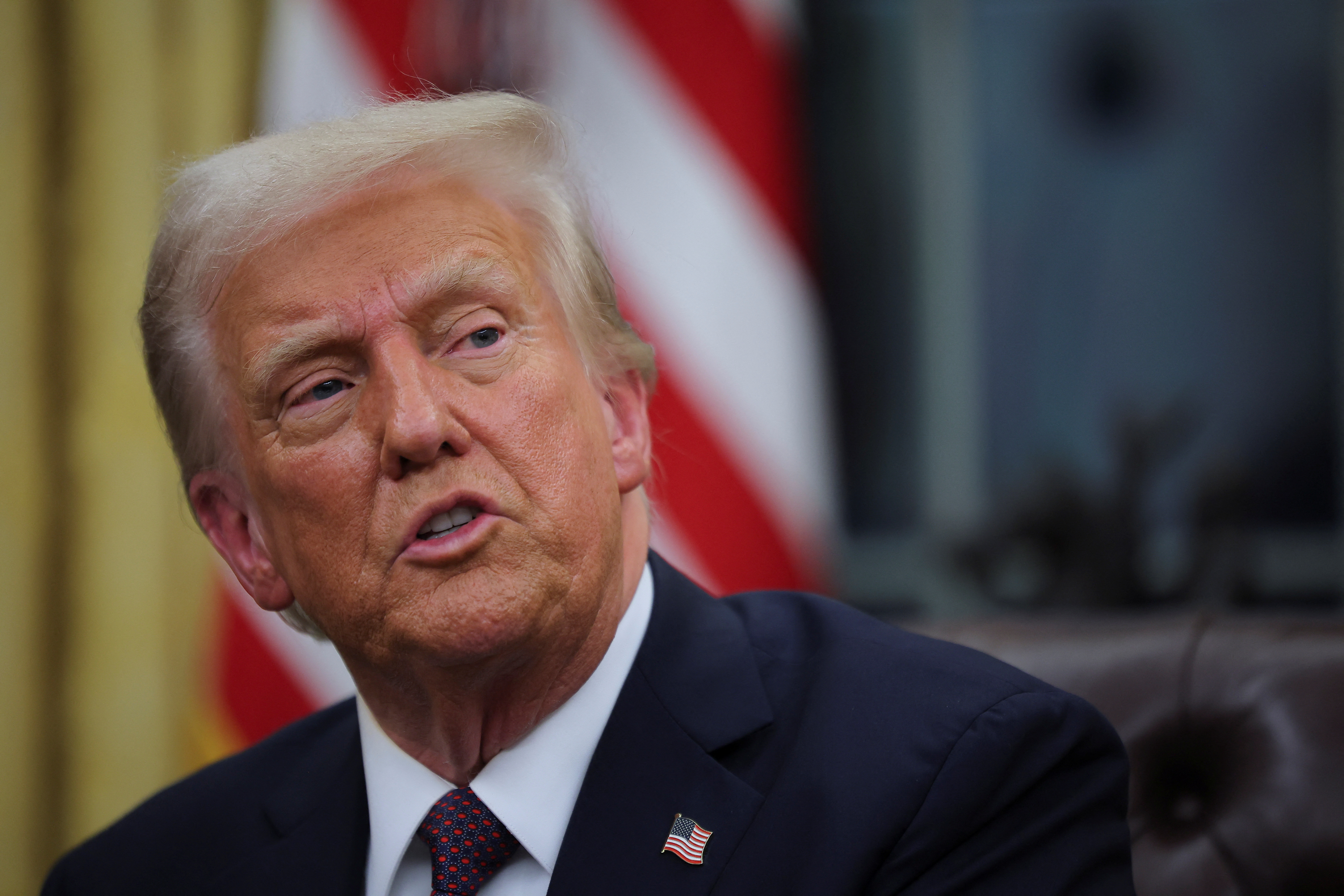
US President Donald Trump's attempt to mobilise a broad-based multinational naval coalition to secure the Strait of Hormuz reflects a familiar tension in contemporary geopolitics: the gap between American expectations of burden-sharing and the willingness of partners to assume risk in crises not of their making.
Despite Washington's sustained exhortations - directed at key energy-dependent actors such as Japan, South Korea, European NATO members, and even China - there has been little by way of tangible response. No meaningful allied naval deployments have materialised. This hesitation is not accidental; it is rooted in both strategic calculation and political discomfort.
Iran's Calculated Moves
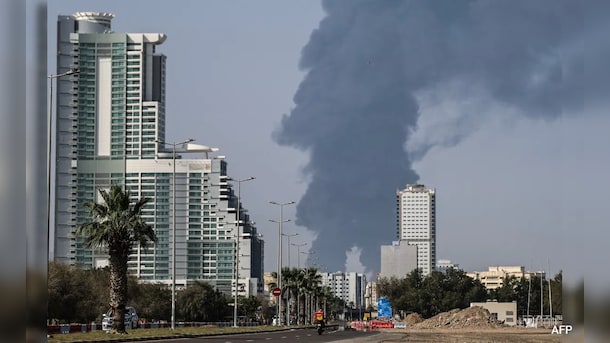
Iran, for its part, has avoided the escalatory optics of a formal blockade while effectively transforming the Strait into a selective chokepoint. By allowing relatively unhindered passage to countries it does not view as hostile - such as China, India, and Turkey - while complicating transit for US-aligned states through asymmetric tactics, Tehran has engineered a calibrated disruption. The result is a partial paralysis of a waterway that carries nearly a fifth of global oil flows. This has driven up prices and disproportionately burdened Western economies.
Against this backdrop, Trump's emphasis on burden-sharing appears less a strategic innovation and more a necessity born of constraint. His argument, that countries reliant on Gulf energy should "protect their own interests", has been framed in transactional terms. Yet this framing has failed to resonate. Instead, it has reinforced perceptions of an America seeking to externalise the costs of a crisis it helped precipitate.
The reluctance of partners is also tied to the origins of the confrontation. The strikes against Iran - undertaken by the United States and Israel - were not preceded by extensive coalition-building or diplomatic groundwork. Consequently, many allies interpret the unfolding situation as a narrowly conceived strategic venture rather than a collective security challenge. European capitals, including Berlin and Paris, have been explicit in distancing themselves, underscoring that this is not a NATO mandate.
A Risk-Riddled Sea
Operational realities further compound the problem. The Strait of Hormuz is not merely a transit corridor; it is a highly contested maritime environment where Iran's asymmetric capabilities - mines, drones, missiles, and fast-attack craft - can impose high costs. For many states, the prospect of deploying high-value naval assets into what could quickly become a "kill zone" is strategically untenable, particularly in the absence of overwhelming force or a clear political objective.
Domestic politics also matters. In countries like Japan and South Korea, heavy dependence on imported energy has not translated into strategic assertiveness. Instead, it has heightened sensitivities about entanglement in external conflicts. Public opinion remains cautious, if not outright resistant, to military involvement. European governments, still shaped by the legacies of prolonged interventions, are similarly disinclined towards escalation.
Despite its deep energy stakes in the Gulf, China, too, has shown little appetite for alignment with the US-led initiative. Participation would not only risk entanglement in a volatile theatre but also signal strategic convergence with Washington at a time of intensifying rivalry.
Demanding, Not Asking For Help
Trump's rhetorical approach has arguably aggravated these structural constraints. Public admonitions about the "ingratitude" of allies, warnings of consequences for NATO, and ultimatums directed at partners have produced defensiveness rather than solidarity. In international politics, coercive persuasion rarely substitutes for prior consensus-building.
Iran, meanwhile, has exploited these fissures with notable dexterity. By ensuring that not all stakeholders are equally affected, it has reduced the incentive for collective action. Those less impacted see little reason to incur risks to restore flows that primarily benefit Western economies.
What emerges is a picture of strategic misalignment. The US seeks coalition support for a crisis shaped by its own unilateral choices, while its partners weigh costs, risks, and political optics - and largely opt for caution. Trump's optimism about eventual support sits uneasily with the reality that, without a shift in approach, the burden will remain disproportionately American.
In that sense, this episode underscores a broader lesson: coalition-building cannot be improvised in the midst of a crisis. It requires prior legitimacy, shared ownership, and a clear articulation of common stakes - elements that, in this instance, appear to be in short supply.
(Harsh V Pant is Vice President, Observer Research Foundation, New Delhi.)
Disclaimer: These are the personal opinions of the author
-
From His Turf To Her Fort: Big Signal In Suvendu Adhikari's Bhabanipur Dare

Suvendu Adhikari defeated Chief Minister and Trinamool Congress leader Mamata Banerjee in Nandigram last time
-
In Numbers: The Curious Reason Iran Eased Down Its 'Drone Swarms' After March 9
Based on the data compiled, we can bucket the strike pattern broadly into three distinct phases: an initial 'saturation' attack, a sustained drone attrition campaign, and a sudden decline in attack intensity.
-
Board Of Peace In Theatres Of War: Where Is Trump's Project As Gaza, Iran Burn?
The argument will be the Board was not set up for matters relating to Iran, that the claimed focus of the bloc was Phase 2 of the Israel-Gaza ceasefire deal from October 2025.
-
Opinion | Why A TVK-NDA Alliance Is Just A BJP Fantasy
Politics is no stranger to unlikely alliances. But such "strange bedfellows" typically emerge after elections, when numbers dictate necessity.
-
NDTV Exclusive: Rifle, Tactical Gear And A Long Wait - Inside The Kill Of A Ukrainian Sniper
NDTV caught up with a sniper from the Second Corps "Khartiia" of the National Guard of Ukraine, Brigade Raid, special operations sniper unit, who spoke about the realities of the job.
-
Opinion | Amateur 'Advisors', Ignored Generals: How Trump Shunned Protocol To Launch Iran War
Recordings obtained by the Arms Control Association suggested that Witkoff misunderstood key technical aspects of Iran's nuclear programme.
-
Turning The Other Cheek: While Missiles Fly, UAE's Gamble On Restraint
Over the past 17 days Tehran has fired around 1,600 drones, including the infamous Shahed, nearly 300 ballistic missiles, and 15 cruise missiles at military and civilian targets in the UAE.
-
Opinion | 4 Leaders In Congress Are Vying For One Job - And None Is Ready To Step Aside
'Three Musketeers' in the Kerala Congress - and an unexpected fourth - are quietly redrawing the contest in Kerala.
-
Opinion | Trump And His America Are Fast Losing Touch With Reality
What is the guiding logic of the rather brash turn in American foreign policy? It is all too easy to box Trump as an irrational player, but frankly, it is a bit of an analytical copout.