










When the Kingdom of Saudi Arabia signed the Strategic Mutual Defence Agreement (SMDA) with Pakistan, a number of members of Iran's Strategic community had expressed optimism. Since the agreement had followed Israel's first and unprecedented attacks on Qatar - even if on Hamas members it alleged were being sheltered there - these strategic thinkers felt it would strengthen anti-Israel cooperation and alliance in the region. Some in Iran even expressed willingness to join the alliance, as just a couple of months prior to the SMDA, Iran had fought its first direct war against Israel. It had ended in a stalemate, but it put Iran on notice. No longer was the conflict between the two adversaries in the shadows, fought through proxies. Now, any confrontation would be direct.
The current war - named Operation Epic Fury and Roaring Lion by the US and Israel, respectively, has laid that optimism to rest. Since the early days of the war, American media have reported that Saudi Crown Prince Mohammed bin Salman (MBS), the de facto power behind the throne, had been urging the US to go to war with Iran. In public posturing, though, the kingdom has struck a different note. It has called for diplomacy, for easing of tensions between the Kingdom and Iran.
A Decades-Old Problem
For Saudi Arabia, as indeed for other states of the Gulf Cooperation Council - UAE, Bahrain, Kuwait, Oman and Qatar - Iran has been a threat since the Islamic Republic was born in 1979, and whose ideology and motto has been to import the Revolution.
The Gulf monarchies are one of the last absolute monarchies in the world. Regime survival is prioritised over everything else. Over the decades, Iran has been a challenge to Saudi leadership of the Muslim world, with its support for Palestinians, the import of its ideology, and by propping up proxies in neighbouring Arab countries. Even though Shiites constitute only 13-15% of the entire Muslim world, Iran, with its strategically located proxies, was able to create the Shia crescent, stretching all the way from Iran through Iraq, Lebanon and into Syria. Today, Syria is back in the Sunni fold, but the Saudis have the Houthis close to their borders, with Yemen on one hand and the Popular Mobilisation Forces of Iraq on the other - both of them Iran's proxies. Moreover, though Saudi Arabia is overwhelmingly Sunni, it has a Shia population inhabiting the very sensitive region where its oil wells are located.
Iran Can't Be Underestimated
At the same time, Iran, which has been under major sanctions for decades, has proved how battle-hardened it is, first through its eight years of war with Iraq, later with the proxy wars it fought with the US and Israel, and now in its direct confrontation with both. The Saudis and Emiratis, however, having invested billions of dollars in procuring expensive and modern weapons systems, have practically lost their military campaign against the ragtag Houthis of impoverished Yemen, who have even succeeded in targeting Saudi Aramco.
The 2023 "truce" between Iran and Saudi Arabia, brokered by China, had been a moment of great hope. In hindsight, however, it was only a camouflage for the deep-seated suspicion and the great trust deficit between the two.
The Post-Oil World
For the Saudis and the Emiratis, the prime concern now is the pursuit of development for a post-oil world. The UAE began earlier, positioning Dubai and Abu Dhabi as the cities of the future, as important trade and logistics hubs and as finance and tax havens. For the Saudis, it is Vision 2030 - moving to a non-oil economy to accommodate the large youth population, and focusing on creating an economy driven by tourism, projects like the NEOM city, IMEC connectivity and logistical hubs, AI, etc. Constant conflict and the threat of war is a major obstacle to these plans. The Hamas-Israel war, beginning from 2023 October, has been an irritant, and the non-settlement of the Palestinian issue has only played up the ineffective Arab role in the region. Instead, it was the Houthis and Hezbollah - Iran's proxies - who intervened on behalf of Palestinians and demonstrated their ability to disrupt global trade along the Red Sea by closing the Bab-el-Mandeb, a vital waterway for Saudi and Emirati shipping. It is possible that these considerations were at play when, as per the first New York Times report, the Saudi purportedly urged the US to launch an attack on Iran.
Now, after the war has actually begun, the Saudis and Emiratis realise just how insecure their defence proximity to the US has rendered them. For decades, their security has been tied to the US, but there is no defence pact between them that would activate American involvement should the Arabs go to war. Neither did the US care to inform them when it went to war with Iran.
The Gulf Is The Biggest Victim
Both the Emiratis and Saudis, as well as other Gulf countries, soon found themselves the target of Iranian reprisals. In fact, on the very first day the war began, the Dubai airport, its iconic Burj Al-Arab hotel, the landmark Palm Jumeirah, and Jebel Ali port were hit by missiles from Iran or by debris from those intercepted. The Iranians say they cannot target the US, so they are targeting US bases in the region, which are spread across the six Gulf states, including in Saudi Arabia and the UAE.
The latest statistics show that the GCC states have been on the receiving end of 4,391 Iranian drone and missile attacks - an astonishing 83% of the total fired. Israel, on the other hand, has been the recipient of just 17% of the total fired. Of them, the UAE has suffered the maximum number of attacks - 2156 times - perhaps also because of its close relations with Israel. Saudi Arabia has dealt with 723 drones and missiles, and has suffered two deaths and several injuries. Alongside this, Iran's proxies in Iraq have also been targeting some of the Gulf countries and Jordan.
Recently, Saudi Arabia, the United Arab Emirates, Qatar, Kuwait, Bahrain and Jordan released a joint statement demanding that Iraq act immediately to stop attacks from its territory by armed pro-Iran groups. Earlier, they had also got the UN to pass a resolution condemning Iran's "egregious" attacks on critical infrastructure.
A Fear Of The Future
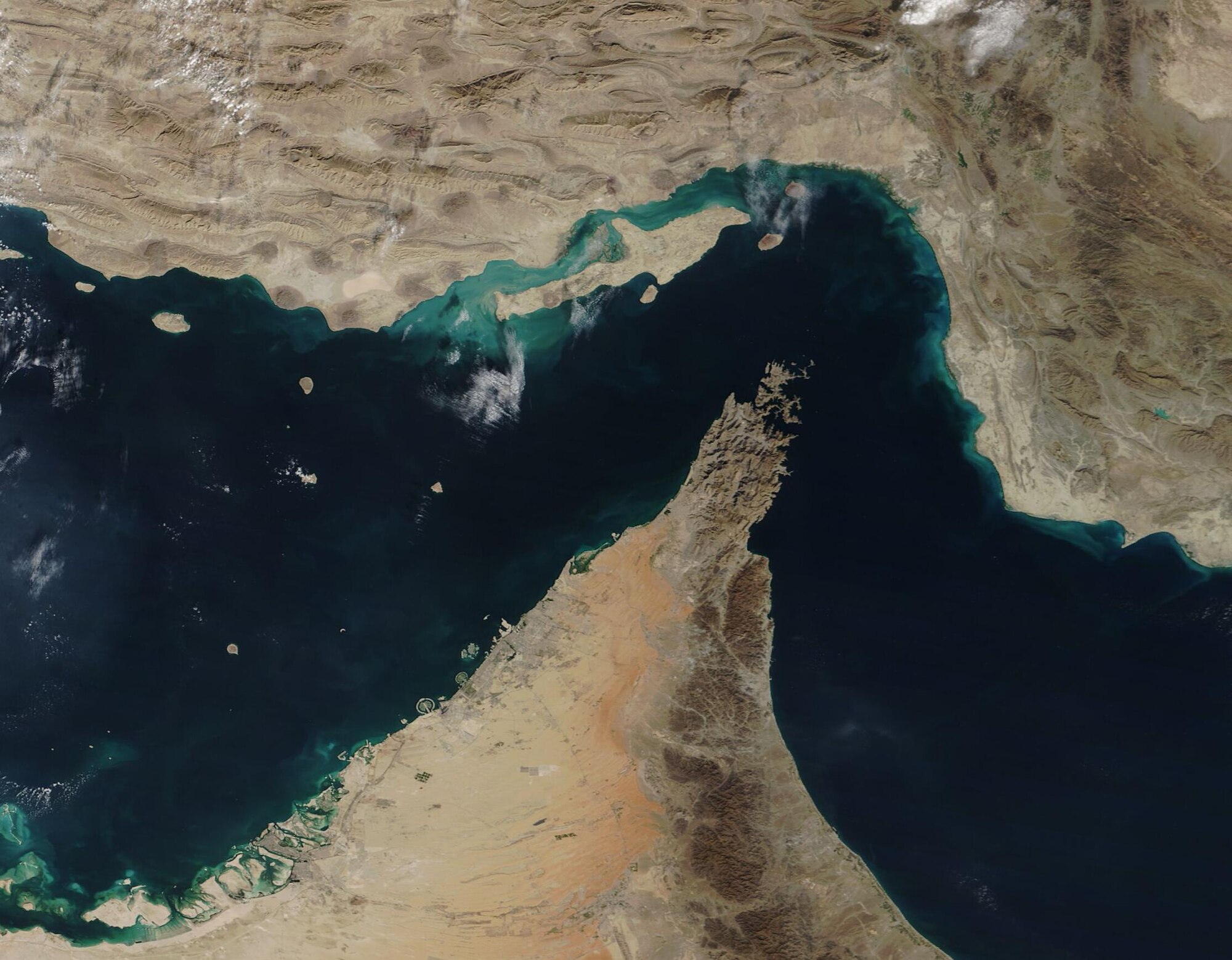
Such attacks are damning for these countries. The targeting of Saudi Arabia's Ras Tanura oil refinery, Aramco facilities and the Shaybah oil field by Iran has already resulted in losses of millions of dollars. The closure of the Strait of Hormuz has also made the Saudis and Emiratis unable to export much of their oil, gas, fertilisers, and other petrochemicals. The collateral damage has further caused them reputational damage, denting their image as financial and tax havens. Safety and stability are vital for Gulf economies. In an article for Arab News, Dr Abdel Aziz Aluwaisheg, GCC assistant secretary-general for political affairs and negotiation, wrote, "The most urgent priority is to stop Iran's attacks on GCC energy targets and allow the transit of oil and gas shipments through the Strait of Hormuz. The disruption of energy supplies has wreaked havoc on the global economy and caused colossal losses for many countries that are not connected with the war. Threatening the flow of trade through this passageway is a clear violation of the UN Convention on the Law of the Sea."
Meanwhile, even as Iran bleeds and burns, it is still standing; the regime, despite numerous losses, is going strong, and it is giving as good as it gets. The US is now being seen as having openly prioritised Israel's security over that of its Gulf allies. Trump's recent statements and reports of the US seeking negotiations only point to the fact that America can withdraw from the war just as suddenly as it had begun it. And the Saudis and other Gulf countries would be left to face the music, with an angrier, fiercer, and possibly more avenging Iran, and its proxies. This may explain the more recent reports that Saudi Arabia and the UAE now want the war to continue - and that the Kingdom, along with the UAE, are willing to put boots on the ground.
Time will show how things pan out for both Iran and Saudi Arabia. But one thing is certain - close alignment with the US in defence and security could not guarantee the Gulf monarchies protection from Iran's wrath.
(The author is a senior journalist)
Disclaimer: These are the personal opinions of the author


