Why The Current LPG Crisis Is More Than Just A 'Supply Chain' Hiccup
In 2013-14, India imported roughly 77% of its crude oil requirements. By 2025, rather than insulating ourselves, we saw that figure climb to over 85%.
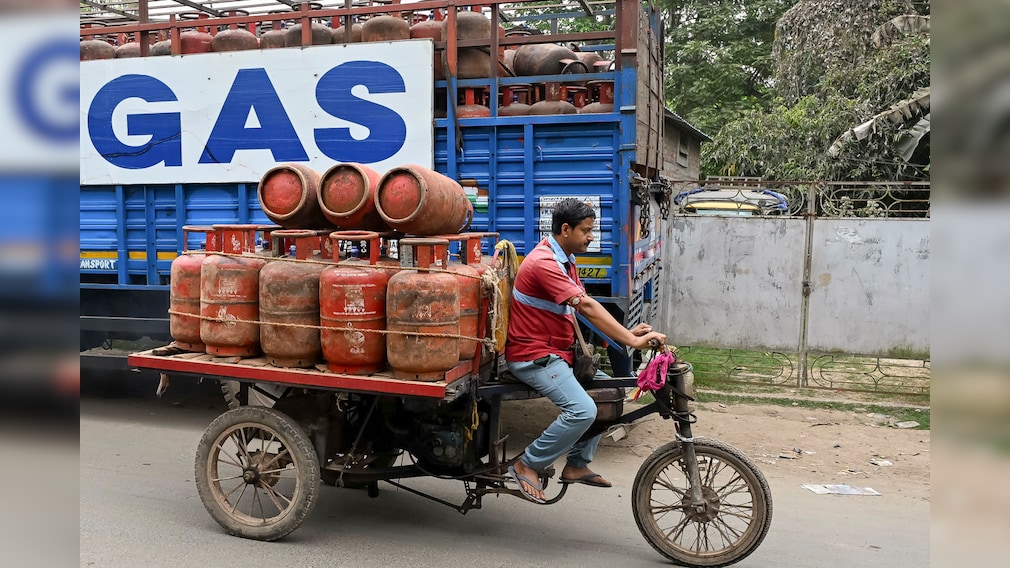
For decades, the blue flame of the LPG stove has been the quiet symbol of India's developmental progress. From the smoke-filled kitchens of the rural heartland to the high-rises of Mumbai, the transition to Liquefied Petroleum Gas was heralded as a victory for public health and women's empowerment. But in March 2026, that flame is flickering. As geopolitical tensions have effectively choked the Strait of Hormuz, the "energy security" we thought we had bought with global contracts has evaporated.
The current crisis is more than a supply chain hiccup. It is a fundamental wake-up call. India can no longer afford to tether its domestic stability to the volatile geography of the Persian Gulf. The only path to true sovereignty is a dramatic acceleration of solar energy production, a strategic expansion of nuclear power, and a decisive pivot away from the trap of imported fossil fuels.
A Strategic Liability
The numbers tell a story of deepening vulnerability. In 2013-14, India imported roughly 77% of its crude oil requirements. By 2025, rather than insulating ourselves, we saw that figure climb to over 85%. Liquefied Natural Gas (LNG) imports during the same period shot up from 30 to 47%. More critically, about 90% of those LPG imports transit historically through the Strait of Hormuz. When that single maritime chokepoint closed on March 1, 2026, the ripple effect was instantaneous: prices for a standard 14.2 kg cylinder surged past ₹900 in Delhi and reportedly hit ₹4,000 on the black market in some states.
This is not just an economic burden; it is a strategic liability. Every $10 increase in the price of a barrel of oil adds billions to our import bill, fuelling inflation and draining the forex reserves needed for infrastructure. While the government's short-term fixes - sourcing from Norway and the US or issuing 'Essential Commodities' orders - are necessary, they are akin to putting a bandage on a severed artery. We are paying a "dependency tax" that grows more expensive with every regional conflict.
Clever Sourcing
True, we have attempted to mask this vulnerability through clever sourcing - buying discounted oil from Russia between 2022 and 2025 and increasing intakes from the US and Latin America, especially after Venezuelan oil came on stream with the decapitation of the Maduro regime in January this year. However, the fundamental reality remains unchanged: India is more import-dependent today than it was a decade ago. In a world where supply shocks are becoming more frequent and unpredictable, tactical manoeuvres like ethanol blending and petroleum reserves are mere buffers. They are not the structural solutions the nation requires.
Here Comes The Sun
The most immediate solution is staring us in the face, radiating from the 300 sunny days India enjoys annually. To break the cycle of dependency, we must treat solar energy not as a "green alternative" but as a national security imperative. If we must reduce our dependence on oil and gas imports, the answer lies principally overhead.
The LPG crisis must catalyse a "Solar-to-Stove" revolution. We have spent years expanding the LPG network through the Pradhan Mantri Ujjwala Yojana; now, we must pivot that administrative machinery toward induction cooking powered by rooftop solar. By decentralising energy - allowing households to become "prosumers" who generate their own power - we can create a resilient grid that is immune to maritime blockades and foreign price hikes.
The recent 2026 pilots by the Delhi and Uttar Pradesh Electricity Regulatory Commissions for blockchain-based P2P solar trading offer another glimpse into the future. By allowing a homeowner in Noida to sell surplus solar power directly to a neighbour or a small business in Delhi, we create a resilient, distributed grid that is immune to maritime blockades. A decentralised energy economy is a secure energy economy.
The 'BESS' Framework
The critics of solar often point to its intermittency - the "what happens when the sun goes down?" argument. The answer lies in the Gujarat Hybrid Renewable Energy Park and similar mega-projects that combine solar, wind, and Battery Energy Storage Systems (BESS). We must treat the development of domestic battery manufacturing with the same urgency we once reserved for nuclear self-reliance. However, a modern industrial economy cannot run on intermittent sunshine alone. If solar is the sword of our energy independence, nuclear power must be the shield. To achieve true "Baseload Security", India must dramatically scale its nuclear ambitions upward as well.
Nuclear energy offers a high-density, carbon-free source of power that operates independently of weather conditions. By accelerating the deployment of Small Modular Reactors (SMRs) and moving toward the thorium-based fuel cycle - utilising India's own vast thorium reserves - we can provide the steady, massive electrical output required to power the heavy industries and refineries that currently rely on imported gas. Nuclear power provides the "always-on" foundation that allows a solar-heavy grid to remain stable. Solar for the household and nuclear for the industrial user: this is the combination that will wean us off our crippling dependence on the Strait of Hormuz.
Looking Within
While we transition to a renewable-and-nuclear future, we must also address the "Energy Intermediate" gap. True security is not just about the raw crude; it is about the value chain. India needs to rethink its strategy by developing domestic energy supply intermediates - refined fuels, chemicals, and gas-based inputs.
Expanding our domestic refining capacity and integrating petrochemicals will help buffer against disruptions. By establishing robust domestic value chains and expanding storage infrastructure for these intermediates, we mitigate the risks associated with fluctuating oil prices. This creates a "shock absorber" within our economy, ensuring that even when global markets convulse, our domestic industry does not grind to a halt.
Critics often argue that the transition to a solar and nuclear-heavy economy is too capital-intensive for a developing nation. The 2026 crisis has definitively debunked that myth. What is truly expensive is a closed Strait of Hormuz. What is expensive is a 50% spike in Brent crude that drains our forex reserves and fuels domestic inflation. What makes us vulnerable is when a conflict we had nothing to do with suddenly upends our most vital economic indicators. What we are currently paying is a "dependency tax" - a levy paid in both currency and sovereignty. Every dollar spent on importing oil and gas is a dollar that is not being invested in Indian innovation or infrastructure.
The 2026 LPG crisis must be the catalyst for a strategic reset. We can no longer afford the "imported stability" of the last decade. The crisis is a painful chapter, but it can be the first page of a new story for India. We have the technology, the sunlight, and now, the undeniable motivation. Let this be the year we decide that the energy powering an Indian home should come from an Indian roof, not a foreign well. A sovereign India must be an India that generates its own power. By aggressively scaling solar for the masses, anchoring our grid with nuclear energy, and fortifying our domestic refining intermediates, we can ensure that the next time a global chokepoint is threatened, the lights in India stay on and the kitchens stay warm.
The sun is rising, and the atom is ready; it is time we finally claimed our energy destiny.
(Shashi Tharoor has been a Member of Parliament from Thiruvananthapuram, Kerala, since 2009. He is a published author and a former diplomat.)
Disclaimer: These are the personal opinions of the author
-
Opinion | Bihar Assault, Hisar Marriage Ban: Who'll Stop The Guardians Of Indian 'Culture'?

Why exactly does the sight of a young couple seeking a bit of alone time somewhere tend to particularly provoke a certain kind of Indian men?
-
Opinion | The Trump-Xi Summit, And India's Many Worries Of Its Own
Washington and Beijing may have chosen coexistence over confrontation. For India, that could be both a relief and a warning.
-
Opinion | China Claims It Has Cut Troops At The Indian Border. But The Math Doesn't Add Up
The reduction likely has more to do with the deployment along the LAC than the total strength active in the region
-
Opinion | China Is No Longer Waiting For Trump To Set The Rules. And He Knows It
America's old diplomatic tricks with China won't work any longer. Because China has changed, and so has its ambitions.
-
Opinion | As UN Interviews Its Next Chief, The Interviewers Have Some Explaining To Do
On the panel sit governments whose wars, vetoes, and unpaid dues have helped make the organisation ineffective.
-
Opinion | Trump-Xi Meet: What China Can Give America, And What India Could Lose
If Trump can secure some of what he wants directly from Beijing, India's immediate value to Washington could change in particular areas.
-
A New 'Axis'? 87 Years After Pact Of Steel, A New European Far-Right Tie-Up
Nearly nine decades after Nazi Germany and Fascist Italy formalised their alliance, senior figures from Germany and Italy's far-right appeared together at a political rally on Sunday.
-
Opinion | 'Blackmail' Diplomacy: Why India Can't Be A Pawn In US' War On Russia
The new sanctions bill is both blackmail and hypocritical: blackmail because it seeks to change India's principled stand, and hypocritical because the US has provided exemptions to others, and itself.
-
Blog | Katrina Kaif, And The Very Indian Problem Of Too Much 'Audacity'
The remarkable thing about many Indian trolls is not that they have opinions, but that they expect - get this, Katrina Kaif, no less - to care about them.