











In 1979, the Iranian Revolution removed between 2 and 3 million barrels per day from the global oil supply. Prices roughly doubled within a year, from around $13 per barrel to $34. The world called it the Second Oil Shock and waited for prices to correct. They did not. They stayed elevated until 1986, when Saudi Arabia, tired of bearing the burden of production cuts alone, flooded the market, crashing prices to below $10. The recovery from a supply shock, in other words, took seven years. And that was a demand-side solution, one country choosing to overproduce. No one had to rebuild the infrastructure. The taps were simply turned back on.
In the Gulf today, the taps cannot simply be turned back on.
This is the distinction that gets lost in the daily movement of Brent crude prices, and it matters more than almost anything else in this story. A demand shock (the 2008 variety, when booming Chinese and American consumption strained global capacity) corrects when demand falls. A financial crisis, a recession, a change in driving habits, all of these reduce consumption, and prices fall accordingly. A supply shock caused by physical destruction of infrastructure is a different animal. It corrects only when the infrastructure is rebuilt. And infrastructure, unlike demand, does not respond to policy announcements or diplomatic signals.
Calculating The Damage
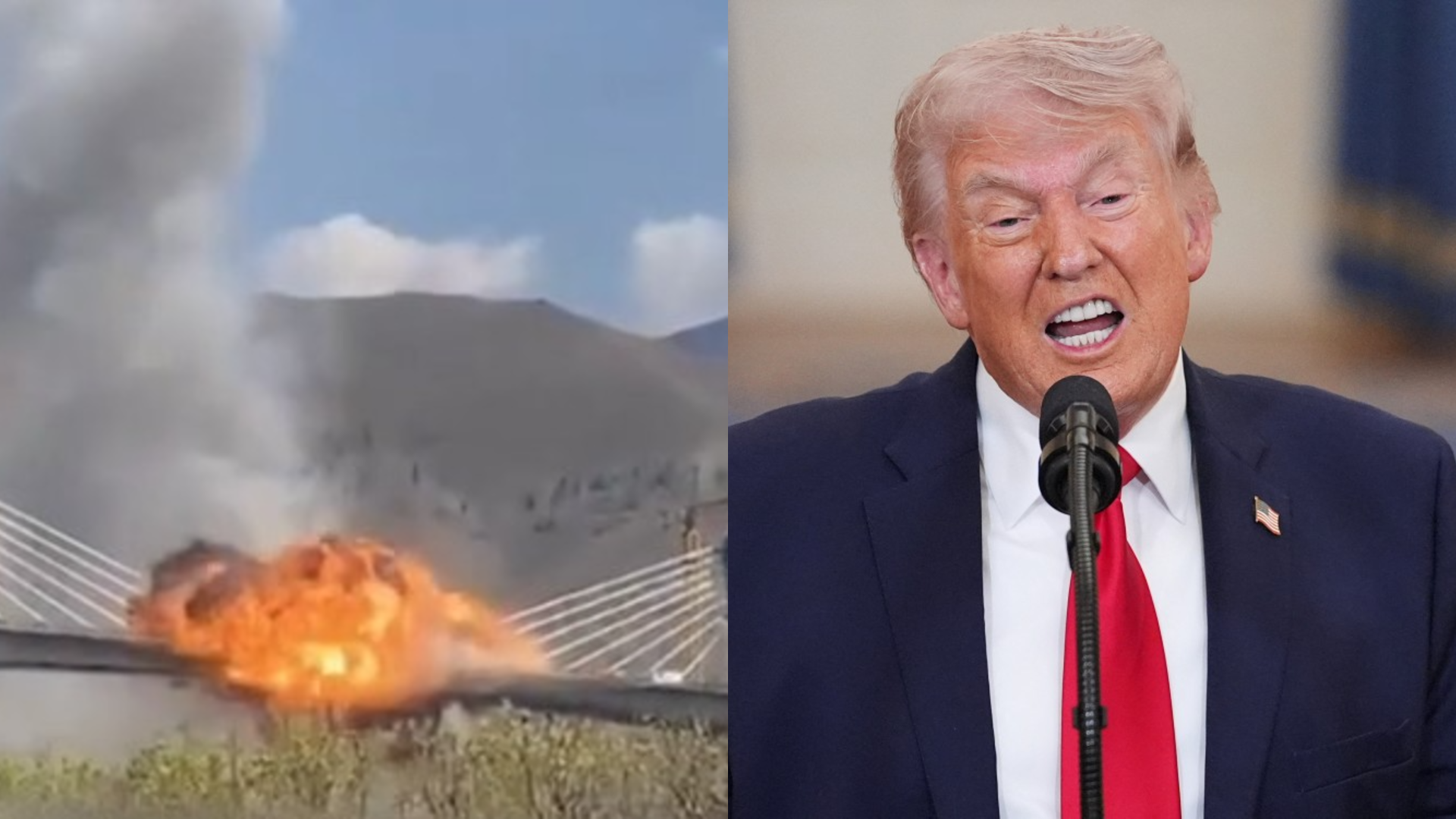
Rystad Energy's damage assessment, released on March 23, gives some idea. The headline figure is $25 billion: the minimum cost to repair and rebuild Middle East energy infrastructure damaged in the US-Israel-Iran conflict. Engineering and construction will account for roughly half of that. At least 40 energy-producing assets across nine countries have been "severely or very severely" damaged: oil and gas fields, refineries, pipelines. The International Energy Agency's (IEA) Fatih Birol described the conflict as "worse than the two oil shocks of the 1970s, as well as the impact of the Russia-Ukraine war on gas, put together".
The facility numbers are worth sitting with. Qatar's Ras Laffan complex, the world's largest LNG supplier, lost two trains to missile strikes: a 17% capacity reduction totalling 12.8 million metric tonnes per year. QatarEnergy declared force majeure on March 4 and has extended it to June. A $4-billion contract awarded to Saipem and China Offshore Oil Engineering for North Field development is now suspended. The Ras Laffan Pearl gas-to-liquids plant, jointly owned by QatarEnergy, Shell, and ExxonMobil, is still assessing its losses. Iran's South Pars offshore gas field has sustained heavy damage. Iraq's Zubair oilfield, operated by Eni, has had output cut by 70,000 barrels per day from its normal 330,000-bpd level, a 21% reduction in a field that accounts for a meaningful share of Iraq's export revenue. Bahrain's BAPCO Sitra Refinery, just commissioned in December after a $7-billion modernisation programme designed to increase capacity from 2.67 lakh to 4 lakh barrels per day, built under a $4.2-billion contract by TechnipEnergies, Samsung Engineering, and Técnicas Reunidas, was struck twice. Two crude distillation units and a tank farm are confirmed damaged. The facility had been in commercial operation for approximately three months.
A Long, Long Recovery
Rystad's prognosis for the worst-affected assets: "full recovery could take up to five years". Large-frame gas turbines, the equipment required to power LNG main refrigeration compressors, are manufactured by exactly three original equipment manufacturers globally: GE Vernova (US), Siemens (Germany), and one other. All three began 2026 carrying production backlogs of two to four years, driven by demand from data centre electrification and coal plant retirements. They were already behind before the first missile struck Ras Laffan. Iran, legally excluded from Western supply chains, will have to rely on Chinese and domestic contractors. This will likely be "slower and more expensive".
President Trump has said that prices will "rapidly come back down" once the conflict ends. The turbine backlog at GE Vernova does not share this timeline.
Now to the price. Brent crude was around $72 per barrel in January. It has crossed $116. It has gained 56% in March alone and 85% since the start of the year. The all-time high was $147.50, set in July 2008. Options traders have already priced a non-trivial probability of surpassing that record. Open interest in $150 call options has risen tenfold in a matter of weeks, from 3,374 lots to 28,941. Interest in $160 calls has gone from zero to 14,676 lots. Someone has purchased $300 June call options. These are not academic exercises. Each lot represents 1,000 barrels of oil. At current prices, the $150 call positions alone represent nearly $3 billion in notional exposure.
'Steep Recession'
Oxford Economics has modelled what $150 oil does to the world. At that level sustained for four months, global inflation reaches 7.7% - roughly where it was at the 2022 peak - and world GDP falls approximately two percentage points against prior forecasts. The Eurozone, the United Kingdom, and Japan contract. The United States comes close. Merchandise trade growth falls to 1.5 to 2.5%. BlackRock's Larry Fink has said years of oil prices nearing $150 would mean "a probable stark and steep recession". JPMorgan's head of global economics has stated publicly that one further month of Hormuz closure is "consistent with" prices approaching $150.
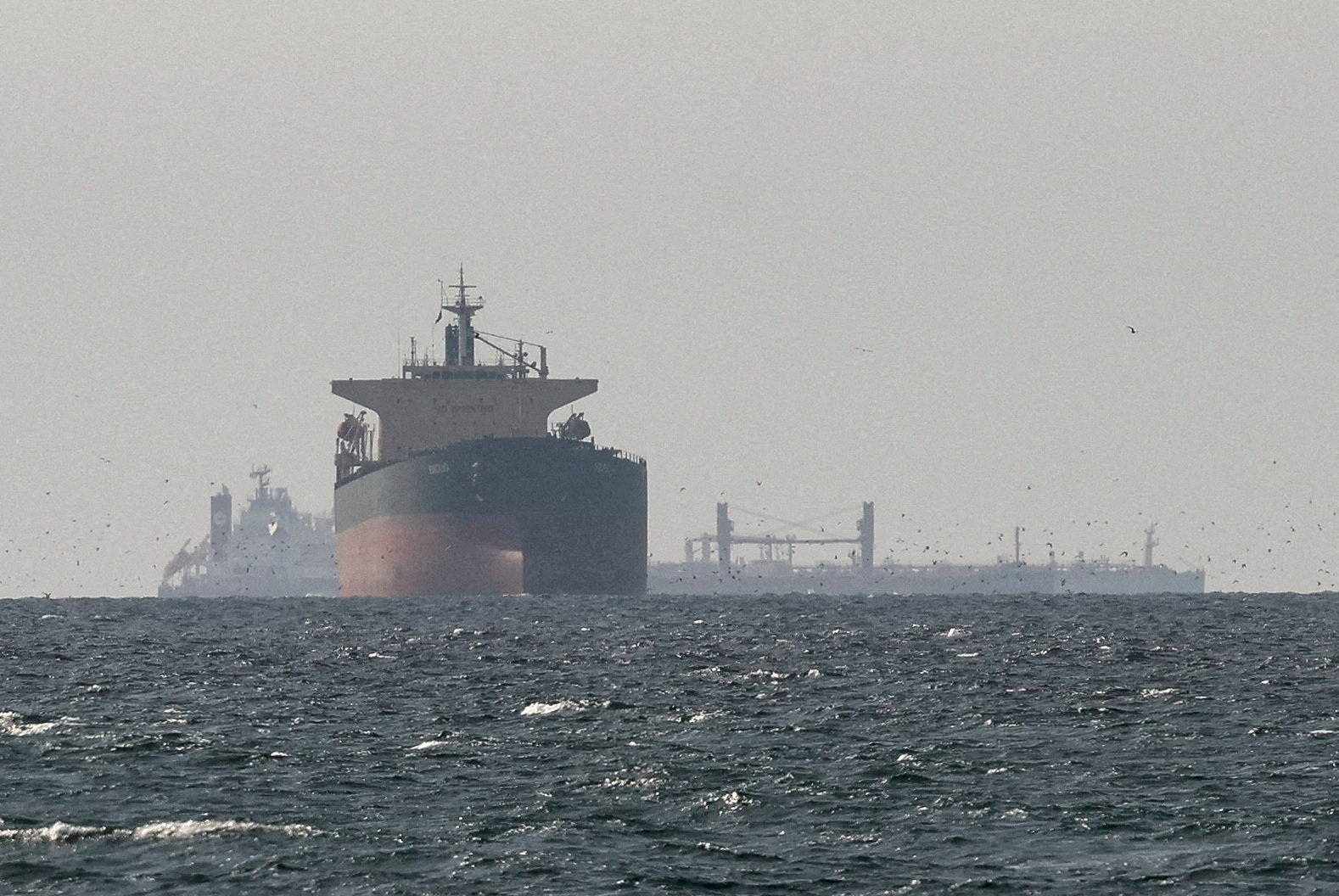
The Strait of Hormuz handles 17-20 million barrels per day, one-fifth of all the hydrocarbons that move on this planet. Ship transits have fallen by 95% since February. The 1973 Arab oil embargo, which triggered the First Oil Shock, reduced output by roughly 12 million barrels per day. Even by that arithmetic, the current disruption is larger.
Where India Stands
Let us now come to India. We import more than 85% of our crude oil requirements. Of that, roughly half has historically transited the Strait of Hormuz. The rupee has touched 94 to the dollar and foreign institutional investors have withdrawn $12 billion from Indian equities in the past month. Earnings growth forecasts for FY26, which opened the year at 12-14%, have already been revised down to 10%. They face further cuts if crude holds above $100 through two quarters.
Elara Capital has done an interesting analysis. At $125 per barrel, even after an excise duty cut, petrol and diesel retail prices need to rise by Rs 8-14 per litre. At $150, the required adjustment is Rs 26-30 per litre. Every dollar-per-barrel increase in crude oil prices adds approximately Rs 1 per kilogram to LPG under-recovery. At $150, the aggregate LPG subsidy burden reaches an estimated Rs 3 trillion. India's oil trade deficit, at that price sustained through FY27, approaches $220 billion, pushing the current account deficit past 3% of GDP, a level that, in 2012-13, preceded a currency crisis. The Nifty 50 has shed 8% in March. There can be a further 10-15% correction if prices remain elevated. Sectors directly exposed include refining, aviation, paints, fertilisers, and petrochemicals. Banks and NBFCs catch the ricochet.
India is not without cushions. Iranian officials have signalled that Indian-flagged vessels may be granted safe passage. Russian crude, available via non-Gulf routes, has served as an alternative supply source that Washington has not sought to block. These are real buffers. They are not unlimited and operate at others' discretion.
Will Oil Go Back To Previous Levels?
The deeper question - 'what crude oil does once this conflict resolves?' - is where the supply shock diagnosis becomes most consequential. When the 1973 embargo ended in March 1974, prices did not return to pre-embargo levels. They remained elevated for years, reshaping the economics of energy investment globally and eventually catalysing the North Sea development boom. The mechanism, then, was different: political, not infrastructural. And yet, recovery still took years. Today, the mechanism is physical. Forty assets across nine countries, a $25-billion repair bill, turbine backlogs running two to four years, international contractors evacuated pending "sufficient conflict stability". The Strait reopening - whenever that happens - will be a necessary condition for oil price recovery. But it will not be sufficient.
For India, the structural prescription is not new, only newly urgent. Strategic petroleum reserves sized to actual vulnerability rather than budget convenience. Renewable capacity built as economic defence rather than an environmental signal. And a clear accounting of what absorbing oil shocks through subsidies costs the exchequer over time, which is to say, what it costs the next government - which is a different political calculation from what it costs this one.
The Gulf's LNG trains will be rebuilt. The turbines will eventually be manufactured, shipped, and installed. The Ras Laffan complex will return to production, perhaps by 2030, perhaps later. Oil prices will, in some form, come down from wherever they peak.
But the Stone Age did not end because the world ran out of stone. It ended because something better arrived. At $150 a barrel, with a five-year infrastructure recovery timeline and a 95% blockade of the world's most important energy chokepoint, the case for that transition has rarely been made more forcefully, or more expensively.
(The author was with the Economic Advisory Council to the Prime Minister)
Disclaimer: These are the personal opinions of the author


