Opinion | Iran-Israel War, And What India Can Learn From The 'KC-135' Crash
Transparency doesn't just establish honesty; it denies the adversary the space to peddle the exaggerated claims we frequently see from Pakistan or China, where military losses erode state power.
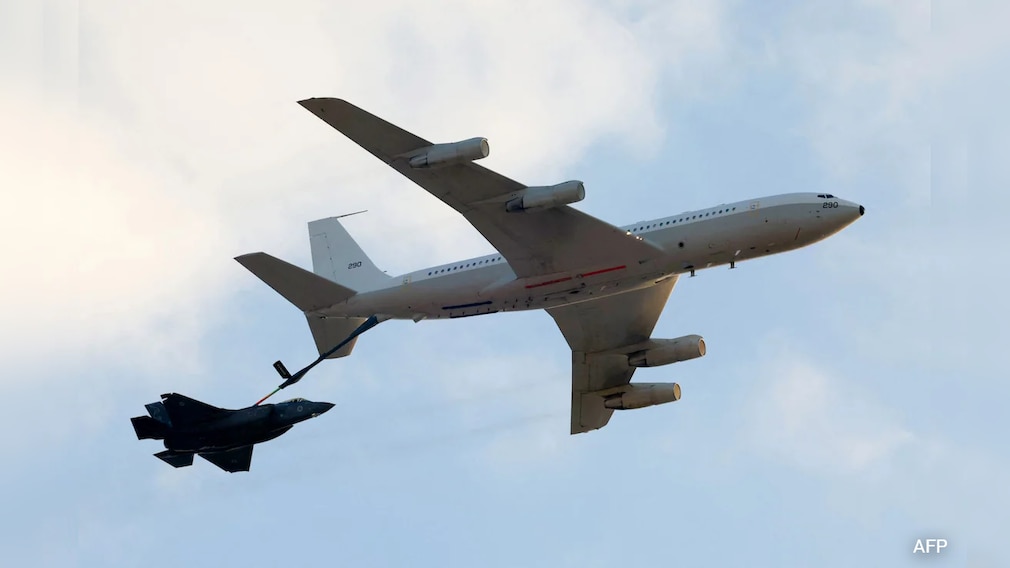
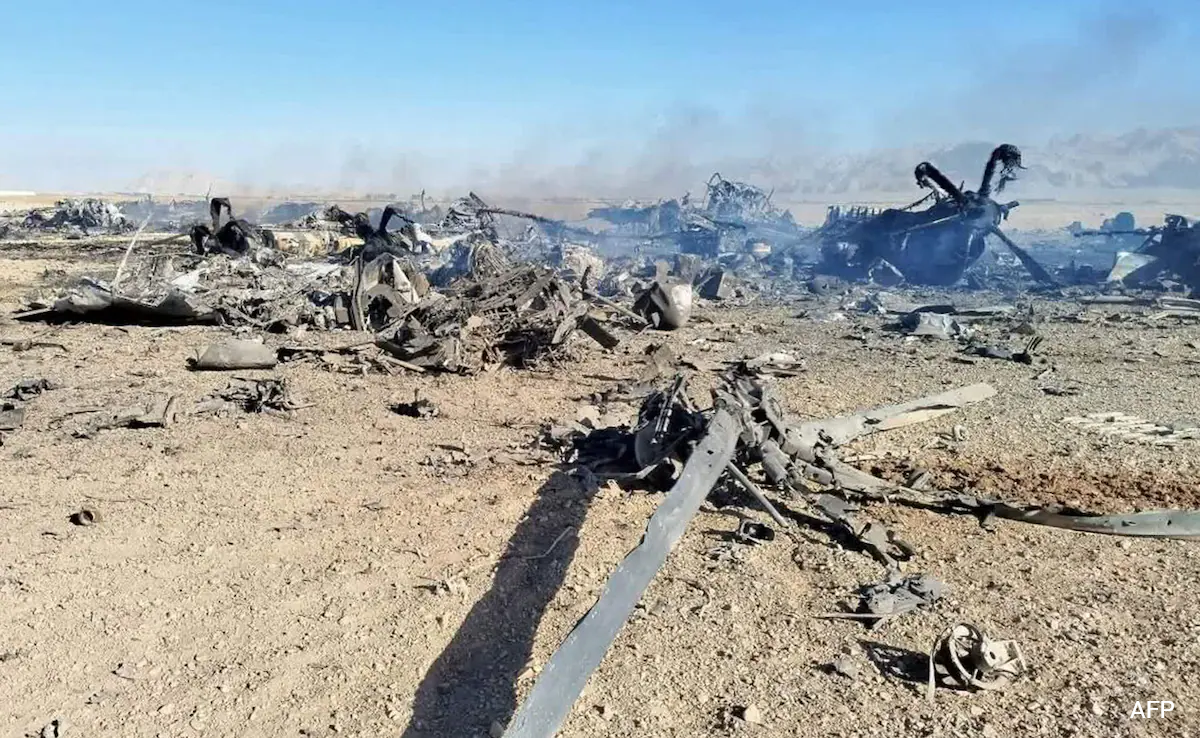
The crash of a US Air Force KC-135 tanker aircraft over Iraq marks a grim new milestone in the escalating war with Iran. It appears to have been a catastrophic mid-air collision during one of several hundred refuelling missions that are taking place daily in Gulf airspace in support of the war. Images of the surviving aircraft, its tail section virtually shorn off, tell a story of a high-altitude nightmare.
While the Pentagon is adamant this wasn't the result of enemy or friendly fire, the incident highlights the inherent, hair-raising risks of air-to-air refuelling. It is a testament to the crews involved that this complex dance in the sky has become a routine, indispensable pillar of modern air power.
But there is a separate, deep, difficult takeaway from the crash for India. The US was immediate and upfront in acknowledging the loss and the circumstances - just as it was in acknowledging the loss of three F-15 Strike Eagle jets in a bizarre friendly-fire incident earlier this month over Kuwait.
The United States military is far from traditionally transparent. It practically invented information warfare and mindgames. But even with a temperamental President at the helm who obsesses with loss statistics as a taunt, America's full-frontal transparency on battlefield losses reflects the behaviour of a confident, self-assured military power. They understand that high-tempo operations carry the risk of losing both hardware and humans. They budget for it. They account for it. And they feel no embarrassment in noting it.
Contrast that with the silence following Operation Sindoor. Months later, the alleged loss of aircraft on both sides remains mired largely in gossip and claims. No formal statements, other than quips in speeches. No clear acknowledgements or numbers. And this when India cannot be compared to Pakistan in terms of credibility or stature.
As a student of war, this is troubling. India is a nation that has fought wars for eighty years. Transparency doesn't just establish honesty; it denies the adversary the space to peddle the exaggerated claims we frequently see from Pakistan or China, where military losses erode state power.
By being upfront about aircraft losses, the United States has denied Iran the opportunity to fake numbers, restricting Iranian information attacks to 'how' the aircraft were shot down, an ambiguity that melts into a larger fog of war.
In the current war, two weeks in, the US is nowhere near meeting its objectives. Its outcomes are all over the place. On the contrary, in Operation Sindoor, India achieved its specific goals in just 88 hours. If there was ever a moment to shed the hesitation of owning losses of aircraft or equipment, if any, and show the world the maturity of our warfighting calculus, it was then.
The US has shown this fortnight that it can get many things horribly wrong in combat and be bogged down in a poorly planned war operation. But in terms of messaging by the military, there is a ready playbook for India to learn from.
(The author is Managing Editor and Senior Anchor, NDTV)
Disclaimer: These are the personal opinions of the author
-
Eagle Down: How US Carried Out Precision Search And Rescue Op In Hostile Iran

How the United States transformed a tactical failure into a narrative of national resolve.
-
Opinion | 450 Missile, 2,000 Drone Attacks Later, Why Is UAE Still Not Fighting Iran?
The UAE is Iran's second-largest trading partner and also home to roughly half a million Iranians. Why, then, has it absorbed more fire than any other Gulf state?
-
In Numbers: How Has India Kept Fuel Prices Low Even As Europe Sees 70% Spikes?
India imports 88% of its crude. Why then is it not seeing massive price hikes for fuel and LPG? Inside the unique strategy it's following...
-
Opinion | India Just Decided To Let Chinese Capital In Again. But There's A Catch
In March 2026, India eased regulations that had restricted Chinese capital in local companies, in a development that marks New Delhi's cautious approach towards capital flows from Beijing.
-
Trump's Iran 'Knocked Out' Claim Blown Up By US Intel On Missiles, Drones
Donald Trump claimed this week the war would end in two to three weeks as he threatened to send Iran back to the Dark Ages. But based on these reports the fighting is far from over, even if US President wants to push a contrary narrative.
-
Opinion | Rs 30 Petrol Hike To Currency Crisis, What Oil At $150 Can Really Do To The World
At $125 per barrel, petrol and diesel retail prices will need to rise by Rs 8-14 per litre. At $150 - which experts think is now likely - these figures could touch Rs 26-30 per litre.
-
Opinion | The Problem With Trump's Fantasy Of A 'Crippled' Iran
Even a relatively insulated US economy cannot entirely escape the ripple effects of sustained disruptions in one of the world's most critical energy corridors.
-
Opinion | Trump's Iran War Is About To Become Someone Else's Problem Soon
Start alone, end alone - that may be the harshest lesson for Trump as he now tries to dash for the door in Iran.
-
What Happens If Iran War Actually Ends In 2 Weeks: The Challenges Ahead
Trump said the war could end in two weeks sans a deal to re-open the Hormuz. Analysts say it could take six to weight weeks more for oil flows to normalise, with each extra week of fighting adding seven to 14 days of recovery.