Opinion | Iran-Israel War, And What India Can Learn From The 'KC-135' Crash
Transparency doesn't just establish honesty; it denies the adversary the space to peddle the exaggerated claims we frequently see from Pakistan or China, where military losses erode state power.
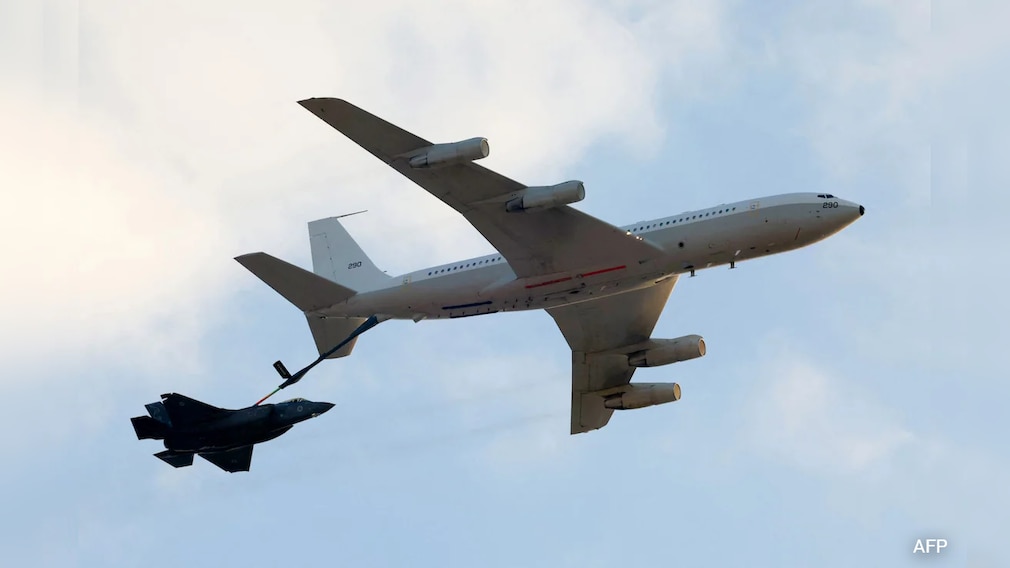
The crash of a US Air Force KC-135 tanker aircraft over Iraq marks a grim new milestone in the escalating war with Iran. It appears to have been a catastrophic mid-air collision during one of several hundred refuelling missions that are taking place daily in Gulf airspace in support of the war. Images of the surviving aircraft, its tail section virtually shorn off, tell a story of a high-altitude nightmare.
While the Pentagon is adamant this wasn't the result of enemy or friendly fire, the incident highlights the inherent, hair-raising risks of air-to-air refuelling. It is a testament to the crews involved that this complex dance in the sky has become a routine, indispensable pillar of modern air power.
But there is a separate, deep, difficult takeaway from the crash for India. The US was immediate and upfront in acknowledging the loss and the circumstances - just as it was in acknowledging the loss of three F-15 Strike Eagle jets in a bizarre friendly-fire incident earlier this month over Kuwait.
The United States military is far from traditionally transparent. It practically invented information warfare and mindgames. But even with a temperamental President at the helm who obsesses with loss statistics as a taunt, America's full-frontal transparency on battlefield losses reflects the behaviour of a confident, self-assured military power. They understand that high-tempo operations carry the risk of losing both hardware and humans. They budget for it. They account for it. And they feel no embarrassment in noting it.
Contrast that with the silence following Operation Sindoor. Months later, the alleged loss of aircraft on both sides remains mired largely in gossip and claims. No formal statements, other than quips in speeches. No clear acknowledgements or numbers. And this when India cannot be compared to Pakistan in terms of credibility or stature.
As a student of war, this is troubling. India is a nation that has fought wars for eighty years. Transparency doesn't just establish honesty; it denies the adversary the space to peddle the exaggerated claims we frequently see from Pakistan or China, where military losses erode state power.
By being upfront about aircraft losses, the United States has denied Iran the opportunity to fake numbers, restricting Iranian information attacks to 'how' the aircraft were shot down, an ambiguity that melts into a larger fog of war.
In the current war, two weeks in, the US is nowhere near meeting its objectives. Its outcomes are all over the place. On the contrary, in Operation Sindoor, India achieved its specific goals in just 88 hours. If there was ever a moment to shed the hesitation of owning losses of aircraft or equipment, if any, and show the world the maturity of our warfighting calculus, it was then.
The US has shown this fortnight that it can get many things horribly wrong in combat and be bogged down in a poorly planned war operation. But in terms of messaging by the military, there is a ready playbook for India to learn from.
(The author is Managing Editor and Senior Anchor, NDTV)
Disclaimer: These are the personal opinions of the author
-
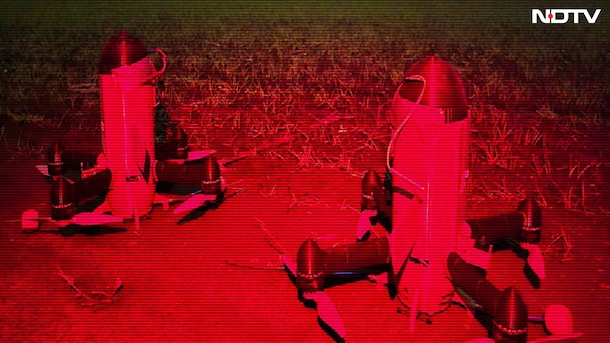
Game Of Drones: Ukraine's Sting Answer For US' Shahed Problem

The Iranian-designed Shahed-136 drone has become one of the most recognisable weapons of the modern battlefield.
-
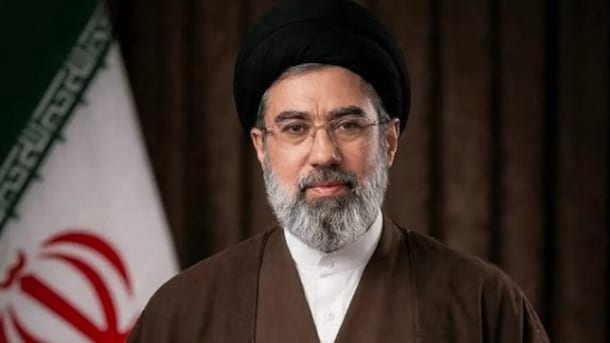
Opinion | Mojtaba's First Message Makes It Clear: Iran Won't Give An Easy 'Exit' To Trump
In Iran, the assassination of a Supreme Leader demands a response, a do-or-die response. Backing down would risk undermining Mojtaba's legitimacy at home and weakening his authority among the hardline institutions that support his regime.
-
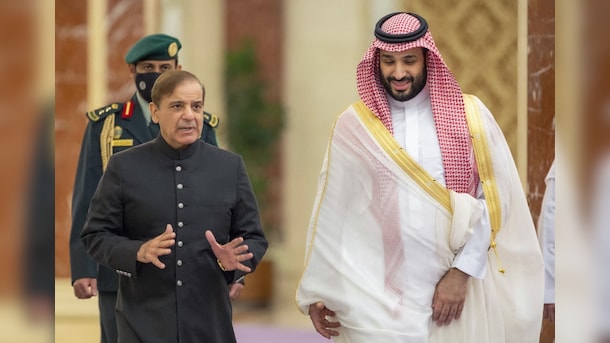
Opinion | What Happens If Saudi Arabia Really 'Asks' Pakistan To Go To War?
Since the beginning of the Iran-Israel war, questions have been raised about what role Pakistan would play on the side of the Saudis. The answer is getting murkier.
-
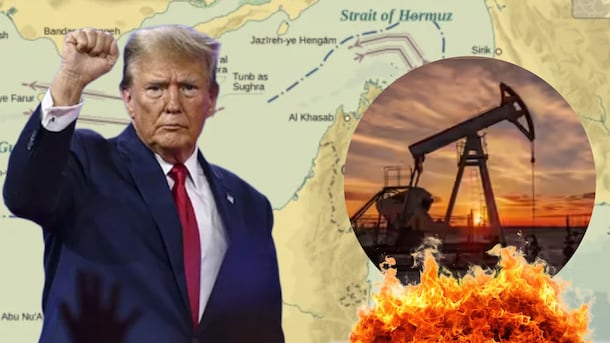
Oil Wars: How Iran's Hormuz Grip Is Bleeding Americans' Wallets
Tehran's response to US-Israel strikes that began Feb 28 was to target oil infrastructure in Gulf nations, an early and clear sign it is trying to force the US to answer questions from the global community about a cost-of-living crisis.
-
Opinion | The Real Winner Of Iran-Israel War Is Someone Trump Never Accounted For
The current crisis promises tens of billions of dollars to Russia in additional revenue. Here's how.
-
Opinion | Iran-Israel War, And The 'War Logic' Behind Bombing Oil Depots
The thinking presumably was that targeting economic interests may, in some sense, galvanise and mobilise the Iranian public against the current administration. But that didn't happen.
-
Opinion | Is Trump Starting To Regret Backing Netanyahu's Iran Gameplan?
Netanyahu may not mind the Iran war, as a prolonged conflict suits him politically. But for the US, it is fast shaping up to be a disaster.
-
Opinion | Amid Growing LPG Crisis, Why Your Piped Gas May Be The Real Winner
While LPG distribution falters amid the Hormuz crisis, PNG supplies to households in major cities continue largely uninterrupted. Will it last?
-
On Disagreement, Democracy: An Open Letter To Mani Shankar Aiyar - By Shashi Tharoor
Congress's Lok Sabha MP Shashi Tharoor responds to a recent "assessment" by Mani Shankar Aiyar of his positions - and 'character'.
-
Harish Rana Can Die Because Aruna Shanbaug Lived: India's Euthanasia Journey
A brutal sexual assault caused severe brain damage and left Aruna Shanbaug in a vegetative state for four decades