Opinion | The Shadow Of A Truman Moment In The Iran War
What happens when leaders like Trump and Netanyahu are pressured to 'win' this war?
Wars often produce moments when leaders feel compelled to seek a decisive stroke that will end the conflict once and for all. History shows that such moments can generate choices that would have seemed unthinkable only months earlier. When Harry S. Truman authorised the atomic bombings of Hiroshima and Nagasaki in 1945, the decision emerged from precisely such wartime pressures. As the conflict involving the United States, Israel and Iran intensifies today, the world must ensure that a similar moment of desperate calculation does not arise again.
The lesson of that moment in history is not that such weapons can end wars, but that once the logic of escalation begins to dominate wartime decision-making, even the most unthinkable options can enter the realm of strategic calculation. The mere possibility that such debates could arise is reason enough for policymakers everywhere to approach the present conflict with extreme caution.
An Unravelling War
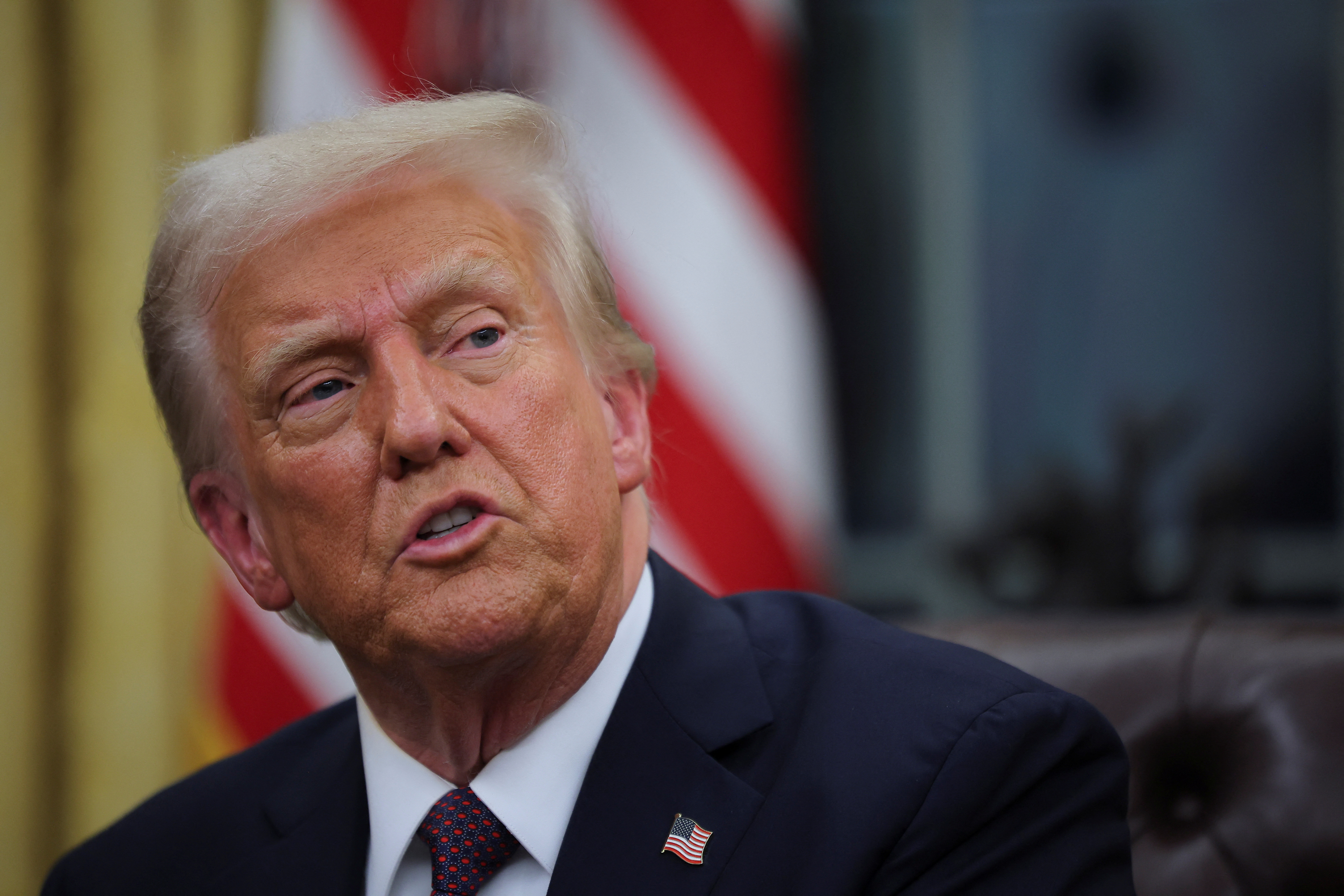
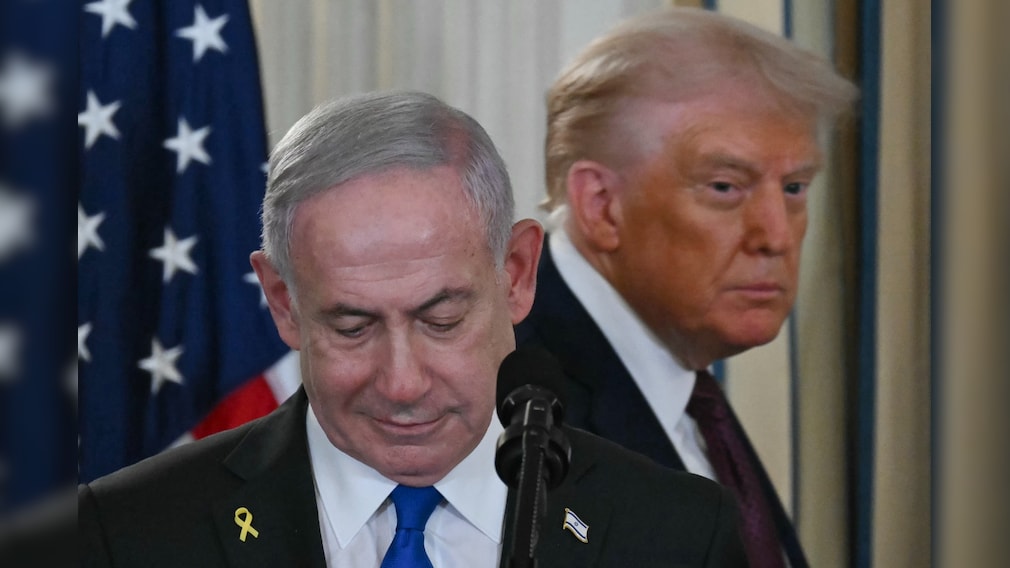
As the war drags on, both Donald Trump and Benjamin Netanyahu will face mounting pressure to produce decisive results. Wars rarely remain confined to their original scope once expectations of rapid victory begin to fade. Political leaders must demonstrate progress, military planners search for breakthroughs, and public narratives increasingly revolve around the need for a conclusive outcome. In this environment, media speculation about "exit strategies" or "off-ramps" for Washington can unintentionally increase pressure on decision-makers. Even well-intentioned commentary can shape the climate in which leaders make decisions, potentially nudging them toward harder, more dramatic actions.
The Nuclear Threat Is Very Much There
Neither the United States nor Israel lacks the technological capability associated with advanced nuclear arsenals. The nuclear arsenals of advanced powers today are far more sophisticated than the devices used in 1945. While their existence is intended primarily as deterrence, prolonged wars have historically forced strategic communities to examine every available option. Even the discussion of such possibilities is deeply unsettling, yet ignoring the pressures that produce such debates can be dangerous.
A Leader Challenged?
For that reason, policymakers and societies on all sides must recognise the full range of choices that prolonged wars can place before leaders. For Iran's leadership and its wider strategic community, absorbing this reality may be essential if catastrophic escalation is to be avoided. From Tehran's perspective, the conflict may well be seen as existential. Yet history also shows that wars framed as existential struggles can generate the most dangerous strategic decisions.
The intellectual climate in Washington has also evolved. A number of influential voices in Washington now argue that the United States has become excessively risk-averse and that restoring global credibility requires a more assertive posture. Such arguments reflect a broader shift toward the language of renewed deterrence and strategic competition. Yet this very logic can make it politically harder for leaders to conclude conflicts without visible demonstrations of strength.
The 1945 Atomic Bombing
The outcome of this conflict will also be watched closely by other major powers. In 1945, the atomic decision was shaped not only by the desire to end a brutal war but also by the strategic message it sent to rival states observing the emergence of a new geopolitical era. Today, other significant powers will similarly draw lessons from how the United States manages both the conduct and the conclusion of this conflict.
This is why cool judgment is essential at this stage of the war. Whether the original decision to go to war was wise or ill-advised is now largely beside the point. Once a conflict has begun, the overriding priority must be to prevent escalation into something far more dangerous.
India's Unique Position
In such moments, the international system can benefit from the quiet diplomacy of actors that retain a degree of strategic autonomy. Among emerging nations, India stands out as a major emerging power in this regard. Despite its energy dependence on the Gulf and deep economic engagement with the United States, India has consistently demonstrated a capacity to maintain independent channels of communication across geopolitical divides.
This unique positioning may allow New Delhi to explore, discreetly and without public fanfare, avenues for de-escalation with Washington, Tel Aviv and Tehran alike. At moments of heightened tension in international politics, the world sometimes requires what might be called an "adult in the room": a state capable of engaging all sides while remaining aligned exclusively with none.
If the present conflict continues to intensify, the value of such diplomacy may soon become evident. The most important lesson from 1945 is not only the destructive power of nuclear weapons but the pressures that can drive leaders toward choices that later generations struggle to comprehend. History shows that when wars reach their most desperate phases, restraint remains the only safeguard against catastrophe.
(Milinda Moragoda is a former Cabinet Minister and diplomat from Sri Lanka and founder of the Pathfinder Foundation, a strategic affairs think tank)
Disclaimer: These are the personal opinions of the author
-
Opinion | The Trump-Xi Summit, And India's Many Worries Of Its Own

Washington and Beijing may have chosen coexistence over confrontation. For India, that could be both a relief and a warning.
-
Opinion | China Claims It Has Cut Troops At The Indian Border. But The Math Doesn't Add Up
The reduction likely has more to do with the deployment along the LAC than the total strength active in the region
-
Opinion | China Is No Longer Waiting For Trump To Set The Rules. And He Knows It
America's old diplomatic tricks with China won't work any longer. Because China has changed, and so has its ambitions.
-
Opinion | As UN Interviews Its Next Chief, The Interviewers Have Some Explaining To Do
On the panel sit governments whose wars, vetoes, and unpaid dues have helped make the organisation ineffective.
-
Opinion | Trump-Xi Meet: What China Can Give America, And What India Could Lose
If Trump can secure some of what he wants directly from Beijing, India's immediate value to Washington could change in particular areas.
-
A New 'Axis'? 87 Years After Pact Of Steel, A New European Far-Right Tie-Up
Nearly nine decades after Nazi Germany and Fascist Italy formalised their alliance, senior figures from Germany and Italy's far-right appeared together at a political rally on Sunday.
-
Opinion | 'Blackmail' Diplomacy: Why India Can't Be A Pawn In US' War On Russia
The new sanctions bill is both blackmail and hypocritical: blackmail because it seeks to change India's principled stand, and hypocritical because the US has provided exemptions to others, and itself.
-
Blog | Katrina Kaif, And The Very Indian Problem Of Too Much 'Audacity'
The remarkable thing about many Indian trolls is not that they have opinions, but that they expect - get this, Katrina Kaif, no less - to care about them.
-
Mamata Banerjee Drew Her Party's Symbol By Hand. It's Now Tied To An Indira Gandhi Case
The Election Commission's method for settling such disputes became central in the seminal Congress split of 1969, when Indira Gandhi fought the old guard. The poll body weighed three tests then.