Opinion | The Problem With Trump's Fantasy Of A 'Crippled' Iran
Even a relatively insulated US economy cannot entirely escape the ripple effects of sustained disruptions in one of the world's most critical energy corridors.
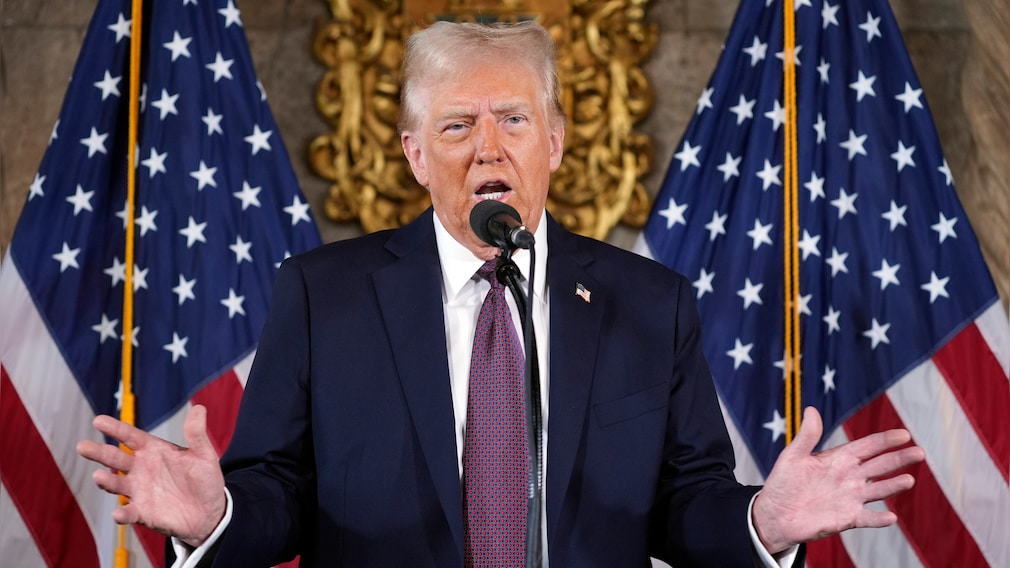
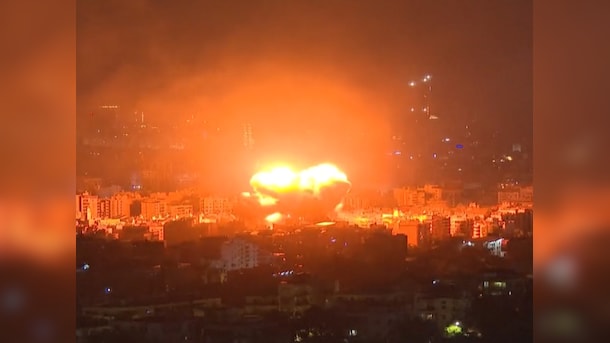
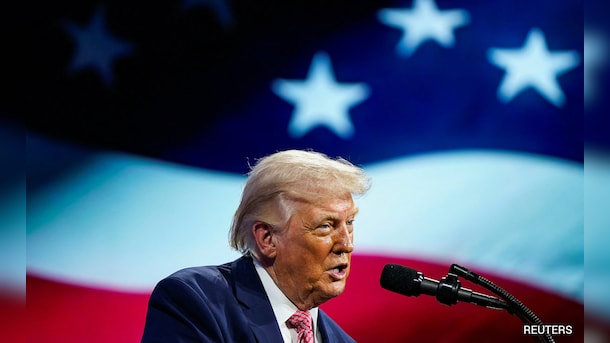
On April 1, 2026, President Donald Trump addressed the American nation from the Cross Hall of the White House in what was clearly intended to be a moment of strategic reassurance and political signalling. Nearly five weeks into the ongoing US-Israel military campaign against Iran, codenamed 'Operation Epic Fury', the speech sought to consolidate a narrative of control, success, and inevitability. Yet, beneath the rhetorical certainty lay the familiar tensions that accompany modern warfare: contested outcomes, economic anxieties, and geopolitical unpredictability.
In his carefully choreographed address, Trump began with a brief, almost perfunctory, acknowledgement of domestic achievement, the Artemis II launch, before pivoting sharply to the war effort. This transition itself was telling: a juxtaposition of American technological prowess with military dominance, reinforcing a broader message of national supremacy. What followed was a sweeping declaration of battlefield success. Iran, he claimed, had suffered unprecedented losses in a matter of weeks - its navy dismantled, air force crippled, command structures decimated, and weapons infrastructure largely neutralised.
A Maximalist View
Such assertions, while not unusual in wartime rhetoric, reflected Trump's characteristic maximalism. His framing of the conflict as a near-total victory in progress leaves little room for ambiguity, even as independent verification remains elusive. More importantly, it underscored his longstanding strategic worldview: that overwhelming force, applied decisively, can reshape adversarial behaviour in compressed timeframes.
The justifications he offered were equally familiar. Iran's nuclear ambitions, its ideological hostility toward the United States and Israel, and its history of supporting militant proxies were presented not as discrete concerns but as part of a continuous, almost civilizational threat. Trump's reference to past decisions, particularly the killing of Qassem Soleimani and the withdrawal from the 2015 nuclear agreement, served to position the current conflict as the logical culmination of a policy trajectory he had set in motion years ago.
Yet, what stood out was not merely the articulation of threats, but the moral clarity with which they were framed. Iran was depicted as both aggressor and destabiliser, leaving little space for nuance or alternative interpretations. This binary framing, good versus evil, order versus chaos, has been a consistent feature of Trump's foreign policy discourse, and it was on full display here.
Behind All That Optimism
On the question of timelines, Trump struck an emphatically optimistic tone. He suggested that core strategic objectives were "nearing completion" and indicated that the most intense phase of military operations would conclude within two to three weeks. This is a bold claim, particularly in a conflict involving a regional power with asymmetric capabilities and a demonstrated willingness to absorb losses while prolonging engagement. His assertion that "we have all the cards" may resonate politically, but strategically it risks underestimating Iran's capacity for recalibration and indirect retaliation.
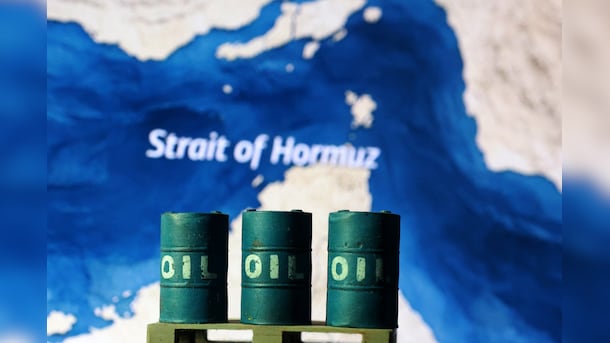
The economic dimension of the conflict received a more cautious treatment. Rising gas prices - always a politically sensitive issue in the United States - were acknowledged but dismissed as temporary disruptions caused by Iranian actions in the Strait of Hormuz. Trump's emphasis on American energy independence was meant to reassure domestic audiences, yet it glossed over the deeply interconnected nature of global energy markets. Even a relatively insulated US economy cannot entirely escape the ripple effects of sustained disruptions in one of the world's most critical energy corridors.
Reality Check
Indeed, the broader economic implications are unlikely to be as transient as suggested. Higher energy prices, inflationary pressures, and potential slowdowns in global growth are structural consequences of such conflicts, not merely episodic disturbances. For US allies, particularly in Europe and Asia, the costs are likely to be more acute, raising questions about burden-sharing and strategic alignment.
Geopolitically, the conflict appears to be reinforcing existing alignments while simultaneously exposing their fragility. The strengthening of US-Israel-Gulf cooperation is evident, yet the hesitation of some partners to engage fully points to underlying divergences. Iran's regional network may be weakened, but its capacity to generate instability through non-state actors remains intact. Moreover, external powers such as China and Russia are likely to interpret the conflict through the lens of opportunity as much as disruption.
Who Was The Speech For?
Domestically, Trump's speech was as much about political positioning as it was about strategic communication. With public opinion showing signs of fatigue and concern, particularly over economic costs, the emphasis on imminent victory serves a clear purpose. It seeks to preempt criticism, consolidate support, and frame the conflict as both necessary and nearing resolution. Whether this narrative holds will depend less on presidential rhetoric and more on developments on the ground.
In essence, the address functioned as a declaration of intent as much as an assessment of reality. It projected confidence, asserted dominance, and promised closure. Yet, as with many such moments in international politics, the gap between projection and outcome remains uncertain. Wars rarely conform to timelines set in speeches, and adversaries seldom behave as scripted. The coming weeks will determine whether this was indeed the beginning of the end, or merely another phase in a conflict whose consequences are only beginning to unfold.
(Harsh V Pant is Vice President for Studies at Observer Research Foundation, New Delhi.)
Disclaimer: These are the personal opinions of the author
-
Opinion | Rs 30 Petrol Hike To Currency Crisis, What Oil At $150 Can Really Do To The World

At $125 per barrel, petrol and diesel retail prices will need to rise by Rs 8-14 per litre. At $150 - which experts think is now likely - these figures could touch Rs 26-30 per litre.
-
Opinion | Trump's Iran War Is About To Become Someone Else's Problem Soon
Start alone, end alone - that may be the harshest lesson for Trump as he now tries to dash for the door in Iran.
-
What Happens If Iran War Actually Ends In 2 Weeks: The Challenges Ahead
Trump said the war could end in two weeks sans a deal to re-open the Hormuz. Analysts say it could take six to weight weeks more for oil flows to normalise, with each extra week of fighting adding seven to 14 days of recovery.
-
Opinion | Why 2 Gulf States Want Iran War To Continue - Even As They're Battered By It
If Trump withdraws from this war, the UAE, Saudi Arabia and other Gulf countries would be left to face the music alone, with an angrier, fiercer, and possibly more vengeful Iran.
-
Opinion | Why A 'Defeat' Is Now Essential For The Disoriented Left In Kerala
Power and arrogance have turned the Left in Kerala into what it once fought against. It now needs to lose its last bastion to cleanse itself of its maladies.
-
Opinion | On April Fools' Day, A Reality Check For US, Iran And The World
The paradox is this: Iran wins simply by surviving, while the US must achieve a far more overwhelmingly convincing result to claim success.
-
Opinion | Pakistan, And The One Big Difference Between 'Broker' And 'Mediator'
Neither Washington nor Tehran appears willing to invest Pakistan with the political capital required for mediation.
-
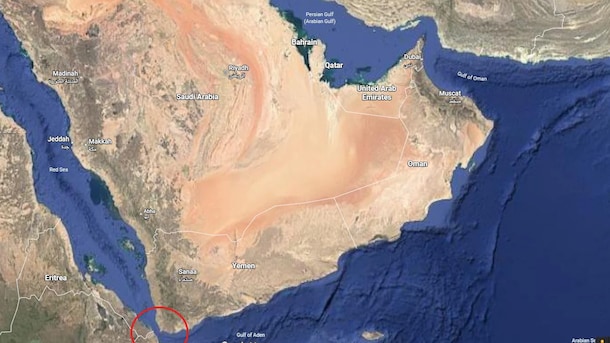
Houthis Threaten Strait No 2 As Iran War Expands. What It Means For India
Yemen's Houthi rebels have opened a second front in the Iran war, threatening Bab al-Mandab just as the Strait of Hormuz comes under pressure, and squeezing one of the world's most important oil corridors from both ends.
-
Europe Split Over Trump's Iran War, Spain Leads Defiance
Europe is sharply divided on how to view fighting in West Asia and subsequent pressure on the global energy trade, which has seen fuel and gas prices increases worldwide.