Opinion | Gulf Confronts An Ugly Truth About Aligning With America
That Iran is attacking bases and other sites in the UAE, Qatar, Bahrain, Saudi Arabia - even Oman - has caused disillusionment in these countries, which thought that they were protected by the US. They are now learning they're not.
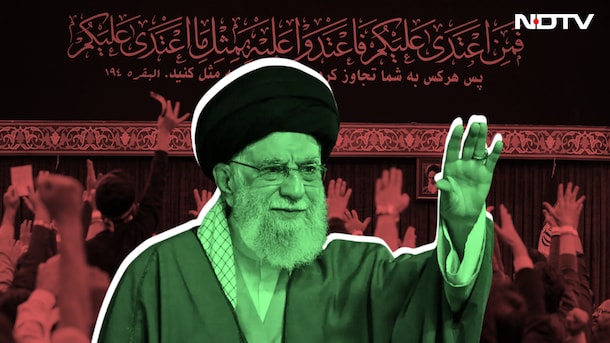
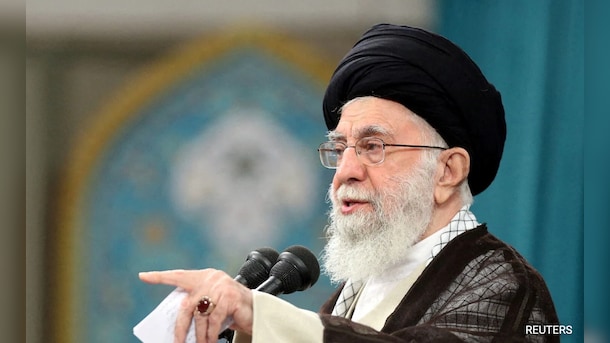
The enormity of America's political assassination of Iran's Supreme Leader Ali Khamenei cannot be overstated. Iran had not committed any aggression against the US, and yet its top leader and generals have been physically eliminated. It was also not planning any military strikes against either the US or Israel, and, therefore, the latter cannot justify a 'pre-emptive' strike.
What is worse, serious and productive diplomatic negotiations were being conducted by the US and Iran with Oman's mediation. The Omani Foreign Minister, in a bid to prevent a US strike, had said publicly in an interview with a US news channel that Iran had all US demands on its nuclear programme on enrichment, stockpiles, IAEA (International Atomic Energy Agency) inspection and a formal commitment to never acquire nuclear weapons. According to him, Iran had gone beyond what it had conceded in its 2015 nuclear deal with President Barack Obama. The IAEA chief himself was involved in these negotiations. The next round of discussions at the technical level was to be held in Geneva.
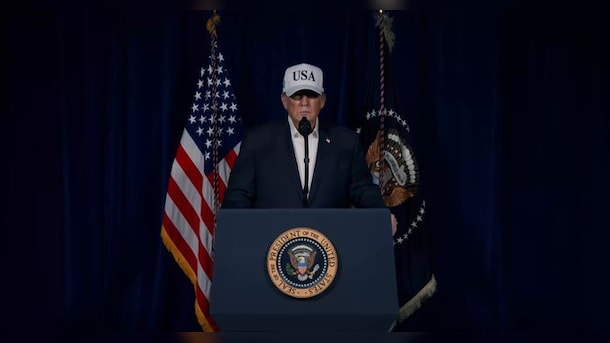
But before these could be held, President Trump short-circuited the diplomatic effort and decided to attack Iran. This is the second time that Trump has decided to attack Iran in the midst of negotiations. The first was when the 12-day war in June 2025 was initiated while talks were being held.
Iran's Concessions, US Double Standards
The Iranian nuclear issue has to be seen in perspective. Iran is a signatory to the Non-Proliferation Treaty (NPT), but under the framework, it has the right to enrich uranium for peaceful purposes - a right that Iran has been unwilling to forswear, though in the latest round of negotiations with the US, it made concessions on enrichment limits. This is something it had not done earlier.
Irrespective of all this, the fact also is that the US ignores the nuclear status of Israel, which is an open secret. The US has also reconciled itself to North Korea's repudiating the NPT and acquiring nuclear weapons. It has been complicit in Pakistan becoming a nuclear power and has not made an issue of continuing nuclear cooperation between Pakistan and China. The US has walked out of all disarmament treaties negotiated with Russia and has announced that it will resume nuclear testing.
Against this background, the US's focus on Iran's nuclear programme, which is under strict IAEA supervision, seems to be dictated by considerations related principally to Israel's security and regional pre-eminence. Trump had announced in June 2025 that during the 12-day war, the US had obliterated Iran's nuclear programme. If that is the case, then why make Iran's nuclear issue the casus belli, or, case for war?
Where Are The Nuclear Weapons, Anyway?
That Iran is either a few months or a few weeks away from acquiring nuclear weapons is a narrative assiduously pushed by Israel and the US for a long time. However, years have passed without Iran going nuclear. Accusations that Iran has pursued a clandestine programme in secret facilities have never been proved.
No doubt, Iran has increased enrichment levels, possibly as a negotiating tactic - a phased response presumably to Trump walking out of the Joint Comprehensive Plan of Action (JCPOA) during his first term. Perhaps Iran wanted to use its growing enrichment capacity as a bargaining chip in negotiations for obtaining sanctions relief.
Can't Expect A Country Not To Defend Itself
The US under Obama, too, had demanded curbs on Iran's missile capability and its regional role, which the latter had rejected. The JCPOA was thus limited strictly to the nuclear issue. But Trump revived these demands in the recent negotiations, primarily in view of Iran's demonstrated capability to attack Israel with devastating effect - which was seen during the 12-day war - and its support for Hamas and Hezbollah.
The point here is, there is no international regime, such as the NPT, that bars countries from possessing missile capability. To expect that Iran would give up its deterrence capabilities would have been unrealistic.
No Rights And Wrongs Here
If Iran's regional role is a problem for the US, then Iran could view the regional role of the US and Israel as a problem, too - especially Israel's expansionism. In these matters, no clear judgment can be made on rights or wrongs, though it can be said that Iran has committed a serious strategic error by projecting itself as the biggest opponent of Israel and the principal supporter of the Palestinian cause, way beyond the support the leaders of the Arab countries have given to the Palestinians. Arab countries have been more open towards Israel, either openly or more discreetly. Israel and the US, therefore, see Iran as the main obstacle to the regional acceptance of Israel, which the Abraham Accords represent.
Is The Gulf Disillusioned?
One can seriously question Trump's strategy in seeking regime change in Iran without putting boots on the ground and encouraging the opposition elements to take over power from a weakened clerical dispensation. Earlier regime changes in the region undertaken by the US have failed abysmally in achieving their objectives, be it in Iraq, Libya or Syria. Political instability, divisions, violence, Islamism, economic distress, and refugee flows have ensued. It is not clear why Trump and his advisors believe that the consequences of de-stabilising Iran would be any more manageable.
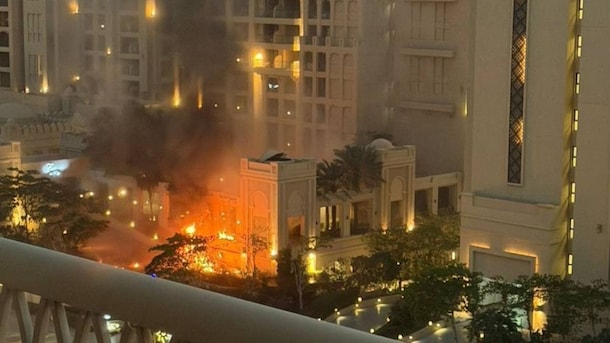
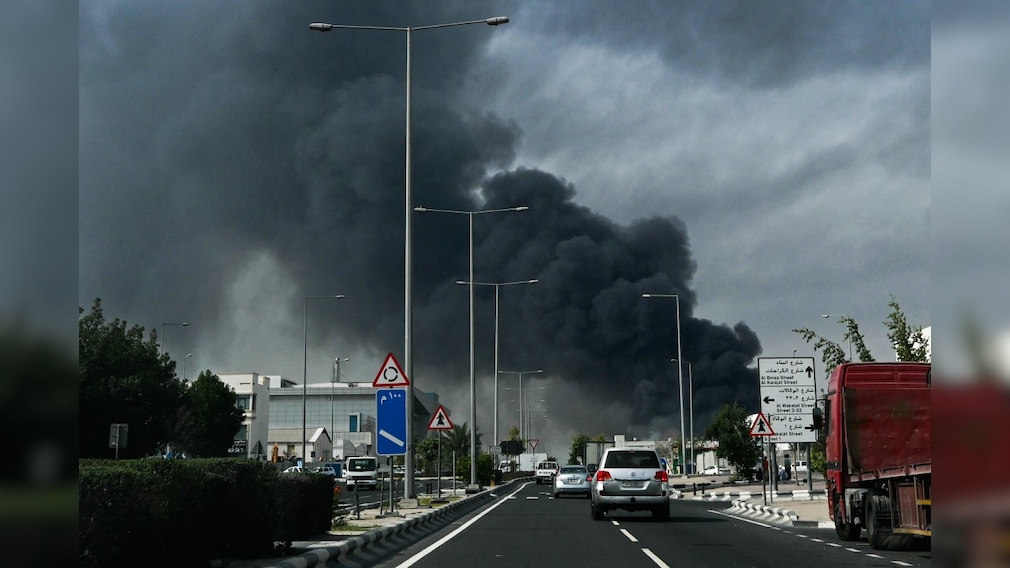
After all, Iran had warned the world repeatedly publicly that if attacked, it would target US bases in the region. The existence of these bases allows the US to exercise power regionally, and this includes providing security against Iran, which is viewed as a threat by Gulf states. That Iran is attacking bases and other sites in the UAE, Qatar, Bahrain, Saudi Arabia - even Oman - is not surprising. However, this has caused consternation in these countries, which thought that they were protected by these US bases but now find that US power and presence are not sufficient to provide security.
Did They Not See It Coming?
It is likely that the Gulf states did not quite believe that Iran would target their territory. They thought it would confine itself to retaliating against Israel and the US forces deployed in the region. The UAE is doing enormous business with Iran, and a large number of Iranian nationals are present on its soil. Diplomatic relations between Iran and Saudi Arabia have been restored as part of a political reconciliation between the two countries.
Because Iran is fighting for its survival, the Gulf countries did not anticipate that the Iranian playbook would include attacks on economic nerve centres to disrupt economic flows, drone attacks that shut down airports and disrupt air traffic, with all its downstream consequences for economic activity, tourism, logistics, flow of goods, etc. This entails major economic losses, besides the possible loss of confidence in the stability of the region and the attractive environment it provides for foreign investors and entrepreneurs for business activity and comfortable living.
A Lot Is At Stake
The consequences of these Iranian attacks are likely to be long-lasting, as the Gulf countries will want to protect themselves even more from Iranian power in future contingencies. What security arrangements will emerge is not clear.
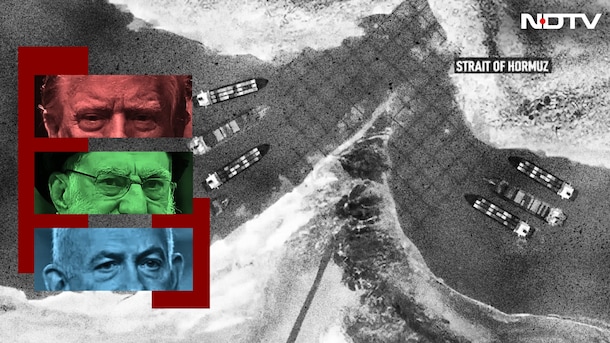
If the Strait of Hormuz is blocked and oil trade is disrupted, the spike in oil prices can be a big blow to oil-importing countries like India. We are very vulnerable to disruptions in the region in view of our stakes there in the size of the diaspora, the volume of remittances and massive imports of oil and gas. The fallout of what is happening is potentially grave for us. For us, de-escalation of the situation is of vital importance.
India's statement on the US/Israeli attack on Iran has been muted. We have not condemned the attack, which is understandable because we did not condemn the Russian military intervention in Ukraine. The issue will come up in the United Nations General Assembly, where our diplomacy will be put to a hard test in the developing situation.
(Kanwal Sibal was Foreign Secretary and Ambassador to Turkey, Egypt, France and Russia, and Deputy Chief Of Mission in Washington.)
Disclaimer: These are the personal opinions of the author
-
Cheap Drones, Claude AI, Cyberattacks: Behind US-Israel's 'New' War On Iran

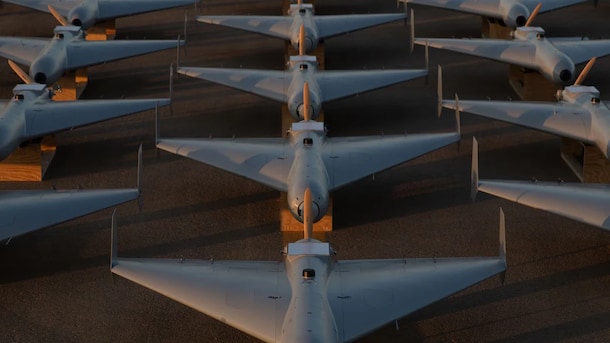
Cyber warfare, Claude, cheap drones - as the US and Israel jointly pound Iran, and Tehran hits back by dragging West Asia into a regional war, are these the backbone of a new kind of military conflict?
-
Opinion | How Khamenei's Killing Is Doing Exactly The Opposite Of What US-Israel Wanted
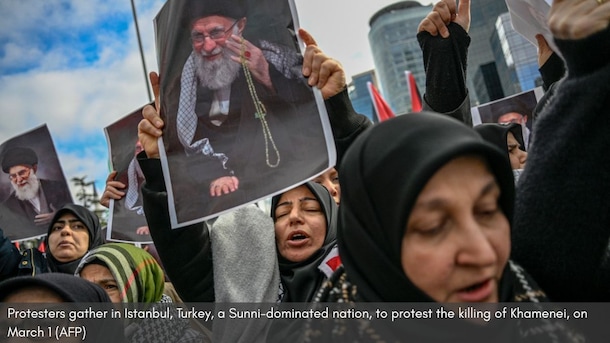
What Israel and the US have done is make Khamenei, who was running a country dealing with extreme economic hardships, protests and internal strife, a martyr. His killing has united Shias and Sunnis across the globe in anger.
-
NDTV Explainer: How Is A Supreme Leader Chosen, Who Will Succeed Khamenei
Khamenei, who ruled for 36 years, built Iran into a powerful anti-United States force, projecting military influence across the Middle East while suppressing repeated domestic unrest with force.
-
Opinion | Who Gets The 'Peace Prize' Now, Mr Trump - The Drones Or The Bombers?
A president who returned to the White House on the promise of ending 'Forever Wars' - and wanted a Nobel Peace Prize, no less - now presides over the largest American military build-up in the region since the infamous Iraq war.
-
Opinion | 'Insider' Info? Why US-Israel Couldn't Have Struck Khamenei Without Help
The only way actionable intelligence would reach Israel and the US on Khamenei's whereabouts, movements, and schedules, is if the calls were coming from inside the house itself.
-
Exclusive: How War In A Narrow Sea Could Reshape Global Economy Overnight
NDTV speaks to industry experts to gauge the impact of a major international conflict on the global shipping industry.
-
Opinion | What's Driving Pakistan-Afghanistan War? Islamabad's Never-Ending Cycle Of Insecurity
Islamabad has accused Kabul of drifting into an "India colony", a charge that was further sharpened following Afghan Foreign Minister Amir Khan Muttaqi's visit to New Delhi last year
-
Behind Arvind Kejriwal's Freedom: The 'South Group' Tag, A US Drugs Case
Special Judge Jitendra Singh also asked searching questions of the Central Bureau of Investigation, the federal agency tasked with building the corruption case against Kejriwal.
-
Opinion | The Hypocrisy Of Pakistan And Turkey's Frustration With India-Israel Ties
Even before the conclusion of PM Modi's visit, editorials and op-eds appeared in Pakistani and Turkish media, indulging in fear-mongering about India and Israel's deepening ties.