Blog | How Did Indians Become So Central To Dubai's Rise? It Goes Deeper Than Oil
The ease with which Indians have made the UAE, particularly Dubai, their home is a familiarity the two nations shared even before the oil boom of the 1970s, or the real estate boom later.
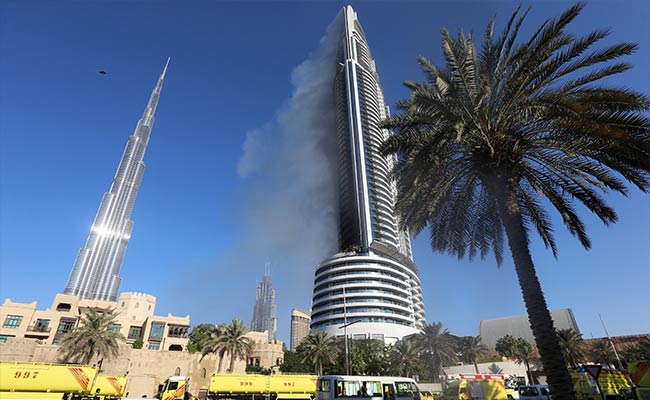
As tear-streaked faces emerged at Delhi airport, returning from Dubai to anxious relatives who waited with folded hands and trembling hope, I found myself confronting a scene I could never have imagined just weeks earlier, as I returned after a short work trip from Dubai, having witnessed the glitter of hope and prosperity firsthand. According to the data released by the Ministry of External Affairs on the population of overseas Indians, the UAE has 35.54 lakh NRIs alone, amongst the Gulf countries.
The ease with which Indians have made the UAE, particularly Dubai, their home is a familiarity the two nations shared even before the oil boom of the 1970s, or the real estate boom later. Long before the United Arab Emirates (UAE) existed, before glass skyscrapers rose from the sands of the Jumeirah, and before oil transformed desert settlements into global cities, Dubai's fortunes were already tied to India. This was not a bond drafted in treaties, but a story 5,000 years in the making. The relationship begins in the Bronze Age, when the Indus Valley Civilisation was among the most sophisticated urban cultures on earth. From ports along the subcontinent's western coast, Harappan traders loaded ships with timber, spices, grain, and crafted goods and sailed west towards Sumer and Mesopotamia, stopping along the Arabian coast. When oil revenue started to flow, and Sheikh Rashid got the resources to transform Dubai, Indian expertise was once again needed in the form of labour, doctors and engineers.
Dubai's Powerful Conviction
For decades, Dubai has been guided by a quiet but powerful conviction: that prosperity anchored in global interdependence can serve as a shield against instability. The emirate deliberately fashioned itself into an essential crossroads of finance, trade, and logistics - a city threaded tightly into the arteries of global capital. Its reasoning was elegantly strategic. If the world's major powers are deeply invested in the seamless flow of commerce through a place, they become equally invested in safeguarding its stability. In making itself indispensable to the global economy, Dubai sought not just growth, but security through relevance.
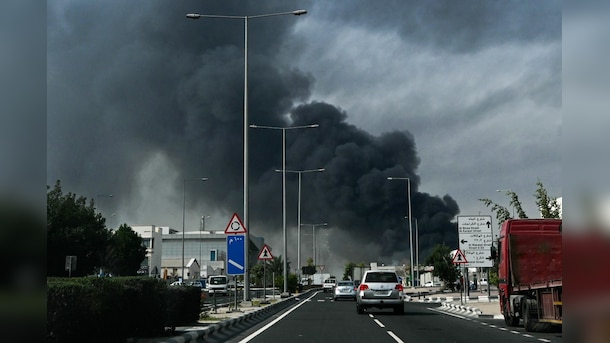
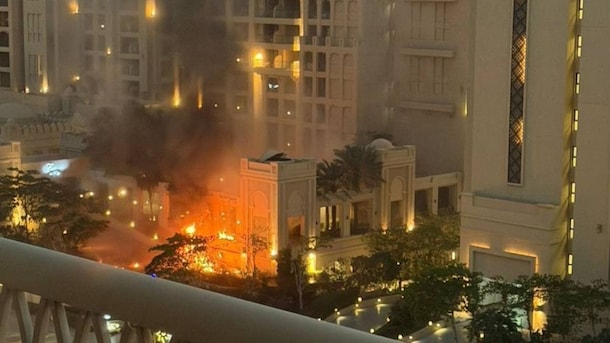
But as Iran targeted Dubai in retaliatory action against the US-Israel attack, these strikes exposed the vulnerability of a crafted stability in a volatile neighbourhood.
'It Made Our Dreams Possible'
On a recent visit to Dubai, I met a few Indian expatriates who had risen to the very top echelons of the city's dazzling skyline. Their stories were not of struggle alone, but of opportunity - of a city that transformed ambition into achievement. Again and again, I heard the same refrain: Dubai made our dreams possible. For them, Dubai was not a distant foreign land. It was home: a city only a few hours away from India, yet vast enough to hold their boldest aspirations.
To all of them, I posed a simple question: "Why Dubai?" One factor stood above the rest: safety. Dubai is counted among the safest cities in the world, a place where security is not a privilege but a guarantee. Mazhar Farooqui, a fellow journalist with The Khaleej Times, says it's the zero tolerance for crime on the streets that makes this city the safest for women and a reason for many expats to settle down here with their families. A Forbes report says Dubai now ranks No.1 because, among other factors, it was given the highest scores for safety and walking alone at night.
'Mumbai, But Cleaner, And Minus The Traffic'
But safety alone does not build a global city. Dubai makes business not just possible, but effortless. With minimal bureaucracy and a reputation for clean governance, it has created an ecosystem where ambition moves without friction - no red tape, no corruption, no unnecessary hurdles. This is the reason Kalpesh Kinariwala established the Pantheon Development here in Dubai in 2016 and is now a trusted name in the real estate sector. When I met him at his upscale office in the Lamborghini building, he said to me, "It's like living in a cleaner part of Mumbai minus the traffic. I can reach home in Gujarat in less time than I would be stuck in a traffic jam in Mumbai." Since founding Pantheon in 2016, Kalpesh has been dedicated to transforming Dubai's real estate landscape by bridging the gap between aspiration and affordability. His vision is clear: luxury is a right, not a privilege.
Dubai is a land built on acceptance and tolerance, where diversity is woven seamlessly into daily life. Surender Singh Kandhari, Chairman and founder of the Al Dobowi Group, is an example of this interfaith harmony. He has represented Dubai internationally at many interfaith conferences and is responsible for opening the first Gurudwara in Dubai, which runs a "langar" that feeds over 4,000 persons a day. What started as an exploratory visit to Dubai in 1975 by Kandhari led to the creation of a multinational company with diverse business interests. He says, "I have seen Dubai rise from the Camel to the Cadillac to Rolls Royce." As an avid golfer, he is a founding member of the Emirates Golf Club, where he has served as the Golf Club Captain. In 2018, he made the Forbes list of the top 100 Indian business leaders in the Middle East.
From 'Regal Man' To Raju Omelette, Home To All
If you are an Indian in Dubai, you will definitely have met Vasu Dada Shroff, a textile tycoon and philanthropist. As I sipped masala chai in his office at Bur Dubai, he told me how he had seen Dubai come into existence as a nation. When he arrived here, it was just sand. Now he is known as "The Regal man" of Dubai, the owner of the Regal group and philanthropist who played a pivotal role in establishing a Hindu temple in the city. He was the first Indian business leader to receive the Golden Visa in 2019. He now ranks amongst Forbes Middle East's Top 100 Indian Leaders and has helped countless individuals overcome personal struggles. He has received India's highest overseas civilian honour for the good work he does.
The sheer number of Indians in the UAE, particularly in Dubai and Abu Dhabi, has given rise to countless Indian joints and street food ventures. Some like Raju Omlette stand out. It was founded in June 2013 in Al Karama by Rajiv Mehrish and his son, Nakul. The restaurant specialises in Indian street-style egg dishes, inspired by a concept Rajiv observed during a trip to Vadodara, India. It has grown into a popular, homegrown brand in Dubai.
Safety, security, ease of business. Together, these factors propelled Dubai into becoming one of the most sought-after destinations in recent years. The real estate boom even gave rise to a popular joke: most people who visit Dubai return home having bought a house. And in that soaring skyline - in steel, glass, and vision - there is a distinct Indian imprint. Dubai can't be reduced to the smoke and the fear enveloping that skyline today.
(The author is Senior Editorial Advisor and Anchor, NDTV India)
Disclaimer: These are the personal opinions of the author
-
Opinion | The Eerily Familiar Game Behind China's Silence On Iran

What looks like a setback for Beijing in West Asia might actually be more leverage - a chance to build long-term capital without firing a single shot.
-
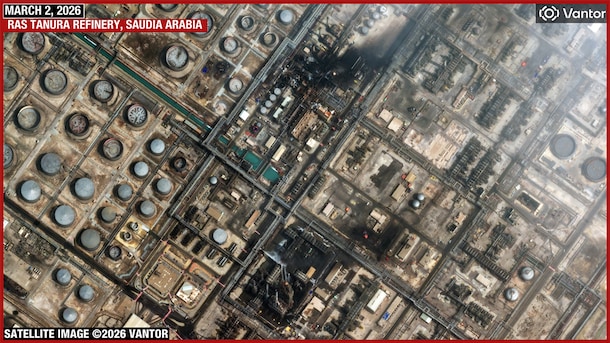
Satellite Pics Show Extent Of Damage By Iran Drones At Saudi Aramco Refinery
Iran Supreme Leader Ayatollah Ali Khamenei was killed on Day 1 of the US-Israel attacks and his death has further complicated an already tense geopolitical situation.
-
Opinion | How America Is Quietly Profiting Off The Oil Chaos In Gulf
In 2008, the high oil prices had helped kickstart the shale oil industry in the US. Something similar may be happening now.
-
From Aircraft To Lives: Why "Friendly Fire" Can Be Such A Big Enemy
There is not even a millimetre of room for error in judgment - and this is one of the biggest contributors to friendly fire incidents
-
Opinion | Gulf Confronts An Ugly Truth About Aligning With America
That Iran is attacking bases and other sites in the UAE, Qatar, Bahrain, Saudi Arabia - even Oman - has caused disillusionment in these countries, which thought that they were protected by the US. They are now learning they're not.
-
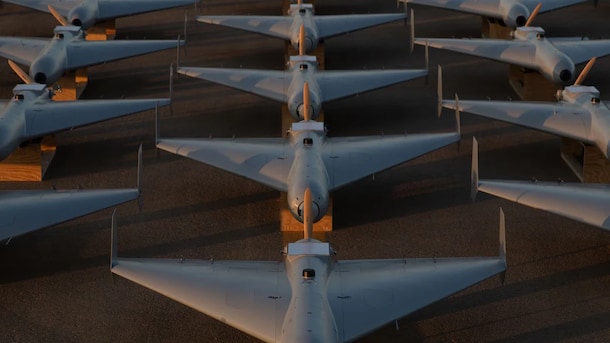
Cheap Drones, Claude AI, Cyberattacks: Behind US-Israel's 'New' War On Iran
Cyber warfare, Claude, cheap drones - as the US and Israel jointly pound Iran, and Tehran hits back by dragging West Asia into a regional war, are these the backbone of a new kind of military conflict?
-
Opinion | How Khamenei's Killing Is Doing Exactly The Opposite Of What US-Israel Wanted
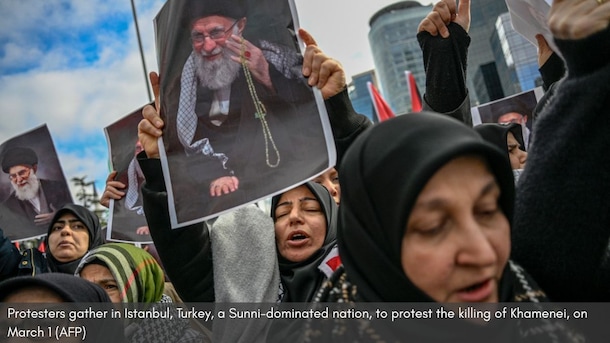
What Israel and the US have done is make Khamenei, who was running a country dealing with extreme economic hardships, protests and internal strife, a martyr. His killing has united Shias and Sunnis across the globe in anger.
-
NDTV Explainer: How Is A Supreme Leader Chosen, Who Will Succeed Khamenei
Khamenei, who ruled for 36 years, built Iran into a powerful anti-United States force, projecting military influence across the Middle East while suppressing repeated domestic unrest with force.