Opinion | A BAFTA Award, Straight From The Ashes Of Manipur's Moreh
The shooting for 'Boong' in Moreh wrapped up barely a week before violence engulfed the township. Many who stood behind and before the camera are today internally displaced.
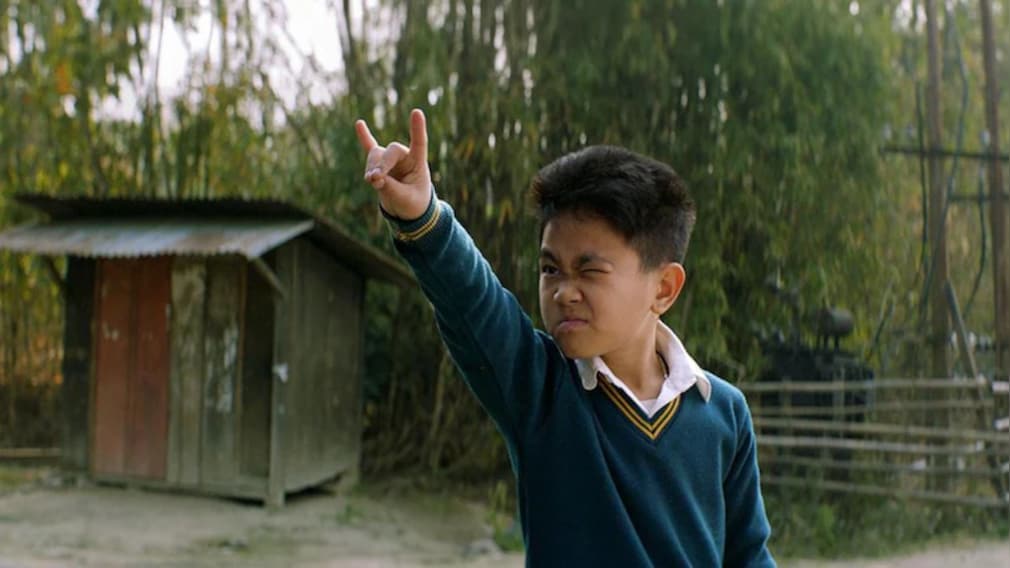
For once, Manipur is in the national and global gaze for the right reason. The Manipuri-language film Boong has won the British Academy of Film & Television Arts (BAFTA) award in the Children and Family category, the first time an Indian film has claimed that honour. At the grand stage of BAFTA, a small film from a troubled corner of the Northeast rang a bell that could be heard across continents.
Let us also be honest: for nearly three years, Manipur has occupied the national consciousness for all the wrong reasons - ethnic violence, displacement, and the painful reality of buffer zones dividing neighbour from neighbour since May 2023. Highways have fallen silent. Townships have burned. Trust has thinned like old paper.
The Town That Once Was
Written and directed by Lakshmipriya Devi, or 'LP', as she is fondly called by her associates, the film tells the story of a boy searching for his missing father, hoping to reignite happiness for his mother. The child protagonist, played by Gugun Kipgen - a Kuki boy portraying a Meitei character - journeys towards Moreh, the border town that later erupted in flames. The irony is sharp: the shooting in Moreh wrapped up barely a week before violence engulfed the township. Many who stood behind and before the camera are today internally displaced. The Moreh preserved in Boong may well be the last visual memory of the town that was.

(In photo: A file picture of the border town of Moreh, which saw violent clashes during the ethnic conflict of 2023-24. Today, many who stood behind and before the camera during the making of Boong in the town are internally displaced.)
Both communities that now stand estranged participated in the making of this "small film with a big heart". In that sense, Boong is a reminder that Manipur's social fabric, though frayed, was once interwoven in everyday collaboration. LP's camera caught what politics failed to protect.
But while the symbolism is powerful, one must not romanticise the achievement without acknowledging the labour behind it. Credit must go squarely to the director and producers who chose to back a regional-language story in an era obsessed with crime and spectacle. Supporting Manipuri content is not a commercially safe bet. It demands conviction - in story, in language, in people.
Those Who Paved The Way For Boong
This moment should also be seen from a historical perspective. Long before Boong, Manipuri cinema had already stamped its artistic depth. In 1981, Imagi Ningthem, directed by the doyen Aribam Syam Sharma and based on a story by Maharaj Kumari Binodini Devi and shot and produced by Kongbrailatpam Ibohal Sharma, won the Grand Prix at the Festival des 3 Continents in Nantes - the first Indian film to do so. A decade later, Ishanou, again a collaboration between Binodini Devi and Aribam, was officially selected in the Un Certain Regard section of the Cannes Film Festival. Its digitally restored version returned triumphantly in 2023 to the Cannes Classics section, reaffirming that Manipuri cinema had already carved a space in the world cinematic landscape.
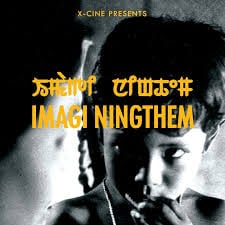
A still from Aribam Syam Sharma's 1981 classic Imagi Ningthem
However, there are hard truths: Manipur lacks the institutional and structural ecosystem that talents deserve. For decades, filmmakers here have worked with shoestring budgets and stubborn willpower. In the early 2000s, when insurgency and economic blockade choked theatrical exhibition, Manipur led the country in producing low-budget video features - sometimes 50 to 60 films annually. It was, by necessity, a parallel film economy driven by passion rather than profit. Today, the industry has transitioned into digital production, averaging around 20 to 25 certified features annually. This is no small feat for a state of its size.
Importantly, it was through persistent advocacy by Film Forum Manipur that video films were eventually made eligible for entry into the National Film Awards - a structural change that acknowledged the reality of regional production practices. That insistence altered policy. It democratised recognition.
Even within constraints, institutional stirrings have begun. The Manipur State Film Development Society (MSFDS), despite limited funds, has pushed forward with incubation labs, documentary mentorships, and screenwriting project workshops. Collaborations such as the' Imphal Documentor', in partnership with the Documentary Resource Initiative, Kolkata, have nurtured documentary projects that are now drawing national and international attention.
Thokchom Borun's anti-war documentary Battlefield has been hailed by critics as among the most outstanding works of its genre. Meena Longjam's Andro Dreams, chronicling an all-women football club, has travelled to global platforms. In fiction, projects like Night & Day, incubated in MSFDS's Screenwriters' Lab, have reached Film Bazaar pitching forums and attracted institutional interest.

A still from Thokchom Borun's Battlefield, which revisits the devastating impact of WWII on Manipur
As film curator and writer Somi Roy aptly observes, authenticity finds its audience. Lakshmipriya Devi not only directed Boong but also wrote its story and screenplay, rooting it deeply in Manipuri ethos. Local language. Local landscape. Local emotion. That is not provincialism, but artistic strength. Around the world - from Iran to South Korea - state-supported ecosystems have nurtured small industries that now command global respect.
Manipur stands at a similar crossroads. Human resource or talent is not the question. This is a state that has produced Olympians, world champions, scholars, and artists disproportionate to its population. The same discipline and creative instinct course through its filmmakers. What is lacking is sustained infrastructure: film schools with stable funding, production grants, post-production facilities, distribution networks, archival preservation, and policy continuity.
To be blunt, talent alone is not enough. Without an enabling ecosystem, brilliance exhausts itself. If the state sees cinema merely as entertainment, it will miss the point. In a land fractured by competing narratives of history and belonging, storytelling is not a luxury but a necessity. Films like Boong do what official statements can't: restore human faces to headlines. They preserve memory before it is erased.
Boong Is A Call
This BAFTA is not a trophy to be garlanded and forgotten. It is a call - a call to the government to invest seriously in institutional frameworks. A call to private stakeholders to recognise that regional cinema is not charity but cultural capital. A call to filmmakers themselves to hone craft relentlessly - to risk failure, to fall and rise again. There is no shame in falling. The only shame lies in never being given the ground to stand on.
Boong has opened a window. Through it, the world has glimpsed a Manipur beyond violence - a Manipur of tenderness, collaboration, and quiet resilience. Whether that window remains open depends not on the bell that rang in London, but on decisions taken closer to home - in Imphal, and in Delhi, to nurture storytelling in motion.
(Sunzu Bachaspatimayum is an award-winning filmmaker, journalist, writer, and media consultant based in Imphal. He also serves as Secretary of the Manipur State Film Development Society)
Disclaimer: These are the personal opinions of the author
-
Blog | The Dantewada Massacre, And What India Needs To Do To Stay Maoist-Free

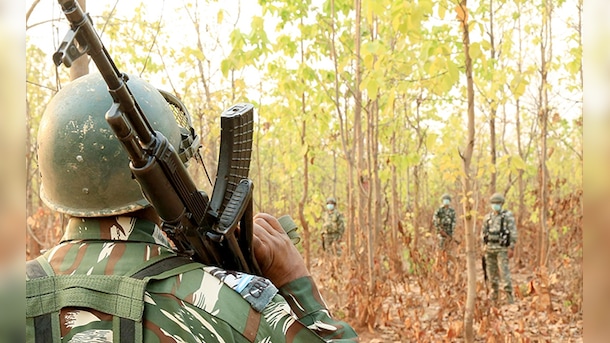
In 2010, I was Assistant Chief of the Air Staff controlling transport aircraft and helicopters, and on April 6 that year had to arrange An-32 aircraft to carry coffins of 75 CRPF jawans.
-
Opinion | How Iran Has Pierced The One 'Shield' That Protected America For 30 Years
In the past, US campaigns in Iraq, Afghanistan and Libya were conducted against relatively weak air defences. That has not turned out to be the case with Iran, puncturing the long-held myth of America's 'indomitable' air power.
-
Opinion | The Quiet 'Upheaval' Within US Military Over The Iran War
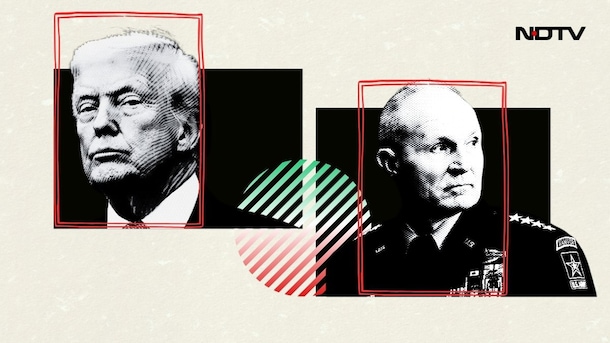
General Randy George's ouster carries echoes of a similar episode in 2003, in the run-up to the Iraq war. But much more is happening within the US military, courtesy Hegseth.
-
How Iran Sucker-Punched Trump Into 'Escalation Trap' 'Hellhole'
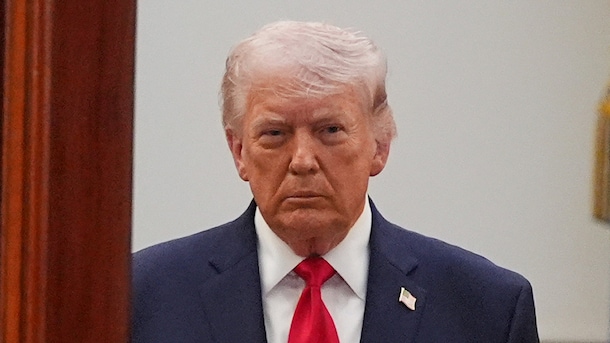
Trump is now under pressure, not just from allies but also within; the President's approval rating is the lowest it has ever been with mid-term elections in November.
-
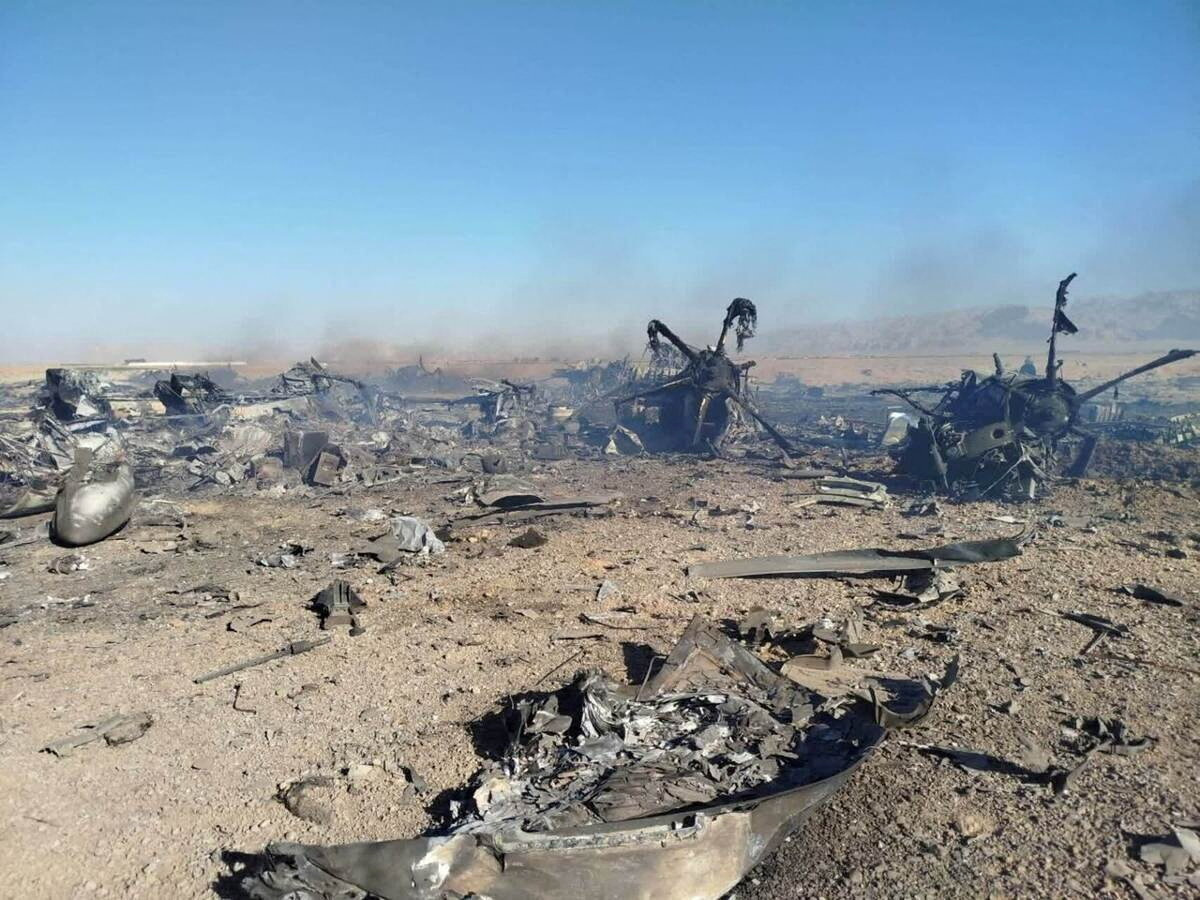
Eagle Down: How US Carried Out Precision Search And Rescue Op In Hostile Iran
How the United States transformed a tactical failure into a narrative of national resolve.
-
Opinion | 450 Missile, 2,000 Drone Attacks Later, Why Is UAE Still Not Fighting Iran?
The UAE is Iran's second-largest trading partner and also home to roughly half a million Iranians. Why, then, has it absorbed more fire than any other Gulf state?
-
In Numbers: How Has India Kept Fuel Prices Low Even As Europe Sees 70% Spikes?
India imports 88% of its crude. Why then is it not seeing massive price hikes for fuel and LPG? Inside the unique strategy it's following...
-
Opinion | India Just Decided To Let Chinese Capital In Again. But There's A Catch
In March 2026, India eased regulations that had restricted Chinese capital in local companies, in a development that marks New Delhi's cautious approach towards capital flows from Beijing.
-
Trump's Iran 'Knocked Out' Claim Blown Up By US Intel On Missiles, Drones
Donald Trump claimed this week the war would end in two to three weeks as he threatened to send Iran back to the Dark Ages. But based on these reports the fighting is far from over, even if US President wants to push a contrary narrative.
-
Opinion | Rs 30 Petrol Hike To Currency Crisis, What Oil At $150 Can Really Do To The World
At $125 per barrel, petrol and diesel retail prices will need to rise by Rs 8-14 per litre. At $150 - which experts think is now likely - these figures could touch Rs 26-30 per litre.