Opinion | The 'Quiet Panic' That Led To Trump Blinking On Anti-India Tariffs
Experts estimate that core goods inflation in the United States is expected to increase this year, reaching levels comparable to the 2008 financial crisis.
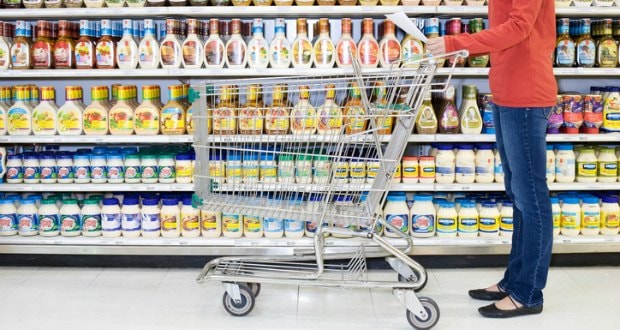
In recent years, India has concluded several bilateral trade agreements, including with the UK, Oman, and the EU. Another notable development is the announcement of an interim trade agreement between India and the United States. Although early discussions centred on a comprehensive, multi-sector agreement focused on market access and reducing trade barriers, the decision to settle for an interim deal appears influenced by broader factors. Rising inflation in the US, particularly following tariffs in sectors such as household durable goods, food and beverages and textiles, may have prompted a recalibration of trade relations.
US Inflation Was Rising
India has become an increasingly important supplier within the United States' import structure. In 2024-25, Indian exports to the US totalled approximately USD 86.51 billion, representing around 2.6% of total US imports. This role is particularly evident in several sectors, with India supplying approximately 9.2% of US textile and apparel imports, roughly 3.2% of housing-related consumer durables, and nearly 5% of food and beverage imports during that period. These figures indicate India's growing integration into key segments of the US consumption market.
(The link between tariffs and inflation has prompted the US to deploy compensatory measures)
At the same time, the United States has implemented a series of tariff increases affecting a broad range of Indian exports. Inflation within the sectors under consideration, as measured by the Consumer Price Index (CPI), remained positive throughout this period. Specifically, for January 2025-26, CPI inflation was approximately 2.9% for food and beverages, 1.7% for textiles and apparel, and 3.9% for housing-related consumer durables. Notably, larger movements in inflation were observed following the tariff notifications issued in August 2025. While multiple factors likely contributed, the timing suggests that recent trade measures may have played a role alongside other domestic and global influences in shaping observed price trends.
Americans Felt The Pinch
Recent inflation forecasts highlight concerns regarding tariff pass-through for domestic policymakers. According to RBC Economics, core goods inflation in the United States is expected to increase this year, peaking at approximately 3%. These figures are comparable to levels observed during the 2008 financial crisis in the United States.
Empirical research increasingly supports the link between tariffs and price pressures. Research from Federal Reserve organisations, including the Federal Reserve Bank of St. Louis, has provided evidence that the recent increase in tariffs indeed contributed significantly to the growth in consumer prices.
This observed link between tariffs and inflation has prompted the US to deploy compensatory measures. One example has been the expansion of federal support packages for American farmers as agricultural producers were among the most visible casualties of retaliatory tariffs, prompting administrations to authorise significant amounts in relief and subsidy programmes. These transfers acknowledge that trade restrictions can generate domestic economic stress requiring fiscal mitigation.

(India supplies approximately 9.2% of the US' total textile and apparel imports)
Federal Reserve data indicate that overall consumer goods production increased modestly in 2025, with output rising by approximately 0.7% in December 2025 compared to earlier months. Food and beverage manufacturing, a non-durable good, recorded mild gains consistent with short-term adjustments in domestic supply. Production of household durable goods, including appliances and furniture, also edged upward, reaching an industrial production index of approximately 81.9 in December 2025, slightly higher than levels earlier in the year. In contrast, textiles and apparel production remained subdued, with available data indicating stagnation or decline through 2024-25, reflecting longer-term structural constraints within the sector. Overall, the data suggest that while certain industries experienced short-run increases in domestic production, these gains were modest and uneven, and do not indicate a broad-based or sustained expansion in US manufacturing capacity.
There's More To The Tariff Rollback Than Diplomacy
Against this backdrop, the newly announced US-India trade adjustments assume increased economic significance. The reduction of tariffs on exports from India - including textiles, engineering goods, and industrial components - should not be understood solely in the context of Indo-US bilateral relations. Rather, this adjustment aligns closely with established anti-inflationary economic principles, aiming to eliminate artificial cost escalations that contribute to underlying price increases.
This reading does not eliminate the geopolitical or strategic aspects of the Indo-American relationship. Indeed, the diversification of supply chains, Indo-Pacific alliances, and technological partnerships continue to drive significant forces. Nevertheless, the economic environment within which this tariff rollback occurs should not be overlooked. Policy shifts in trading relations seldom occur in economic isolation, especially with inflation dominating the economic policy debate. After all, trade agreements are intended to increase consumer choice and reduce inflation.
(The authors are research consultants at Chintan Research Foundation)
Disclaimer: These are the personal opinions of the author
-
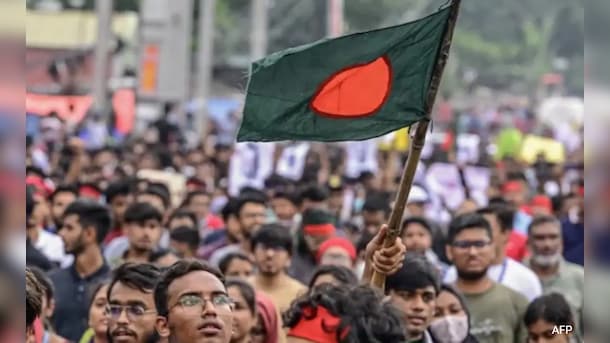
Opinion | In Bangladesh, A Story Of Many Wins

The rain is over, and the clouds are clearing. Now, the hard work of rebuilding a nation begins, and India must be standing right there alongside as a friend.
-
Opinion | Delhi Scorpio Tragedy: Why These Four States Top The Hit-And-Run List
The share of hit-and-run cases in total road fatalities has expanded from roughly 13-14% to nearly 18%, indicating that fleeing the scene has become a pattern in a growing proportion of fatal crashes.
-
Opinion | Will Iran Actually Use Its Catastrophic 'Strait Of Hormuz' Card Against US?
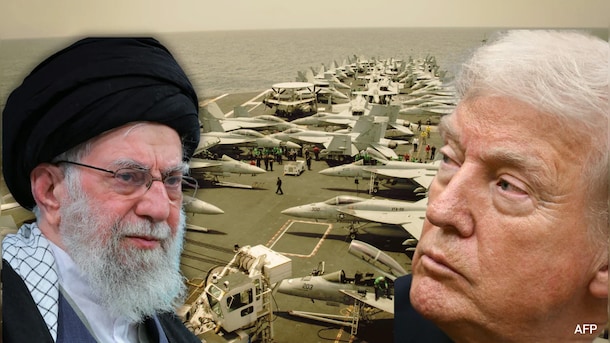
Should the US launch any attacks on Iran - and every indication is that it means to very soon - it will be to implement a regime change. In which case, Iran could be forced to adopt extraordinary measures.
-
The Hormuz Threat: Iran's Most Powerful Card Against The US
In Tehran, Iran's Supreme Leader Ayatollah Ali Khamenei has responded with rhetoric that leaves little room for ambiguity. American power, he said, would not succeed in destroying the Islamic Republic.
-
Opinion | India's Northeast Has A New Problem - 'Jamaat' Surge Along Bangladesh Border
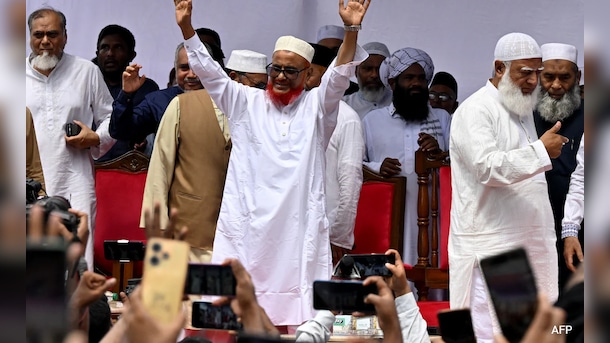
Most of Jamaat's victories have come from the north-west and south-west regions adjoining Indian states such as West Bengal, Assam and Meghalaya.
-
Opinion | 'AI-Enabled' Soldiers? What An India-China-Pak Crisis May Soon Look Like
AI compresses the decision-action loop, turning hours of analytical deliberation into seconds of machine-assisted judgment. In warfare, that compression is the difference between survival and defeat.
-
Opinion | Pak 'Impostors' To Jamaat Trolls, The Sea Of Misinformation Around Bangladesh Polls
The largest single spends on social media were from DailyNews24, which masquerades as a news organisation but is, in reality, a Jamaat organ. The second and fourth spenders are also Jamaat sites.
-
4 States, 4 Elections, 4 Potential Crises For Congress Hoping For Poll Wins
Four states - Kerala, Bengal, Tamil Nadu, and Assam - are scheduled to hold Assembly elections in April/May, with the Congress seen as strong contenders in the former.
-
Opinion | What ChatGPT Is Now Doing With Your Darkest 'Secrets'
For over three years now, millions across the world have treated ChatGPT like a confidante. And one company - OpenAI - holds the keys to this vast digital locker.
-
Opinion | 'Team Rahul' And 'Team Priyanka': Inside Congress' Plans For Kerala And Assam
The two siblings don't function at cross-purposes or differ on key ideological issues. However, in practice, they are often seen following slightly different 'chaal, chalan, chehra', as they say, from each other.