Opinion | In 'Dhurandhar', More Gang Wars Than Spy Wars
What Dhurandhar has in common with the other big Hindi hit of the year, Saiyaara, a romantic tale about a soft boy and his lost love, is great music and lack of pre release marketing hype

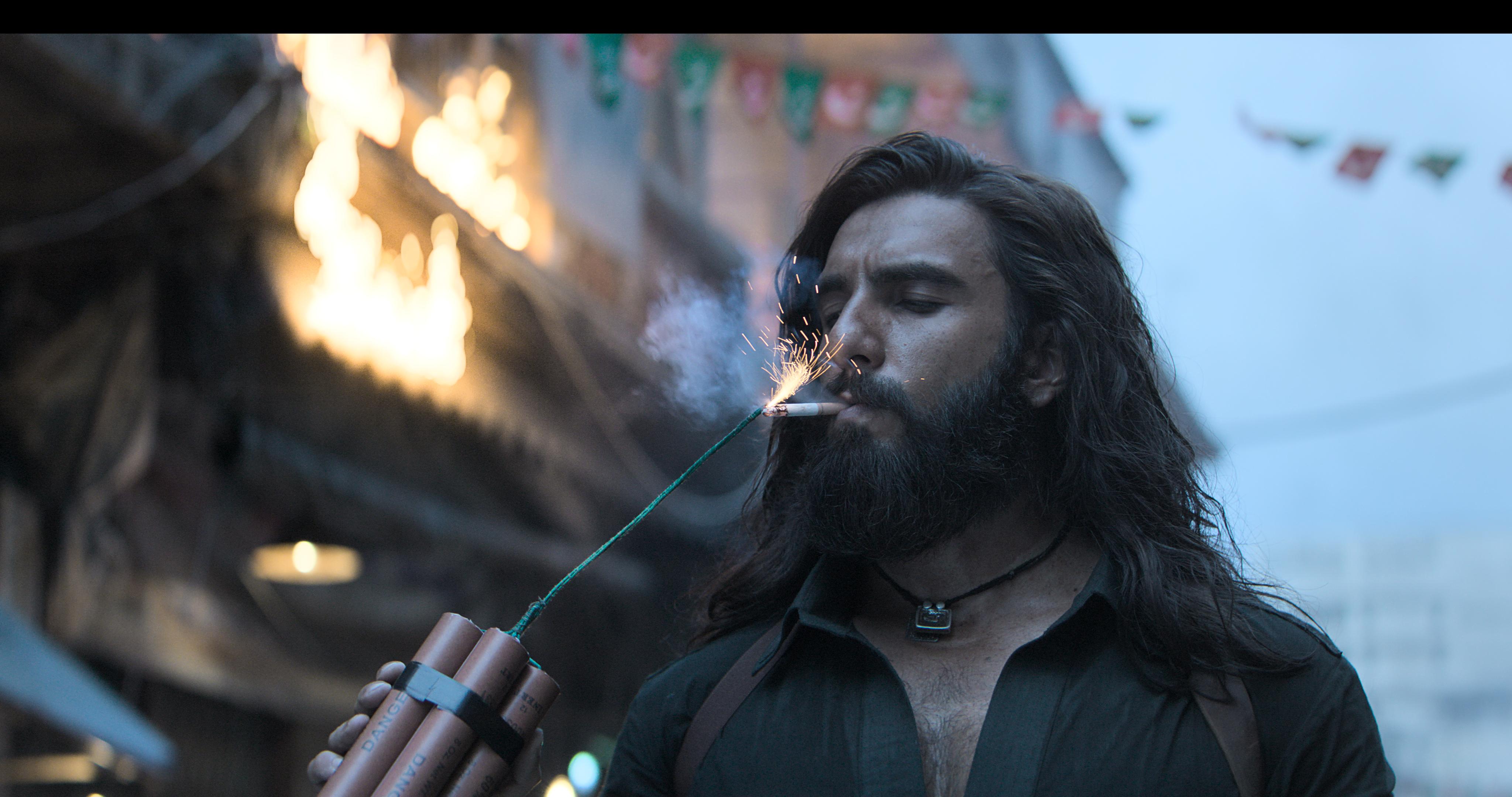
It's a massacre at a grand wedding in Karachi, as two gangs, one led by a Baloch, another by a Pathan, turn their guns on each other. The music accompanying the shootout is Rambha Ho, a weaponised version of a Goa Carnival-based song from the 1981 film Armaan. It pretty much signals the way the rest of the movie will go, creating a new genre that can only be described as a gangster musical.
Following Hamza Ali Manzari's rise in Rehman Dakait's gang in Lyari, Karachi's old town, Dhurandhar focuses on the characters there, the rivalries, the friendships, and the relationships. Think Ram Gopal Varma's Satya about the Mumbai underworld, place it in Karachi, and set it to out-of-the-box music, and you have a genre-defying movie like Dhurandhar which has already made Rs 483 crore at the Indian box office. Just as Satya tells the story of Satya, a fresh immigrant to Mumbai, and Bhiku Mhatre, an underworld gang leader, Dhurandhar follows Manzari and Company in Lyari. As in Dhurandhar, the men are covered under layers of make-up which is emblematic of the grime and grisliness of their work. And their language is as coarse as their clothes.
When Satya was released in 1998, it came on the heels of a succession of family friendly films with love as the central theme. Films such as Hum Aapke Hain Koun (1994), 1942: A Love Story (1994), and Dilwale Dulhaniya Le Jayenge (1995) seemed to have established the dominance of good looking actors and great locations. Then Satya came as a clutter breaker, anointing Ram Gopal Varma as a fresh new voice and Manoj Bajpayee as the new star.
Not surprisingly Varma has praised Dhurandhar as a "quantum leap in Indian cinema" and its director Aditya Dhar has responded by saying he "felt seen". The film has worked with audiences not because of its politics but in spite of it. Most viewers have not understood or cared about the nuances of the intense rivalry between spymasters AS Dulat (former head of R&AW) and Ajit Doval (currently National Security Adviser, then head of Intelligence Bureau) or the reference to Zia-ul-Haq's doctrine of bleeding India by a thousand cuts, inspired by Zulfikar Ali Bhutto's threat of a thousand year war with India or even India's covert operations in Balochistan.
Just as in Satya, where Bhiku Mhatre ("Mumbai ka king kaun?"), became the star, in Dhurandhar, it is the villains, Akshaye Khanna, portraying Rehman Dakait aka Sher e Balcoh, and Rakesh Bedi, playing Lyari's unprincipled politician and generally oily man Jamal Jalaali, who have emerged with rave reviews. Billed as a Shashwat Sachdev musical, the film uses music strategically to introduce key characters in ways that virality is ensured, whether it is the Flipperachi song for Khanna's entry at a Baloch wedding or Hasan Jahangir's Hawa Hawa for Sanjay Dutt, who plays the diabolical SP of Lyari.
Understandably, the portrayal of Karachi as a nest of vipers and villains has not gone down well across the border. But BBC's documentaries such as The World's Most Dangerous City (2017) and its stories on the rise of football and music there show both the truth and the changing nature of the dreaded neighbourhood.

It is not to say that the film is divorced from politics. Clearly, it is driven by a nationalistic agenda that mirrors Doval's thinking about tackling terror emanating from Pakistan, and the now jaded jargon of Naya Hindustan's ghar main ghuske marna. But other movies have tried their hand at dog whistle politics in the last two years and failed spectacularly, most notably Vivek Ranjan Agnihotri's The Bengal Files, Dheeraj Sarna's The Sabarmati Report, and Tushar Amrish Goel's The Taj Story. While The Bengal Files talked of the consequences of Direct Action Day in Bengal, The Sabarmati Report focused on the deliberate Godhra train fire, and The Taj Story tried to expose the "hidden truths behind the Taj Mahal".
What has worked in Dhurandhar is that it is a tale well told, with conviction. It is divided into chapters, which facilitates viewing for a generation used to streaming shows; it has foot-tapping music with collaborations between global Indian artists such as Diljit Dosanjh and Hanumankind, and it has the kind of violence which has now been widely accepted, including severed heads, chopped fingers and poetically shot scenes involving all kinds of guns.
There is always something heroic about a lone man taking the fight into the enemy camp. The last time it was done so successfully was in Gadar: Ek Prem Katha in 2001 which was essentially Ram taking the battle over an abducted Sita into Ravana's turf. But again most viewers who flocked to in droves did not see it as India-Pakistan war by any other means. Instead, it was a strong narrative, told with flair and audacity.
What Dhurandhar has in common with the other big Hindi hit of the year, Saiyaara, a romantic tale about a soft boy and his lost love, is great music and lack of pre release marketing hype. Both films were "discovered" by audiences, who were led to them by a good soundtrack.
If not a watershed moment for Indian cinema, it certainly raises an important question about it: is over hyping killing the Hindi film? Perhaps Hindi filmmakers should focus more on the craft of telling a good story rather than the craft of selling a movie.
(The author is a journalist)
Disclaimer: These are the personal opinions of the author
-
Opinion | Rs 30 Petrol Hike To Currency Crisis, What Oil At $150 Can Really Do To The World

At $125 per barrel, petrol and diesel retail prices will need to rise by Rs 8-14 per litre. At $150 - which experts think is now likely - these figures could touch Rs 26-30 per litre.
-
Opinion | The Problem With Trump's Fantasy Of A 'Crippled' Iran
Even a relatively insulated US economy cannot entirely escape the ripple effects of sustained disruptions in one of the world's most critical energy corridors.
-
Opinion | Trump's Iran War Is About To Become Someone Else's Problem Soon
Start alone, end alone - that may be the harshest lesson for Trump as he now tries to dash for the door in Iran.
-
What Happens If Iran War Actually Ends In 2 Weeks: The Challenges Ahead
Trump said the war could end in two weeks sans a deal to re-open the Hormuz. Analysts say it could take six to weight weeks more for oil flows to normalise, with each extra week of fighting adding seven to 14 days of recovery.
-
Opinion | Why 2 Gulf States Want Iran War To Continue - Even As They're Battered By It
If Trump withdraws from this war, the UAE, Saudi Arabia and other Gulf countries would be left to face the music alone, with an angrier, fiercer, and possibly more vengeful Iran.
-
Opinion | Why A 'Defeat' Is Now Essential For The Disoriented Left In Kerala
Power and arrogance have turned the Left in Kerala into what it once fought against. It now needs to lose its last bastion to cleanse itself of its maladies.
-
Opinion | On April Fools' Day, A Reality Check For US, Iran And The World
The paradox is this: Iran wins simply by surviving, while the US must achieve a far more overwhelmingly convincing result to claim success.
-
Opinion | Pakistan, And The One Big Difference Between 'Broker' And 'Mediator'
Neither Washington nor Tehran appears willing to invest Pakistan with the political capital required for mediation.
-
Houthis Threaten Strait No 2 As Iran War Expands. What It Means For India
Yemen's Houthi rebels have opened a second front in the Iran war, threatening Bab al-Mandab just as the Strait of Hormuz comes under pressure, and squeezing one of the world's most important oil corridors from both ends.