In Bangladesh, A Story Of Many Wins
The rain is over, and the clouds are clearing. Now, the hard work of rebuilding a nation begins, and India must be standing right there alongside as a friend.
As a member of the Indian Parliament, I have watched the unfolding events in Dhaka with a mix of cautious optimism and profound respect for the democratic resilience of our neighbour. The 2026 general election in Bangladesh, which saw the Bangladesh Nationalist Party (BNP) return to power with a sweeping mandate, is not merely a change in government; it is a seismic shift in the political landscape of South Asia.
I find myself in complete agreement with the recent reflections of my dear friend Mahfuz Anam, a veteran Bangladeshi editor, who characterises this election as the moment that has truly "saved" his country. From my vantage point in New Delhi, I believe it is essential for us Indians to understand and respect the core arguments he has made: that this transition represents a triumph of public will over authoritarianism, a rejection of regressive extremism, and a unique opportunity for India to reset its relationship with a democratic and stable Bangladesh.
The Civic Engagement Must Be Applauded
The foundation of this new era was laid long before the first ballot was cast. The transition began with the extraordinary student-led uprising in 2024 (the "Monsoon Revolution"), which dismantled an autocratic regime that many believed was immovable. As an Indian lawmaker, I am struck by the sheer scale of civic engagement that has followed.
The 2026 polls recorded a turnout of 60%, a sharp and healthy rise from the 42% seen in the previous, widely boycotted electoral cycle. This is the clearest evidence that the people of Bangladesh have reclaimed their stake in the state. For years, the narrative in the region was one of "democratic backsliding", but Dhaka has proven that when institutions are pushed to the brink, the collective will of the general populace, led by the youth, can forge a path back to legitimacy.
The youth didn't gain politically from their own revolt. Instead, the BNP, led by Tarique Rahman, triumphed after twenty years in the political wilderness, in a comeback of historic proportions. Critics often pointed to the party's past baggage, but this campaign was markedly different. Under Rahman's leadership, the BNP positioned itself as the guardian of the "July National Charter", a package of sweeping constitutional and institutional reforms designed to prevent the return of one-party rule. It disavowed some of its previous transgressions and promised to govern from the centre.
A Reassurance For India
By securing a two-thirds majority (212 seats), the BNP has been given the mandate it needs to govern effectively. However, the most significant takeaway for us in India is the party's conscious pivot toward inclusivity. In his maiden address as Prime Minister, Tarique Rahman vowed to make Bangladesh a safe haven for "all faiths - Muslims, Hindus, Buddhists, and Christians." For those of us in India (including the Parliamentary Standing Committee on External Affairs) who have raised concerns about the safety of minorities in Bangladesh, these words are a welcome and necessary assurance.
The Jamaat Snub
One of the most insightful points made by Bangladeshi observers like Mahfuz Anam relates to the rejection the voters delivered to the more regressive elements of the political spectrum. While the Jamaat-e-Islami saw an increase in its seat share, the electorate ultimately placed them in the opposition. The voters, particularly women and the youth, demonstrated a sophisticated discernment. They supported the call for reform but rejected the regressive rhetoric concerning women's rights and religious conservatism that surfaced in the Jamaat's statements during the campaign.
This "Jamaat Snub" is vital for those watching in India and anxious for stability. It signals that the new Bangladesh is moving toward a centre-right, nationalist, yet pluralistic identity, rather than an Islamist one. This distinction is crucial for India's security interests, as a stable, moderate neighbour is the best bulwark against radicalisation across our shared borders. Knowing that Pakistan is all too ready to fish in troubled waters, an outsized Jamaat influence on government could have opened the door to meddling next door against our vital interests.
A Break From The Past
Perhaps the most urgent point for us in New Delhi to grasp is the opportunity for a reset. For too long, Indian foreign policy was perceived as being tethered to a single political entity in Dhaka. The fall of the previous regime and the subsequent rise of the Jamaat and the students initially caused jitters in our governing circles. However, the swift move by Prime Minister Narendra Modi to congratulate Tarique Rahman on his and the BNP's decisive win signalled that for India, pragmatic diplomacy in the subcontinent comes ahead of political rhetoric targeting voters in West Bengal and Assam.
A new Indian High Commissioner will be appointed, untainted by association with the troubled recent past relationship, to take this process forward. The likely nominee is an outstanding officer with whom I have worked closely, and I am confident that his warm, engaging and mature approach will contribute positively to strengthening our relations.
India must now move beyond the Hasina-centrism of the previous era. She has been a loyal friend, attentive to our security interests, and she certainly must not be sent back to face execution in Bangladesh. But at the same time, we must recognise that the BNP of 2026 is a party that understands the economic and strategic necessity of a strong partnership with India. Bangladesh remains the world's second-largest garment exporter, but its economic health beyond textiles is intrinsically linked to regional connectivity. We should support their return to democracy and assist, as and when required, in the institutional reforms they are undertaking.
The Biggest Challenge For Tarique Rahman
While we celebrate this bright new future, we cannot ignore the shadows. The interim period under Dr. Muhammad Yunus was marred by instances of mob violence and communal attacks. The reported 522 communal incidents in 2025, mostly against minority Hindus, are a stain that the new government must wash away with decisive action.
The true test for Tarique Rahman will be his ability to restore the rule of law. As an Indian, I believe our role should be that of a supportive partner, not a meddling neighbour. We should offer cooperation in judicial training, law enforcement modernisation, and economic corridors that benefit both the people of West Bengal and the northeastern states, as well as the people of Bangladesh. Generosity with visas and cultural exchanges will be most helpful.
Thoughtful Bangladeshis like Mahfuz Anam see this transitional election as having saved the country from the terminal decay of a one-party state and from the chaos of a power vacuum. It has produced a government with a clear mandate to reform and a leader who has returned from 19 years of exile with an avowed vision for a cleaner politics and a willingness to engage with India.
A Glimmer Of Hope
For New Delhi, the message is clear: a democratic Bangladesh is potentially our strongest ally, but if we mismanage this relationship, this intimate neighbour, encased within our territory, could become India's vulnerable "soft underbelly". We must embrace Bangladesh's transition with open arms and a clear mind, setting aside the prejudices of the past, to build a future based on mutual respect, shared prosperity, and a commitment to the pluralistic values that define both our nations.
Let us start by urgently repairing the strained cricket relationship. We could invite the Bangladeshi team, unjustly deprived of their World Cup slot, on a tour of India. Inviting a Bangladeshi team to participate in the Duleep Trophy annually would give them an opportunity to improve their game against the best of their Indian counterparts. It is time for India to help nurture the game next door. And yes, welcome Bangladeshi cricketers like Mustafizur Rahman back into the IPL!
The "Monsoon Revolution" has finally reached its logical, democratic conclusion. The rain is over, and the clouds are clearing. Now, the hard work of rebuilding a nation begins, and India must be standing right there alongside as a friend, umbrella in hand, ready to cast our raincoat over the puddles, so that our neighbour and friend can walk ahead afresh.
(Shashi Tharoor has been a Member of Parliament from Thiruvananthapuram, Kerala, since 2009. He is a published author and a former diplomat.)
Disclaimer: These are the personal opinions of the author
-
Opinion | Indian Firms Are Making Record Profits. Why Are Foreign Investors Still Leaving?

In the July to September quarter of 2026-27, the 50 companies in the Nifty 50 increased profit after tax by 27% over the same quarter of the previous year - the highest growth in 17 quarters.
-
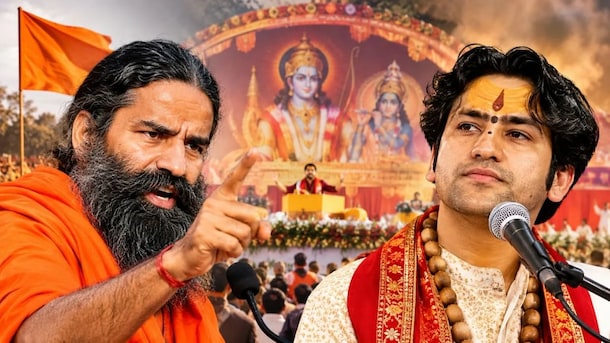
Battle Of Two Babas: What's Behind Ramdev Versus Dhirendra Shastri?
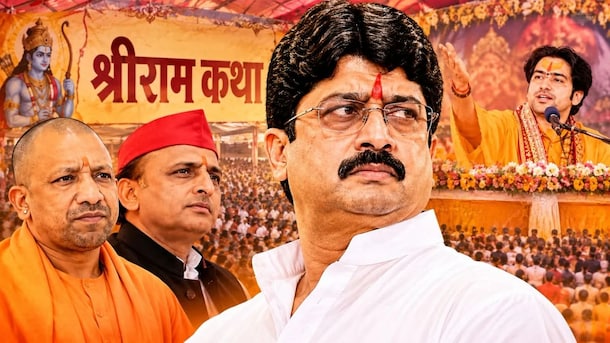
Why Ramdev chose to publicly criticise Shastri soon after attending his much-publicised and well-attended Ram Katha in Uttar Pradesh for an earlier comment remains an interesting question.
-
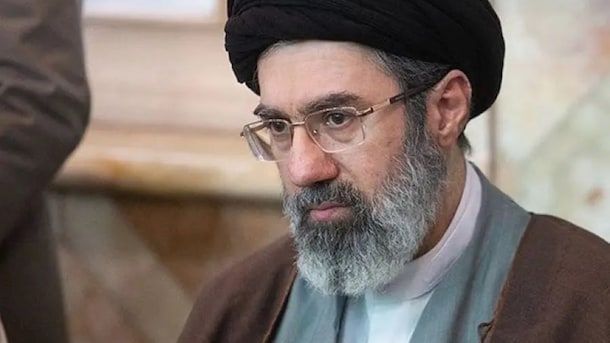
Opinion | There Are 5 Reasons Iran Won't Drop A Dirty Bomb On The US - And One Reason It Might
Iran is entirely capable of building a dirty bomb - as are other modern states with access to industrial radioactive materials. But how far will it really go?
-
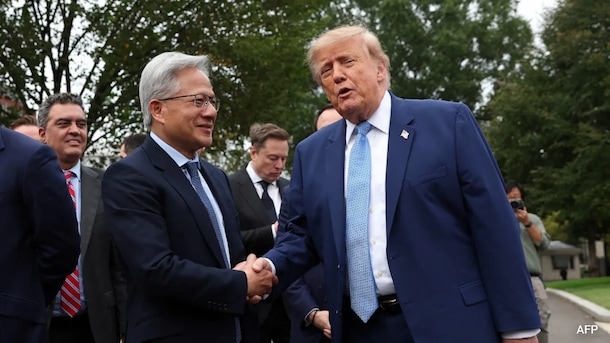
Opinion | Too Big To Fail, Too Connected To Fall: Why Trump Needed Jensen Huang
Rumours are that Trump's own business stakes in Nvidia have helped him rake in millions of dollars as the company's shares zoomed back up after the plunge that followed Huang's exit. But that's just one part of the story.
-
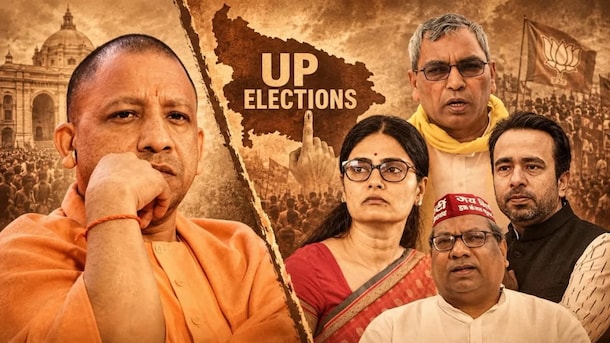
BJP's UP Seat-Sharing Test: Four Allies, Many Ambitions And A 50-Seat Puzzle
This time, the BJP has to accommodate all four partners, each with its own electoral ambitions and areas of influence across western and eastern Uttar Pradesh.
-
From 'Spy Affair' To 'Nothing Wrong' In 11 Days: What Brought Jensen Huang Back As Nvidia Boss
Nvidia's Jensen Huang admitted to an extramarital affair with Alice Huang, a woman who worked at his company's Hong Kong-based customer firm and is alleged to be a Chinese spy. That brought with it many investigations. But he seems to have weathered most of it for now, within days.
-
Between Nehru And Netanyahu, Rahul Gandhi Faces An Uncomfortable Question
The divergence has come to the fore after Rahul Gandhi endorsed maintaining strong ties with Israel, citing India's defence requirements and national interests.
-
Kunda's King And His Thakur Court: Raja Bhaiya's Big Power Play Before UP Polls
UP Elections 2027: The Ram Katha may have been about Lord Ram, but the political story unfolding in Kunda was about Raja Bhaiya.
-
The Hidden 'Water Cost' Of Agriculture: Comparing India With Major Economies
Traditional flood irrigation, which remains common across Indian farms, is a major reason. It has a water-use efficiency of just 35-40 per cent.