Opinion | If You Don't Care About Taj Mahal's Architect, Why Cry Over Lutyens?
The parallel, if one has to be drawn, is not with Shah Jahan and the Taj. It is with the architect of the Taj, and most of us don't know his name either. Why, then, should we bother too much with a British architect?
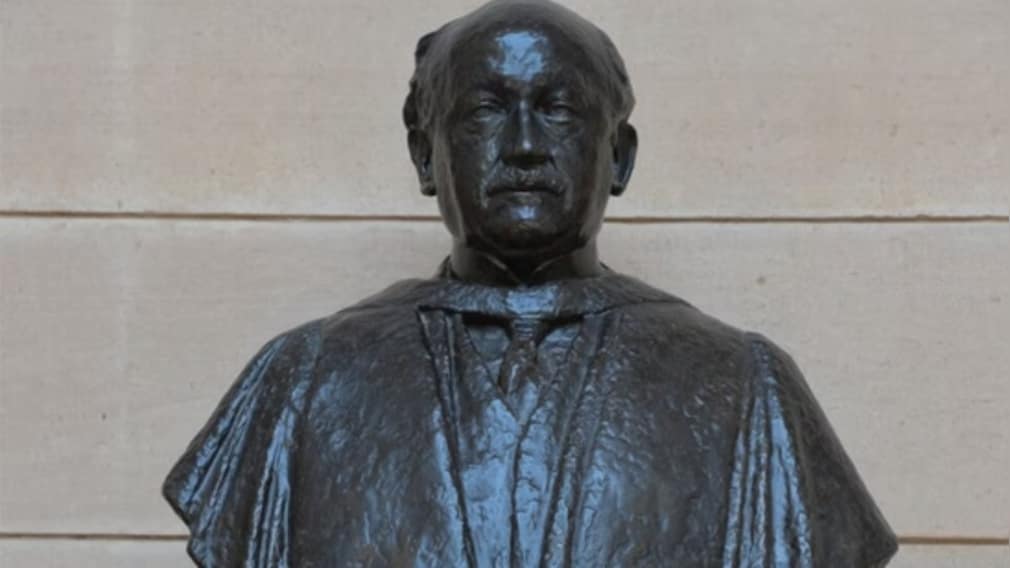
Did you know that there was a bust of the architect Edwin Lutyens outside Rashtrapati Bhavan? I certainly did not.
I knew that Lutyens had designed the building as a palace for the British Viceroy and that it had been inaugurated by the Raj in 1931 with celebrations that had not been attended by most freedom-fighting Indian leaders. In fact, they had been described by Jawaharlal Nehru as being marked by "vulgar, ostentation and wasteful extravagance".
But that they had decided to keep a bust of the architect on display was news to me, as I imagine it was to most Indians. Lutyens is better known in England than he is here, and most Indians can't even pronounce his name (it's nearer "Luchens" than "Lootyens"). If he is ever mentioned in India, then it is in the context of the city of New Delhi, where he designed the buildings in which Prime Minister Modi and his ministers have resided for over a decade. Curiously, the term "Lootyens elite" is used not to describe the elite who actually live in those buildings but as a general abuse for English-language speaking Indians.
So I don't think it matters much to us in India whether a bust whose existence we were unaware of is removed or not. But there has, nevertheless, been some measure of debate over the decision to replace it with a bust of C Rajagopalachari, the first Governor-General of independent India.
Will Every Building Have A Bust?
The argument against its removal runs like this: it's all very well to remove reminders of Raj oppressors such as Viceroys, Generals and Governors, but why extend this principle to architects? Lutyens did no harm to Indians. He only designed buildings.
It's not an entirely unreasonable argument, but it embodies the principle that anyone who designs a grand building should have a statue of himself installed in it. This is a strange position to take. Are we going to erect a statue of Bimal Patel in the new part of governmental Delhi? Why should Lutyens's supporters insist that he has the right to a bust in Rashtrapati Bhavan? It may well be a magnificent building, and nobody is denying him the credit for building it. But a bust? Doesn't it make more sense to install busts of the important historical figures who lived in that building rather than the fellow who designed it?
What's worse is the tendency of some Brits to compare the Raj to the Mughals. 'What about the Taj Mahal then?', somebody tweeted. Wasn't that a colonial building too?
What About The Mughals?
This should be obnoxious, but actually, it just sounds silly. The Mughals, for better or worse, became an Indian dynasty. They were not like the British colonialists who came to India to rob it blind, who crippled our economic development to keep the factories of Manchester and other places in business, and who never ever saw themselves as Indians. Honestly, when I hear this kind of nonsense, I feel like bopping the people who spout this rubbish over their heads with a hardcover edition of Shashi Tharoor's An Era of Darkness: The British in India.
And in any case, aren't Lutyens's Brit fans overstating his importance? The parallel is not with Shah Jahan and the Taj. It is with the architect of the Taj, and most of us don't know his name either. Why, then, should we bother too much with a British architect, sent here as a servant of the Crown to build a palace for his King's Viceroy?
It may not make much difference to me whether the bust stays or goes. But it does annoy me that so many Brits think we are obliged to keep the bust because independent India should remember the architect who served His Majesty's Viceroy.
The more I hear the Brits outrage about the removal of the bust, much in the manner of Germans of a certain generation singing the praises of Albert Speer, the more I start to think that perhaps we should have got rid of the damn thing in 1947 itself.
(Vir Sanghvi is a print and television journalist and talk show host. He tweets @virsanghvi)
Disclaimer: These are the personal opinions of the author
-
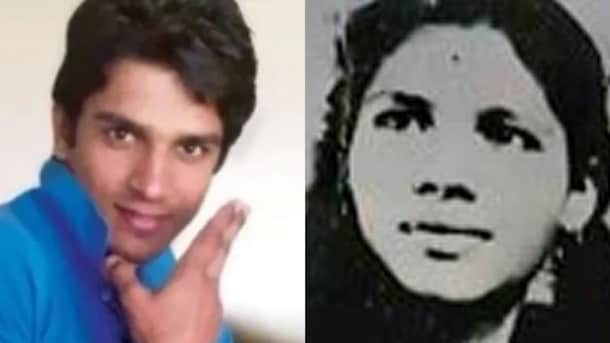
Harish Rana Can Die Because Aruna Shanbaug Lived: India's Euthanasia Journey

A brutal sexual assault caused severe brain damage and left Aruna Shanbaug in a vegetative state for four decades
-
After Oil, Gas, Iran's Hormuz Chokehold Raises Fertiliser Red Flag For India
The data suggests India faces a 20-25 per cent exposure to fertiliser supply chain disruptions due to the war and informal blockade on the Hormuz.
-
Opinion | 'We Protect America, Not Vice Versa': Inside Gulf's Growing Frustration With Trump
Arab states are increasingly waking up to the bitter truth that the US compromised the region's safety for Israel's war goals, despite millions of dollars spent on security arrangements.
-
'Moderate' Father vs 'Hardline' Son: The Differences Between Ali And Mojtaba Khamenei
Mojtaba Khamenei, the second son of Ayatollah Ali Khamenei, has been chosen as the country's new supreme leader after his father was killed in US-Israeli strikes.
-
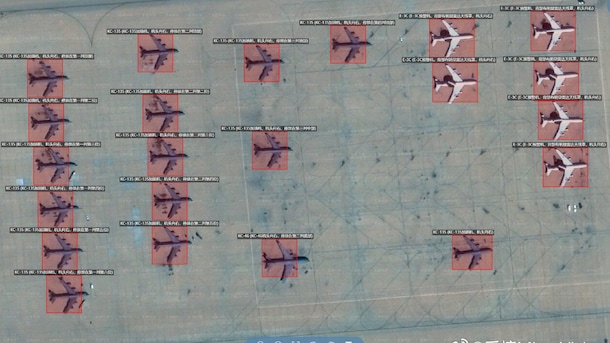
China's Eyes In Space Exposed US War Machine Before 1st Bomb Fell In Iran War
The pictures showed aircraft parked on runways, transport planes arriving at desert airfields and carrier decks crowded with fighters somewhere in the Mediterranean. Yet each image carried an unusual level of detail -- not in English, but in Mandarin.
-
Opinion | Is The Gulf Now Questioning Its US Ties - And The American 'Guarantee'?
Doubts are bound to follow if even the US, the mightiest of the militaries and with 13 major military bases in the region, could not protect it against only one opposing nation - Iran.
-
Opinion | The Country That Buys 90% Of Iran's Oil Is Still Not Panicking. Here's Why
Beijing has spent two decades preparing to answer: what happens when the Strait of Hormuz closes?
-
With Missiles Carrying 1,000 kg Explosives, A New Tactical Phase For Iran
Iran dropped a bombshell on Sunday after a senior Revolutionary Guard commander vowed to only launch missiles with explosives of 1,000kg or more
-
The Beast Of Kandahar: How One Captured Drone Changed Modern Warfare
One December day in 2011, a Sentinel mission ended in a moment that would reshape the global drone arms race. Instead of returning to its base in Afghanistan, the Sentinel landed inside Iran.
-
Trump Started War Against Iran. He's Still Figuring Out How It Ends
The US-Israel campaign began with coordinated strikes in Tehran and the killing of Iran's Supreme Leader Ayatollah Ali Khamenei on the first day.