Opinion | If You Don't Care About Taj Mahal's Architect, Why Cry Over Lutyens?
The parallel, if one has to be drawn, is not with Shah Jahan and the Taj. It is with the architect of the Taj, and most of us don't know his name either. Why, then, should we bother too much with a British architect?
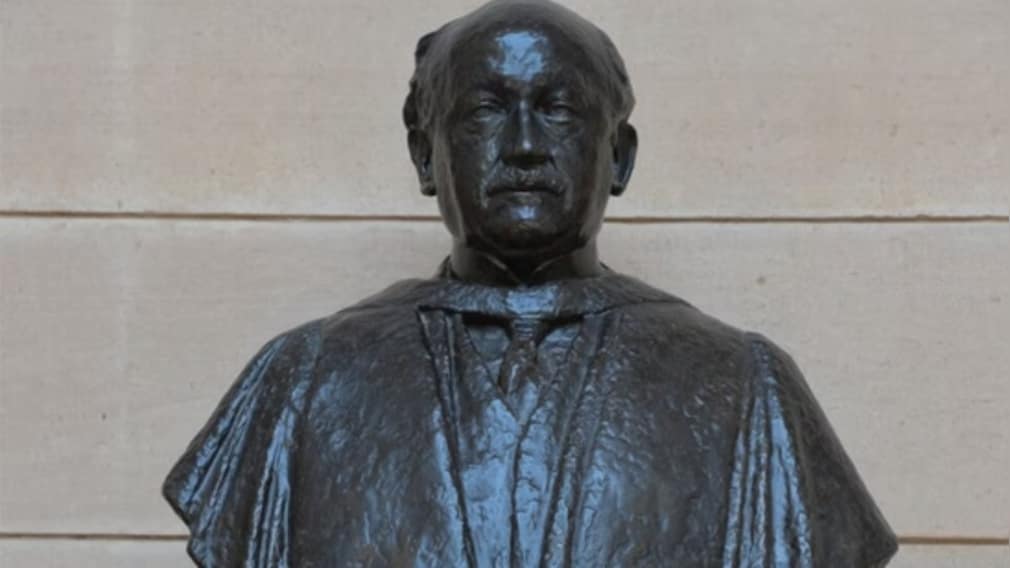
Did you know that there was a bust of the architect Edwin Lutyens outside Rashtrapati Bhavan? I certainly did not.
I knew that Lutyens had designed the building as a palace for the British Viceroy and that it had been inaugurated by the Raj in 1931 with celebrations that had not been attended by most freedom-fighting Indian leaders. In fact, they had been described by Jawaharlal Nehru as being marked by "vulgar, ostentation and wasteful extravagance".
But that they had decided to keep a bust of the architect on display was news to me, as I imagine it was to most Indians. Lutyens is better known in England than he is here, and most Indians can't even pronounce his name (it's nearer "Luchens" than "Lootyens"). If he is ever mentioned in India, then it is in the context of the city of New Delhi, where he designed the buildings in which Prime Minister Modi and his ministers have resided for over a decade. Curiously, the term "Lootyens elite" is used not to describe the elite who actually live in those buildings but as a general abuse for English-language speaking Indians.
So I don't think it matters much to us in India whether a bust whose existence we were unaware of is removed or not. But there has, nevertheless, been some measure of debate over the decision to replace it with a bust of C Rajagopalachari, the first Governor-General of independent India.
Will Every Building Have A Bust?
The argument against its removal runs like this: it's all very well to remove reminders of Raj oppressors such as Viceroys, Generals and Governors, but why extend this principle to architects? Lutyens did no harm to Indians. He only designed buildings.
It's not an entirely unreasonable argument, but it embodies the principle that anyone who designs a grand building should have a statue of himself installed in it. This is a strange position to take. Are we going to erect a statue of Bimal Patel in the new part of governmental Delhi? Why should Lutyens's supporters insist that he has the right to a bust in Rashtrapati Bhavan? It may well be a magnificent building, and nobody is denying him the credit for building it. But a bust? Doesn't it make more sense to install busts of the important historical figures who lived in that building rather than the fellow who designed it?
What's worse is the tendency of some Brits to compare the Raj to the Mughals. 'What about the Taj Mahal then?', somebody tweeted. Wasn't that a colonial building too?
What About The Mughals?
This should be obnoxious, but actually, it just sounds silly. The Mughals, for better or worse, became an Indian dynasty. They were not like the British colonialists who came to India to rob it blind, who crippled our economic development to keep the factories of Manchester and other places in business, and who never ever saw themselves as Indians. Honestly, when I hear this kind of nonsense, I feel like bopping the people who spout this rubbish over their heads with a hardcover edition of Shashi Tharoor's An Era of Darkness: The British in India.
And in any case, aren't Lutyens's Brit fans overstating his importance? The parallel is not with Shah Jahan and the Taj. It is with the architect of the Taj, and most of us don't know his name either. Why, then, should we bother too much with a British architect, sent here as a servant of the Crown to build a palace for his King's Viceroy?
It may not make much difference to me whether the bust stays or goes. But it does annoy me that so many Brits think we are obliged to keep the bust because independent India should remember the architect who served His Majesty's Viceroy.
The more I hear the Brits outrage about the removal of the bust, much in the manner of Germans of a certain generation singing the praises of Albert Speer, the more I start to think that perhaps we should have got rid of the damn thing in 1947 itself.
(Vir Sanghvi is a print and television journalist and talk show host. He tweets @virsanghvi)
Disclaimer: These are the personal opinions of the author
-
Blog | The Dantewada Massacre, And What India Needs To Do To Stay Maoist-Free

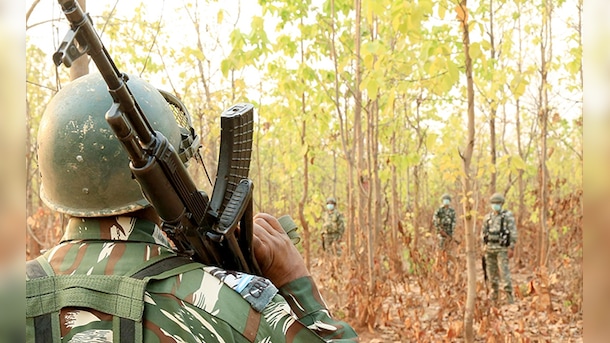
In 2010, I was Assistant Chief of the Air Staff controlling transport aircraft and helicopters, and on April 6 that year had to arrange An-32 aircraft to carry coffins of 75 CRPF jawans.
-
Opinion | How Iran Has Pierced The One 'Shield' That Protected America For 30 Years
In the past, US campaigns in Iraq, Afghanistan and Libya were conducted against relatively weak air defences. That has not turned out to be the case with Iran, puncturing the long-held myth of America's 'indomitable' air power.
-
Opinion | The Quiet 'Upheaval' Within US Military Over The Iran War
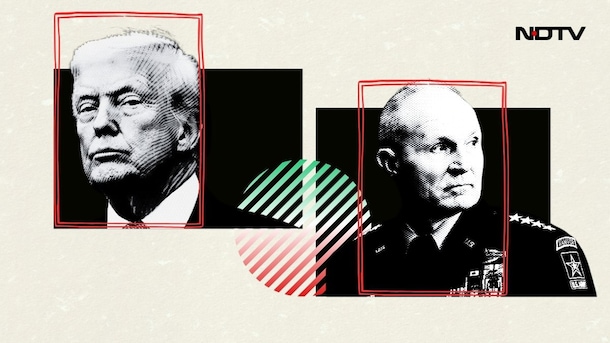
General Randy George's ouster carries echoes of a similar episode in 2003, in the run-up to the Iraq war. But much more is happening within the US military, courtesy Hegseth.
-
How Iran Sucker-Punched Trump Into 'Escalation Trap' 'Hellhole'
Trump is now under pressure, not just from allies but also within; the President's approval rating is the lowest it has ever been with mid-term elections in November.
-
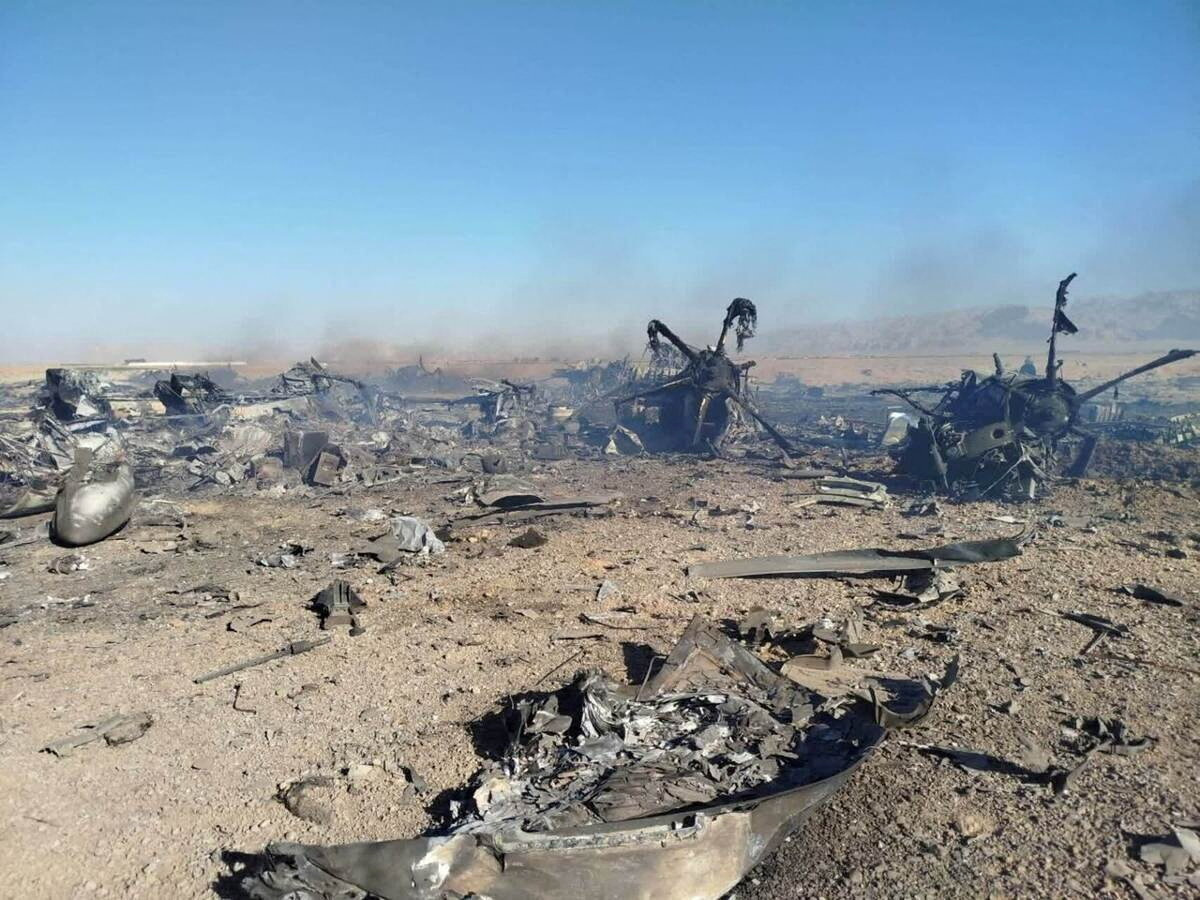
Eagle Down: How US Carried Out Precision Search And Rescue Op In Hostile Iran
How the United States transformed a tactical failure into a narrative of national resolve.
-
Opinion | 450 Missile, 2,000 Drone Attacks Later, Why Is UAE Still Not Fighting Iran?
The UAE is Iran's second-largest trading partner and also home to roughly half a million Iranians. Why, then, has it absorbed more fire than any other Gulf state?
-
In Numbers: How Has India Kept Fuel Prices Low Even As Europe Sees 70% Spikes?
India imports 88% of its crude. Why then is it not seeing massive price hikes for fuel and LPG? Inside the unique strategy it's following...
-
Opinion | India Just Decided To Let Chinese Capital In Again. But There's A Catch
In March 2026, India eased regulations that had restricted Chinese capital in local companies, in a development that marks New Delhi's cautious approach towards capital flows from Beijing.
-
Trump's Iran 'Knocked Out' Claim Blown Up By US Intel On Missiles, Drones
Donald Trump claimed this week the war would end in two to three weeks as he threatened to send Iran back to the Dark Ages. But based on these reports the fighting is far from over, even if US President wants to push a contrary narrative.
-
Opinion | Rs 30 Petrol Hike To Currency Crisis, What Oil At $150 Can Really Do To The World
At $125 per barrel, petrol and diesel retail prices will need to rise by Rs 8-14 per litre. At $150 - which experts think is now likely - these figures could touch Rs 26-30 per litre.