Ringside View | How Royal Challengers Bengaluru Transformed Itself Into A Winning Machine
Mo Bobat, RCB's Director of Cricket, helped explain the mindset after the franchise became the first team to qualify for the playoffs this season.
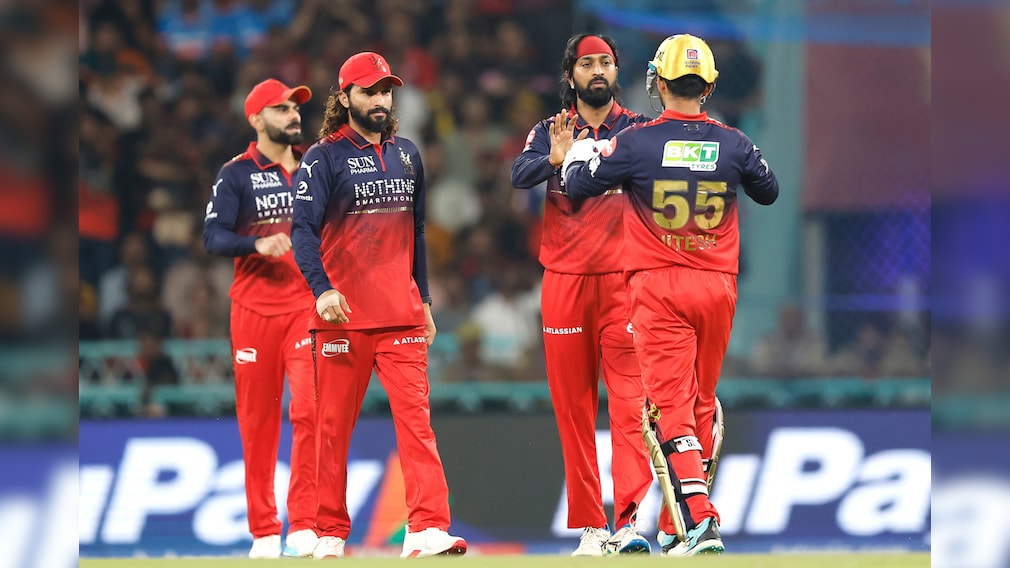
"Red and Gold, Play Bold" screamed loud across the serene tracks of the Centre of Excellence in Bengaluru as one made their way past the Rohan Bopanna Tennis Academy and the tranquil swimming pool within the complex. Inside were leaders, the makers of RCB, the world of sport, and, of course, the energy magnet - Virat Kohli, who arrived as the final act. In a well-lit foyer leading to the hall of greats and leaders stood giant blowouts of the men's and women's teams that have tasted IPL and WPL success. The women have done it twice; the men are now gearing up to follow suit.
Mo Bobat, RCB's Director of Cricket, helped explain the mindset after the franchise became the first team to qualify for the playoffs this season. "The IPL is a very tough competition. You've got ten fantastic teams who have all played good cricket and have strong records. But we tell ourselves - why can't we be the third team to win back-to-back? That's been our focus. You are always playing this internal game. The obsession is always around how we play our cricket."
"We are always hunting for the best version of ourselves," Bobat said on the sidelines of the summit. "There is a lot more fun chasing something than being chased. We want the players and support staff to understand the mindset we need - that we haven't climbed our Everest yet or achieved everything we set out to. We're only just getting started.
"That doesn't mean we take things lightly or disrespect the competition. We know how difficult it is to win the things we're trying to win. But that's the mindset we want to embrace."
Tuesday felt like the annual Virat Kohli day - or rather, RCB day. For the past three years, the RCB Innovation Lab Indian Sports Summit, powered by Leaders, has reminded those with a ringside view of just how far the franchise - and Kohli - have travelled. It was a moment for reflection, a temporary oasis amid the high-octane IPL season.
This year, sandwiched between qualification and their final league game against Sunrisers Hyderabad, the summit felt like a strategic time-out in the IPL calendar.
Franchises that have qualified for the playoffs this season are recalibrating in their own ways. While 'process' remains an oft-used term in sport, RCB has pivoted slightly, focusing instead on "harnessing shared energies" - essentially trusting individuals to manage their own energy. That is where the culture conversation begins.
"Leaders need the emotional and mental strength to keep others motivated. But that also raises a fair question - is there a downside to constantly carrying that responsibility? If everyone depends on your energy, it can become exhausting and create pressure," Bobat said.
"That's why it's important to manage your own energy and limits. Personally, I'm highly driven and willing to push myself hard to achieve success. But I've learned that not everyone is willing - or able - to make the same sacrifices, and that's completely okay."
When Bobat transitioned from his role as England's Performance Director to Director of Cricket at RCB in 2023, after 12 years in that position, his remit evolved from building England's talent pipeline to helping RCB's high-performing group achieve its ultimate goal - winning the title - while ensuring the shirt did not weigh heavily on younger players.
After 17 years without a title, the franchise had to confront an uncomfortable question: why? That demanded humility - a willingness to examine shortcomings at both individual and organisational levels.
RCB had done many things right: building a massive fan base, housing iconic players, and creating unforgettable moments. But the trophy remained elusive. The first step, then, was learning from failure.
One key shift came in squad building. Historically, RCB revolved around a few superstars, with success hinging heavily on their performance. To become a championship-winning side, the franchise needed balance - talent and experience spread more evenly across the squad.
Off the field, changes were equally significant. A phrase often associated with England's football team - "the shirt weighs heavy" - resonated at RCB. New players appeared burdened by the franchise's past failures and the pressure to deliver a first title.
A major focus, therefore, was removing that weight and freeing players from that burden. The question shifted from "When will we finally win?" to "Why not us?"
Once that belief took hold, the obsession turned to clarity - how they wanted to play their cricket.
The transformation was not driven by marquee signings or sweeping personnel changes. Instead, data became central to decision-making.
"I get asked about this often, and my response is that we are not 'data-driven' - we are 'data-informed'," Bobat explained. "There's an important difference.
"The focus shouldn't be entirely on data, but on judgment and decision-making. Ultimately, people like myself, Andy, Rajat and the senior players make the big calls. If you want to make elite decisions, you need strong information to support that judgment.
"Data is one source - but experience, instinct and intuition are equally important. It's about balancing the human and analytical sides. In the end, it's the quality of the decisions that matters."
Data has influenced their match-by-match thinking, auction strategy and opposition analysis. A key figure in this transformation has been Freddie Wilde, whose work with CricViz helped Bobat, Andy Flower and Dinesh Karthik buy into a more structured analytical approach.
RCB's rise as a force has also been underpinned by a cultural shift, particularly in shielding the core group from external noise.
CEO Rajesh Menon underscored that role: "All the outside noise stops with me. It doesn't reach the players, the support staff, Mo, or even the wider teams. That includes criticism from outside and pressure from within.
"In India, everyone has an opinion. When we lost six games in a row two years ago, questions were natural. But my belief never changed. I knew the culture was strong and success would come.
"A big part of my role is to absorb that pressure and shield the group. Negativity cannot be allowed into the dressing room - it affects performance and clarity.
"That becomes even more important in a tournament like the IPL, which is mentally and logistically demanding - constant travel, changing conditions, pressure from the table, and emotional highs and lows.
"In leadership roles, managing these moving parts while maintaining performance is the biggest challenge."
With strong leadership, a solid core, a hunter mindset and data-informed decision-making, RCB now looks like a well-oiled machine - one that could finally turn promise into silverware.
(Rica Roy is a Sports Editor and Anchor with NDTV)
Disclaimer: These are the personal opinions of the author
-
A Step Behind Neha Bora: What Rahul Gandhi's Gesture Says About Congress' Gen-Z Pitch

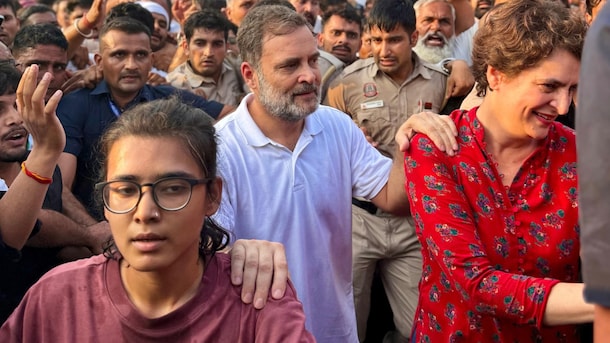
At INDIA bloc's march to Supreme Court, Rahul Gandhi placed himself a step behind two women, hands resting on their shoulders. One was his sister Priyanka. The one on his right was Neha Bora. Here's what the image means for the protest wave now, and for Rahul's politics in general.
-
Opinion | Starlink, India, And Why Elon Musk Must Know His Billionaire Tantrums Won't Work
India should neither be intimidated by Musk's global influence nor distracted by his theatrics.
-
Blog | 'Baap Da Brat': Kerala Mini Cooper Crash, And Why 'Daddy' Can't Keep Saving You
There are three things you should never underestimate in India: the power of 'jugaad', the elasticity of the law, and the confidence of a 'Baap da Brat' who believes his Papa Posh can fix absolutely anything.
-
Opinion | 'Say Our Name': Why A Tiny Island Nation Wants The World To Get Its Name Right
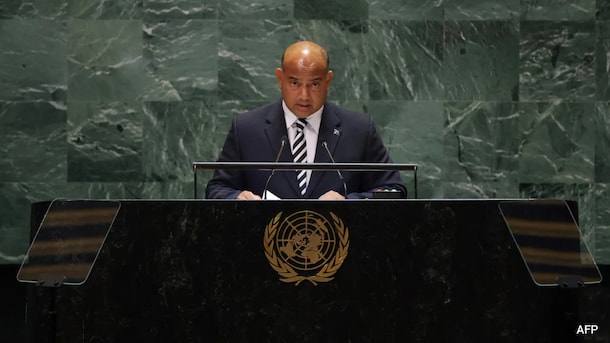
Standing before the UN hall of nations, Naoero President David Adeang asked the world to unlearn its comfortable habits and speak a restored truth.
-
TVS Succession Row Explained: Why Venu Srinivasan's Family Is Divided Over Wealth
TVS Family Dispute: TVS Holdings is a key entity because it owns a controlling stake in TVS Motor Company. It owns 50.26% of TVS Motor.
-
Opinion | The US Is Showing India Just How Cheap Its 'Friendship' Is
Can local talent fully replace Indian contribution? Why is the US leading in setting up Global Capability Centres in India - over 60% - and pocketing the IP?
-
Jantar Mantar Tells Time. The Clock Just Stopped On Its Time As An Iconic Protest Site
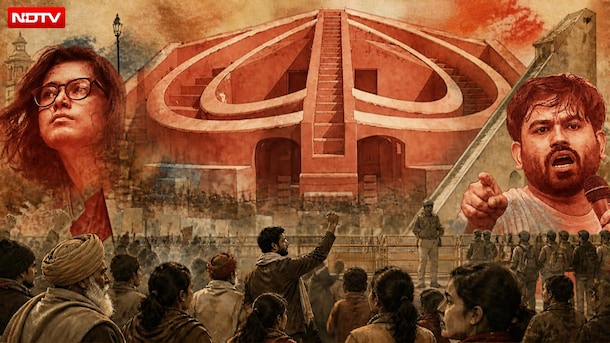
On Monday, October 12, 2026, Delhi Police denotified Jantar Mantar Road as a designated site for demonstrations. The Supreme Court had given it a nudge. Here's how history met politics on that street for decades.
-
Opinion | Saudi Airport Attack, And Why Pakistan Keeps Biting Off More Than It Can Chew
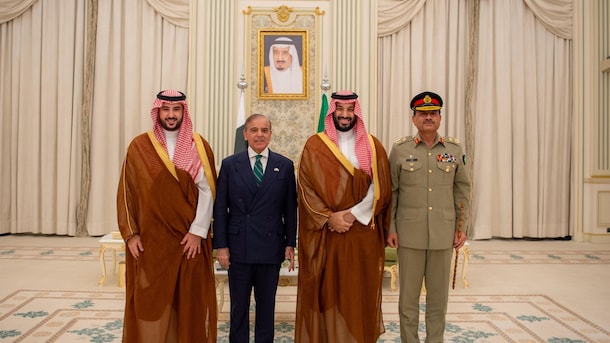
For all those who were envious of Pakistan's 'new status' as "mediator extraordinaire", here is a reality check
-
Opinion | Visa Shocks To Racist Attacks, When Did America Come To Hate Indians So?
Sometimes it is about H-1B visas. Sometimes it is jobs. Sometimes it is "foreigners." Sometimes it is about temples. The language of the attack varies, but the message is consistent