Opinion | How Muslim Voters In Bengal Will Shape The 2026 Assembly Poll Outcome
With 106 of the 112 Muslim-influenced seats already in its column, the Trinamool makes for a formidable challenge for the BJP. But then, there's Humayun Kabir.
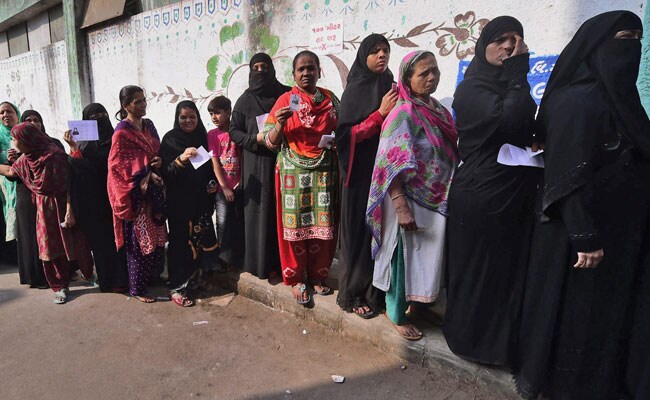
On December 6, 2025, the 33rd anniversary of the demolition of Babri Masjid, a suspended Trinamool Congress MLA named Humayun Kabir laid the foundation stone of a mosque modelled on the iconic structure in Murshidabad district. It was an act calculated for maximum political resonance, and it worked. Within weeks, the West Bengal Police had attached properties worth Rs 10 crore linked to Kabir's family in a narcotics case, the Trinamool had expelled him, and a new political outfit - the Janata Unnayan Party (JUP) - had been born. The 2026 assembly election battle for Bengal's Muslim vote has officially begun.
The Demographic Arithmetic
To understand why this matters, start with the numbers. Muslims constitute approximately 27% of West Bengal's population as per the 2011 census - a figure the Bharatiya Janata Party (BJP) now claims may be closer to 30% or higher given illegal immigration from Bangladesh over the intervening decade. Three districts - Malda, Murshidabad, and Uttar Dinajpur - have Muslim-majority populations of 50% or above. Two more, South 24 Parganas and Birbhum, hover above 35%. Spread across these geographies are 89 assembly seats where the Muslim population exceeds 30%, and 112 seats where it exceeds 25%.
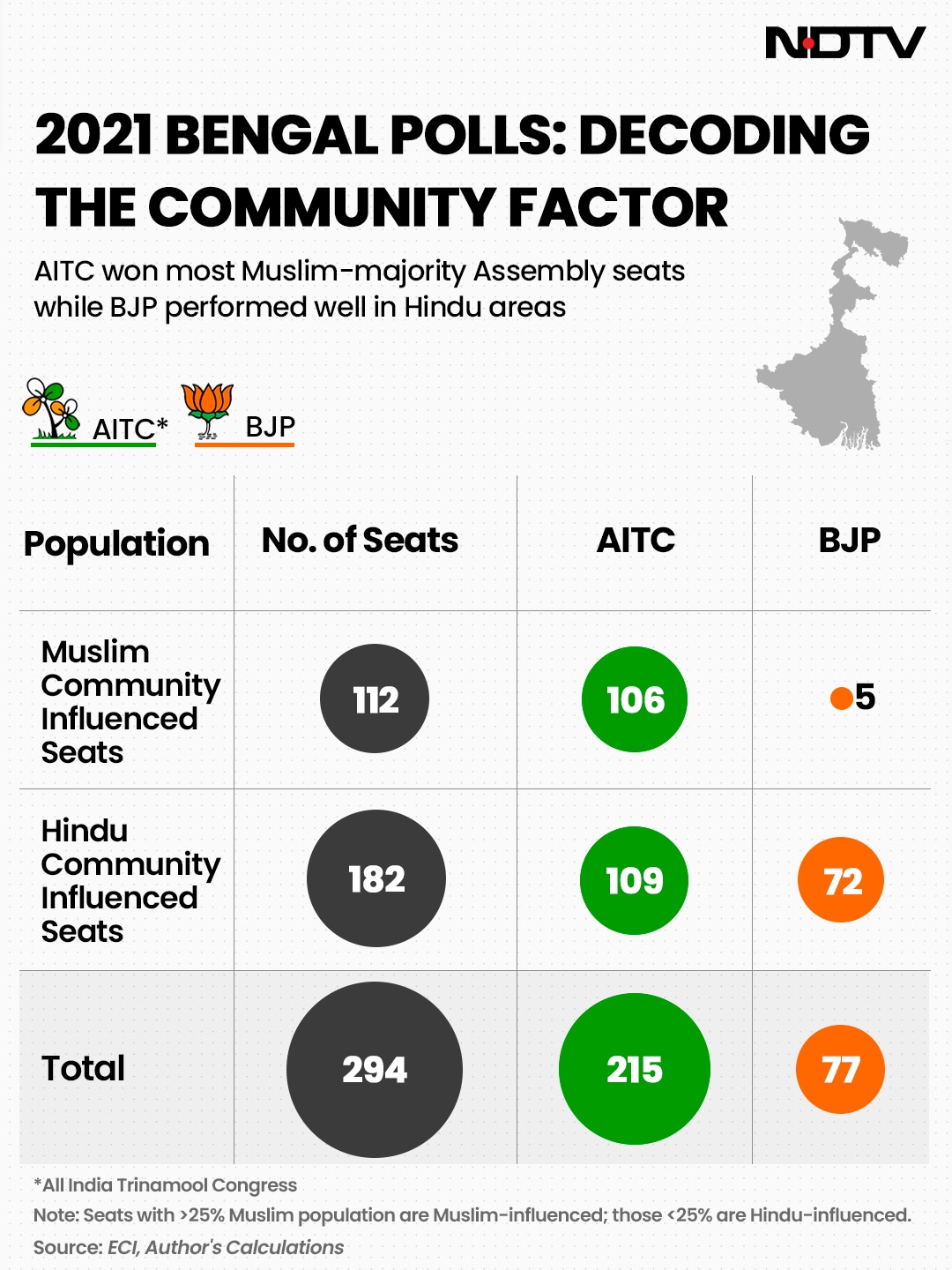
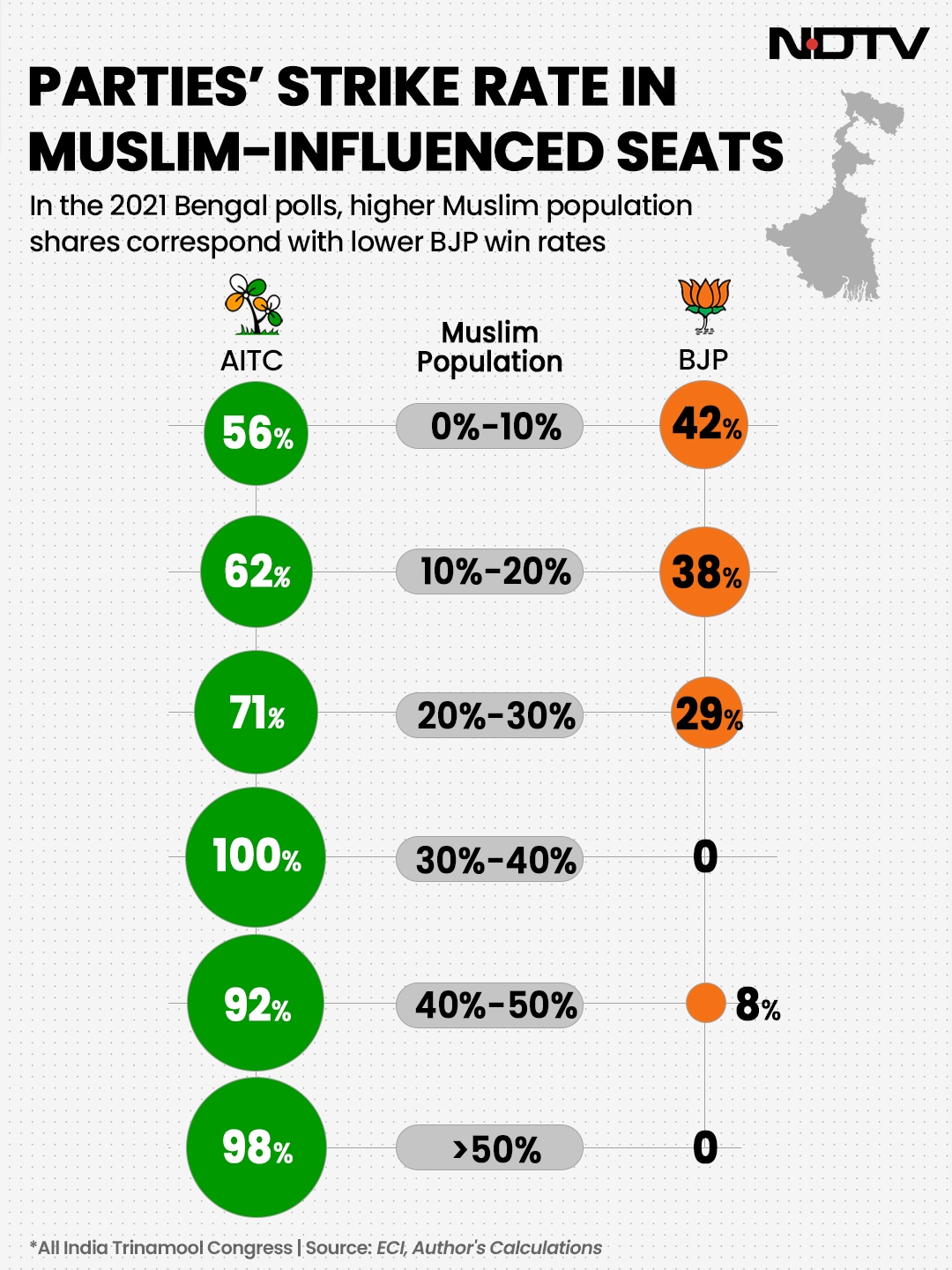
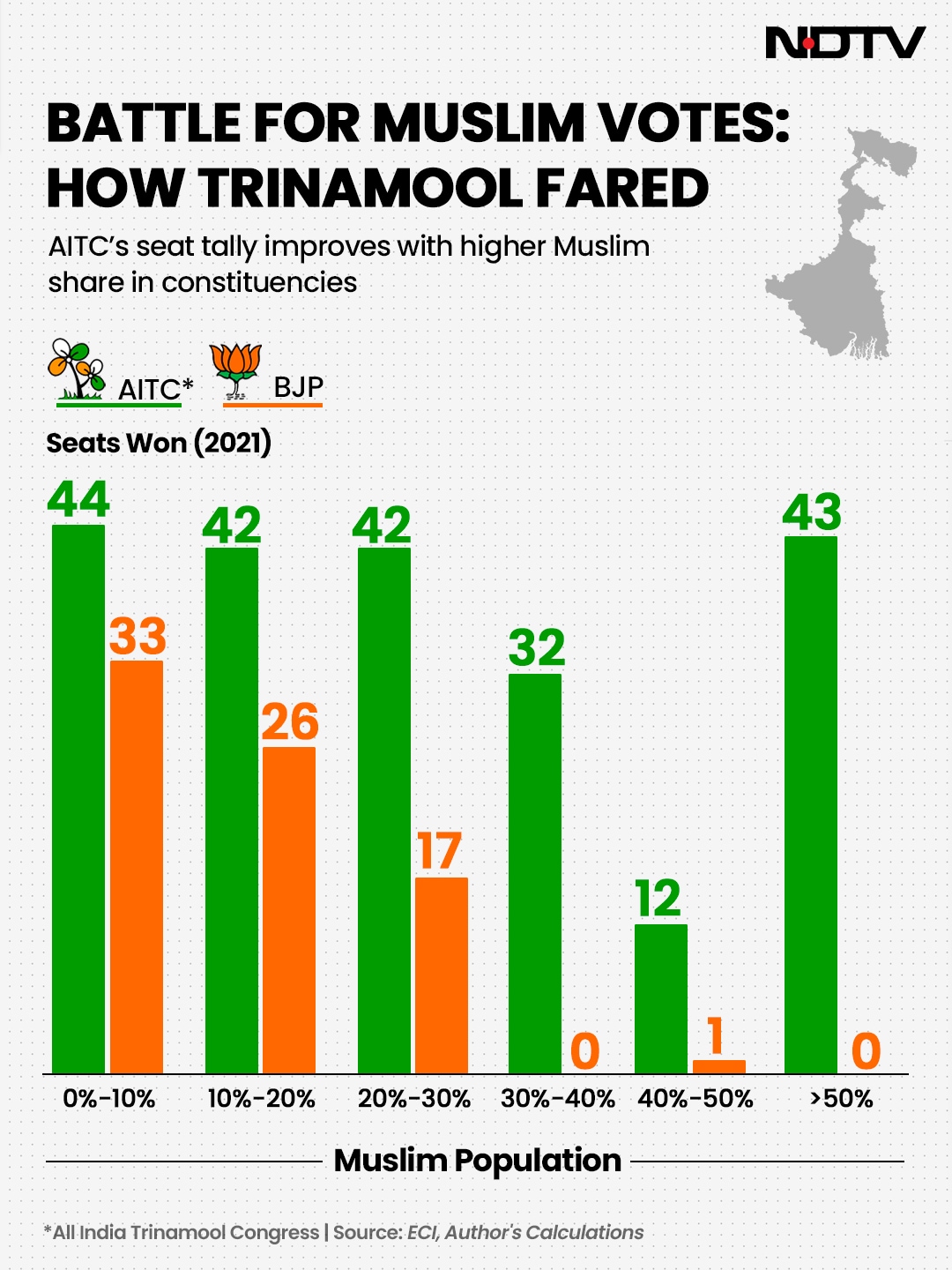
In the 2021 assembly elections, the Trinamool Congress won 87 of those 89 seats - a near-perfect sweep. Of the 112 Muslim-influenced seats, Trinamool captured 106, leaving the BJP with just five. The BJP's strike rate in constituencies with more than 30% Muslim population was nearly zero, with the party managing to win just one seat. These seats, in effect, acted as a structural wall the party simply could not breach.
The Vote Consolidation Story
According to Axis My India exit poll data from 2021, approximately 75% of Muslim voters backed the Trinamool. By the 2024 Lok Sabha elections, that figure had risen to 83%. Data from The Centre for the Study of Developing Societies (CSDS) suggests that concerns around the Citizenship (Amendment) Act, the National Register of Citizens (NRC) debate, and a broader sense of political vulnerability drove Muslim voters closer to Mamata Banerjee's fold rather than away from it. Will the current SIR exercise further consolidate this segment?
This consolidation has a mirror image on the other side. In constituencies with a Muslim population of up to 10%, the BJP managed a 42% strike rate in 2021 (winning 33 of the 77 seats) - its only truly competitive zone. As the Muslim share of a constituency's population rose, the BJP's performance fell in almost perfect inverse proportion, dropping to 25% in seats with 20-30% Muslim population, 8% in 40-50% Muslim population seats, and 0% beyond that threshold.
The Structural Math of Victory
Herein lies the paradox at the heart of Bengal's politics. A simple majority in the 294-seat assembly requires 148 seats. With 106 of the 112 Muslim-influenced seats already in its column, the Trinamool needs to win just 42 more from the remaining 182 Hindu-majority constituencies. In 2021, it won 109 of those seats - a 60% strike rate - giving it the comfortable 215-seat majority it achieved. The BJP, by contrast, won 72 Hindu-majority seats (40% strike rate) but was effectively locked out of the Muslim heartland.
For the BJP to win Bengal, it cannot simply consolidate Hindu votes in Hindu-majority seats - it has already done that in its competitive zones. What it needs to do is either dramatically expand its Hindu-majority seat tally or, more dauntingly, find a way to crack the Muslim fortress. Neither prospect looks easy.
Enter Humayun Kabir
That is the context in which Humayun Kabir's Babri Masjid gambit must be understood. The Bharatpur MLA, who has a complicated political history - he contested the 2019 Lok Sabha elections on a BJP ticket before returning to Trinamool orbit - now claims he is building an alternative pole of Muslim political representation. His Janata Unnayan Party has announced plans to contest 182 assembly seats in 2026.
The Trinamool's response has been instructive. Rather than attempting dialogue or accommodation, the party suspended Kabir and publicly distanced itself from the mosque project. Police action against his family followed swiftly. Kabir, predictably, called it political victimisation. The BJP, meanwhile, is playing both sides - describing Kabir as the Trinamool's 'B-team' even as the latter accuses him of having been the BJP's man all along. The mutual accusations suggest neither party fully controls the narrative.
Dissatisfaction In The Trinamool Fortress
VoteVibe's tracking data from late 2025 introduces an element of caution into any confident forecast for the Trinamool Congress. While 54% of Muslim respondents still want Mamata Banerjee as Chief Minister - a commanding majority - 26% rate her government's performance as poor or very poor. Some 16% remain undecided. In a bloc this large, even modest erosion translates into significant seat implications.
On Humayun Kabir specifically, the polling is revealing. Sixteen per cent believe he will cut into the Trinamool's Muslim votes - a meaningful share. But 34% think he is a BJP project, and 28% believe he is a covert operation designed by the Trinamool Congress to serve some strategic purpose. The near-equal split between the latter two categories suggests a community that is politically sophisticated, somewhat suspicious, and not easily swayed by personality politics alone.
The Bihar-AIMIM Comparison - and Why It Doesn't Quite Apply
BJP strategists watching Kabir's emergence inevitably think of Bihar's AIMIM experiment. In the 2020 Bihar elections, Asaduddin Owaisi's party won five seats in Muslim-concentration areas of Seemanchal and was widely credited - or blamed, if you ask some - with splitting Muslim votes in ways that cost the Grand Alliance several constituencies. His party repeated the same in 2025. Could Kabir play a similar spoiler role in Bengal?
The geography argues against a direct comparison. In Bihar, Muslim voters were concentrated in a contiguous belt of border districts, making it possible to target a critical mass through a single regional campaign; 27% of the population lives in four districts of Seemanchal. In Bengal, on the other hand, while the Muslim population is substantial, it is also far more dispersed - spread across urban pockets in Kolkata, rural belts in the north, and coastal zones in the south. The top five Muslim-concentration districts account for roughly 90 seats, but Muslims also constitute meaningful minorities in dozens of other constituencies across the state. This dispersal makes a Kabir-led spoiler strategy significantly harder to execute at scale.
What 2026 Comes Down To
The battle lines are becoming clear. The Trinamool Congress will attempt to present itself as the only credible shield for Muslim interests against what it characterises as the BJP's 'divisive' agenda - a framing that worked spectacularly both in 2021 and 2024. The challenge is to do this while managing internal dissent, addressing the 26% dissatisfaction in its Muslim base, and preventing Kabir from peeling off enough votes in Murshidabad and adjacent districts to alter outcomes in closely contested seats.
The BJP's challenge is existential in a different way. Without a structural breakthrough in Muslim-influenced seats - or a dramatic collapse in Kabir's popularity - the party is mathematically dependent on running the table in Hindu-majority constituencies, a task it fell short of even in 2021, when the 'Modi wave' was high. The BJP needs to win 148 out of 209 seats where the Muslim population is less than 30%. That would mean a strike rate of 72%. A daunting task indeed.
Disclaimer: These are the personal opinions of the author
-
Blog | The Dantewada Massacre, And What India Needs To Do To Stay Maoist-Free

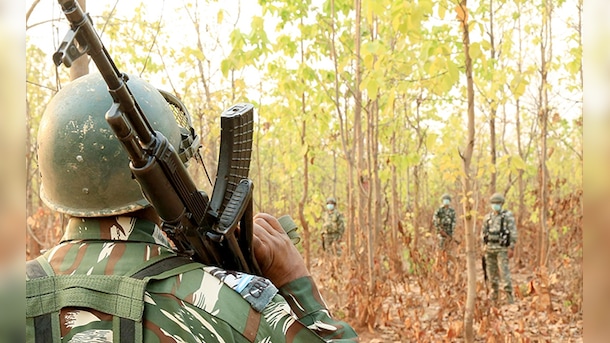
In 2010, I was Assistant Chief of the Air Staff controlling transport aircraft and helicopters, and on April 6 that year had to arrange An-32 aircraft to carry coffins of 75 CRPF jawans.
-
Opinion | How Iran Has Pierced The One 'Shield' That Protected America For 30 Years
In the past, US campaigns in Iraq, Afghanistan and Libya were conducted against relatively weak air defences. That has not turned out to be the case with Iran, puncturing the long-held myth of America's 'indomitable' air power.
-
Opinion | The Quiet 'Upheaval' Within US Military Over The Iran War
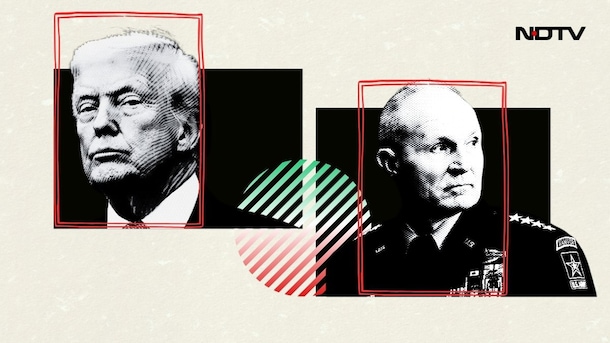
General Randy George's ouster carries echoes of a similar episode in 2003, in the run-up to the Iraq war. But much more is happening within the US military, courtesy Hegseth.
-
How Iran Sucker-Punched Trump Into 'Escalation Trap' 'Hellhole'
Trump is now under pressure, not just from allies but also within; the President's approval rating is the lowest it has ever been with mid-term elections in November.
-
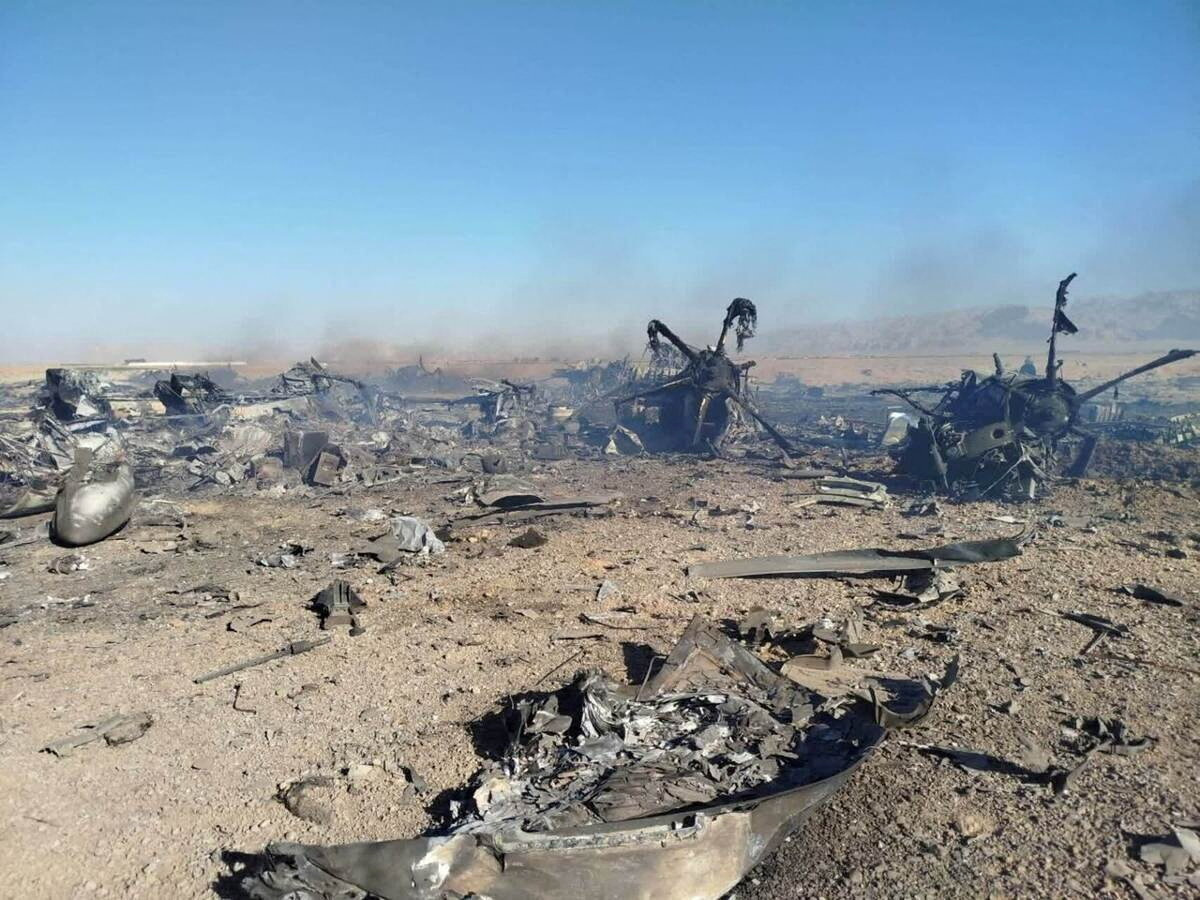
Eagle Down: How US Carried Out Precision Search And Rescue Op In Hostile Iran
How the United States transformed a tactical failure into a narrative of national resolve.
-
Opinion | 450 Missile, 2,000 Drone Attacks Later, Why Is UAE Still Not Fighting Iran?
The UAE is Iran's second-largest trading partner and also home to roughly half a million Iranians. Why, then, has it absorbed more fire than any other Gulf state?
-
In Numbers: How Has India Kept Fuel Prices Low Even As Europe Sees 70% Spikes?
India imports 88% of its crude. Why then is it not seeing massive price hikes for fuel and LPG? Inside the unique strategy it's following...
-
Opinion | India Just Decided To Let Chinese Capital In Again. But There's A Catch
In March 2026, India eased regulations that had restricted Chinese capital in local companies, in a development that marks New Delhi's cautious approach towards capital flows from Beijing.
-
Trump's Iran 'Knocked Out' Claim Blown Up By US Intel On Missiles, Drones
Donald Trump claimed this week the war would end in two to three weeks as he threatened to send Iran back to the Dark Ages. But based on these reports the fighting is far from over, even if US President wants to push a contrary narrative.
-
Opinion | Rs 30 Petrol Hike To Currency Crisis, What Oil At $150 Can Really Do To The World
At $125 per barrel, petrol and diesel retail prices will need to rise by Rs 8-14 per litre. At $150 - which experts think is now likely - these figures could touch Rs 26-30 per litre.