Opinion | How America Is Quietly Profiting Off The Oil Chaos In Gulf
In 2008, the high oil prices had helped kickstart the shale oil industry in the US. Something similar may be happening now.
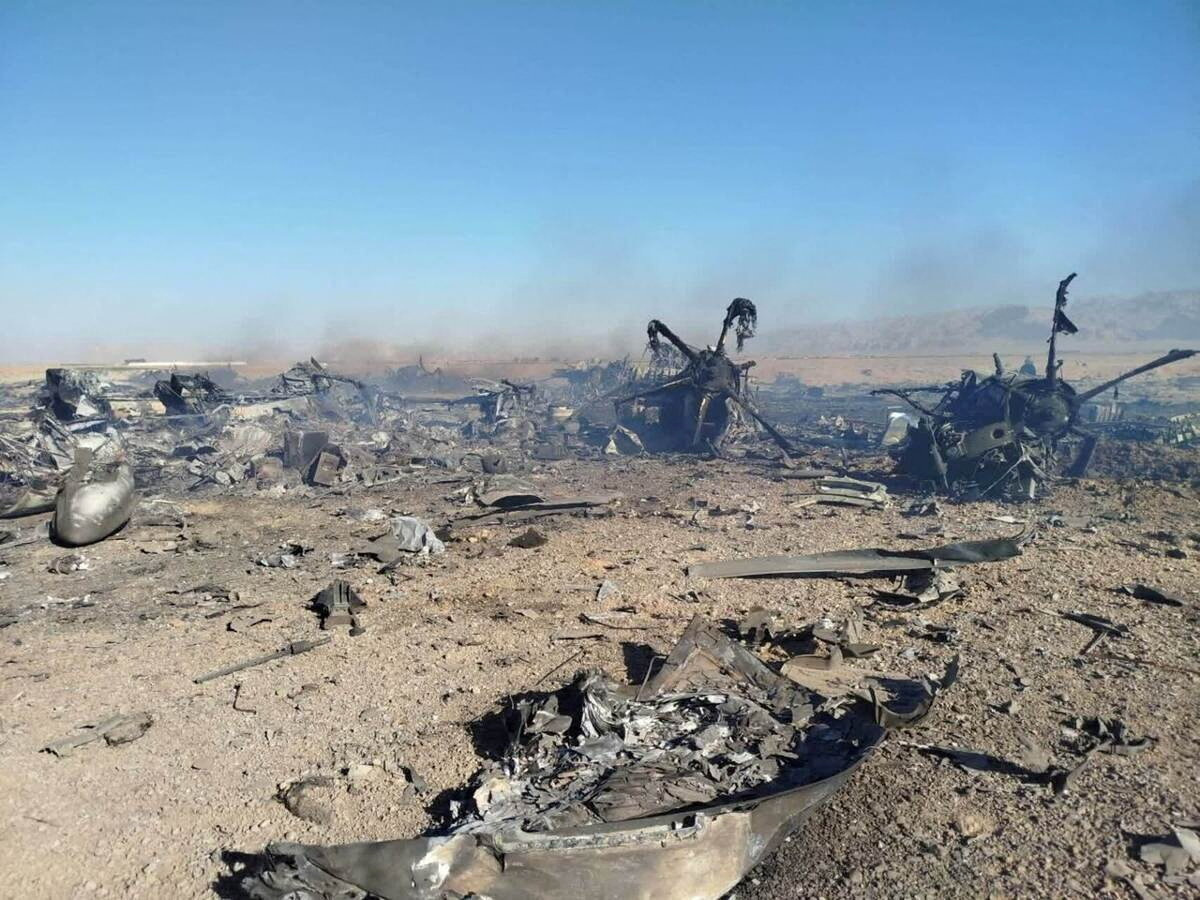
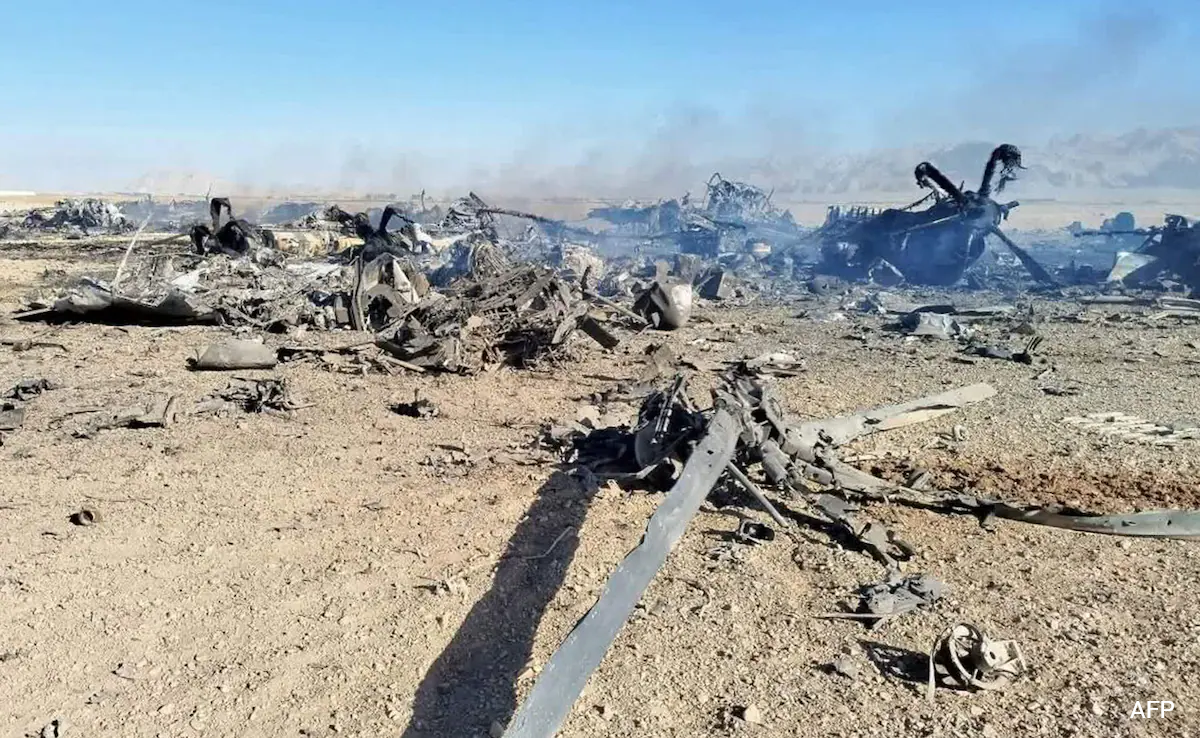
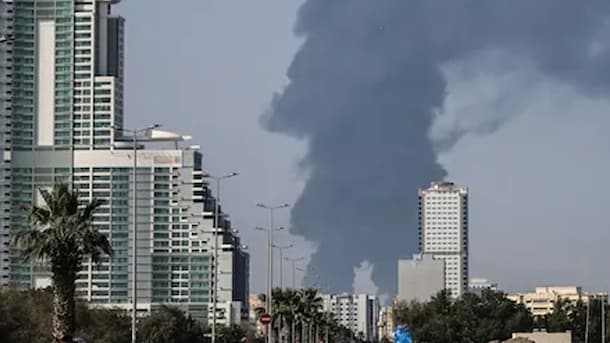
Television screens lit up on Monday with Iranian missiles raining down on countries across West Asia. While most of them were neutralised, some sneaked through and damaged military and civilian assets. The most arresting visual, however, was huge clouds of smoke engulfing Saudi Aramco's Ras Tanura refinery after it was hit by an Iranian missile. The refinery, which can process about 550,000 barrels of crude oil per day, has been closed, causing Brent crude prices to shoot up 9%.
Later in the day, QatarEnergy shut down its Ras Laffan liquefied natural gas plant, which accounts for about a fifth of the global LNG supplies, after an Iranian drone attack. Within minutes, European gas prices shot up by more than 50%.
Fuel prices are almost always the first casualty of conflict anywhere in the world. And if the region happens to be West Asia, which holds half of the world's proven oil and gas reserves, the impact on prices could be devastating.
The Two Years That Changed The World
Global politics changed forever when Standard Oil struck oil in Dammam in the Saudi Arabian desert. That was just before World War II began. Although the war officially ended in 1945, it continued in a 'cold' form for many more decades. West Asia and its oil resources remained in the thick of things throughout that period.
The world changed again in 1974, when the United States signed a 50-year agreement with Saudi Arabia, the world's largest petroleum producer, to sell its crude oil only in US dollars. That single pact allowed the US dollar to become the preeminent currency of global trade and central bank reserves. That agreement with Saudi Arabia expired in March 2024.
In the period leading up to the expiry of the accord, global energy politics underwent a sea change. Rising sea temperatures, melting glaciers, floods, and fires attributed to climate change caused by the burning of fossil fuels ignited a global debate and call to action across the world to reduce dependence on coal and crude. It coincided with the fear that the world was past peak oil and petroleum wells would run dry much sooner than earlier anticipated, throwing the world into an energy crisis.
The Crude Oil Hike
Crude oil prices hit $100/barrel for the first time in 2008 as demand skyrocketed and the oil cartel, the Organisation of Petroleum Exporting Countries (OPEC), squeezed production. The high oil prices helped kickstart the shale oil industry in the US. Shale oil is petroleum trapped in soft rock, which can be extracted through an expensive and highly polluting process called fracking. The initial upsurge in the shale oil business fizzled out in the wake of the Global Financial Crisis of 2008-09 and subsequent turn towards green fuels.
US oil production costs have been rising as free-flowing wells are drying up, and labour has become more expensive. The US Energy Information Administration's (EIA) January 22 analysis cited oil industry executives saying that the "two largest basins in the Permian had breakeven prices of $61/barrel (Midland Basin) and $62/barrel (Delaware Basin)". The EIA forecast the West Texas Intermediate crude oil price to fall from its 2025 average of $65 per barrel to $52/barrel in 2026 and $50/barrel in 2027, way lower than recent breakeven production prices. That indicates that US pump prices of fuel could rise, feeding inflation in the coming months. That's not a pleasant prospect for the President.
Drill, Baby, Drill
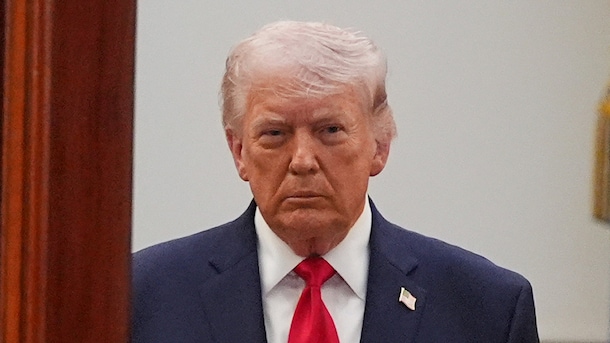
Cut to the Trumpian equilibrium. The President, no fan of green initiatives but an ardent admirer of derrick pumps, came to office singing "drill baby drill". Trump has not only said that America would produce as much oil as it can, but also made it clear that he wants to control the global oil trade, by force, if necessary. He followed up the rhetoric with the annexation of Venezuelan oil fields. The US now also intends to take control of Iran and its oil through a regime change. The strategy has multiple objectives, not the least among them is to deny its principal rival, China, a cheap energy source.
Whether it had foreseen the intensity of Iran's resistance and retaliation is not known, although Trump, in his statement announcing the war, anticipated a tough battle and loss of American lives. Iran has retaliated widely, hitting anyone it perceives to be in the US camp and within the range of its projectiles. It would be an understatement to say that the attacks would play havoc with most of the GCC economies, particularly Dubai and Saudi Arabia.
The Biggest Winner Is The Biggest Producer
Despite the loss of lives and military assets, the US would still stand to gain in the oil business. The same year that the US-Saudi oil deal ran out, ExxonMobil, the largest non-national oil company in the world, paid $60 billion to buy Pioneer Natural Resources. Months later, Chevron, the second-largest non-national oil company globally, bought Hess Corp for $53 billion. The purchase makes it the top dog in the Stabroek block in Guyana. Pioneer is a major shale producer in the Permian Basin, an 86,000 square mile behemoth in Texas, and Hess is a big player in the Bakken shale formations in North Dakota.
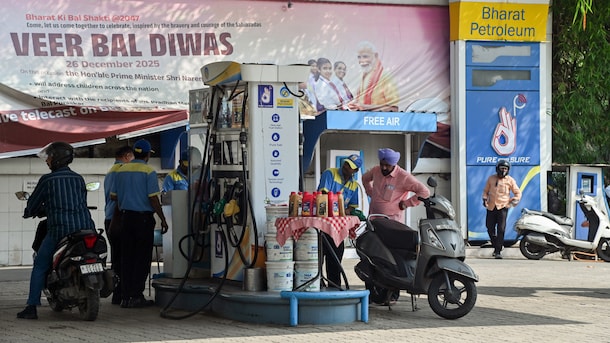
Interestingly, given the scale of the conflict and the players involved, oil prices did not skyrocket. Prices of benchmark crude oils have moved up only about 8-9% in opening trade on Monday - that too only after the Saudi refinery was shut down. An oil price level of above $100/barrel is too disruptive. Importers will likely grin and bear $80-$85/barrel. The biggest beneficiary will be the biggest producer. For now, that happens to be the US. Being the world's largest producer of natural gas, it will also profit from high LNG prices.
(Dinesh Narayanan is a Delhi-based journalist and author of 'The RSS And The Making Of The Deep Nation'.)
Disclaimer: These are the personal opinions of the author
-
Blog | The Dantewada Massacre, And What India Needs To Do To Stay Maoist-Free

In 2010, I was Assistant Chief of the Air Staff controlling transport aircraft and helicopters, and on April 6 that year had to arrange An-32 aircraft to carry coffins of 75 CRPF jawans.
-
Opinion | How Iran Has Pierced The One 'Shield' That Protected America For 30 Years
In the past, US campaigns in Iraq, Afghanistan and Libya were conducted against relatively weak air defences. That has not turned out to be the case with Iran, puncturing the long-held myth of America's 'indomitable' air power.
-
Opinion | The Quiet 'Upheaval' Within US Military Over The Iran War
General Randy George's ouster carries echoes of a similar episode in 2003, in the run-up to the Iraq war. But much more is happening within the US military, courtesy Hegseth.
-
How Iran Sucker-Punched Trump Into 'Escalation Trap' 'Hellhole'
Trump is now under pressure, not just from allies but also within; the President's approval rating is the lowest it has ever been with mid-term elections in November.
-
Eagle Down: How US Carried Out Precision Search And Rescue Op In Hostile Iran
How the United States transformed a tactical failure into a narrative of national resolve.
-
Opinion | 450 Missile, 2,000 Drone Attacks Later, Why Is UAE Still Not Fighting Iran?
The UAE is Iran's second-largest trading partner and also home to roughly half a million Iranians. Why, then, has it absorbed more fire than any other Gulf state?
-
In Numbers: How Has India Kept Fuel Prices Low Even As Europe Sees 70% Spikes?
India imports 88% of its crude. Why then is it not seeing massive price hikes for fuel and LPG? Inside the unique strategy it's following...
-
Opinion | India Just Decided To Let Chinese Capital In Again. But There's A Catch
In March 2026, India eased regulations that had restricted Chinese capital in local companies, in a development that marks New Delhi's cautious approach towards capital flows from Beijing.
-
Trump's Iran 'Knocked Out' Claim Blown Up By US Intel On Missiles, Drones
Donald Trump claimed this week the war would end in two to three weeks as he threatened to send Iran back to the Dark Ages. But based on these reports the fighting is far from over, even if US President wants to push a contrary narrative.
-
Opinion | Rs 30 Petrol Hike To Currency Crisis, What Oil At $150 Can Really Do To The World
At $125 per barrel, petrol and diesel retail prices will need to rise by Rs 8-14 per litre. At $150 - which experts think is now likely - these figures could touch Rs 26-30 per litre.