











Britain is witnessing a violent surge in anti-immigration sentiment manifesting in arson and pitched battles with the police. It is fuelled by a combination of high-profile violent crimes, public anxiety over migration and increasingly vocal interventions from far-right politicians, activists and influential figures on both sides of the Atlantic. Recent incidents involving non-White suspects have provided fresh ammunition to anti-immigration campaigners, even though one of the accused was born and raised in Britain while another had been granted the legal right to remain in the country indefinitely. Together, the cases have reignited a fierce debate about immigration, policing, national identity and the future direction of British society. Britain is boiling
The Violence Of Last Week
On a cold December night in Southampton, England, 18-year-old Henry Nowak was walking home alone after spending the evening with friends when he encountered Vickrum Digwa, who was, as court revealed, carrying ceremonial blades associated with the Nihang Sikh tradition. After noticing one of the weapons, Nowak began filming Digwa on his phone. What started as a brief exchange between two strangers quickly turned deadly. Digwa stabbed the teenager four times, including a fatal wound to the chest. As he lay bleeding on the pavement, Nowak repeatedly told the police, "I have been stabbed. I can't breathe". Yet in a scene that would later shock Britain and the world, officers initially treated him as a suspect rather than a victim, handcuffing him as his life ebbed away. Officers did not respond to his cries and instead kept taunting him. Within minutes, he died from his injuries.
The horrific details came to light last week when a court sentenced the 23-old-old Vickrum Digwa, a British-born man of Indian Sikh heritage, to life imprisonment. It outraged everyone. One just couldn't believe the callousness of the policemen involved.
Sikhs Facing Ugly Threats
The case also triggered an ugly backlash against ordinary Sikhs. Just a few days after Digwa was jailed, a Sikh priest from his former Southampton gurdwara was assaulted while shopping and was subjected to racial abuse. Elderly and vulnerable Sikhs have since been advised to stay indoors as fears of reprisals have grown by leaps and bounds.
Nigel Farage's Reform UK and other critics pointed to the incident as evidence of what they describe as "two-tier policing", the belief that police and public institutions apply different standards depending on race, religion or political sensitivities. Whether one accepts that argument or not, the phrase has gained traction among sections of the British public who feel increasingly alienated from mainstream institutions. It is a sentiment that has become fertile ground for populist movements across Europe and the US.
The incident reminded many of George Floyd, whose repeated cries of "I can't breathe" went unheeded.
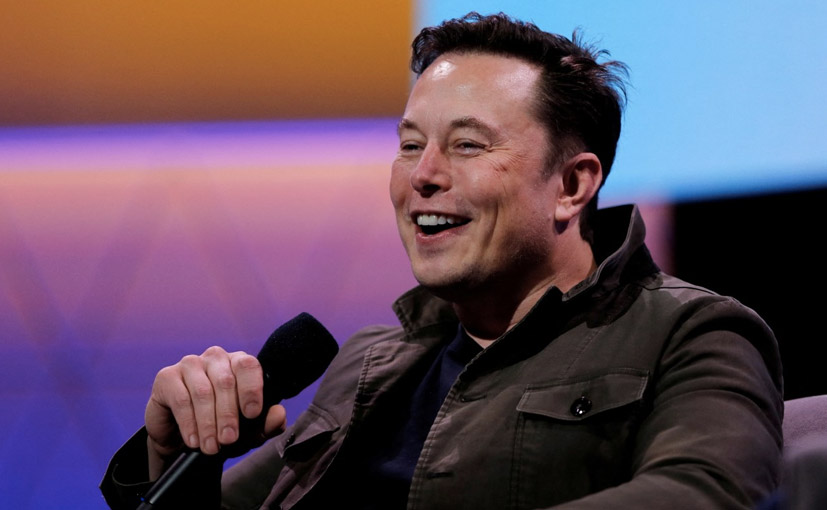
Elon Musk and others immediately raised their voices, saying that the treatment of Henry Nowak by British police in his final moments raised similar questions about institutional failure and deserved comparable scrutiny. US Vice-President JD Vance was also quick to comment, linking the killing to what he called the "mass invasion of migrants". Writing on X, Vance said Nowak had died "the same way a civilisation dies: abandoned and handcuffed by authorities who neither trusted nor cared for him", adding that the "only response" was "righteous anger".
The Difference
It is worth noting that Floyd died at the hands of a police officer, whereas Nowak was murdered by a private individual. But no one can deny that the treatment of both men by police in their final moments bears striking similarities. That is why, for many on the political right, both cases have become symbols of a broader debate about whether public institutions apply equal standards of justice, sympathy and accountability to all victims.
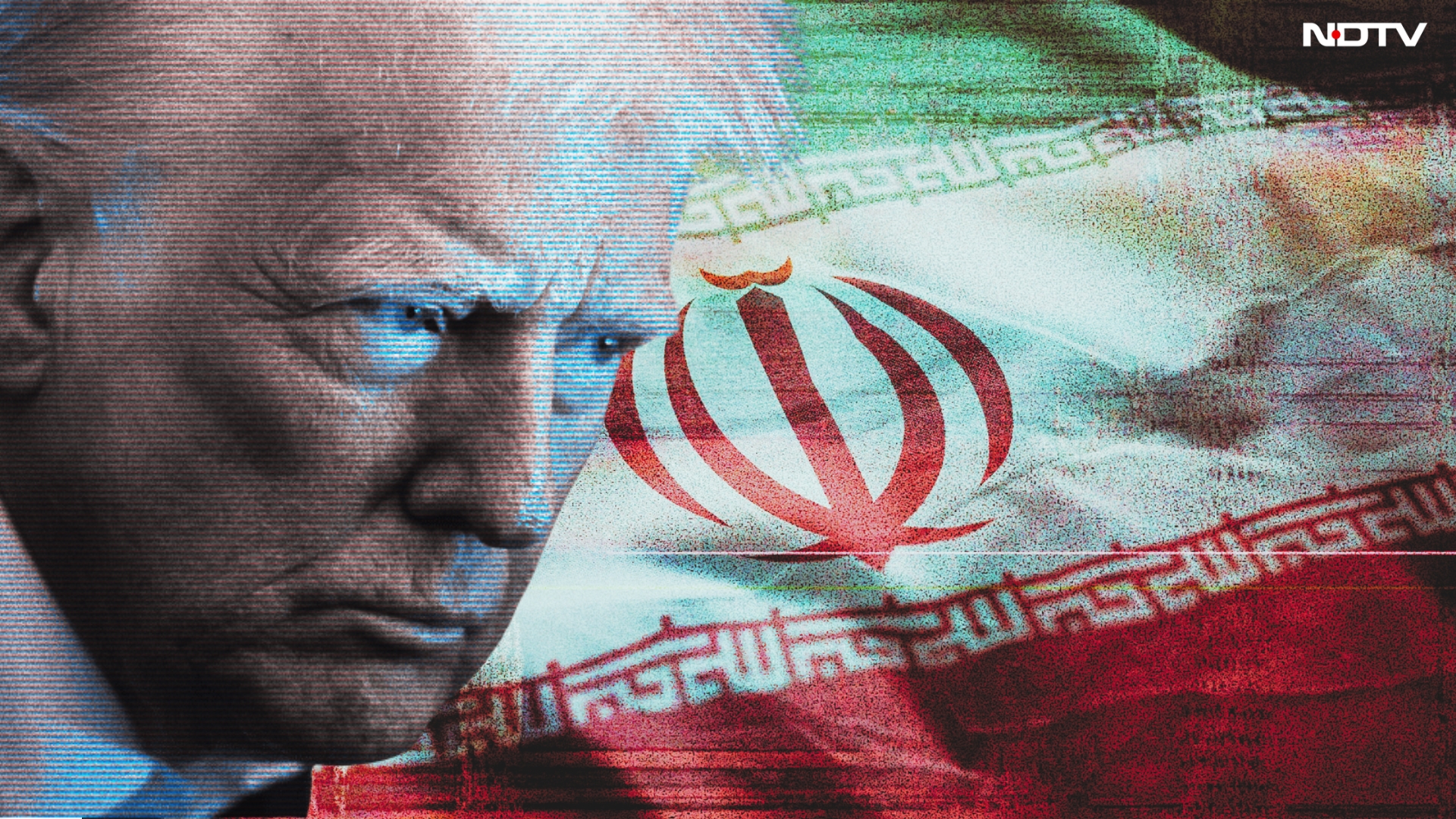
The murder of Henry Nowak in Southampton should, in normal circumstances, have remained what it fundamentally was: a tragic criminal case involving a young man whose life was cut short in a senseless act of violence. Instead, it has become the latest front in a widening transatlantic political battle over immigration, policing, race, free speech and national identity. In the process, a grieving family has found itself at the centre of an argument that stretches far beyond Britain and increasingly defines relations between Donald Trump's America and Europe's political establishment.
Before jailing Digwa, the court rejected his claims that he had been racially abused and had acted in self-defence, convicting him of murder and sentencing him to life imprisonment. Yet the case snowballed into a huge controversy after the police bodycam footage showed officers handcuffing the dying teenager while initially appearing to accept claims that Digwa was the victim of a racist attack.The footage shocked many Britons and raised uncomfortable questions about police judgment and too much political correctness.
Vance And Musk Outraged
The intervention of influential American voices transformed the case from a domestic controversy into an international one. US Vice-President JD Vance linked the killing to what he described as Europe's "mass invasion of migrants". Elon Musk accused British authorities and parts of the media of ignoring the case and drew comparisons with the extensive coverage given to the death of George Floyd in the United States. For many conservatives on both sides of the Atlantic, the image of a dying teenager being handcuffed by police became symbolic of a broader institutional failure.
The irony, however, is difficult to disregard. Digwa was not a recently arrived migrant. He was born and raised in Britain. Vance's wife is of Indian origin. Donald Trump's current and former wives are immigrants. Musk himself was born in South Africa before becoming an American citizen. Yet immigration has become the organising political issue around which much of the modern populist right now defines itself. For its supporters, the issue is not merely migration but the belief that Western elites have become detached from public concerns about crime, integration and national identity.
Prime Minister Keir Starmer's government responded forcefully. Downing Street accused outside voices of exploiting a family tragedy and attempting to inflame tensions and divide British society. His ministers insisted that Britain would not be allowed to import America's highly polarised culture-war politics. Yet his government faces a difficult challenge. Public concern about immigration is genuine and widespread. Net migration remains far higher than many voters expected. Trust in political institutions has weakened. The result is that attempts to dismiss such debates often end up strengthening those who claim legitimate concerns are being ignored.
Europe Under Pressure
The Henry Nowak case has landed in the middle of a much bigger argument that has been building across Europe for the past few years. From Britain and Germany to France, the Netherlands and Sweden, anti-immigration parties have gained support by arguing that mainstream politicians have lost control of borders and failed to address the social consequences of large-scale migration. Their opponents counter that crime involving migrants is routinely exploited to stigmatise entire communities and inflame public fears.
Starmer's challenge is not confined to Westminster. Across Britain, tensions over immigration have increasingly spilled onto the streets. In the last few days, Belfast witnessed nights of bloody violence over the stabbing of local teenager Stephen Ogilvy by a Sudanese immigrant. Vehicles and homes were set on fire, police came under attack and immigrants were targeted. Authorities say the suspect had been granted permanent residence in the UK nearly three years earlier. Just days before that, Southampton itself witnessed violent protests following the sentencing of Vickrum Digwa. Eleven police officers were injured as demonstrators clashed with police, fuelled by anger over the treatment of Henry Nowak in his final moments and the perception that authorities had instinctively believed his killer's version of events.
Alarmingly, these incidents are part of a wider pattern. In May, tens of thousands of protesters gathered in London for a "Unite the Kingdom" rally led by anti-immigration activist Tommy Robinson, who urged supporters to prepare for what he called the "Battle of Britain". The rally reflected a growing sense among many voters that concerns over immigration, crime and social cohesion are not being adequately addressed by mainstream political parties. Whether justified or not, such sentiments have become increasingly influential in British politics.
Indeed Britain has seen it all in recent times. In late 2024, the country was rocked by unrest following the Southport murders, in which three young girls were killed in an attack that horrified the nation. False rumours rapidly spread online claiming the suspect was a recently arrived asylum seeker. Although those claims later proved untrue, they triggered violent protests and riots in several towns and cities. The disturbances exposed a deep reservoir of public frustration over immigration and trust in institutions, frustrations that continue to shape political debate today.
Musk's Criticism of Britain
It was against this backdrop that Elon Musk and other American conservative figures increasingly turned their attention towards Britain. Musk repeatedly commented on the Southport unrest and at one stage suggested that "civil war is inevitable". The remarks prompted furious criticism from ministers who accused him of amplifying misinformation and deepening social divisions. To his supporters, however, Musk was merely articulating concerns that many ordinary people already felt but believed were being ignored by political elites.
Germany offers another revealing example. Following a series of attacks involving asylum seekers and migrants, immigration has become one of the most contentious issues in German politics. Musk openly endorsed the anti-immigration Alternative for Germany party and even addressed one of its campaign events by video link. Needless to say, German leaders reacted with alarm, accusing Musk of attempting to influence domestic politics. Yet Musk's support reflected a broader trend. Across Europe, populist parties increasingly see themselves as part of an international movement stretching from Washington to Budapest, Rome, Amsterdam and Berlin.
America's Culture War
European leaders view these developments with growing concern. Many believe an ecosystem of American commentators, influencers, activists and wealthy donors is helping amplify nationalist and anti-establishment movements across the continent. Some politicians go further and allege, without solid proof, that financial and media networks sympathetic to Trump's populist agenda are strengthening far-right parties in Europe.
For European governments, the danger lies not merely in criticism from America but in the gradual import of America's political culture. European politics has traditionally been less polarised than that of the US. There have always been divisions, but they were often moderated by stronger political institutions, public broadcasters and a greater willingness to seek consensus. Many European leaders now fear that social media has eroded those buffers. Every crime, controversy or political dispute risks becoming another battlefield in an endless culture war.
Divided From Within
The timing could hardly be worse. Relations between Trump's America and Europe are already strained over NATO spending, Ukraine, Russia, trade policy and the Middle East. Immigration has now emerged as another source of friction. What began as disagreements over border control and asylum policy increasingly reflects deeper differences about identity, democracy and the role of the state. To many European leaders, the American right is encouraging a style of politics that thrives on outrage and division. To many conservatives, Europe is simply refusing to confront uncomfortable realities, the main one being the influx of migrants
The tragedy of Henry Nowak may ultimately fade from the headlines. The larger argument almost certainly will not. It will soon find another trigger. What is unfolding is not merely a debate about one murder, or one police force or one government's response. It is a struggle over competing visions of Western society itself. One side believes political elites have ignored legitimate concerns about immigration, crime and cultural change for too long. The other fears that populists are exploiting individual tragedies to undermine social cohesion and democratic institutions.
Neither side is likely to retreat. And that is why a fatal encounter on a Southampton street has become something far bigger than a criminal case. It has become a window into the growing ideological divide between Trump's America and Europe's political mainstream, a divide that is shaping politics across the Western world.
(Syed Zubair Ahmed is a London-based senior Indian journalist with three decades of experience with the Western media)
Disclaimer: These are the personal opinions of the author


