Inside Mumbai's Worsening Air Pollution Crisis
Mumbai Air Pollution: Mumbai 's overall Air Quality Index (AQI) on February 25 remained in the poor to unhealthy range.
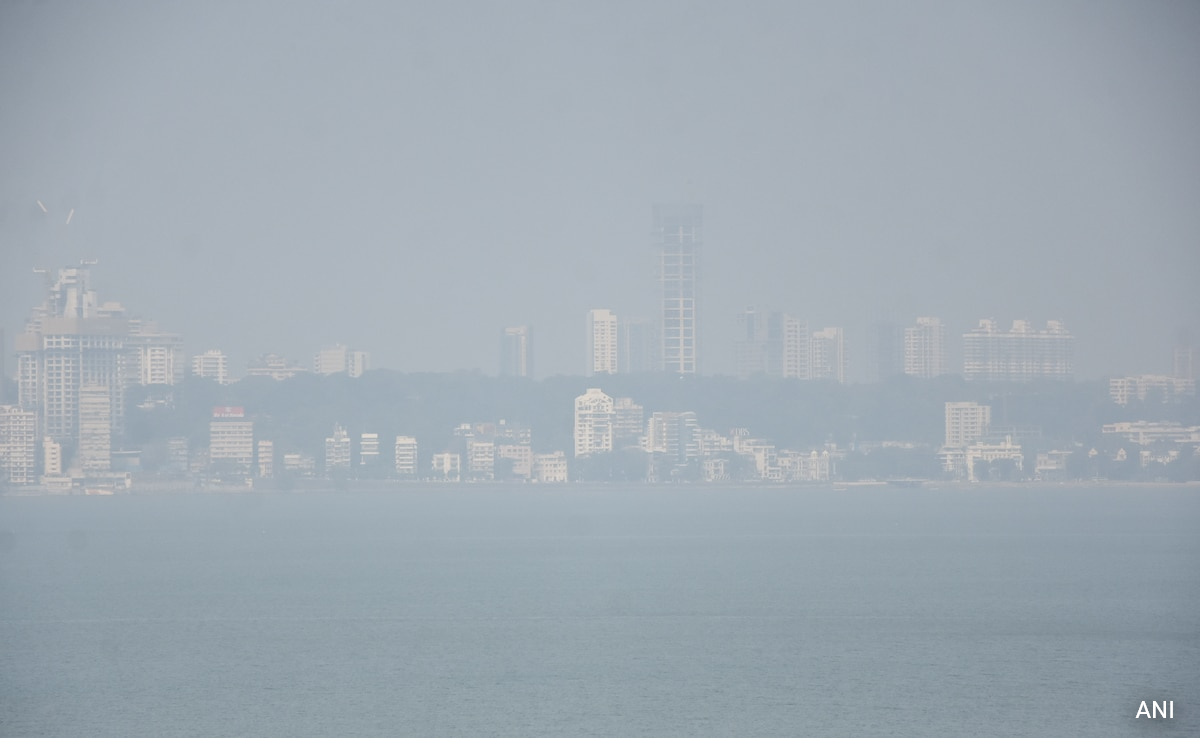
Mumbai woke up to yet another blanket of haze on Tuesday morning, with a grey veil hanging over the skyline from Bandra to South Mumbai. What was once a sea-facing promenade known for crisp coastal breezes now opens to blurred high-rises and the smell of dust.
The city's overall Air Quality Index (AQI) on February 25 remained in the poor to unhealthy range, hovering around the 230-250 mark in several locations. Some pockets fared far worse. BKC, Ghatkopar and Mulund reported readings well above 290, close to the severe category. Parts of Bandra, Worli and South Mumbai also recorded poor AQI.
A Week Of Wild Swings
Over the past seven days, Mumbai's air quality has fluctuated sharply:
- February 17: AQI 123 (Poor)
- February 18: AQI 78 (Moderate)
- February 19: AQI 153 (Poor)
- February 20: AQI 318 (Severe)
- February 21: AQI 259 (Unhealthy)
- February 22: AQI 240 (Unhealthy)
- February 23: AQI 190 (Poor)
- February 24: AQI around 250 (Unhealthy)
The spike to 318 on February 20 marked the week's worst day, when air quality entered the severe bracket, hazardous even for healthy individuals.
Inside Mumbai's Worsening Air Pollution Crisishttps://t.co/K4WqANr2km
— NDTV (@ndtv) February 26, 2026
Watch this special report by NDTV's @radhika1705 pic.twitter.com/2HCf8sTc4N
What's Driving Mumbai's Air Pollution?
Experts say Mumbai's worsening air quality is not caused by a single factor but by a combination of urban pressures that have intensified over recent years. As per studies, resuspended road and construction dust remains one of the biggest contributors to particulate pollution in the city, accounting for around 30% of PM10 and a significant share of fine PM2.5, while vehicular emissions contribute roughly 16% of PM2.5 levels. Marine aerosols and atmospheric secondary aerosols also play a role due to the city's coastal location, but human activity is clearly dominant in driving poor air quality.
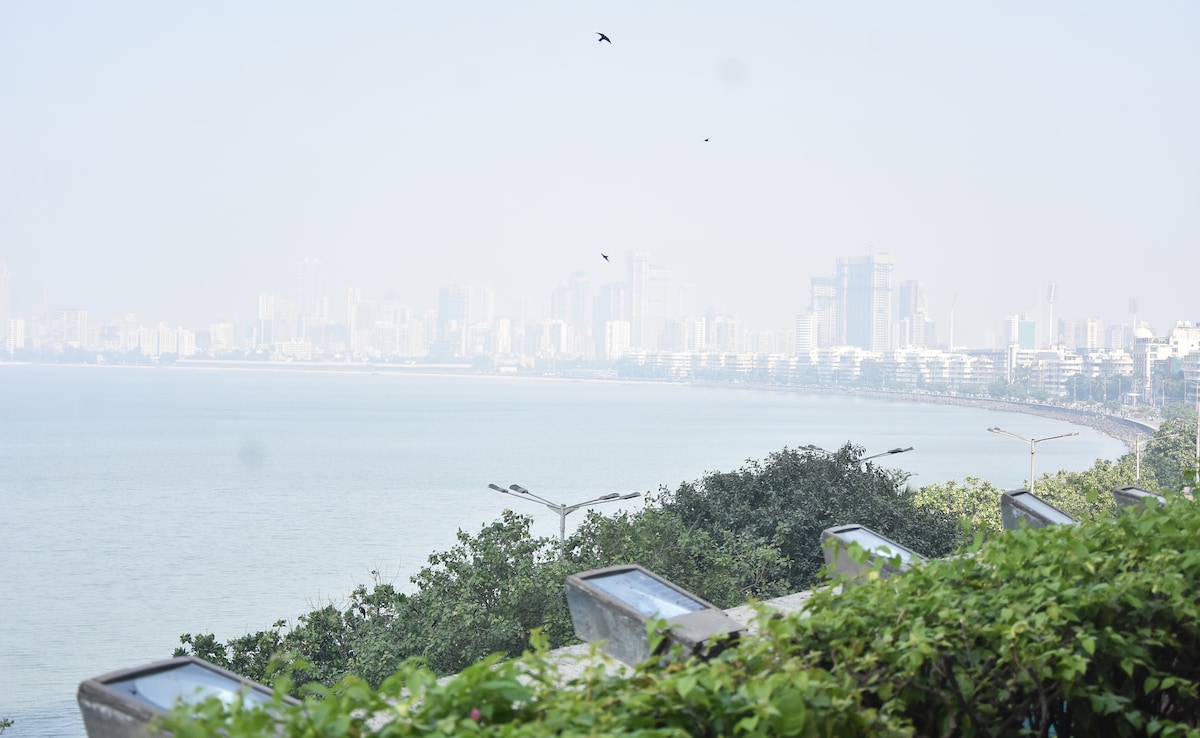
Maharashtra health department has informed the state assembly that rising pollution levels are contributing significantly to lung cancer cases in Mumbai. Photo Credit: ANI
Bhagwan Khesbat of Waatavaran, an environmental organisation, said, "Road dust, traffic congestion and large-scale construction activity together make up the bulk of the airborne particulate load in Mumbai. Heavy-duty vehicles and demolition works add significantly to the problem. Studies show that traffic and construction dust together are responsible for a large share of particulate matter, nearly 29% from road and building activity alone, followed by power plants and diesel engines."
Moreover, sources such as industrial emissions, open waste burning and background dust from soil and other combustion processes add to the cumulative pollution burden. Khesbat added, "Seasonal weather patterns, especially low wind speeds and temperature inversions, trap pollutants close to the ground, which worsens the smoggy conditions we are seeing.
"Zero Accountability", Say Residents
At Carter Road in Bandra, a popular sea-facing promenade, frustration was evident among early-morning walkers. "All these buildings are under construction, this should stop... it's insane. Zero accountability," said Pankaj Shah, a resident. "The worst is the BMC sweeping dry mud. Everyone is sick - my friends are sick. There is filth all over."
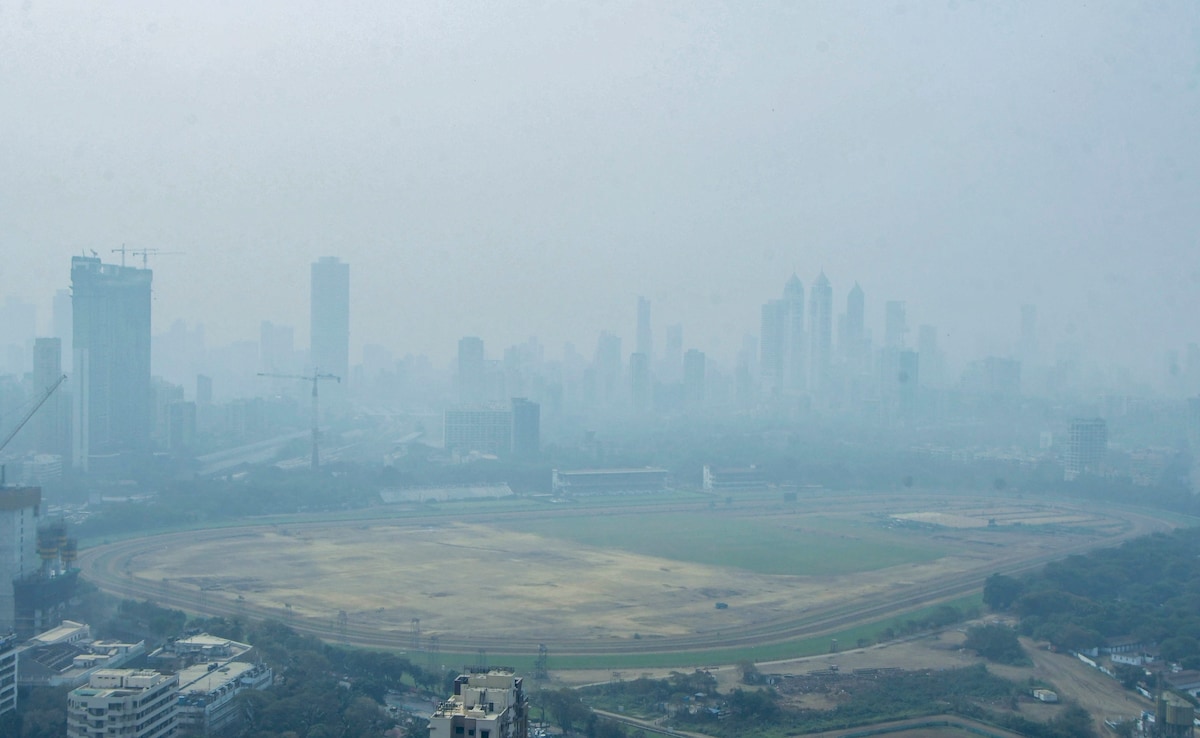
Opposition in Maharashtra was quick to criticise the government's handling of the crisis. Photo Credit: ANI
Another resident, Avik Naz, checking real-time readings on his phone, said, "AQI is 307 at 8 am. No hopes from the government or BMC. Even after the High Court blasted them, they are not doing anything. The full city is sold to builders. We are tax-paying citizens."
Activists Say Enforcement Not Enough
Environmental activist Sumaira Abdulali said the problem goes far beyond monitoring.
"The pace of construction has increased here dramatically. After the High Court slammed the authorities, the BMC began measuring air quality more closely, but measuring air quality and actually achieving clean air are two different things," she said.
Drawing comparisons with global cities, she added, "When Shanghai decided to clean up its air, it did so by taking stringent, systemic measures. We are unable to do that here. We sell apartments as 'high-end' and 'world-class', but the process of construction itself is not world-class." She argued that global technologies to minimise dust are readily available but underutilised. "There are technologies available worldwide that prevent this kind of mess. We are simply not using them." Calling stop-work notices a short-term fix, Abdulali said, "Issuing stop-work notices is a temporary solution. The BMC should lead by example. Government projects are also polluting, it's not just private developers."
Bombay High Court has taken an increasingly active role in addressing Mumbai's air pollution.
She urged the civic body to invest its substantial budget in model, pollution-friendly construction. "Cement-mixing equipment should not be placed on roads. Dust control must be systematic. If the BMC demonstrates how to build responsibly, the private sector will have to follow."
Celebrities Speak Out
Actor Saiyami Kher, known for her outdoor fitness routine and long-distance running, said the worsening air quality has directly altered her daily life.
"I've had to cut down on running outdoors because the AQI levels are simply not safe. You can feel it in your breathing," she said, adding that on several mornings she chose to stay indoors rather than risk exposure.
Expressing frustration, she said, "We pay so much in taxes, for what? For air that we cannot breathe? It's upsetting. There are clear health issues. People are coughing, children are affected. This is not just an inconvenience; it's about public health."
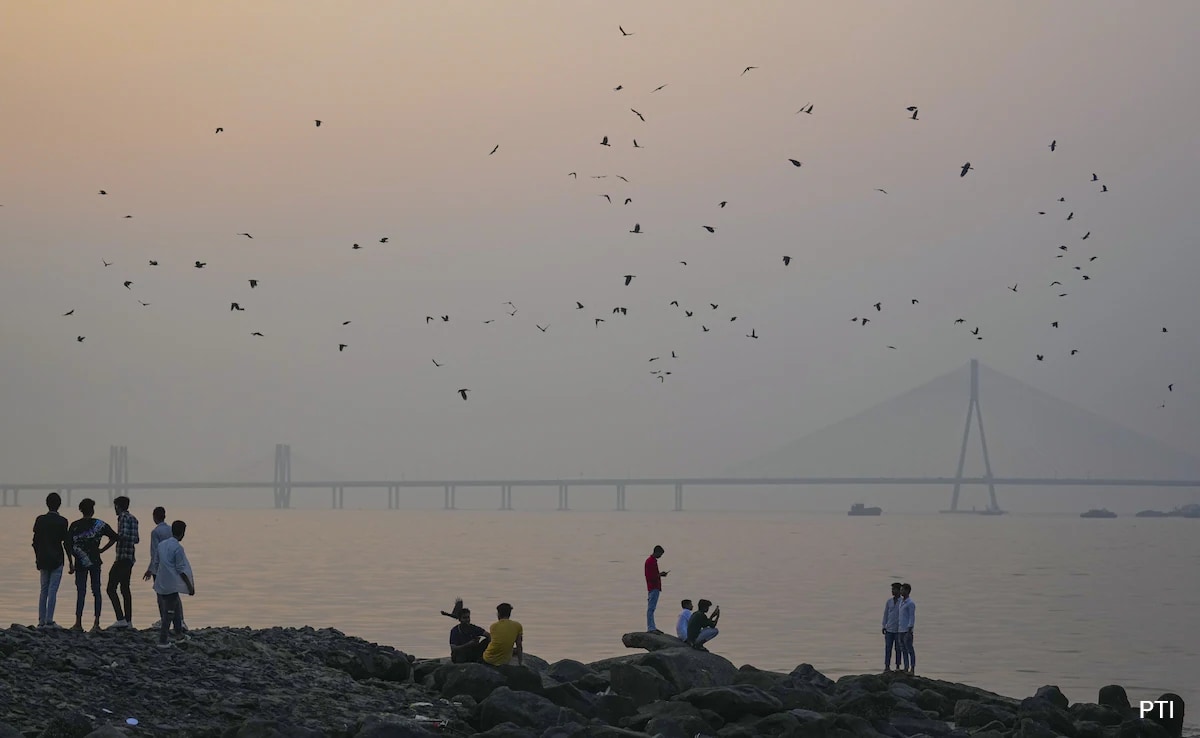
Construction sites in Mumbai are required to strictly install real-time air quality monitors.
At the same time, Kher stressed that responsibility does not rest solely with authorities.
"Yes, the BMC and the government have a huge role to play, and they must act decisively. But citizens also have to come forward collectively. We can't just complain and move on. We need to raise our voices, demand accountability, plant more trees, support greener initiatives and do whatever is necessary to help the environment. Clean air should be a shared responsibility."
She added, "If we truly love this city, we need to protect it, not just expect someone else to fix it."
Health Concerns Intensify
The Maharashtra health department has informed the state assembly that rising pollution levels are contributing significantly to lung cancer cases in Mumbai. Findings from a recent cancer screening drive indicated that lung cancer accounted for 57 per cent of detected cases, raising alarm among health officials.
Doctors warn that prolonged exposure to fine particulate matter, particularly PM2.5, increases the risk of chronic respiratory diseases, cardiovascular illness and lung cancer, even among non-smokers.
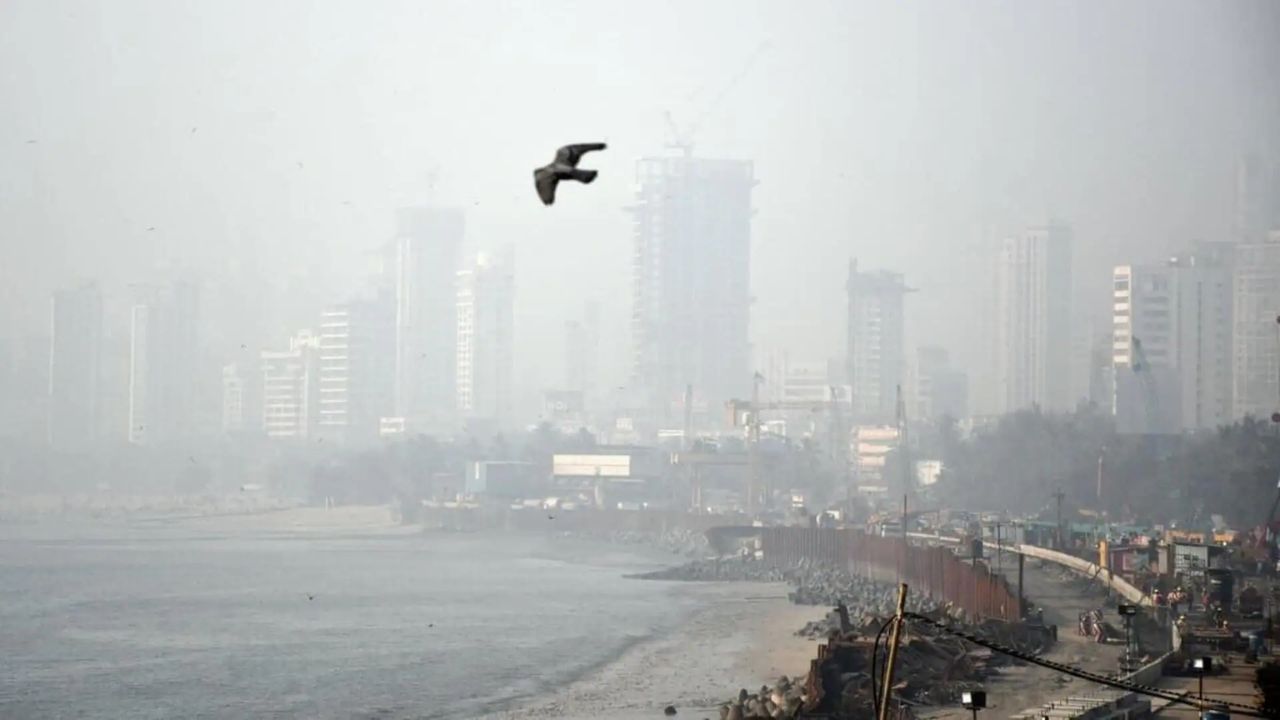
Nearly 88 per cent of active construction sites have installed low-cost air quality sensors.
"It is a question of the health of citizens," said another resident, Nandita Shah. "I've been suffering from a cough because of dust and allergies for the last two weeks. We are very upset. The BMC doesn't care."
Government Action And High Court Oversight
State Environment Minister Pankaja Munde told the Maharashtra Assembly that between October 2025 and January 2026, authorities issued 1,981 show-cause notices and 1,047 stop-work orders to construction sites violating environmental norms under the 'Clean Air' initiative.
Nearly 88 per cent of active construction sites have installed low-cost air quality sensors, she said, adding that 678 projects were halted on January 16 alone for failing to comply with sensor norms.
BMC officials say they have deployed water tankers and misting machines to suppress road dust and set up flying squads to inspect sites. "We have been cracking down on construction sites that flout norms. Strict instructions have been issued, and we are doing surprise inspections as well."
Construction sites in Mumbai are required to strictly install real-time air quality monitors, control dust by installing and operating dust suppression systems, cover debris and material stockpiles, enclose or netting work areas, sprinkle water regularly, and ensure all trucks leave the site covered and clean, as mandated under CPCB and BMC dust control norms aimed at reducing particulate pollution.
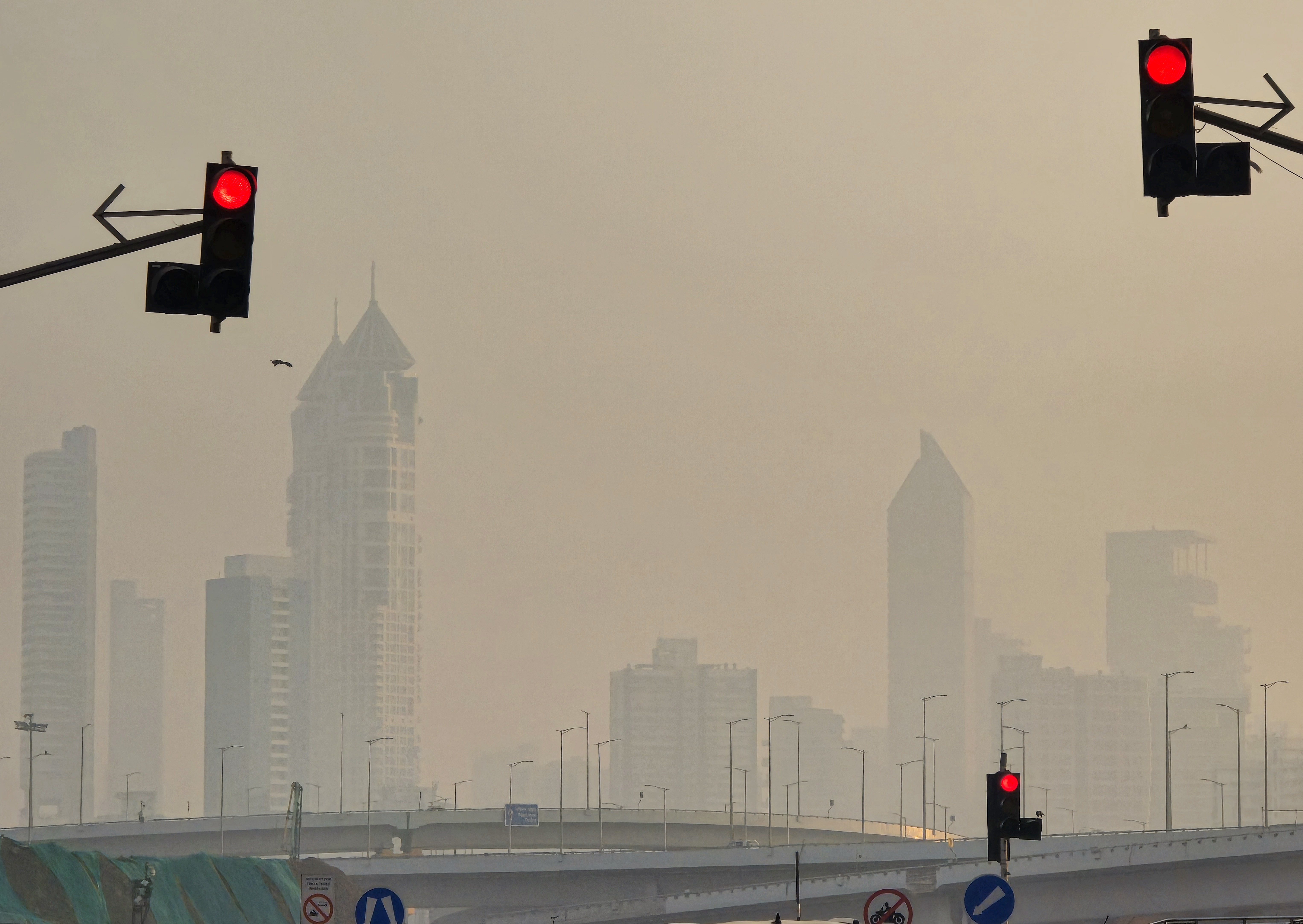
The spike to 318 on February 20 marked the week's worst day.
Questioning the credibility of some publicly circulated data, Munde said, "How much trust should we place in the apps through which we monitor these figures? Objections are being created against development, and incorrect data is being shown." Munde maintained that official data from the Maharashtra Pollution Control Board (MPCB) is being relied upon. "We provide data from the MPCB. Wherever pollution levels increase, action will be taken."
High Court Intervention
The Bombay High Court has taken an increasingly active role in addressing Mumbai's air pollution, expressing frustration at what it termed "insufficient monitoring" by civic authorities. A bench led by Chief Justice Shree Chandrashekhar and Justice Gautam Ankhad formed a high-powered committee to supervise compliance with earlier court directives aimed at curbing pollution in Mumbai and Navi Mumbai.
In another recent development, the court ordered the formation of a robust technical cell to monitor large facilities such as the Kanjurmarg dumping site, which has been linked to odour and air quality complaints in surrounding residential areas. The court also mandated expedited installation of odour-containing covers at the site, citing the constitutional right to life and the need to protect citizens' health.
Opposition Attacks Administration
The Opposition in Maharashtra was quick to criticise the government's handling of the crisis.
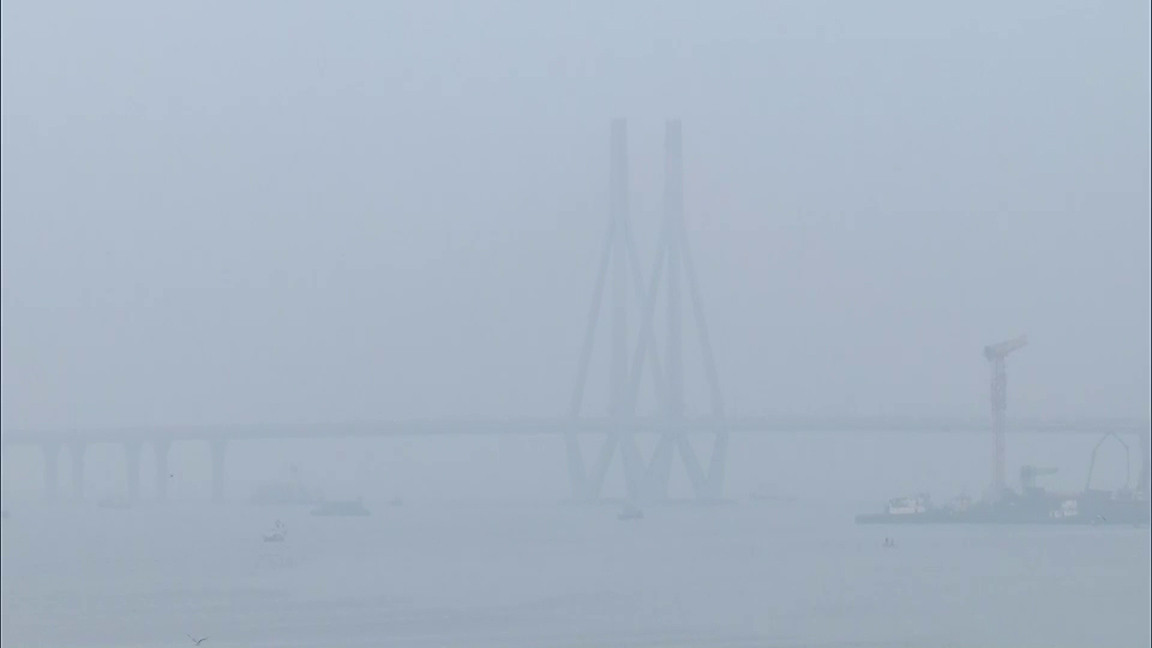
Experts say Mumbai's worsening air quality is not caused by a single factor.
Shiv Sena (UBT) leader Aditya Thackeray has called for stricter enforcement and questioned whether temporary measures were enough. He has demanded an immediate halt to all private construction activity for at least a week, until air quality improves. In his letter to the BMC commissioner, Thackeray said the "obnoxious levels of pollution" were a hassle for citizens. "No city in the world can attract visitors, investment or even keep its own citizens healthy with such pollution."
Congress leader Aslam Shaikh linked the pollution crisis to broader governance issues. "Thousands of crores were spent under the name of development and beautification... but the public had to bear the inflated expenditure," he said, alleging misplaced priorities while environmental issues worsened.
A City At A Tipping Point
For a city that prides itself on resilience and ambition, pollution is becoming a defining urban challenge.
From residents coughing on morning walks and wearing masks while jogging to activists demanding systemic reform, from celebrities speaking up to courts stepping in, Mumbai's air crisis is no longer a seasonal issue.
As the haze lingers over the Arabian Sea, the pressing question remains, can India's financial capital balance rapid development with its citizens' fundamental right to breathe clean air?
-
3 Minutes, 6 Stanzas, Century-Old Debate: The Many Turns In Vande Mataram's Journey

PM Narendra Modi launched a year-long commemoration of the song's 150th anniversary on November 7, 2025. In December, both Houses held special discussions on it, during which the 1937 Congress decision was scrutinised.
-
Opinion | Sajjan Kumar, Congress, And How To Keep Messing Up An 'Apology'
A sitting Congress MP has termed Sajjan Kumar's death an "irreparable loss", calling him a man whose bond with the people of Delhi was "an example". This was a tribute, delivered in full sentences, to a convicted killer of Sikhs.
-
Explained: Why Tamil Nadu Dropped Second Airport Near Chennai
While the government stands firm with the protesting residents, Chief Minister Vijay assured that Chennai's aviation needs will not be ignored. The state will soon announce a detailed plan for a new airport at an alternative site, he said.
-
Opinion | A 'Snub' Gone Too Far? The Story Of Bangladesh PM's Stalled India Visit
The abrupt cancellation of Prime Minister Tarique Rahman's scheduled visit to New Delhi this month raises many questions.
-
Inside Pak's New Law That Has One Man Written All Over It: Asim Munir
With a new act, Munir has truly reached the apex. At least most politicians in Pakistan will hope so.
-
Behind Sugar Shock: Not Ethanol, But Over-Estimation Led To 16% Price Rise
In November 2025, the government allowed sugar mills to export 15 lakh tonnes. Now, India has allowed 10 lakh tonnes of raw sugar to enter duty-free.
-
Indian Family Wipeout Over iPhone: The Dangerous Lure Of Consumer Tech Debt
Young buyers walk into physical retail stores, hand over basic identity documents and walk out with a consumer electronic device that costs more than their entire family's monthly take-home income
-
China Outspends India In Space, But New Delhi Holds The Trust Card
The US remains the undisputed leader in the global space race. But it's realistic for India to aim for the third place, says Bellatrix Aerospace COO.
-
It's About The Provenance: Head Of Strategy Koreel Lahiri Decodes One Identity Of NDTV
We at NDTV consciously recognise the fact that the same consumer inhabits several screens during the course of a day.
-
Opinion | India's UPI Miracle Has Created A Difficult, Rs 20,000-Crore Question
UPI's whole magic was the Rs 30 payment it charged nothing for. But how long can it stay free?