Analysis | The V-Team: What Vijay's Game-Changing 'Cabinet Of Firsts' May Look Like
High-profile names such as KA Sengottaiyan and JCD Prabhakar are expected to provide the necessary experience ballast, while figures such as Aadhav Arjuna, KG Arunraj, and CTR Nirmal Kumar represent the new guard of strategic thinkers.
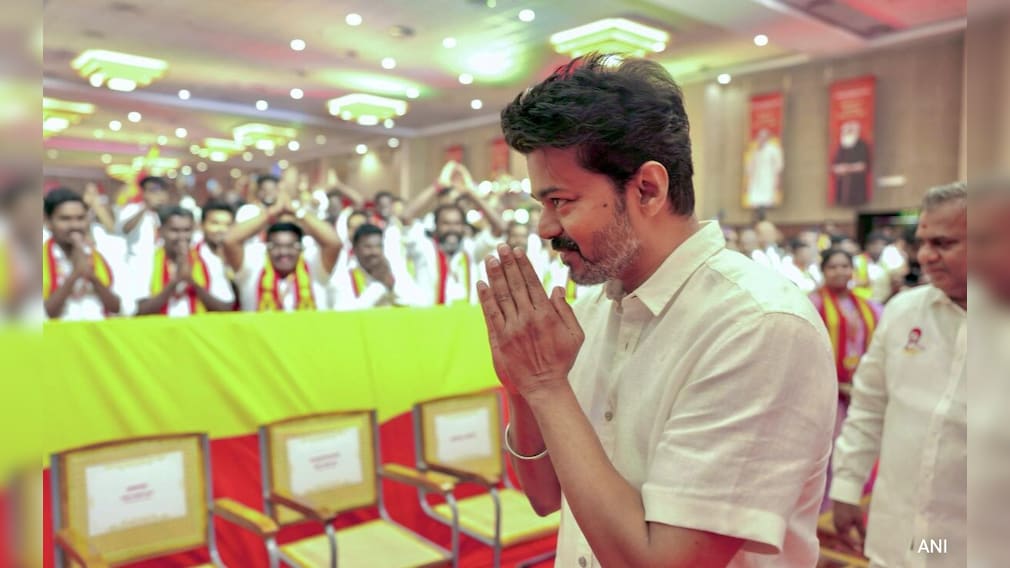
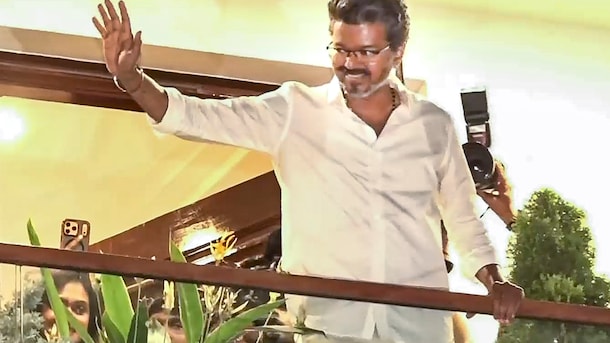
The 2026 Tamil Nadu assembly elections have delivered a verdict that effectively shatters a five-decade-old duopoly. Vijay has decimated the past and ushered in a new era. But what will this new era bring for the state?
By securing a commanding position but falling just short of a standalone majority - it has got 108 seats against the halfway mark of 117 - Vijay and his Tamilaga Vettri Kazhagam (TVK) have to rely on other smaller parties for support. Tamil Nadu has had a hung verdict only twice in the past: in 1952, when C Rahagopalachari of the Congress relied on independents to run his government, and then from 2006 to 2011, when M Karunanidhi led a minority government with the outside support of the Congress.
Vijay's Two Options
Vijay has two options before him: either tie up with others and give the state its first real coalition government, or attempt a minority TVK government with outside support of a few parties. The latter option has the risk of instability, while the former would cement his position. For one, Vijay had declared during his campaign that he was open to sharing power.
In all likelihood, we are going to see a coalition government that becomes a laboratory for a power-sharing agreement.
This shift forces a historic departure from the "winner-takes-all" mandates of the past. It will require Vijay to demonstrate immediate diplomatic maturity as he seeks to bring smaller parties such as the VCK (2), the Left (4), the Congress (5), and the IUML (2) into the TVK fold.
The PMK with its four MLAs is ripe for the taking, but an alliance with it creates a friction point given Vijay's substantial Dalit support base.
The AIADMK may also consider giving Vijay support. If he can convince the party to be a junior partner, it would be a huge success. He could well cement decisive numbers, for now, in the House, and foster a long-term relationship that eventually sees him become the face of both the two leaves and the whistle. The two parties are natural allies; the only issue was who would be the lead partner. That question has now been settled by the results. The AIADMK may have to take this call, soon.
A 'Common Minimum Programme'
While the numbers are an immediate but minor challenge, the true test of Vijay's power lies in the governance agenda he intends to pioneer. For Vijay, Cabinet-forming will be a delicate balancing act that would require both social engineering and political pragmatism. The leadership is expected to prioritise a "common minimum programme" that emphasises development over identity, potentially easing the path for seasoned MLAs from the DMK and AIADMK to gravitate towards this new centre of power in the coming months. This will happen only if leaders from all sides are convinced that Vijay is a viable long-term vehicle for their political futures. That, in turn, would depend on his administration.
The composition of the Vijay Cabinet promises to be a radical departure from the status quo, favouring a technocratic and representative mix over old-school patronage. There is palpable expectation that the Cabinet will be younger, more diverse, and more professional than any that came before it, with a pronounced emphasis on Dalit, women, and minority representation. High-profile names such as KA Sengottaiyan and JCD Prabhakar are expected to provide the necessary experience ballast, while figures such as Aadhav Arjuna, KG Arunraj, and CTR Nirmal Kumar represent the new guard of strategic thinkers. Ultimately, this administration will be the biggest test of whether a screen icon can successfully transition into a statesman capable of managing a complex, minority-led coalition without letting the machinery of the state grind to a halt.
-
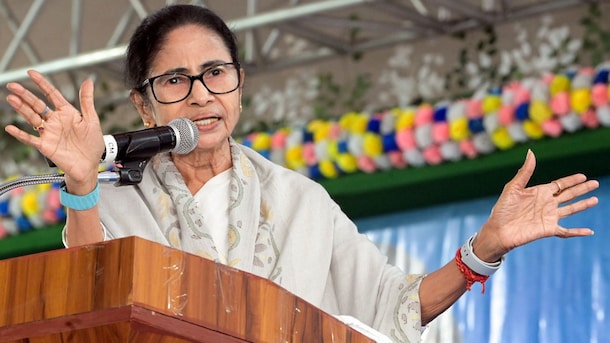
Opinion | Mamata Banerjee Brought Down The Left, But Never Quite Learnt From Its Fall

Mamata took over the Left's playbook 15 years ago, but failed to rework it to craft a new politics. In the end, the people of Bengal got more of the same: musclemen, corruption, and bad governance.
-
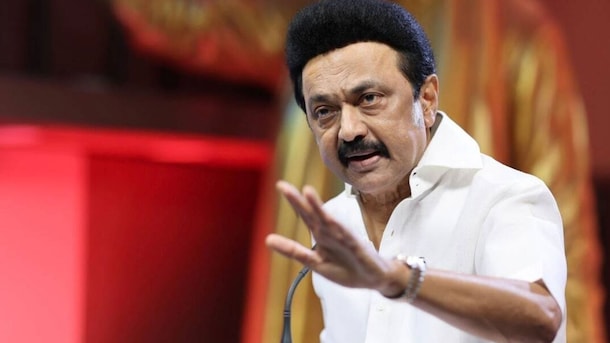
Opinion | MK Stalin: The Strongman Who Underestimated His Opponent - And Paid The Price
The DMK ecosystem kept dismissing Vijay's supporters as "tharkuris", that is, "idiots". It's this short-sightedness they are now paying for.
-
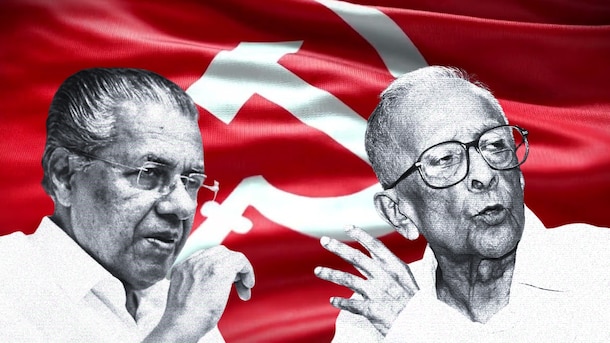
Left Behind? Left Not In Power In Any State For 1st Time In 50 Years
When the first elections were held in the country in 1951-52, it was the Communist Party of India that had the highest number of seats among Opposition parties in the Lok Sabha.
-
Opinion | Self-Inflicted Wounds? How Mamata Became The Architect Of Her Own Collapse
For a leader who built her identity on being the "sole protector" of Bengali sub-nationalism and the provider of a sprawling welfare state, the transition to the Opposition benches will be devastating.
-
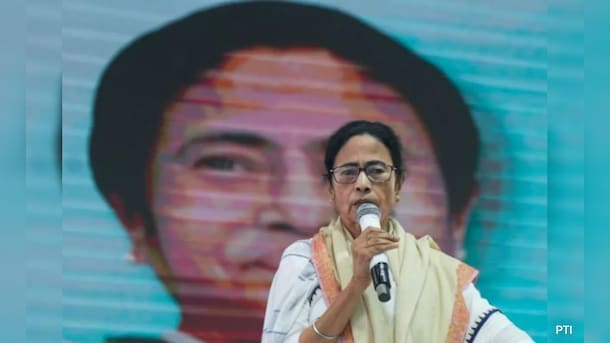
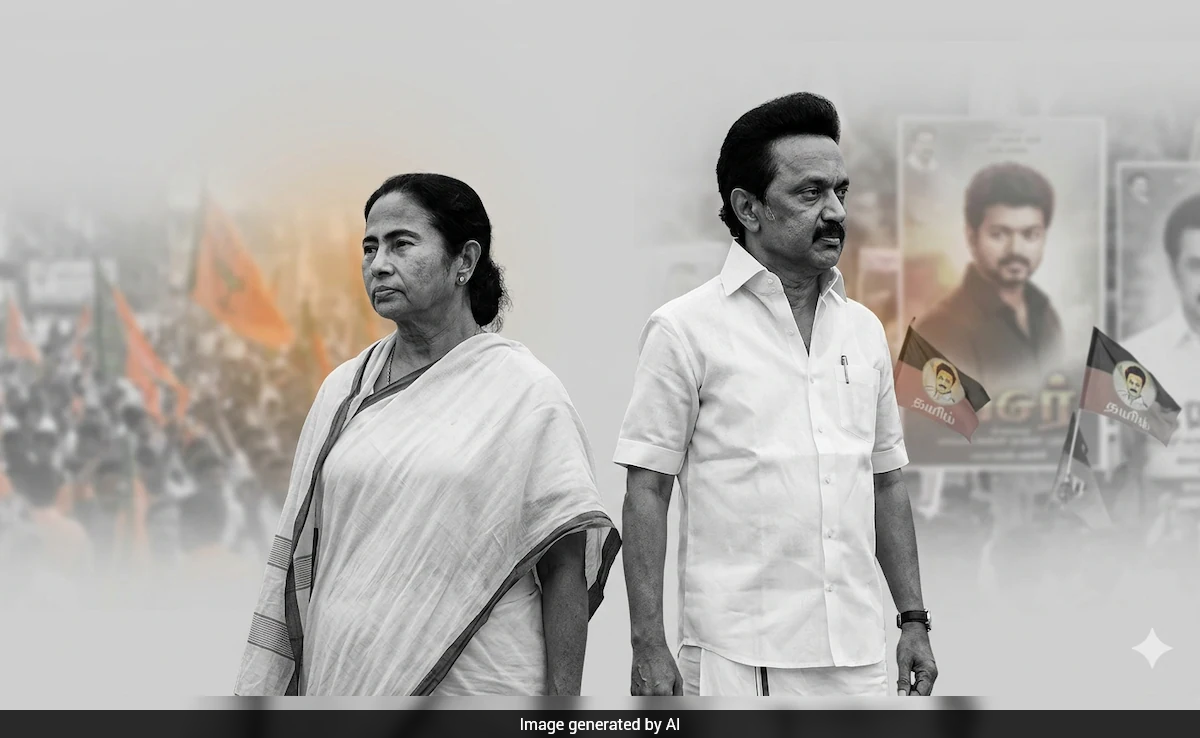
Beaten In Their Backyards: Is This The End For Mamata Banerjee, MK Stalin?
Mamata Banerjee and MK Stalin faced major defeats in their home states - the BJP made history by dominating Bengal and actor Vijay made history in Tamil Nadu with his successful cinema-to-politics jump.
-
Opinion | What Our 'Liberals' Really Need To Understand About Bengal's Voters
When it comes to Bengal, 'liberal' standards tend to quickly bend. Principles are replaced by poetry. Accountability by abstraction. Cases that would provoke nationwide outrage elsewhere are treated with caution, sometimes even scepticism.
-
Anga-Banga-Kalinga: How BJP Completed Its Eastern India Arc
Election Results 2026: For the BJP, what is unfolding is the completion of a political corridor across the eastern flank of the country from Bihar to West Bengal to Odisha.
-
Opinion | The Rise Of Vijay, The Fall Of Stalin - And A Puzzle For Palaniswami
For the defeated Stalin, this verdict is almost a reminder of the misfortune that beset his father, who was brought down by Jayalalithaa in 1991, 2001 and 2011. Except that his father never lost an assembly seat.
-
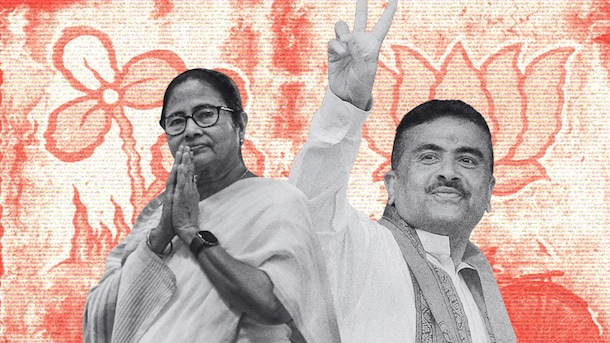
Opinion | The 'Silent' Bengal Voter Was Always Keeping Score. Mamata Just Didn't See It
Bengal is not an easy audience. So if the saffron wave has broken in here, the deepest explanation is this: people did not vote only for a party. They voted for a different emotional contract.