The 'Vande Mataram' Row: What Stanzas Did Congress Drop, And Why
Prime Minister Modi recited the full hymn at an event Friday morning, on the 150th anniversary of its composition, and said the Congress had "severed torn apart" the poem.
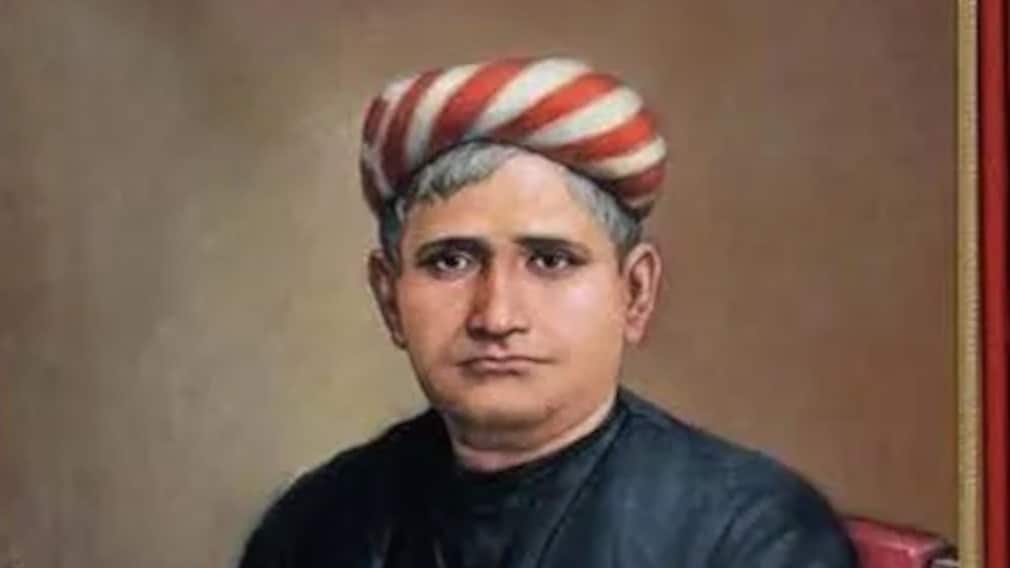
On November 7, 1875, Bengali author Bankim Chandra Chatterjee – one of India's most influential 19th century thinkers – wrote the words to a poem, a hymn, that would become a rallying cry for freedom fighters in the battle to liberate India from British colonial rule.
That six-stanza hymn, first published in his 1882 novel 'Anandmath', was 'Vande Mataram'.
Today, it has become a battleground between the BJP and the Congress, with the former accusing the latter of having disrespected the hymn, and so the country, by "pandering to a communal agenda" in 1937 and adopting a truncated version as the country's National Song.
The disregarded sections referenced three Hindu goddess, including Durga.
Prime Minister Narendra Modi – who recited the full hymn at an event Friday morning, on the 150th anniversary of its composition – said the Congress had "severed… torn apart" the poem.
And his BJP shared letters written by Congress leader Jawaharlal Nehru in September and October 1937 – correspondence with Netaji Subhas Chandra Bose – in which the ex-Prime Minister suggested the "background of 'Vande Mataram' is likely to irritate the Muslims".
The Congress responded by claiming the BJP and its ideological mentor, the Rashtriya Swayamsevak Sangh, routinely 'avoids' the song; party boss Mallikarjun Kharge called it "deeply ironic that those who today claim to be the guardians of nationalism – RSS and BJP – have never sung 'Vande Mataram'..."
Leaders from both sides, and other opposition parties, traded jabs and jibes all day, with Samajwadi Party MLA Abu Azmi even declaring "no one can make me sing it".
What is the 'Vande Mataram' row?
In his six stanzas, Chatterjee paid homage to the divine feminine and cast India as a fierce yet nurturing 'mother' figure, ("… mataram") offering intellectual, emotional, and physical support.
READ | Bankim Chandra Chatterjee: The Man Who Wrote 'Vande Mataram'
Chatterjee also made references to the feminine figure's, or the 'mother's, ferocity ("…swords flash out in seventy million hands, And seventy million voices roar they dreadful name from shore to shore") and gentleness ("…Mother, giver of ease, laughing low and sweet").
But opening abstract references to the 'mother' turn concrete in later stanzas, specifically the last two. Chatterjee refers to the Hindu goddesses Durga, Kamala (or Lakshmi), and Saraswathi, framing them as the feminine guardians of the country, "pure and perfect without peer".
In 1937 the Congress, then led by Nehru, decided in Faizpur to use only the first two stanzas for national gatherings. The argument was that direct references to Hindu goddesses were not well-received by some members of the Muslim community; they were seen as 'exclusionary'.
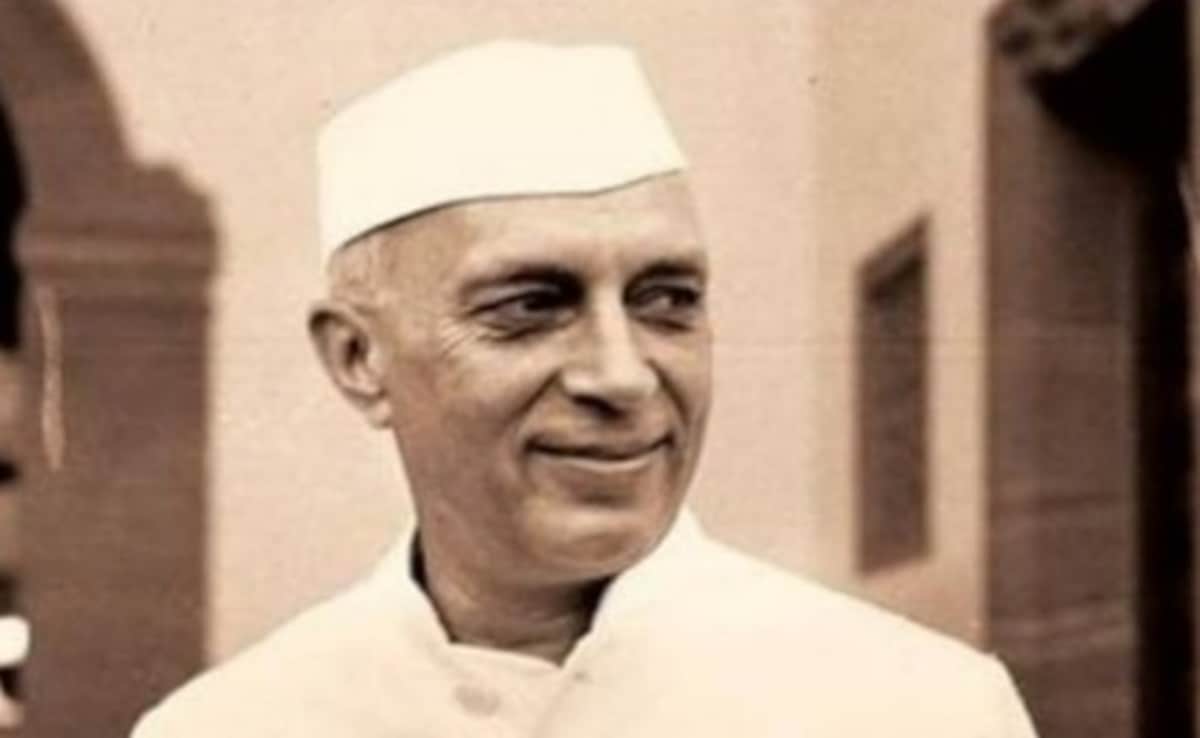
The BJP accused Nehru of 'pandering' to a communal agenda (File).
The BJP has argued the exclusions illustrate the Congress' 'divisive' plans; the Prime Minister said dropping the stanzas "sowed the seeds of the nation's division", referring to the Partition.
In the letter Nehru wrote to Bose (pages of which were shared by BJP spokesperson CR Kesavan), he seemed to suggest the stanzas in question need not be interpreted as having anything to do with goddesses or divine figures; "… that interpretation is absurd… I think the whole song and all the words in it are thoroughly harmless and nobody can take exception".
He also acknowledged unease within some members of the Muslim community and said "there does seem some substance in it (the row over those stanzas)" even if the larger controversy, in his opinion, had been "manufactured by the communalists".
READ | "Nehru Removed Ma Durga Stanzas": BJP On 'Vande Mataram' Row
As a result, when the Congress met in Faizpur between December 26 and 28 of that year (1937), 'Vande Mataram' was adopted sans the stanzas referring to Durga, Lakshmi, and Saraswathi.
The resolution read: "Taking all things into consideration, therefore, the Committee recommends that whenever 'Vande Mataram' is sung at national gatherings, only the first two stanzas should be sung".
However, the Congress also acknowledged the freedom of any individual to "sing any other song… in addition to, or in place of, the 'Vande Mataram' song".
Nevertheless, nearly 90 years later, that decision by the Congress continues to cause turmoil within Indian politics, particularly ahead of high-voltage election in Bengal next year, where issues of patriotism and 'appeasement (of Muslims)' have been, and will continue to be, raised.
NDTV is now available on WhatsApp channels. Click on the link to get all the latest updates from NDTV on your chat.
-
Opinion | Pakistan, And The One Big Difference Between 'Broker' And 'Mediator'

Neither Washington nor Tehran appears willing to invest Pakistan with the political capital required for mediation.
-
Houthis Threaten Strait No 2 As Iran War Expands. What It Means For India
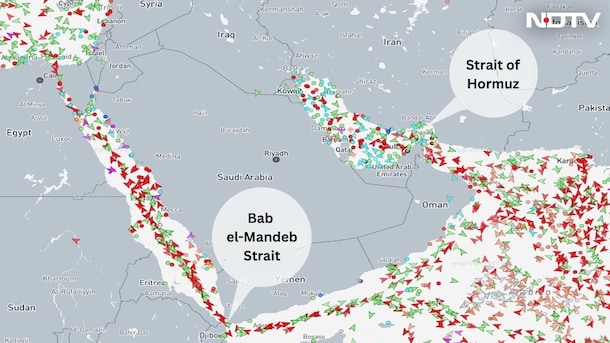
Yemen's Houthi rebels have opened a second front in the Iran war, threatening Bab al-Mandab just as the Strait of Hormuz comes under pressure, and squeezing one of the world's most important oil corridors from both ends.
-
Europe Split Over Trump's Iran War, Spain Leads Defiance
Europe is sharply divided on how to view fighting in West Asia and subsequent pressure on the global energy trade, which has seen fuel and gas prices increases worldwide.
-
Opinion | Zagros To Dasht-e-Lut, Why Iran's Terrain Could Be A Challenge For US Ground Troops
Iran is often called a 'fortress' owing to its formidable mountain ranges, which virtually form a wall to its North, West and South.
-
More Fighting, Deaths, Oil Prices: 4 Worrying Points If US Invades Iran
In case of a ground invasion, US troops will likely be forced to fight on multiple fronts - Iran proxies Houthis in Yemen, Hezbollah in Lebanon, and Hamas in Gaza, as well as smaller Shiite militia in Iraq and Bahrain.
-
Opinion | Why This Is The Most 'Deceptive' Point Of The US-Iran War - Yet
Beneath the 'lull' you see today being packaged as a thaw, the war is expanding insidiously.
-
Ground War On? US Rushes 57,000 Troops As Iran Crisis Escalates
US troops in West Asia hit 57,000+ amid war on Iran - the largest buildup since 2003. USS Tripoli's 3,500 Marines arrived with 82nd Airborne paratroopers for a possible assault on Kharg Island, while air and naval bases in Qatar, Kuwait, Bahrain, and other Gulf nations are already involved.
-
Opinion | Shadow Wars: The 'Inside Networks' Helping Israel Target Iran And Its Leaders
Since September 2025, Tehran has delivered execution orders against dozens of people accused of spying for Israel.
-
Gate Of Tears: The Next Chokepoint That Could Make Shippers Cry After Hormuz
The Bab el-Mandeb strait at the southern tip of the Red Sea is now emerging as a second front in what experts describe as the most severe disruption to global energy markets in modern history.
-
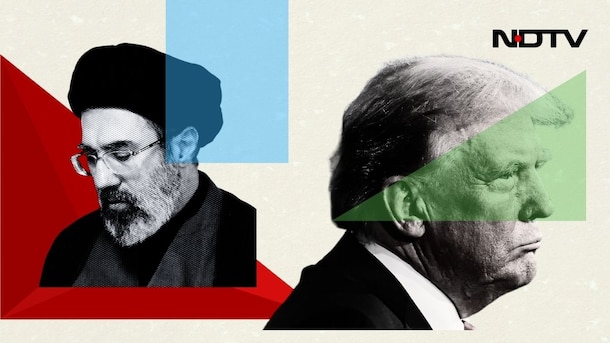
Opinion | Have US And Iran Already Gone Past The Point Of 'Negotation'?
Hardliners are now in power in Tehran. Iran can legitimately ask itself about the value and durability of any agreement with the US.


-
News Updates
-
Featured
-
More Links
-
Follow Us On
