

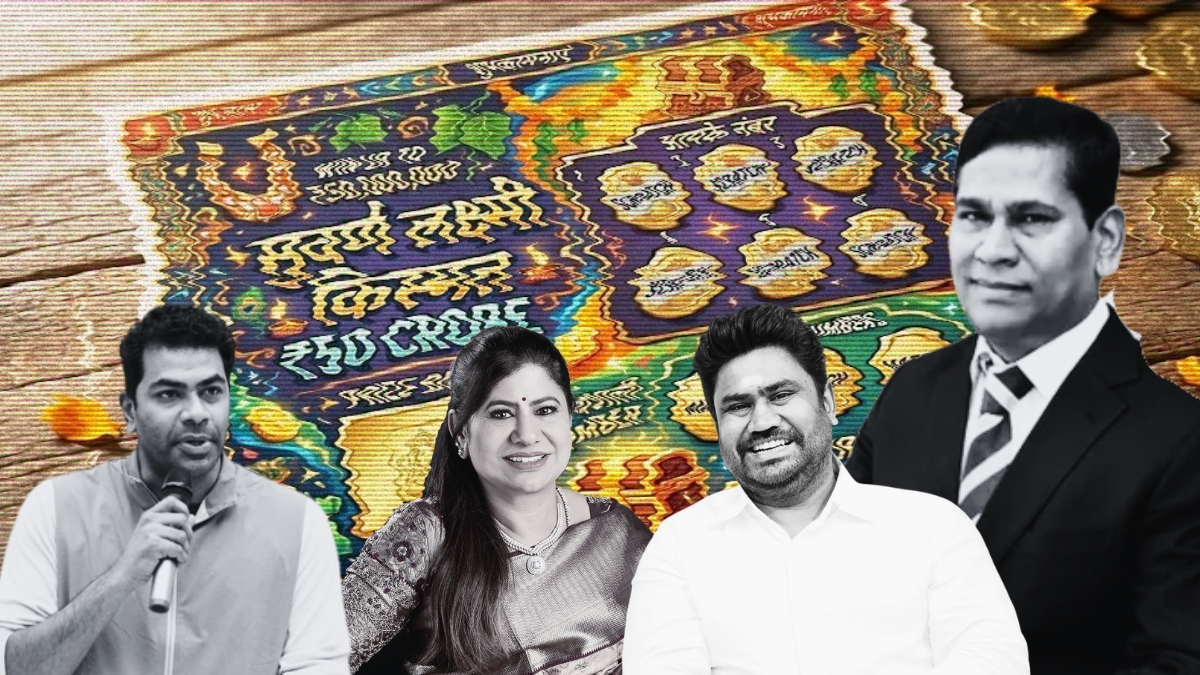

- Mamata Banerjee and MK Stalin were defeated in their Bengal and Tamil Nadu political strongholds on Monday
- Banerjee's Trinamool lost to the BJP and accused the Election Commission of bias, also vowing to fight back
- Stalin's DMK lost to actor Vijay's new party, the TVK, breaking Tamil Nadu's traditional political binary
They stood for years. Indomitable. Undefeated. Confident. But on Monday they fell. Mamata Banerjee and MK Stalin were defeated, beaten in their backyards and their political fortresses breached, and their parties reduced to second fiddles.
So what now for two of the sharpest figures in the opposition's ranks? Or is this the sun setting on the strongest regional brakes on the Bharatiya Janata Party's expansion plans. No. Both have signalled they will not go gentle into that good night.
She branded the BJP's win "immoral" and vowed to bounce back. He paired humility with defiance, and said, "... this is not the end of the DMK, only the beginning of a new phase." But for Banerjee, 71, and Stalin, 73, this is more than a setback. It is a reminder of time ticking away, of years getting shorter, and of 'running to catch a sun that is already sinking'.
How much defiance is left in didi?
In Bengal, a Trinamool Congress that kept the BJP's muscular and, some would argue, communal brand of nationalism at bay for nearly 15 years, was finally overwhelmed.
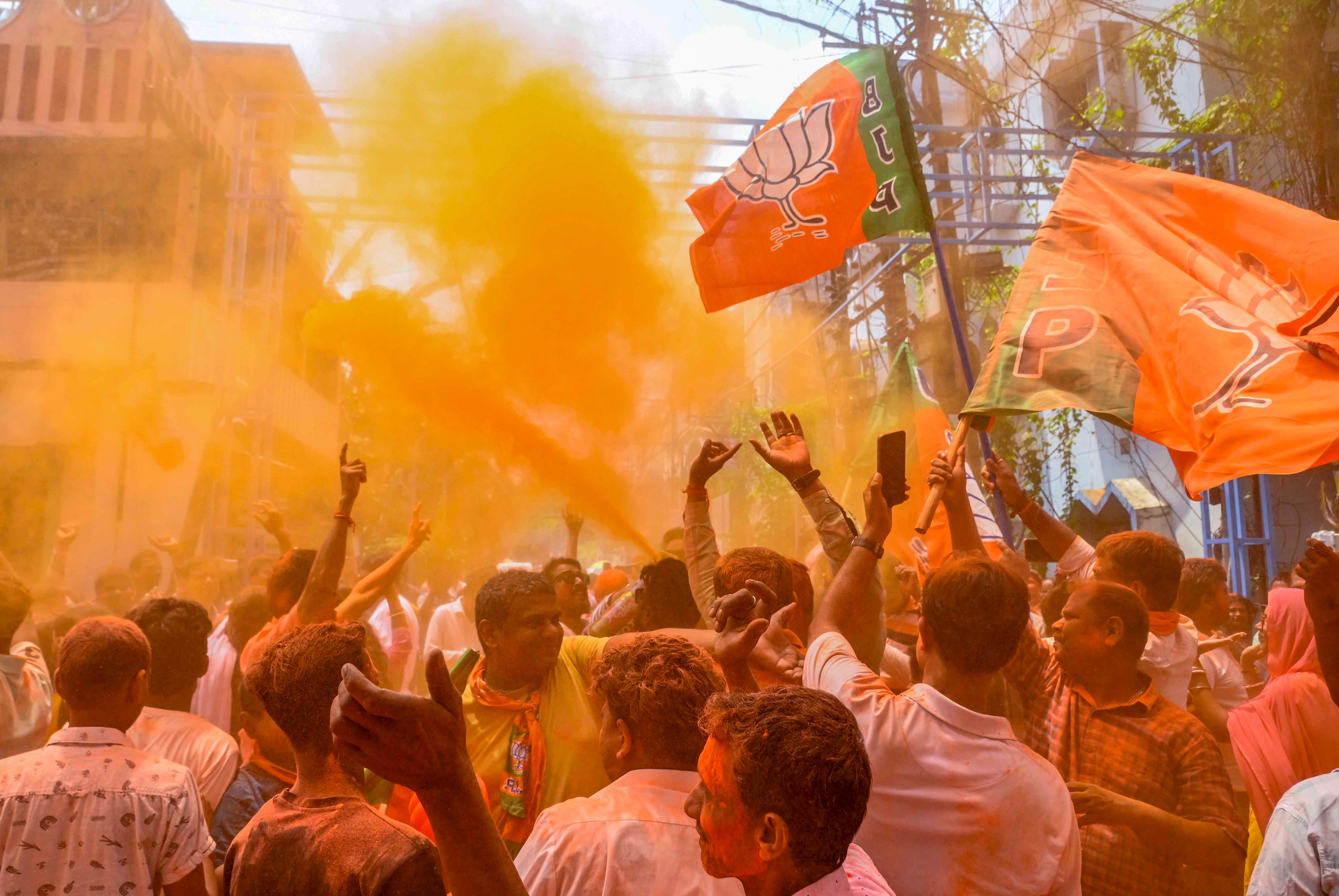
But the brute force of the BJP's campaign - loud and relentless - was one campaign more than didi could handle. She fought it through five elections - the 2014, '19, and '24 federal and the 2016 and '21 state polls, winning each time. But it was getting harder and harder; the BJP went from three seats in the 2016 Assembly election to 77 in 2019. And now they have 206.
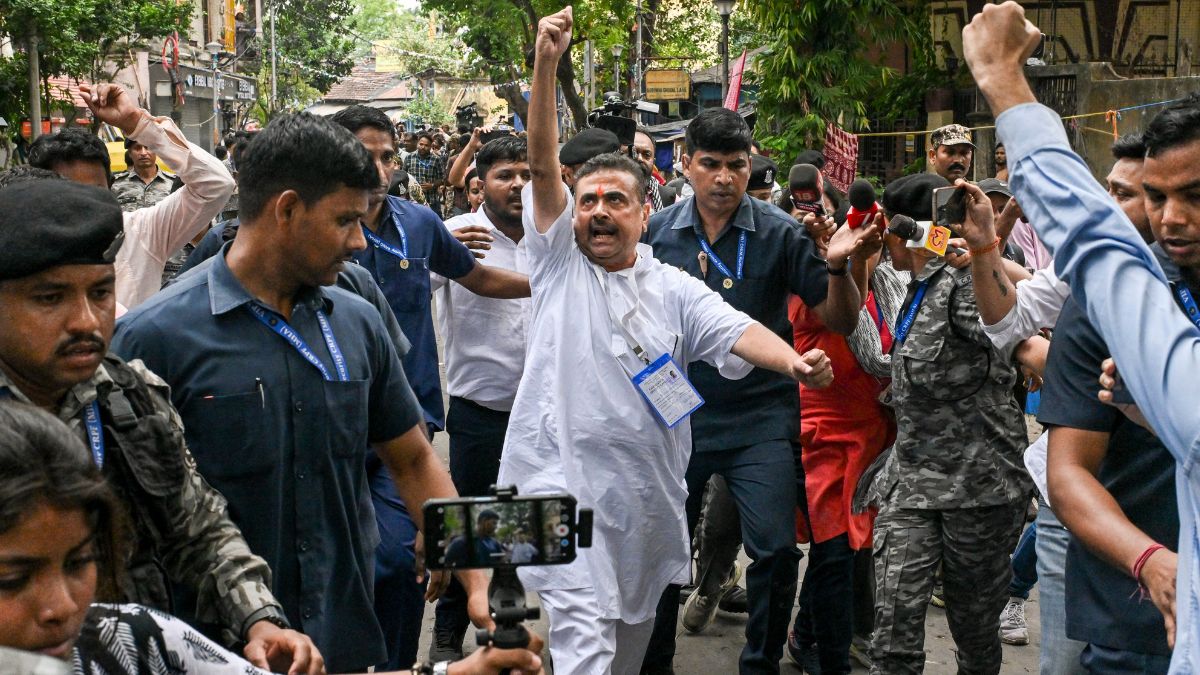
In the immediate aftermath, she was her usual fiery self, ripping into the BJP and raking up allegations of the Election Commission manipulating polls. "More than 100 seats BJP looted. The EC is BJP's Commission. I complained… but they're not doing anything," she raged.
How will didi react? There is the first clue - she has framed the defeat as a legitimacy war, re-casting voter roll revision and the poll panel's transfer of top state officials, as a 'betrayal of democracy'.
She will likely also double down on the 'Bengal vs outsiders' pitch, a tried-and-tested avatar that casts her as the 'defender' of the state and a narrative already in place with the BJP's win.
And behind the scenes questions will be asked. Sharp questions. Pointed questions. A review of candidates and campaign management, and maybe even failures of governance.
Mamata Banerjee (File)
The first test will be to keep her flock together, to stave off defections and resignations.
The biggest test, though, will be of efficacy.
How effective can she be without the government machinery and chief minister's chair to shield her when she takes on the BJP? She is a street fighter, probably the toughest political leader in the country right now, but is she weakened?
These are the quesions she will need to answer.
Will the 'man of steel' return
Stalin's Dravida Munnetra Kazhagam was a ferocious critic of the BJP-run federal government, ripping into it for discriminating - politically, economically, culturally, and linguistically - against the southern states.
For seven years and through three major elections - the 2019 and 2024 Lok Sabha and the 2021 state polls - Stalin and the DMK reigned supreme, winning majority mandates without alliance backing, though they chose to retain working ties with the Congress and regional parties.
MK Stalin (File)..
The wins were dominant; the DMK-led alliance swept all but one seat in 2019 and claimed all 39 at the next time of asking. Within the state it won 159 of the Assembly's 234.
The shock of Monday's reversal - actor Vijay's Tamilaga Vettri Kazhagam scripted a blockbuster debut with 108 seats, 10 short of an outright majority - is doubly so because of those numbers.
Unlike Banerjee there was no apparent sign, no downward trend. Just defeat.
The magnetism of Vijay's superstar status, the emotional connect between cinema and politics in Tamil Nadu, and the promise of a younger administration gave 'vibes' the DMK couldn't beat.
But like Banerjee, Stalin isn't done.
Like Banerjee, Stalin will now likely pivot into a guardian role, positioning the DMK and himself as protectors of the Dravidian identity that remains a core part of the Tamil identity and which drove voters to reject, in election after election, all those who did not understand that truth.
Vijay's win, while it breaks Tamil Nadu's DMK-AIADMK binary, does not mean the state's Dravidian spine has been excised. The actor's rise was built on a platform of reclaiming that spine from the two behemoths, his appeals to CN Annadurai and MG Ramachandran serving to highlight his connection to the 'original' ideology as presented by EV 'Periyar' Ramasamy.
There is an added factor here. Banerjee faces a known rival. Stalin does not.
He now has to recalibrate for a party that has never been in power and a chief minister who has never been a politician or lawmaker. That will take time and it underlines what the ex-chief minister must accept - Vijay and the TVK are here to stay.
Didi and the 'man of steel' must also navigate personal setbacks.
They have each lost, beaten in their strongholds.
Banerjee lost Bhabanipur to aide-turned-rival Suvendu Adhikari, who has haunted her these past two elections, and Stalin was beaten by his own ghosts in Kolathur - by VS Babu, the man who orchestrated his 2011 win but was then discarded.
These are defeats the two leaders must process.
And for the saffron tide?
For the BJP, expansion into the east - check. The fall of Mamata Banerjee means the party has near-complete control over the eastern states; the holdout is Jharkhand.
The south remains a riddle the BJP cannot yet answer.
The party was routed in both Kerala and Tamil Nadu, though its supporters will point to three seats gained in the former and the ally AIADMK's strong showing in the latter as signs it is a relevant actor in that region.
Overall, though, the first half of the 2026 electoral cycle has been an unqualified success for a party, an ideology that has become into a formidable poll machine.


