Form 6 For New Voters: When A Small Change Triggered A Big Row
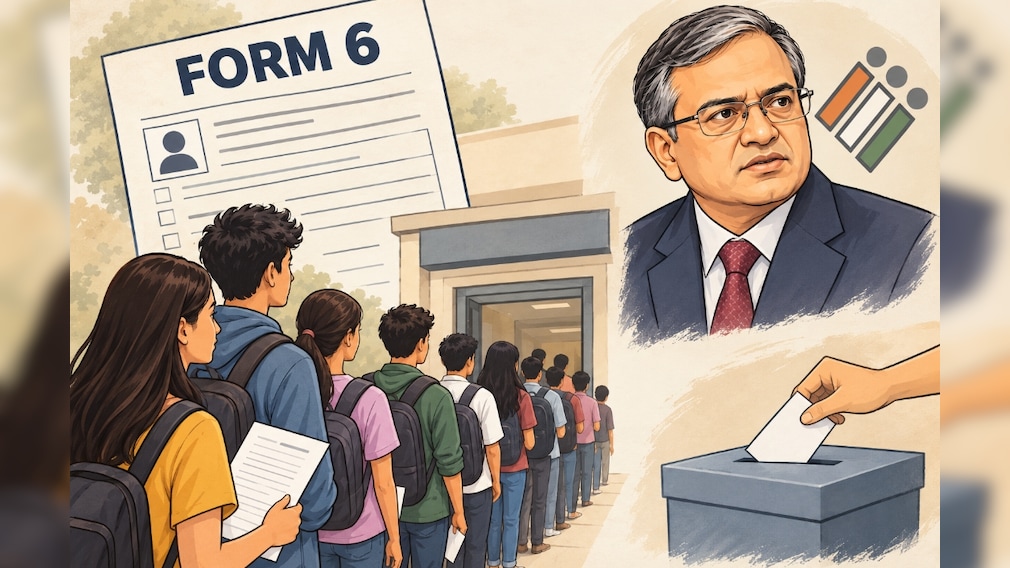
In July 2026, the online version of Form 6 on the ECI's ECINet portal was modified to include a new declaration.
A little tweak, a big impact on new voters - and clear warnings from within.
The Election Commission's decision to change Form 6, which is used by first-time voters to register, has triggered a major controversy.
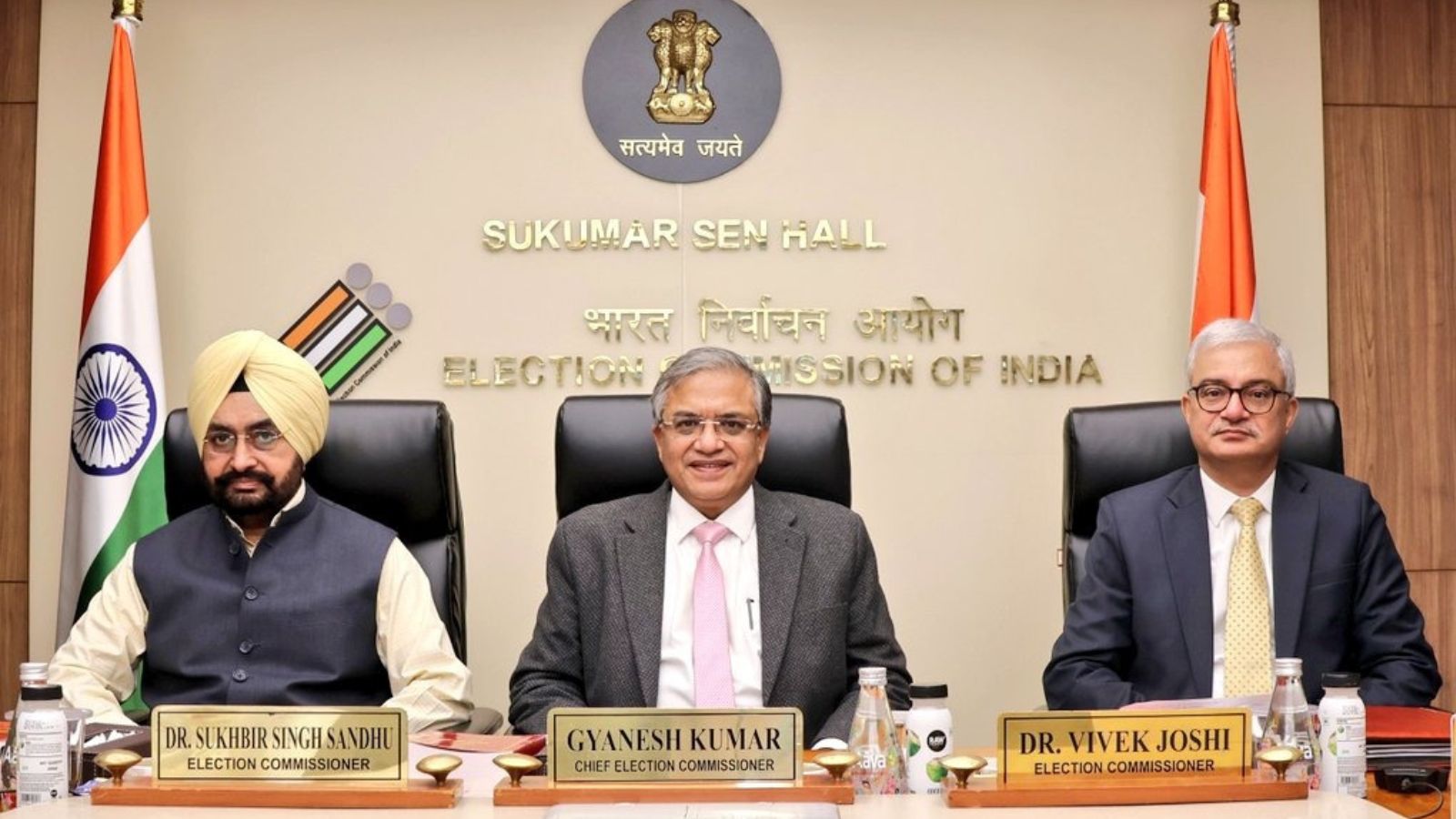
The Indian Express has reported that two Election Commissioners, Vivek Joshi and Sukhbir Singh Sandhu, described the changes as "illegal" and "unauthorised" and called for their immediate revocation in the interest of new voters.
The Commission, headed by CEC Gyanesh Kumar, went ahead and incorporated the changes into Form 6 in July.
The move, and the report of the Election Commissioners' objections, has created a storm and brought Form 6 into sharp focus.
Let's break it all down.
What Is Form 6?
Anyone who wants to register as a voter in India is required to fill out Form 6, available on the Election Commission's website. It asks for personal details, a photograph, proof of age and proof of address. The form is prescribed under the Registration of Electors Rules, 1960.
What Changed?
In July 2026, the online version of Form 6 on the ECI's ECINet portal was modified to include a new declaration.
Read | 'Gyanesh Hatao' Posters, Online Petition, Plea In Court: Poll Body Chief Under Fire
The change introduced questions related to the Special Intensive Revision (SIR) into Form 6. Applicants were asked to choose one of three statements: whether their name appeared on an electoral roll during the last SIR held in the early 2000s; whether the name of a parent or grandparent appeared on that roll; or whether neither their name nor that of their parents appeared on it.
Applicants cannot complete the form online without answering this question.
In several states, the last SIR was held in the early 2000s, while others completed one only last year or this year.
Why The Controversy?
According to The Indian Express report, Sandhu and Joshi argued on record that since Form 6 is part of the Registration of Electors Rules, 1960, it could be changed only through a formal government notification and amendment to the rules, and not simply by editing the online form.
Under Section 28 of the Representation of the People Act, 1950, the Centre frames and amends these rules after consulting the Election Commission. Any amendments must be laid before Parliament and notified in the Gazette.
According to The Indian Express report, Sandhu and Joshi termed the change "illegal" and "unauthorised" and suggested that the matter be referred to the government.
Despite the objections raised by the two Election Commissioners in May, the change was introduced by the Election Commission in July.
Responding to the report, the Election Commission said on Wednesday that disagreements among Election Commissioners during internal deliberations are part of the standard "decision-making process". It also said that all decisions of the full Commission over the past year had been unanimous.
Read | Over 2 Crore Gen Z Voters Added To Electoral Rolls Since SIR In 2025: Poll Body
What Does The Change Mean?
A person's eligibility to vote is determined by factors including age, citizenship and ordinary residence - not by whether their parents appeared on the last electoral roll.
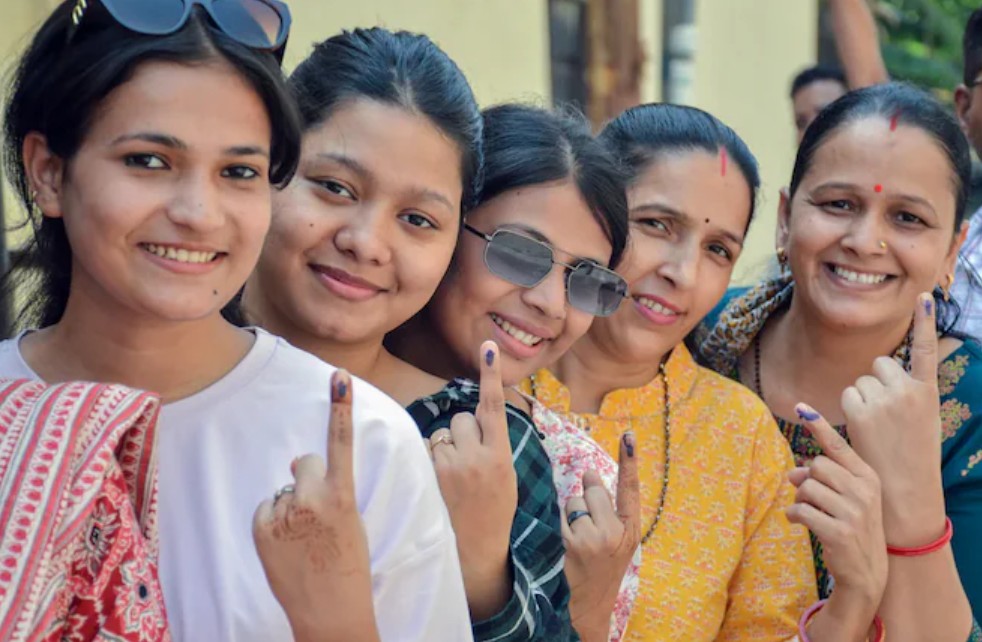
During the ongoing SIR, nearly 13 crore names have been removed from electoral rolls across states and Union Territories. While many are said to be names of dead voters or people who have relocated or are listed more than once, many others are contesting their exclusion.
The inclusion of a question related to the last SIR in the form for new voters has raised concerns about its impact on young people seeking to enrol for the first time.
An 18-year-old whose parents or grandparents did not appear on the relevant previous SIR roll would not be able to select the first two options relating to parents and grandparents. The form also does not explain what would happen if the applicant selects the third option - "Neither".
The new question in Form 6 assumes that families can establish documentary links across two generations. Critics argue that this could disproportionately affect migrants, poorer families and people who have relocated across states.
'Deleted' Voters Asked To Apply As First-Time Voters
13 crore names have been deleted from draft electoral rolls across states and Union Territories under the ongoing Special Intensive Revision (SIR) exercise, which began in Bihar in June 2025.
Many of these voters - some of whom had been registered for years - are now being asked to use Form 6 to get their names restored to the revised rolls.
The problem is that Form 6 carries a mandatory declaration stating that the applicant is "applying for inclusion in the electoral roll for the first time" and that their name is not included in any Assembly or Parliamentary constituency.
A 'deleted' voter seeking re-inclusion would, by definition, have already appeared on the electoral rolls. Signing the declaration on Form 6, therefore, could mean attesting to something that is factually incorrect.
Under Section 31 of the Representation of the People Act, 1950, knowingly making a false declaration in connection with electoral rolls is a punishable offence, attracting imprisonment of up to one year, a fine, or both.
-
Opinion | Saudi Arabia's China Turn Has Begun - After Learning Much The Hard Way

Leaning on China just makes sense for the Saudis right now. The question is, can its other great 'ally' stomach it?
-
Opinion | Bihar Assault, Hisar Marriage Ban: Who'll Stop The Guardians Of Indian 'Culture'?
Why exactly does the sight of a young couple seeking a bit of alone time somewhere tend to particularly provoke a certain kind of Indian men?
-
Opinion | The Trump-Xi Summit, And India's Many Worries Of Its Own
Washington and Beijing may have chosen coexistence over confrontation. For India, that could be both a relief and a warning.
-
Opinion | China Claims It Has Cut Troops At The Indian Border. But The Math Doesn't Add Up
The reduction likely has more to do with the deployment along the LAC than the total strength active in the region
-
Opinion | China Is No Longer Waiting For Trump To Set The Rules. And He Knows It
America's old diplomatic tricks with China won't work any longer. Because China has changed, and so has its ambitions.
-
Opinion | As UN Interviews Its Next Chief, The Interviewers Have Some Explaining To Do
On the panel sit governments whose wars, vetoes, and unpaid dues have helped make the organisation ineffective.
-
Opinion | Trump-Xi Meet: What China Can Give America, And What India Could Lose
If Trump can secure some of what he wants directly from Beijing, India's immediate value to Washington could change in particular areas.
-
A New 'Axis'? 87 Years After Pact Of Steel, A New European Far-Right Tie-Up
Nearly nine decades after Nazi Germany and Fascist Italy formalised their alliance, senior figures from Germany and Italy's far-right appeared together at a political rally on Sunday.
-
Opinion | 'Blackmail' Diplomacy: Why India Can't Be A Pawn In US' War On Russia
The new sanctions bill is both blackmail and hypocritical: blackmail because it seeks to change India's principled stand, and hypocritical because the US has provided exemptions to others, and itself.