Crude Politics: Inside India-Russia Oil Ties Amid Trump's Tariff Tantrum
Before the Russia-Ukraine war, India's crude oil imports from Russia amounted to 0.2 per cent. Fast forward a few years, and Russian oil has surged to become India's top source.
India's energy strategy has undergone a major reorientation over the last three years, placing Russia at the heart of its crude oil imports. Before the Russia-Ukraine war, India's crude oil imports from Russia amounted to 0.2 per cent. Fast forward a few years, and Russian oil has surged to become India's top source.
During the Cold War, India adopted a policy of non-alignment, but it refused to endorse Western efforts to counter Soviet-led communism. The result was a diplomatic relationship with Moscow that included extensive arms transfers, technology sharing, and diplomatic support.
Even after the Soviet Union's collapse, Russia has remained India's most significant arms supplier. A substantial portion of India's military platforms -- especially those in the Navy and Air Force -- are either Russian-made or use Russian components.
Crude Politics
In February 2022, after Russia invaded Ukraine, much of the Western world responded by slapping sanctions on Moscow, including oil import bans.
Before the war, Russia accounted for just 0.2 per cent of India's crude imports. By May 2023, that figure had skyrocketed to over 40 per cent, displacing traditional Middle Eastern suppliers such as Iraq and Saudi Arabia.
According to Kpler, a real-time data and analytics provider, Russian imports peaked at 2.15 million barrels per day (bpd) in May 2023. In July 2024, Russia supplied more than 2 million bpd, comprising 41 per cent of India's crude intake. In comparison, Iraq's share stood at 20 per cent, Saudi Arabia at 11 per cent, and the United States at just 4 per cent.
The current monthly average remains around 1.75 to 1.78 million bpd. In contrast, Iraq and Saudi Arabia supply approximately 900,000 bpd and 700,000 bpd, respectively.
Why Russian Oil?
After sanctions were imposed on Russia in December 2022, including a G7-EU-Australia price cap of $60 per barrel, Russia turned to countries like India and China to keep its oil revenues flowing.
At the peak of the discount, Russian crude was sold at nearly $40 below Brent prices. Over time, this discount has narrowed even further.
According to Reuters data for the January-September 2023 period, India paid an average of $525.60 per metric ton for Russian crude -- about $5 less per barrel than the rate from Iraq. According to ICRA, India saved approximately $13 billion on oil imports over two financial years.
The Trump Tariff Threat
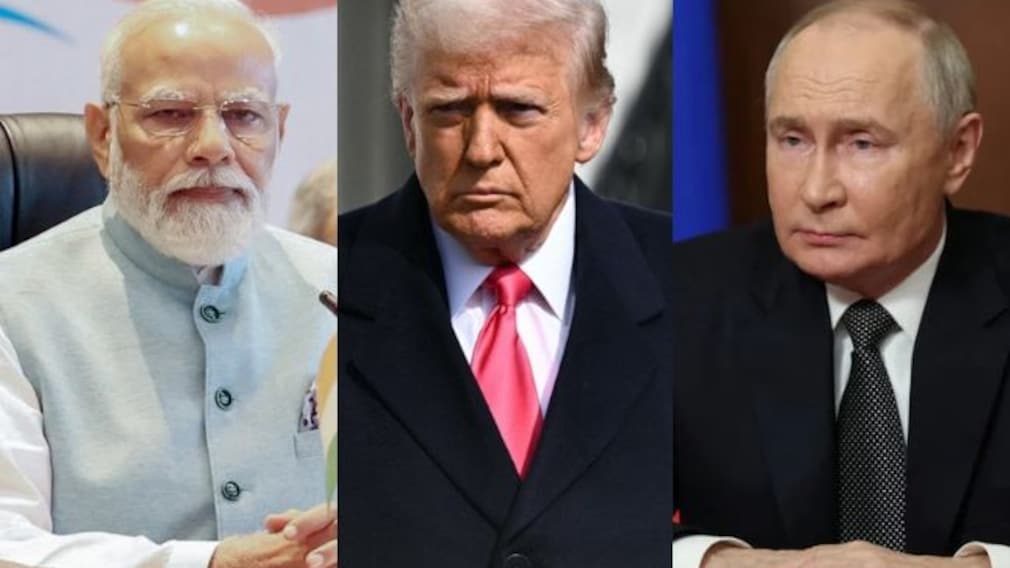
US President Donald Trump has brought India's Russian oil strategy under new pressure. Trump announced a 25 per cent tariff on Indian goods, coupled with a "penalty" for India's continued purchase of Russian oil.
"India will therefore be paying a tariff of 25 per cent, plus a penalty," Trump posted on social media, adding that India was Russia's "largest buyer of energy along with China." He further threatened sanctions on all Russian oil buyers unless Moscow agreed to a peace deal in Ukraine within 50 days.
Domestic Considerations
India consumes roughly 5.2 million barrels of oil per day, importing close to 85 per cent of its requirement. That figure has only risen. The country's dependence on imports began at Independence, when it produced just 0.25 million metric tons of crude. Despite promising discoveries like Bombay High Field in 1974 -- again an Indo-Soviet find in 1964-67 -- domestic output has not kept pace with demand.
New Delhi has stood its ground throughout the Ukraine war, maintaining a "neutral" diplomatic posture. Petroleum and Natural Gas Minister Hardeep Singh Puri has consistently argued that Indian purchases have prevented a global price surge. "Had India not bought Russian oil," he remarked in April 2024, "prices would have gone through the roof.
According to the Ministry of Commerce, India's crude oil import bill from Russia rose from under $2.5 billion in FY 2021-22 to over $31 billion in FY 2022-23. That figure jumped again in FY 2023-24 to over $140 billion.
-
Opinion | Indian Political Parties Are Now Stuck In An Awkward Gen Z 'Situationship'

For Gen Z to say "Bet" or "No cap", there is a lot of homework ahead for political parties. 'Breadcrumbing' them just won't work.
-
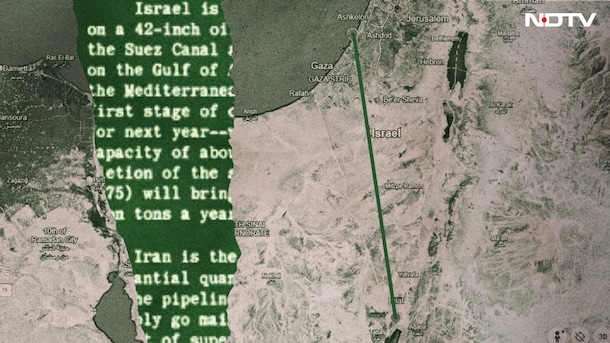
Israel Built A Secret Oil Pipeline With Iran. Saudi Arabia May Need It Most
A secret Israeli-Iranian partnership to build an oil pipeline could be key to Saudi Arabia unloading its crude oil to Europe amid repeated attacks by Houthis on Riyadh's oil infrastructure.
-
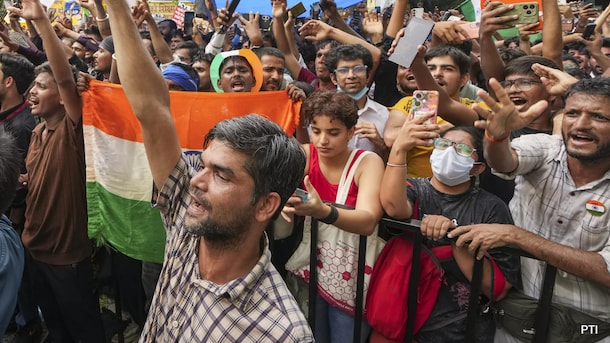
Opinion | Gen Z Can Topple A Minister. Why Can't They Enter Parliament?
India's Gen Z can vote at 18, graduate soon afterwards, and even hold bureaucratic positions after 21. What they still can't do is contest elections before they turn 25.
-
Your CTC Is Dead. Your Company Is Calculating You In Tokens Now
AI is turning years of human skill into tokens that companies can price against salaries. As the cost of machine intelligence falls, the real question is no longer whether AI can do your job, but whether HR will decide it can do enough of it for less.
-
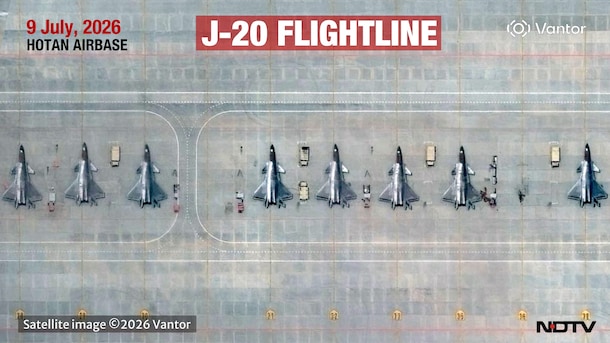
Exclusive: Satellites Show At Least 12 Chinese Stealth Jets Facing India. New Delhi's Answer Is Years Away
What makes the deployment of the J-20 significant are its stealth characteristics which enable it to dominate contested airspace
-
'A Breaking Point': An Open Letter To Nandan Nilekani On How To Fix India's Exams
Congress MP Shashi Tharoor offers a radical blueprint to the man leading the Centre's exam reforms task force.
-
Opinion | Trump's Nuclear 'Gift' To Saudi Arabia Could Haunt Middle East For Years
Trump just signed a '123' deal with the Kingdom. For the Saudis, this could be a big win. But for the region, it can quickly become a source of uncontrolled chaos.
-
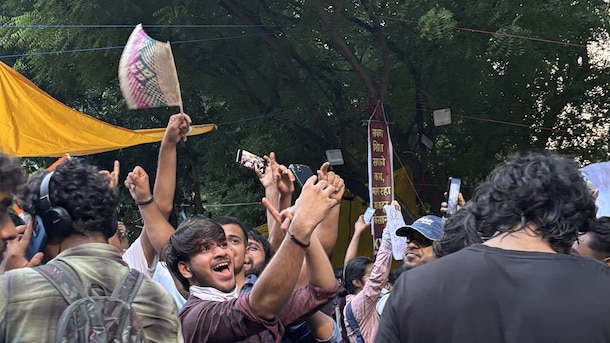
An Evening At Student-Led Protest That Pushed Education Minister To Resign: In Pics
We spent the day at Jantar Mantar, located in the heart of New Delhi's Connaught Place area, where the youth-led movement was born and grew into a national call for accountability.
-
Opinion | One Resignation, 3 Headaches: The Bigger Politics Behind Dharmendra Pradhan's Exit
The minister's exit revives an old Congress-era tradition and hands the BJP a very contemporary problem to solve on the road to Uttar Pradesh.
-
Dharmendra Pradhan Resigns: Gen Z's 'Online Habits' Became Protest Strengths
CJP Protests: The movement's most effective tool was not a manifesto. It was Gen Z's instinct to document, joke, post and share with Instagram as its amplifier.