Crude Politics: Inside India-Russia Oil Ties Amid Trump's Tariff Tantrum
Before the Russia-Ukraine war, India's crude oil imports from Russia amounted to 0.2 per cent. Fast forward a few years, and Russian oil has surged to become India's top source.
India's energy strategy has undergone a major reorientation over the last three years, placing Russia at the heart of its crude oil imports. Before the Russia-Ukraine war, India's crude oil imports from Russia amounted to 0.2 per cent. Fast forward a few years, and Russian oil has surged to become India's top source.
During the Cold War, India adopted a policy of non-alignment, but it refused to endorse Western efforts to counter Soviet-led communism. The result was a diplomatic relationship with Moscow that included extensive arms transfers, technology sharing, and diplomatic support.
Even after the Soviet Union's collapse, Russia has remained India's most significant arms supplier. A substantial portion of India's military platforms -- especially those in the Navy and Air Force -- are either Russian-made or use Russian components.
Crude Politics
In February 2022, after Russia invaded Ukraine, much of the Western world responded by slapping sanctions on Moscow, including oil import bans.
Before the war, Russia accounted for just 0.2 per cent of India's crude imports. By May 2023, that figure had skyrocketed to over 40 per cent, displacing traditional Middle Eastern suppliers such as Iraq and Saudi Arabia.
According to Kpler, a real-time data and analytics provider, Russian imports peaked at 2.15 million barrels per day (bpd) in May 2023. In July 2024, Russia supplied more than 2 million bpd, comprising 41 per cent of India's crude intake. In comparison, Iraq's share stood at 20 per cent, Saudi Arabia at 11 per cent, and the United States at just 4 per cent.
The current monthly average remains around 1.75 to 1.78 million bpd. In contrast, Iraq and Saudi Arabia supply approximately 900,000 bpd and 700,000 bpd, respectively.
Why Russian Oil?
After sanctions were imposed on Russia in December 2022, including a G7-EU-Australia price cap of $60 per barrel, Russia turned to countries like India and China to keep its oil revenues flowing.
At the peak of the discount, Russian crude was sold at nearly $40 below Brent prices. Over time, this discount has narrowed even further.
According to Reuters data for the January-September 2023 period, India paid an average of $525.60 per metric ton for Russian crude -- about $5 less per barrel than the rate from Iraq. According to ICRA, India saved approximately $13 billion on oil imports over two financial years.
The Trump Tariff Threat
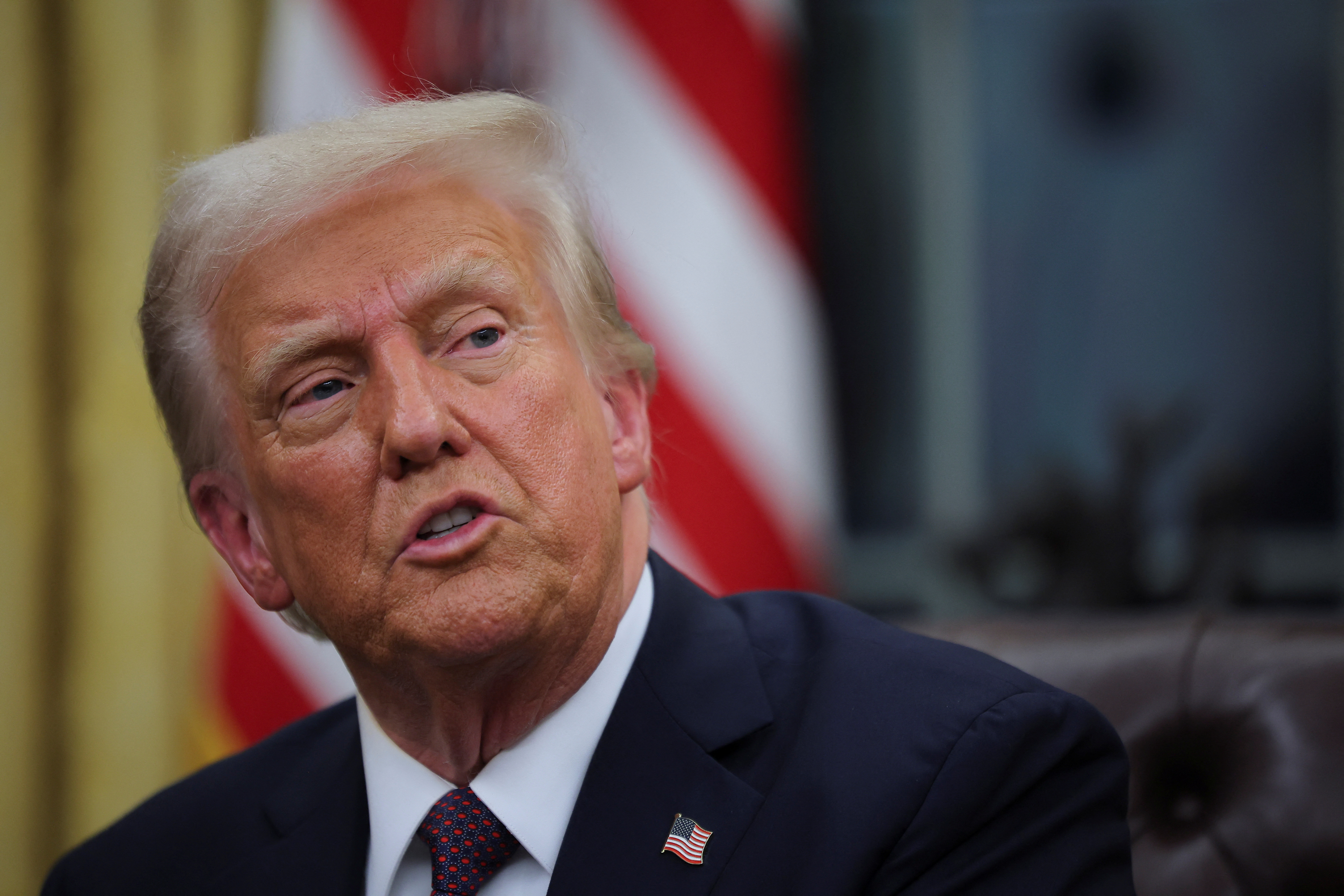
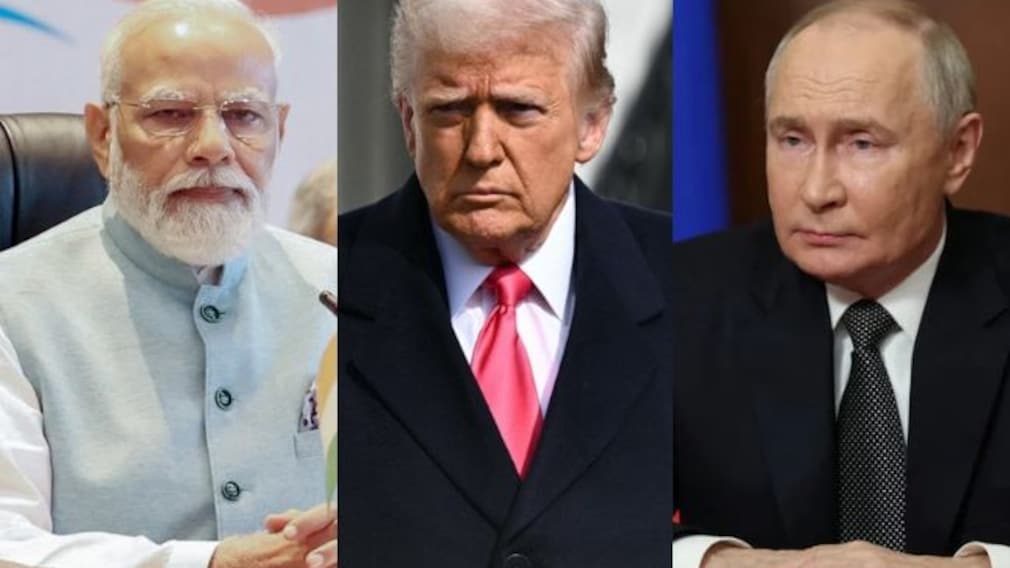
US President Donald Trump has brought India's Russian oil strategy under new pressure. Trump announced a 25 per cent tariff on Indian goods, coupled with a "penalty" for India's continued purchase of Russian oil.
"India will therefore be paying a tariff of 25 per cent, plus a penalty," Trump posted on social media, adding that India was Russia's "largest buyer of energy along with China." He further threatened sanctions on all Russian oil buyers unless Moscow agreed to a peace deal in Ukraine within 50 days.
Domestic Considerations
India consumes roughly 5.2 million barrels of oil per day, importing close to 85 per cent of its requirement. That figure has only risen. The country's dependence on imports began at Independence, when it produced just 0.25 million metric tons of crude. Despite promising discoveries like Bombay High Field in 1974 -- again an Indo-Soviet find in 1964-67 -- domestic output has not kept pace with demand.
New Delhi has stood its ground throughout the Ukraine war, maintaining a "neutral" diplomatic posture. Petroleum and Natural Gas Minister Hardeep Singh Puri has consistently argued that Indian purchases have prevented a global price surge. "Had India not bought Russian oil," he remarked in April 2024, "prices would have gone through the roof.
According to the Ministry of Commerce, India's crude oil import bill from Russia rose from under $2.5 billion in FY 2021-22 to over $31 billion in FY 2022-23. That figure jumped again in FY 2023-24 to over $140 billion.
-
Opinion | Bihar Assault, Hisar Marriage Ban: Who'll Stop The Guardians Of Indian 'Culture'?

Why exactly does the sight of a young couple seeking a bit of alone time somewhere tend to particularly provoke a certain kind of Indian men?
-
Opinion | The Trump-Xi Summit, And India's Many Worries Of Its Own
Washington and Beijing may have chosen coexistence over confrontation. For India, that could be both a relief and a warning.
-
Opinion | China Claims It Has Cut Troops At The Indian Border. But The Math Doesn't Add Up
The reduction likely has more to do with the deployment along the LAC than the total strength active in the region
-
Opinion | China Is No Longer Waiting For Trump To Set The Rules. And He Knows It
America's old diplomatic tricks with China won't work any longer. Because China has changed, and so has its ambitions.
-
Opinion | As UN Interviews Its Next Chief, The Interviewers Have Some Explaining To Do
On the panel sit governments whose wars, vetoes, and unpaid dues have helped make the organisation ineffective.
-
Opinion | Trump-Xi Meet: What China Can Give America, And What India Could Lose
If Trump can secure some of what he wants directly from Beijing, India's immediate value to Washington could change in particular areas.
-
A New 'Axis'? 87 Years After Pact Of Steel, A New European Far-Right Tie-Up
Nearly nine decades after Nazi Germany and Fascist Italy formalised their alliance, senior figures from Germany and Italy's far-right appeared together at a political rally on Sunday.
-
Opinion | 'Blackmail' Diplomacy: Why India Can't Be A Pawn In US' War On Russia
The new sanctions bill is both blackmail and hypocritical: blackmail because it seeks to change India's principled stand, and hypocritical because the US has provided exemptions to others, and itself.
-
Blog | Katrina Kaif, And The Very Indian Problem Of Too Much 'Audacity'
The remarkable thing about many Indian trolls is not that they have opinions, but that they expect - get this, Katrina Kaif, no less - to care about them.