A Truck, A Rice Mill And A Rs 1,160 Crore Question In Madhya Pradesh
The suspicion is that the government rice was diverted to private rice mills and later found its way back into government warehouses as custom milled rice.
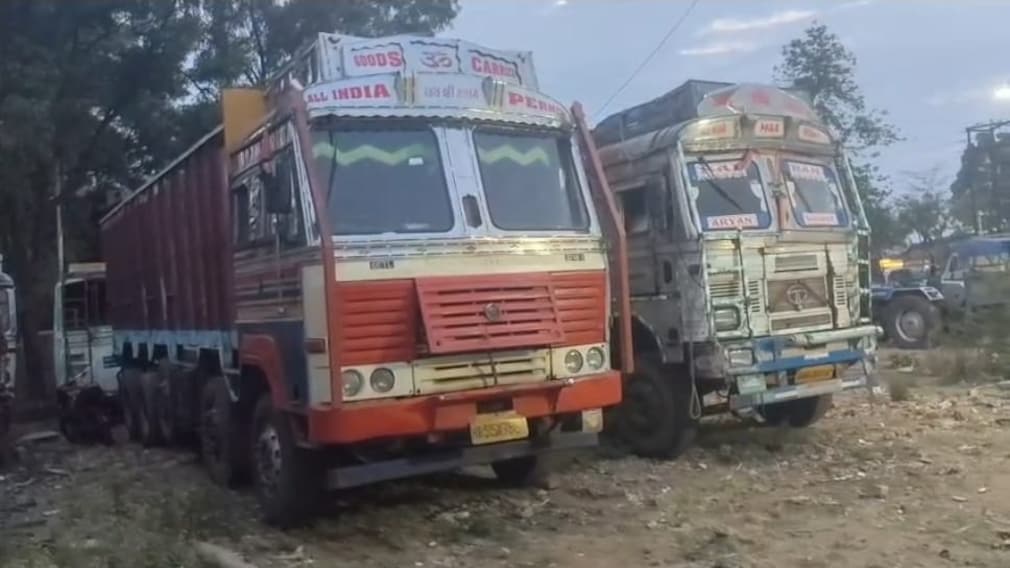
A truck loaded with government rice was found parked deep inside a private rice mill. At first, it appeared to be another routine case of government grain being diverted from its designated route. But as investigators began examining the truck, its cargo and the documents behind its movement, they found themselves looking at something far bigger.
According to an FIR, confidential communications from the Balaghat Collector and investigation records accessed by NDTV, a case involving the suspected diversion of 242.55 quintals of rice has now opened the door to an investigation into government rice worth an estimated Rs 1,160 crore. Investigators suspect that a substantial portion of nearly 5 lakh metric tonnes, or 50 lakh quintals, of government rice allocated to ethanol plants at subsidised rates may never have been converted into ethanol.
Instead, the suspicion is that the rice was diverted to private rice mills and later found its way back into government warehouses as custom milled rice. Such a system, if established, could have allowed different players to make illegal profits at several stages of the same transaction. The allegation raises an extraordinary possibility. The government may have effectively paid for the same rice twice. It first supplied the grain to ethanol plants at a heavily subsidised price. The same rice was then allegedly brought back into the government procurement system, where public money may have been spent on it once again.
The case becomes even more serious because this was not ordinary rice.
The grain at the centre of the investigation was fortified rice, enriched with iron, folic acid and Vitamin B12. Fortified rice is part of the government of India's nutrition programme aimed at combating anaemia and malnutrition among children, pregnant women and adolescent girls. This means that rice associated with two major national objectives, public nutrition and cleaner fuel, may instead have become part of an alleged profit making chain involving private businesses and public systems.
Documents accessed by NDTV include an FIR registered by Waraseoni Police, confidential letters sent by the Balaghat Collector to the Madhya Pradesh government and the Food Corporation of India, and records examined during the ongoing police investigation. These documents indicate that investigators are examining the possible roles of ethanol plant operators, rice millers, transporters and officials responsible for the allocation, movement and monitoring of the grain.
To understand the suspected racket, it is important to understand why the government was supplying rice to ethanol plants in the first place.
India has rapidly expanded the blending of ethanol with petrol to reduce dependence on imported crude oil and save foreign exchange. Ethanol can be manufactured from several sources, including surplus rice supplied by the Food Corporation of India. The government maintains that storing excessive quantities of rice in warehouses is costly. Procurement, transport, handling and storage require public expenditure. Grain may also deteriorate over time, while fresh harvests create a continuing need for additional warehouse space.
Instead of allowing surplus stocks to remain unused, the government supplies rice to authorised ethanol manufacturers under the Open Market Sale Scheme, Domestic. The economics of the scheme make the subsidy significant. Government agencies spend approximately Rs 3,900 to 4,000 per quintal on procuring, transporting, storing and handling rice. However, to promote ethanol production, the same rice is supplied to authorised ethanol manufacturers at nearly Rs 2,320 per quintal.
The policy assumes that the subsidised rice will reach the authorised plant and be converted into ethanol. Cleaner fuel, reduced dependence on imported crude were its other objectives. But investigators now suspect that this system may have been manipulated.
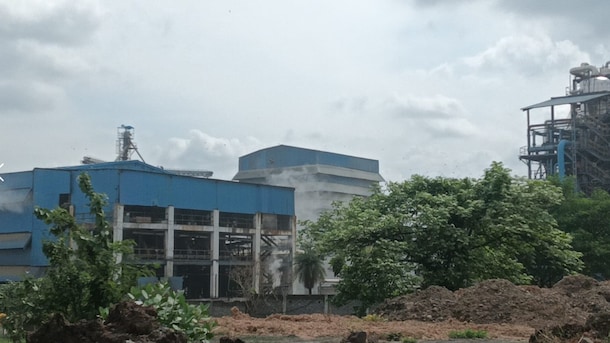
The case came to light on June 3. According to the FIR accessed by NDTV, officials received information that three trucks carrying government rice had left the Food Corporation of India warehouse at Navegaon in Balaghat district. The rice was officially meant for the ethanol plant of AVJ Agrico Private Limited at Borgaon in Chhindwara district.
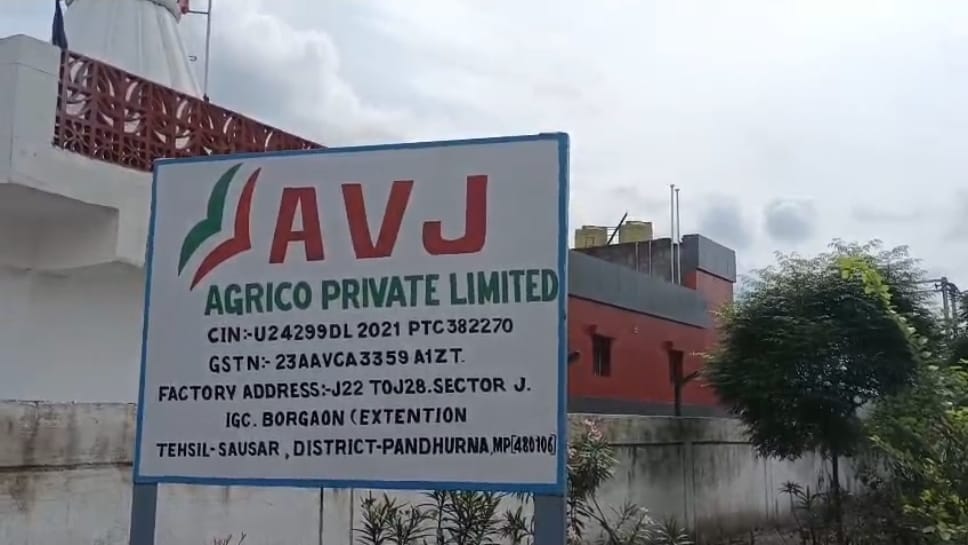
Ethanol plant of AVJ Agrico Private Limited at Borgaon in Chhindwara district
One of the vehicles was truck number CG04 JD 3147. Official dispatch records showed that it was carrying 490 bags of rice weighing a total of 242.55 quintals. On paper, the truck had left the FCI warehouse for ethanol production. But it did not reach the ethanol plant. Acting on specific information, officials from the Food Department, Revenue Department and Police formed a joint inspection team and traced the vehicle.
What they found changed the course of the investigation. The truck was not standing on the highway. It was not parked at a petrol pump. It had not stopped at a repair workshop. The truck was allegedly found nearly 500 metres inside the premises of Sancheti Rice Mill in Waraseoni. The vehicle had entered deep into the compound of a private rice mill even though its declared destination was an ethanol plant in another district.
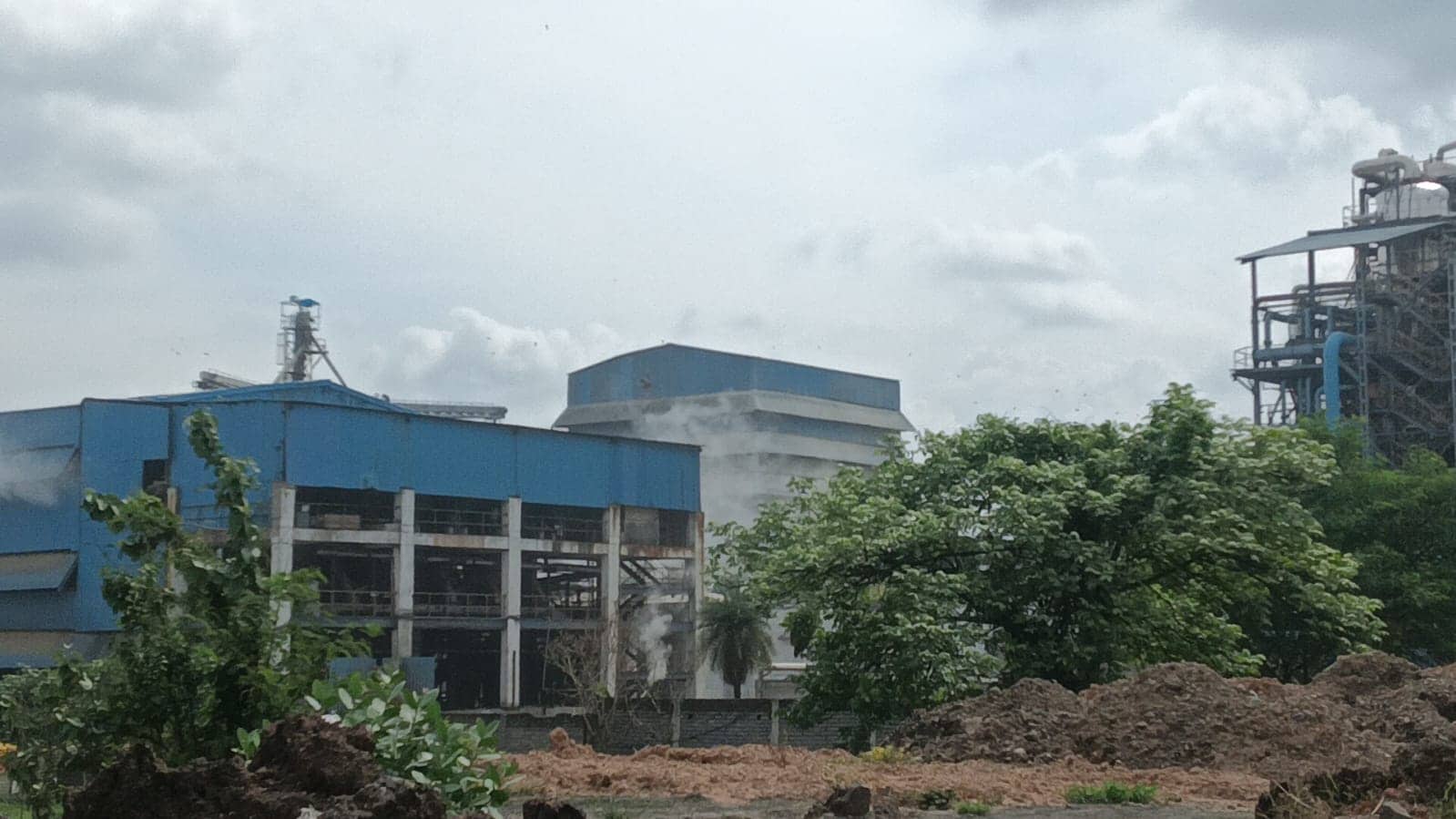
Investigators questioned the driver about why the truck was inside the mill. According to the FIR, the driver claimed that he had parked the vehicle there and gone home for lunch. Representatives of the rice mill reportedly gave a different explanation. They said the truck had entered the premises because it had started raining. Investigators found both explanations difficult to accept. The FIR records that there was no evidence of any mechanical failure in the truck. The vehicle was roadworthy. Officials also recorded that the weather conditions did not support the claim that heavy rain had forced the truck to enter the rice mill.
The inspection team concluded that there was no legitimate reason for the truck to be inside the mill premises. That discovery turned what appeared to be the diversion of one truck into a far wider investigation. The district administration began examining whether the rice was being diverted before it could reach the ethanol plant and whether the intercepted vehicle was part of a larger system. The seizure did not convince the administration that the case was merely a violation of transportation rules.
In two confidential communications dated July 10 and July 11, accessed by NDTV, Balaghat Collector Mrinal Meena escalated the matter to senior authorities. One letter was sent to the Food Corporation of India. The second was sent to the Madhya Pradesh government. The Collector pointed out that rice supplied under the Government of India's ethanol policy appeared to have been diverted before reaching the ethanol plant. He recommended a detailed investigation to determine whether rice released under the ethanol programme was actually reaching authorised ethanol units. He also asked the Food Corporation of India to verify whether the entire mechanism governing the allocation, transportation and utilisation of rice meant for ethanol production was transparent and properly monitored. The Collector specifically sought an examination of the role of FCI officials, ethanol plant operators, transporters and rice mill owners.
One of the confidential communications stated that the circumstances uncovered during the investigation required action at both the state government and Food Corporation of India levels. The Collector also recommended that if irregularities were established, proceedings should be initiated against every person found responsible.
-
Rs 1,160 Crore Rice 'Scam' Widens: 56 Mills, 22 Ethanol Plants Under Scanner

Investigators are trying to establish how much of the nearly 5 lakh metric tonnes of government rice allocated for ethanol production was actually converted into ethanol, and how much may have been diverted through private mills before returning to government warehouses.
-
Opinion | Sharad Pawar Has An Old 'Two Plus Two' Bargain For Delhi
Sharad Pawar appears to be keeping two doors open, and the political cost could be huge for both opposition and the NDA.
-
Opinion | Trump's Quiet Turkey 'U-Turn' Has Loud Consequences For India
In a stunning policy reversal, Trump has decided to sell America's F-35 jets to Turkey, a staunch Pakistan ally and its closest defence supplier
-
Blog: Your SUV's Most-Used Feature Is Now The Brake Pedal
The growing menace of traffic begs a question: Is buying a car slowly becoming one of the worst financial decisions for people living in large cities?
-
Opinion | US-Iran MoU Collapse: Why The Strait Of Hormuz Is Back On The Brink
Why did the ceasefire fail? Could it have been prevented? The answer to many of these questions lies in the framing of the 14-Point MoU and the uneven playfield that it created.
-
NDTV Investigation: No Single Cause Or Common Pattern In Bikaner's Maternal Health Crisis
Part 3 of NDTV's investigation into the series of maternal deaths and severe post-delivery complications examines a different pattern emerging at Bikaner's PBM Hospital
-
Blog | Amaira, And The Daily Goodbye Every Parent Takes For Granted
I kept thinking about that moment every parent knows so well. The one where you watch your child disappear through the school gate, believing they will come home.
-
Opinion | By Trump, For Trump: Inside The Murky Election Crisis America Is Sleepwalking Into
Trump has learnt that overturning an election after losing is extraordinarily difficult. This time, he is shaping the battlefield before America votes.