- Women in their early 30s are now showing ovarian reserves typical of older age, causing fertility concerns
- Ovarian reserve decline is linked to lifestyle, environmental toxins, and medical conditions
- Delayed parenthood worsens fertility issues as many women overestimate their reproductive timeline
A growing number of women in their early 30s are being told that their ovarian reserve resembles that of someone much older. The situation has created problems for both patients and fertility experts because more women are postponing pregnancy due to their work and financial obligations and their personal life choices. Age stands as the primary element that determines a woman's ability to conceive according to experts, but research shows that different lifestyle and environmental and health factors lead to faster reproductive ageing in specific women.
Understanding Ovarian Reserve
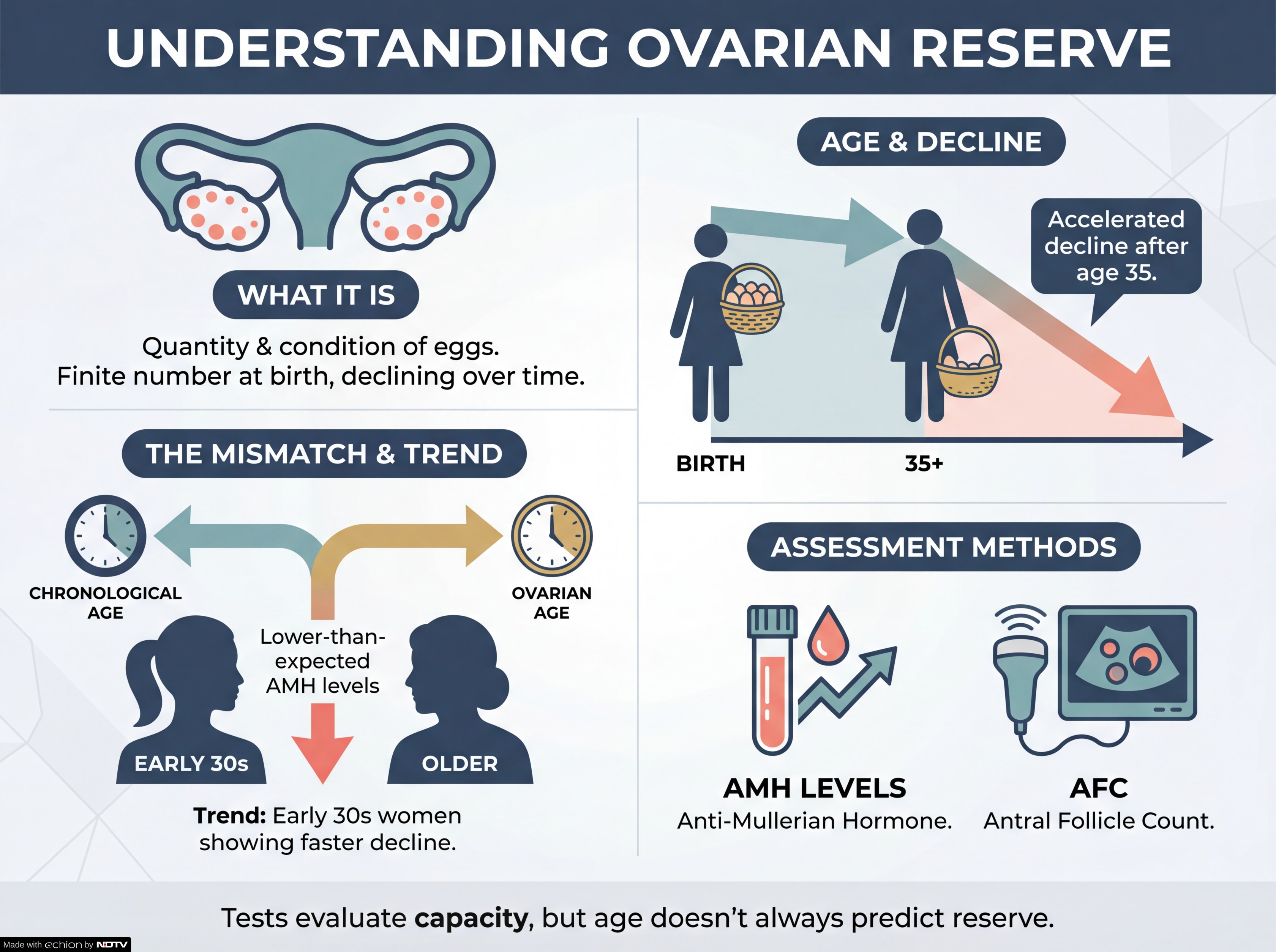
Ovarian reserve defines the quantity and condition of eggs which exist in a woman's ovaries at every moment. Women are born with a finite number of eggs which gradually decline with age. The decline becomes more apparent in women after they reach 35 years of age. Tests such as Anti-Mullerian Hormone (AMH) levels and antral follicle count (AFC) serve as standard methods for evaluating ovarian reserve capacity.
However, chronological age and ovarian age do not always match. The current trend shows that women in their early 30s now experience lower-than-expected AMH levels which indicate that their egg quantity and quality can decline at a faster rate.
Why Are Ovarian Reserves Depleting Earlier?
The observed reduction in ovarian reserve through its first phase of existence results from various external factors. The contemporary way of life functions as a primary factor that influences this situation. The combination of chronic stress and inadequate sleep together with physical inactivity and unpredictable eating schedules creates conditions that disrupt hormonal equilibrium and harm reproductive health.
The problem of environmental contamination constitutes a major health risk. The rising levels of endocrine-disrupting chemicals which people encounter through plastics and pesticides and environmental pollution these substances interfere with hormonal systems leading to potential long-term effects on ovarian health. The chemicals have the ability to speed up the natural process of ovarian aging.
Nutritional deficiencies also play a role. The absence of fundamental dietary components together with antioxidants and healthy fats in diets leads to negative effects on egg quality. The increasing prevalence of metabolic diseases such as obesity and insulin resistance and thyroid disorders generate negative effects which impact reproductive health.
The Role of Medical Conditions
The complete health status of a person can decrease their ovarian reserve capacity. The conditions of polycystic ovary syndrome and endometriosis and autoimmune disorders and previous ovarian surgeries create an impact on the number and the quality of eggs produced. Women who possess the genetic risk factor for early ovarian aging which doctors identify as diminished ovarian reserve face this issue as a possible outcome. The reproductive system faces damage from various infections which include untreated pelvic infections and genital tuberculosis in areas where the disease occurs most commonly.
Delayed Parenthood and Its Impact
The natural decrease of fertility rates is becoming more visible because women currently prefer to have children at older ages. The current problem extends beyond postponed childbirth because it involves actual ovarian reserve discrepancy with expected ovarian reserve for different age groups.
Women tend to believe that their ability to conceive will stay unchanged until they reach their late 30s, but their ability to conceive begins to change before this age. The decline in fertility will remain undetected until couples attempt to conceive and experience unanticipated challenges, which will lead to their first awareness of the issue.
Why Early Assessment Matters
The importance of early fertility assessment has been rising in recent times. Blood tests and ultrasound tests can assess ovarian reserve through their straightforward testing methods. Women who need to know their reduced reserve should get diagnosed with testing procedures, which enable them to choose between early conception or fertility preservation as their family planning options.
A woman with low ovarian reserve has a reduced chance of achieving pregnancy because her chances of conceiving become limited throughout her reproductive life.
Can Ovarian Age Be Improved?
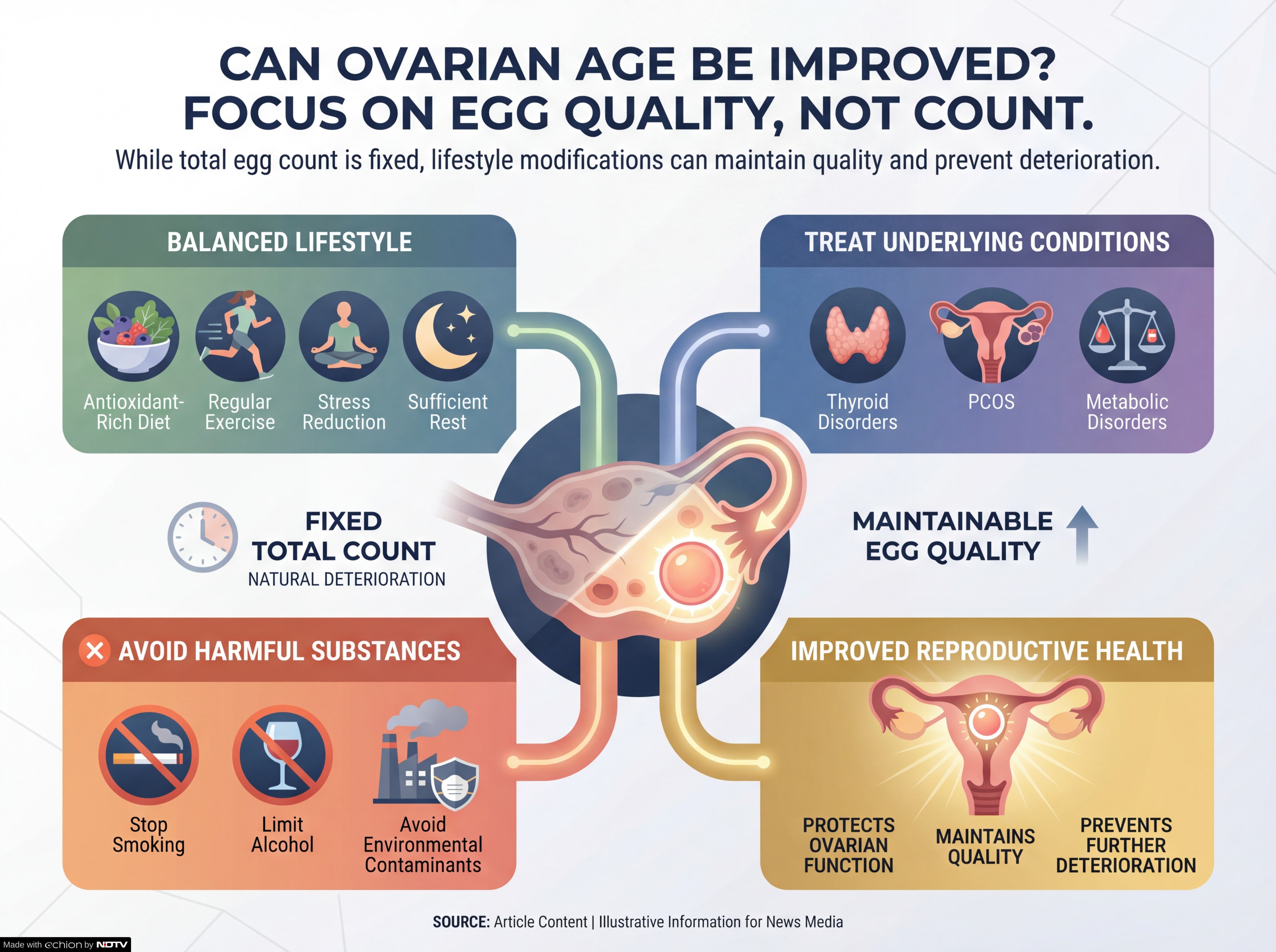
The total count of eggs remains fixed, but implementing particular lifestyle modifications will assist with maintaining egg quality while preventing further deterioration. The reproductive health of individuals shows improvement when they follow a balanced diet containing antioxidants and engage in regular exercise and practice stress reduction techniques and obtain sufficient rest. The process of treating thyroid disorders and PCOS and metabolic disorders needs to be handled with equal importance as the treatment of underlying health conditions. The protection of ovarian function requires people to stop smoking and cut back on their alcohol consumption and limit their contact with environmental contaminants.
A Shift in Awareness Is Needed
The belief that women start experiencing fertility issues at the age of 30 years and beyond has started to change. Women in their early 30s should start learning about their reproductive health according to current recommendations instead of waiting for their actual pregnancy plans.
Regular health check-ups should include discussions about menstrual health and hormonal balance and fertility awareness. The transition from reactive reproductive health care to proactive reproductive health services will help people avoid facing unexpected challenges in the future.
Looking Beyond Age Alone
Fertility is not determined by age alone. The modern world environmental factors together with age which remains an essential factor now determine how people will reproduce. The early identification of ovarian reserve enables women to gain understanding which helps them to decrease their anxiety while they prepare for their future.
Education for women exists to create an understanding instead of generating fear. People who understand their current situation will have the power to determine their future choices about reproduction.
(By Dr. Preeti Mahawar, Fertility Specialist, Nova IVF Fertility, Kolkata)
Disclaimer: The opinions expressed within this article are the personal opinions of the author. NDTV is not responsible for the accuracy, completeness, suitability, or validity of any information on this article. All information is provided on an as-is basis. The information, facts or opinions appearing in the article do not reflect the views of NDTV and NDTV does not assume any responsibility or liability for the same.