Zindagi Na Milegi Dobara Is Still The Only New Year Resolution That Never Expires
Years later, ZNMD still hits home, its story, characters, and pop-culture charm cut through life's noise, reminding us to live boldly and on our own terms
Dilon mein tum apni betaabiyan leke chal rahe ho toh zinda ho tum
Nazar mein khwabon ki bijliyan leke chal rahe ho toh zinda ho tum...
As a new year begins, Zoya Akhtar's Zindagi Na Milegi Dobara quietly resurfaces as a reminder. While we're busy making resolutions that usually expire by February, ZNMD asks us to be more, holding up a mirror to who we are, and who we keep postponing, because "Zindagi apne hisaab se chalti hai, hamesha perfect plan ke hisaab se nahi."
Long Before YOLO Became A Thing, There Was ZNMD
It's easy to dismiss ZNMD as a glossy postcard of wealthy men on a vacation most of us can only dream of. But that's the thing about stories that resonate, they don't have to look like your life to feel like your life.
ZNMD delivers its truths with a light touch, and somehow the soul-searching road trip makes all this feel effortless. One minute you're laughing at its razor-sharp one-liners, the next you're sitting with a thought that refuses to leave.
Farhan Akhtar had the idea for the story back in 2007 and initially hoped to make it with Shah Rukh Khan and Hrithik Roshan. As the script took shape, Zoya Akhtar cast Farhan Akhtar as Imran and approached Ranbir Kapoor and Imran Khan for Arjun and Kabir, but it didn't work out.
In the end, Hrithik Roshan and Abhay Deol stepped in to play the roles. The screenplay by Zoya Akhtar and Reema Kagti was originally titled Running With The Bulls. The final title, Zindagi Na Milegi Dobara, came from a line in a song from Farhan Akhtar's Rock On.
The story of three best friends- Kabir, Imran, and Arjun, heading to Spain for what's meant to be a fun bachelor's trip, but it quickly turns into a journey of self-discovery. Each secretly chooses a daring adventure, pushing the others out of their comfort zones. Along the way, they confront their deepest anxieties, revisit old bonds, and begin to understand what truly matters in love, life, and friendship.


From Heavy To Hilarious
What I love about Zoya Akhtar-Reema Kagti's fabulous screenplay is how these three friends feel like fragments of your own story or someone you've known way too well. Arjun's terminal workaholism, Imran's poetry-driven quest for meaning, Kabir's knack for avoiding confrontations... each character mirrors a version of ourselves we've lived, loved, or are desperately trying to escape.
And then there's the way the screenplay dances between moods. A heavy, emotional scene flips into a razor-sharp one-liner, and a casual joke can suddenly hit with surprising depth.
Take that fabulous scene where Arjun vents his hurt: "Mera phone bahar fekna is not funny. Meri girlfriend ke sath involve hona WAS NOT FUNNY." While Imran, cool as ever, shoots back: "Arjun, ho gayi galti. Main kya karu? 'Sorry Arjun' ki T-shirt pehen ke ghooma karun?"
The tension peaks with Arjun insisting, "Apologise only when it comes from the heart." But this intense scene ends with humour, as Arjun turns to Kabir: "Aur ye BPL kya hota hai?" Kabir, poker-faced, replies: "Bum Pe Laat."
There are countless moments like these that make ZNMD feel effortlessly alive.
One of my personal favourites is a lesser-talked-about intense moment at the police station, after the three friends are arrested in Spain. Imran opens up about his biological father (played by Naseeruddin Shah), revealing he only discovered the truth after his "Abbu" (the man who raised him) passed away. When his friends ask why he never shared this before, Imran quietly says,
"Hil gaya tha yaar... aur kya batata... that Abbu is not my father?"
Arjun responds, "Wo tujhse bahut pyaar karte the, Imran. He really loved you..."
"And us..." Kabir adds, remembering him, "I mean think about it...sports day ho ya parents day ho...hamare fathers aayein ya na aayein...Abbu hamesha aate the.
Then comes the line.
"Mere father to pahle hi marr chuke the...wo agar sports day par aate to kaafi...strange hota," says Arjun, deadpan.
The three of them laugh, the dark humour slicing through the heaviness, a raw, beautiful way to end the scene. And every time I watch it, I find myself chuckling along with them.
From Kalki's iconic "Bagwati" and "Churail Alert" rock-chick energy to "Kya tum mentally the sick ho, my bwoy", Naseeruddin Shah's memorable cameo, and the quietly powerful scene where Imran speaks Hindi to a Spanish girl who feels his pain without understanding a word, ZNMD is consistently funny, sharp and emotional.
During a conversation celebrating a decade of the film in 2021, Zoya recalled, "We thought it would relate to that impressionable age and were quite surprised to see it went beyond just the youth. I think it's just that there's no age from coming to age, and no matter where you are there is a relatability of 'you have one life' and if you're not hurting or harming anyone, you've got to what you have to do." Katrina Kaif added, "Everything in the film just rung very true.... It felt like coming from a place of honesty," Kaif said.
Farhan also revealed that Mr Dubey, the man behind the iconic "Kya tum mentally the sick ho my bwoy", was their actual school teacher. "He passed away, but his daughter reached out to me, saying it was sweet that we remembered him."
Epic Road Trip Through Spain
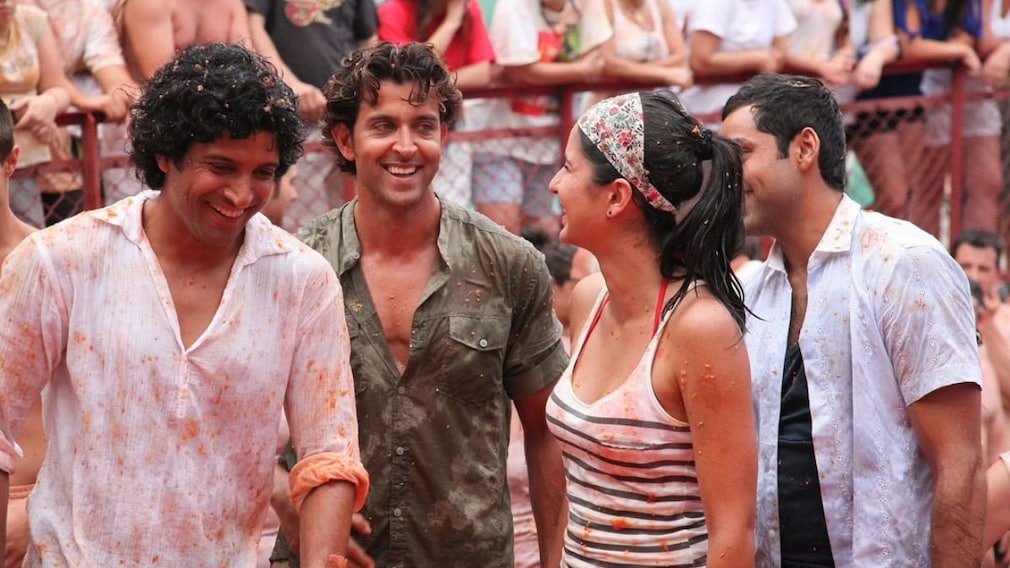
The making of Zindagi Na Milegi Dobara was an epic road trip through Spain. Shot across 100+ real locations, the journey itself became part of the story-from cold, strong currents during Hrithik Roshan's intense scuba dives to the chaotic, tomato-soaked Tomatina festival, recreated with tons of real tomatoes.
The actors went on record to say that they hated tomatoes for months on end because the smell was unbearable. Reportedly, Hrithik, Farhan Akhtar, and Abhay Deol didn't use doubles for the skydiving sequences either, weeks of preparation went into those breathtaking jumps.
And in the film's quiet, deep moments, the poetry, voiced by Farhan's character and written by Javed Akhtar, carried the weight of home and heart.
Jab jab dard ka baadal chaya, jab gham ka saaya lehraya,
Jab aasoon palkon tak aya, jab yeh tanha dil ghabraya .
Humne dil ko yeh samjhaya,
Dil aakhir tu kyun rota hai ... duniya mein yunhi hota hai
The soundtrack of Zindagi Na Milegi Dobara is its heartbeat. Crafted by Shankar-Ehsaan-Loy with lyrics by Javed Akhtar, it turns the film's "live in the now" philosophy into a melody you feel. Every high-adrenaline moment- diving deep, skydiving, or charging at bulls- is followed by a soul-soothing release of a song. After Hrithik's deep-sea dive comes the gentle "Khaabon Ke Parindey"; the chaos of the Tomatina festival bursts into "Ik Junoon". From the flamenco fire of "Senorita" to reflective spoken-word shayari, the soundtrack moves with every mood, capturing the rare, bittersweet magic of a journey that lingers long after it ends.
When Laila tells Arjun, "How do you know you will live till 40? Seize the day, my friend. Pehle is din ko puri tarah jiyo, phir 40 ke baare mein sochna," the film's philosophy clicks perfectly. Arjun sheds tears after his first scuba dive, and Laila later asks, "Kabhi pay check milte waqt... tumhare aankhon mein aansu aaye hain?" The script shines in Farhan Akhtar's dialogue, capturing the laughs, arguments, and effortless banter only lifelong friends share, a modern echo of the camaraderie he brought to Dil Chahta Hai.
Years later, ZNMD still hits home, its story, characters, and pop-culture charm cut through life's noise, reminding us to live boldly and on our own terms. And hey, it probably did more for Spain's tourism than any travel influencer or ad campaign ever could.
My friends in London have Die Hard and Love Actually as their Christmas classics; I'll take Zindagi Na Milegi Dobara for the New Year, a title that doubles as the only resolution you actually need.
-
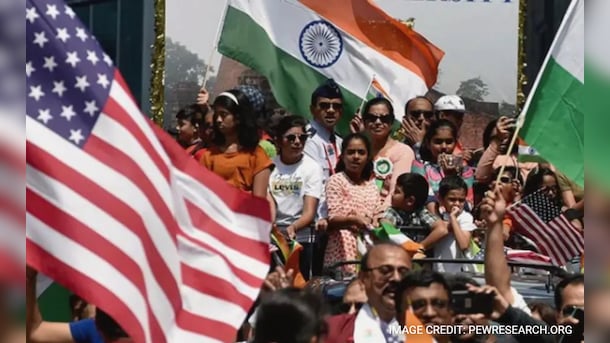
Opinion | Visa Shocks To Racist Attacks, When Did America Come To Hate Indians So?

Sometimes it is about H-1B visas. Sometimes it is jobs. Sometimes it is "foreigners." Sometimes it is about temples. The language of the attack varies, but the message is consistent
-
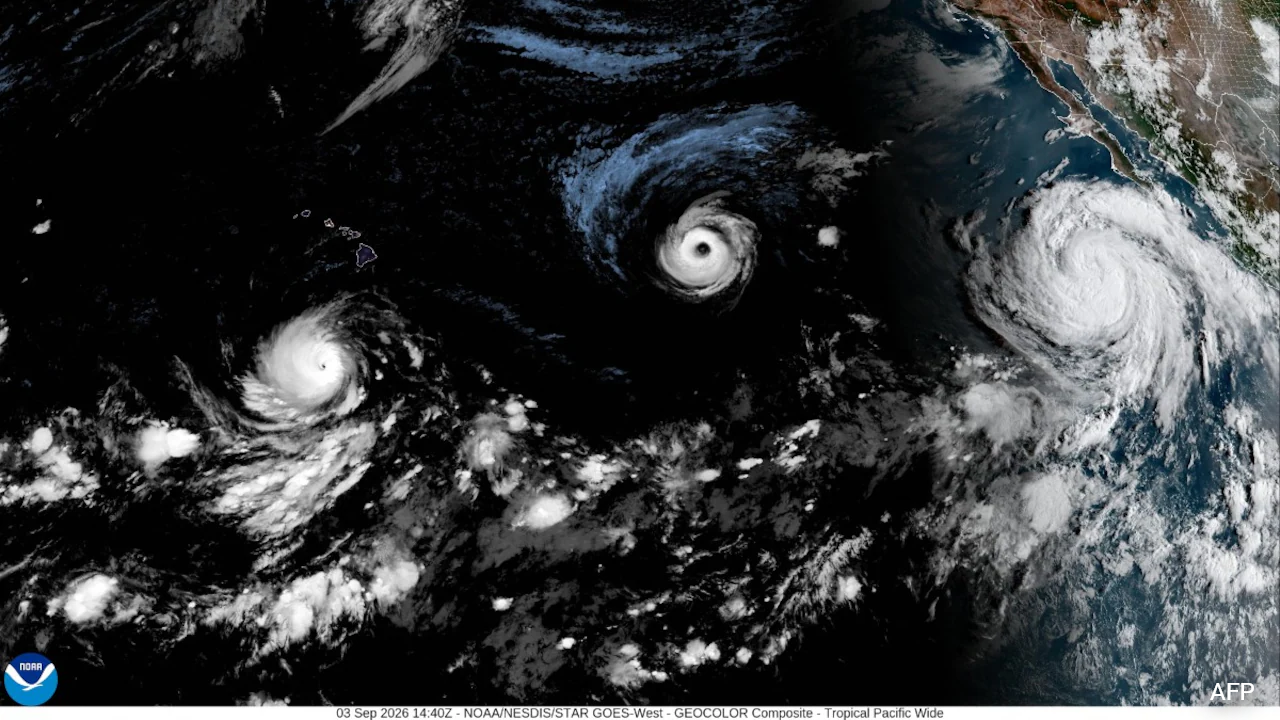
How El Nino And Warming Oceans Could Shape Earth's Climate In 2027
From changing ocean currents to extreme weather, scientists are watching a combination of climate signals that could influence temperatures, rainfall and ecosystems in the months ahead.
-
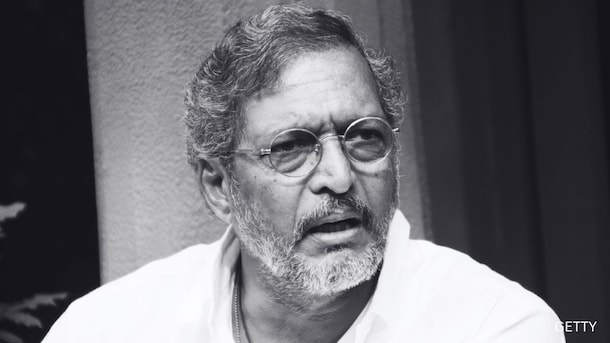
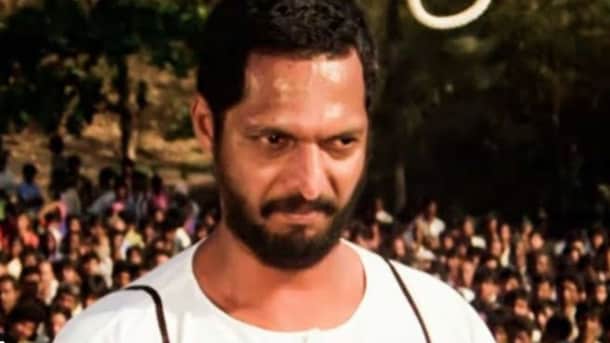
Blog | Nana Patekar, And The Sharp, Lasting Sting Of His 'Plain-Speak'
"Subah ghar se niklo, bheed ka hissa bano..." Nana Patekar's characters often spoke with the bluntness of men who had little patience for pretence. Just like Nana himself.
-
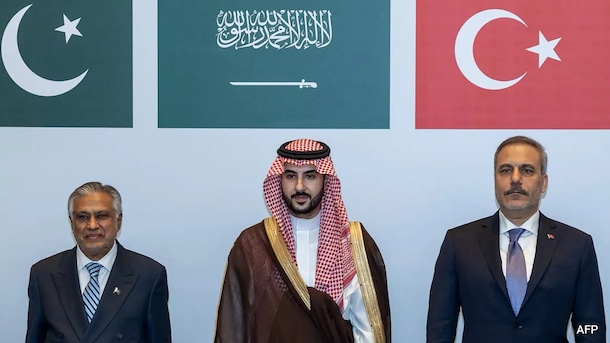
Opinion | Pakistan's Saudi Pact Is Now Entering Dangerous Territory - As Expected
On October 5, the ministers of the pact's member states met in Riyadh for an emergency session and agreed to move to a 'practical implementation' of the defence commitments.
-
Hindu ka khoon-Musalman ka khoon? Nana Patekar's Krantiveer Questions Still Hang
Krantiveer was released in 1994, after the communal violence that had scarred Bombay and other parts of India. Nana's voice carried the pain of every riot, every broken home
-
'SIR' In America Too? India Cue In Trump's Mass Citizenship Check For Voters
Having got the nod from the US Supreme Court, Donald Trump's push for a voter roll "cleanup" puts citizenship at its centre. Arguments for India's Special Intensive Revision (SIR) have also centred on "illegal immigrants". Data remains scarce. Let's map the similarities and the nuance.
-
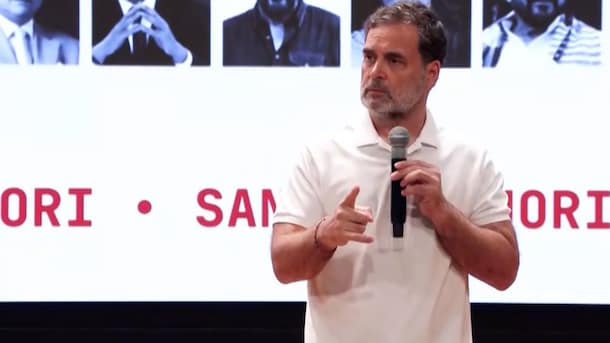
Opinion | Gyanesh Kumar Row May Be Doing Something Unthinkable For India's 'Lost' Opposition
There seems to be a greater willingness within the Opposition to accept Rahul Gandhi's leadership, at least on the SIR controversy. But the INDIA bloc itself seems to be undergoing a strange renewal.
-
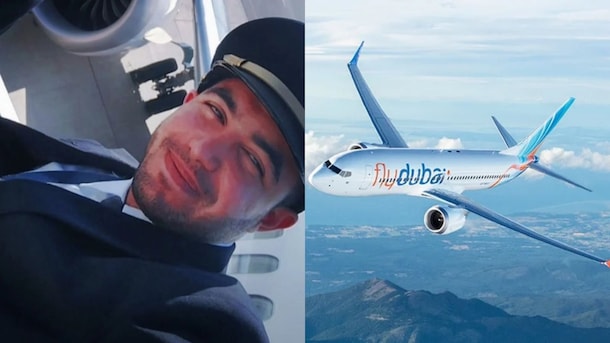
Opinion | flydubai Hijack, And How Syria's Descent Into 'Jihadism' Has Now Become Everyone's Problem
Al Hammimi, the Omani pilot who tried to crash a plane with 175 passengers on September 30, is a symptom of Syria's long-raging sectarian and extremist fire that has now reached far beyond Syria's borders.
-
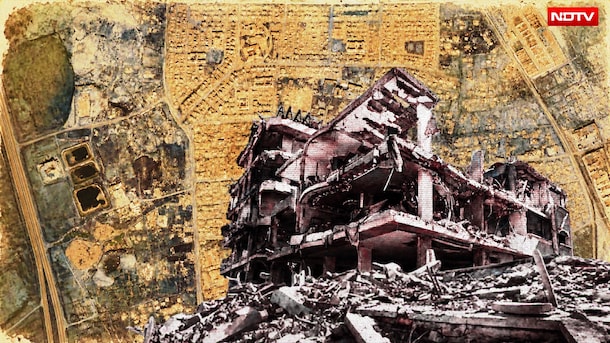
"Feel Deeply Abandoned By World": Tales Of Loss And Separation From Gaza
For Gazans, who have lived through the horrors of the last three years, life means a continuing encounter with impermanence and the repeated discovery that a home, a friendship, a livelihood, a familiar life and even one's former self can become things that exist only in memory.