Opinion | Superhero Fatigue Is Old News. Fantasy Fatigue Is Here
Maybe audiences aren't exhausted by superheroes. Maybe they aren't exhausted by fantasy. Maybe they're exhausted by repetition
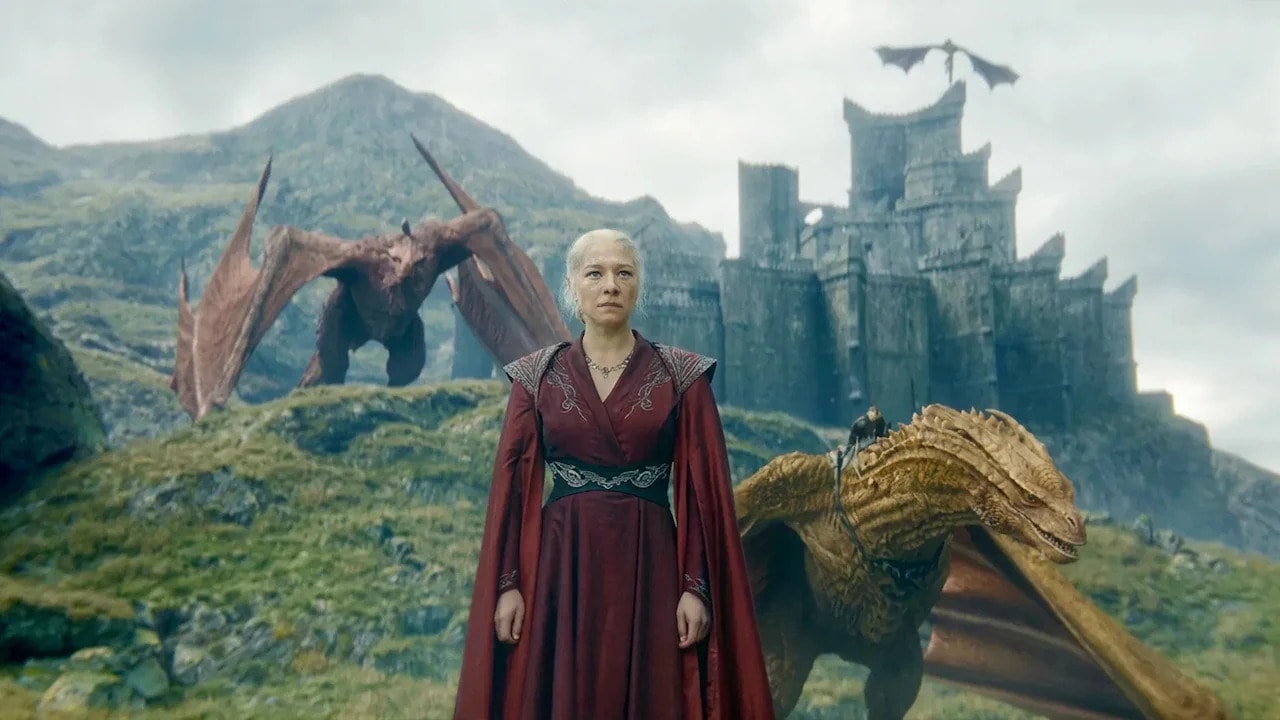
There was a time when a dragon appearing on screen felt like an event.
Now it feels like a calendar reminder.
A new kingdom. A new prophecy. A new chosen one. A new map that requires the audience to pause the episode and Google "Who exactly is this silver-haired cousin of the king's half-brother's exiled nephew?"
For over a decade, entertainment executives have treated fantasy, sci-fi and superhero storytelling like Hollywood's version of an unlimited buffet. The assumption was simple: audiences loved it once, so surely they'll love it forever.
But somewhere between multiverse collapses, dragon civil wars, magical bloodlines and endless franchise spinoffs, viewers quietly developed a condition no studio saw coming.
Not superhero fatigue.
Fantasy fatigue.
And unlike Thanos, this enemy cannot be punched into submission.
The MCU Solved The Puzzle. Then Forgot The Instructions
The funny thing about the Marvel Cinematic Universe is that it didn't become a cultural phenomenon because it was about superheroes. It became a phenomenon because it was about people.
Recommended


Tony Stark had anxiety. Steve Rogers felt out of place. Thor lost everything. Natasha Romanoff carried guilt. Even a talking raccoon somehow had emotional depth.
Then came Avengers: Endgame. The culmination of 22 films felt like the perfect ending. Audiences laughed, cried and watched half the internet collectively mourn a billionaire in a metal suit.
And then Marvel did what every successful franchise eventually does. It kept going.
Since Endgame, the MCU has often felt less like a carefully planned saga and more like a streaming service desperately trying to finish a group project five minutes before submission.
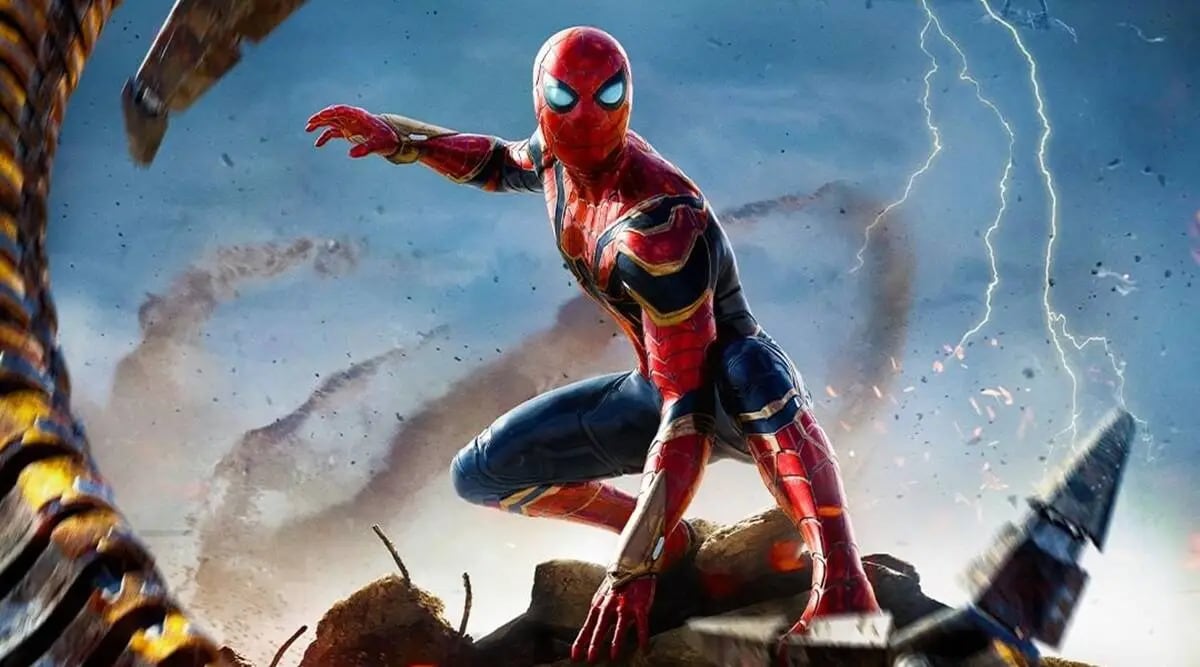
There have been exceptions. Spider-Man: No Way Home worked because it remembered that nostalgia is most effective when paired with genuine emotion. The animated Spider-Verse films remain masterpieces because they are interested in storytelling first and franchise maintenance second.
But much of the post-Infinity War era has struggled under the weight of its own mythology.
Every movie became homework.
Every TV series became required reading.
Every post-credit scene became a promise of another post-credit scene.
At some point, audiences stopped asking, "What's next?"
They started asking, "Do I really need to watch this?"
Meanwhile, DC Was Conducting A Live Experiment In Chaos
If Marvel's problem was excess, DC's problem was identity.
The DCEU spent a decade behaving like a student who copied someone else's homework and then forgot to change the answers.
There were good moments. There were even some genuinely excellent performances.
But the universe itself often felt like it was being assembled by people receiving conflicting instructions through a faulty walkie-talkie.
One movie was grim. The next was a comedy.
One hero was brooding. The next was cracking jokes every seven seconds.
By the time audiences reached the later years of the DCEU, the franchise felt less like a cinematic universe and more like a family WhatsApp group where nobody could agree on dinner plans.
Even Batman looked tired. And honestly, who could blame him?
The Streaming Wars Gave Everyone A Sword
When studios realised superheroes couldn't occupy every square inch of pop culture forever, they turned to fantasy.
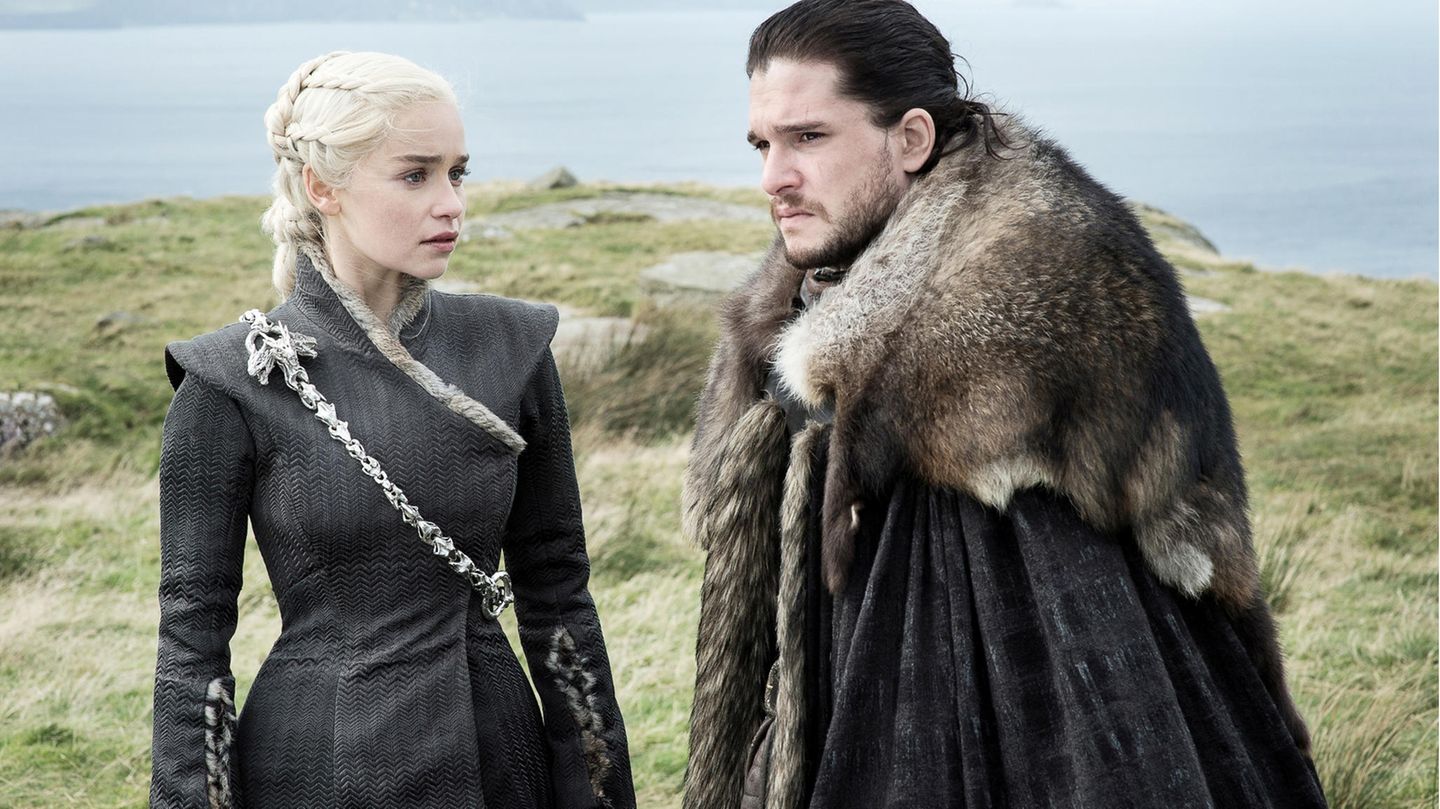
After all, Game of Thrones had become a global obsession.
Surely the solution was simple. Make more fantasy. Lots more fantasy. An absurd amount of fantasy.
What followed was a gold rush of kingdoms, prophecies, monsters and magical destinies.
The problem was that most of these shows forgot why audiences loved fantasy in the first place.
People didn't fall in love with Westeros because it had dragons. They fell in love because it had characters. The dragons were a bonus.
Welcome To The Age Of Expensive Disappointment
Few shows illustrate this better than The Witcher.
It arrived with enormous potential. Beloved books. Successful video games. A charismatic lead in Henry Cavill.
Then somehow it became famous for everything except its storytelling. Creative disputes, controversial adaptation choices and Cavill's departure transformed what should have been a flagship fantasy series into a cautionary tale.
Then came The Lord of the Rings: The Rings of Power. Visually stunning? Absolutely. Expensive? To a degree that should probably concern economists. Yet many viewers found themselves admiring the scenery more than caring about the people standing in it.
The same criticism followed The Wheel of Time. The production values were impressive. The world-building was ambitious. But the emotional connection often struggled to match the scale.
Even House of the Dragon, arguably the strongest of the current fantasy giants, hasn't entirely escaped criticism. While many praised its performances and political intrigue, others found themselves longing for the unpredictability and cultural electricity that made peak Game of Thrones appointment television.
The dragons were bigger. The excitement wasn't always.
Bigger Universes, Smaller Stakes
The strange irony of modern fantasy and superhero storytelling is that the universes keep expanding while the stories keep shrinking.
Every franchise wants to be an interconnected ecosystem. Every studio wants lore. Every series wants six spinoffs before the first season even ends.
The result? Stories increasingly feel like advertisements for future stories. Characters exist to tease new characters. Plots exist to set up future plots. Entire seasons function like trailers.
And audiences can feel it. You can only hear "This is just the beginning" so many times before you start wondering whether anyone plans to tell a complete story.
Yet Hope Refuses To Die
And here's the frustrating part. The genre isn't broken. Not really. Because every time audiences declare themselves exhausted, something comes along and reminds them why they fell in love with these stories in the first place.
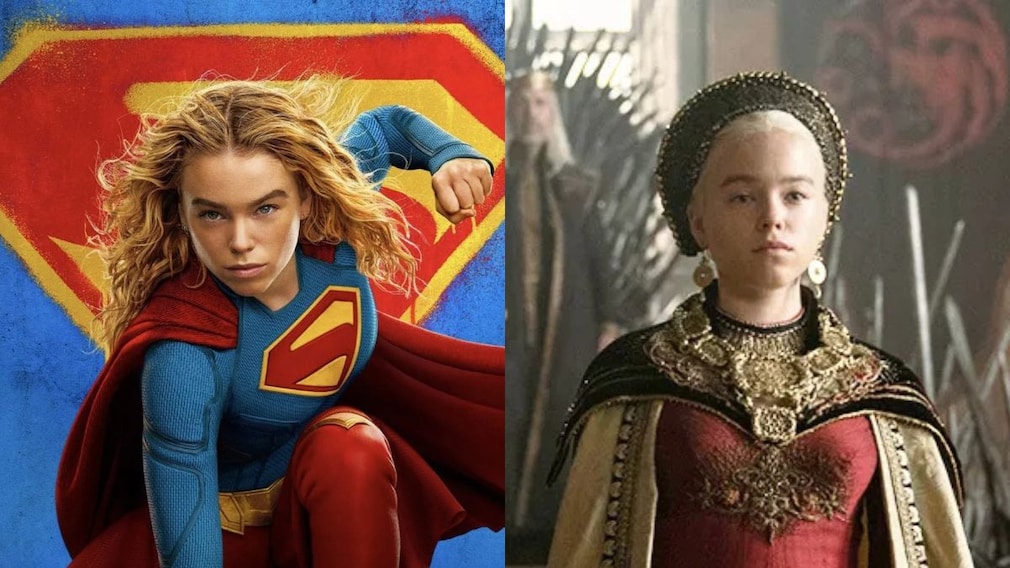
The upcoming Supergirl film starring Milly Alcock already feels intriguing precisely because it isn't trying to sell itself as the centre of a 47-project roadmap.
It feels fresh. It feels character-driven. It feels curious.
Then there's Tom Holland's next Spider-Man movie. Spider-Man remains one of the few superheroes who consistently survives changing trends because his appeal is timeless. He's not a god. He's not a billionaire. He's a kid trying to balance extraordinary responsibility with ordinary life. The concept never gets old.
And then, of course, there is Denis Villeneuve's upcoming Dune 3. If modern franchise filmmaking has often resembled fast food, Villeneuve's Dune films feel like a carefully prepared meal. They are patient. They are ambitious. They trust audiences to pay attention.
Most importantly, they remember that spectacle means nothing without substance. The sandworms are impressive. The people riding them are what matter.
Maybe Audiences Aren't Tired Of Fantasy After All
Maybe audiences aren't exhausted by superheroes. Maybe they aren't exhausted by fantasy. Maybe they aren't even exhausted by cinematic universes.
Maybe they're exhausted by repetition. By algorithms masquerading as creativity. By stories designed by committee. By endless setup without payoff. People still want wonder.
They still want dragons. They still want spaceships, superheroes, magical kingdoms and impossible adventures. They just want those things attached to characters worth caring about.
The lesson isn't that fantasy is dying. The lesson is that fantasy, like magic itself, stops feeling magical when everyone keeps performing the same trick.
And perhaps that's why, despite all the fatigue, audiences still look toward the horizon with cautious optimism.
Because somewhere out there, beyond the multiverse, past the dragons and beneath the sands of Arrakis, there is always the possibility of one great story.
And unlike franchise roadmaps, that promise never gets old.
ALSO READ | House Of The Dragon Season 3 Episode 1 Review: A Dragon-Sized Mess
-
An Indian Explosives Company Faces Questions From A War Half A World Away

An explosives manufacturer from India suddenly found itself named alongside Sudanese military-linked companies, Egyptian suppliers and international recruitment networks accused of prolonging a civil war that has devastated an entire nation.
-
Opinion | For The Great Passport Debate, A 'Common-Sense' Cure - By Shashi Tharoor
There is a gap between legal theory and the practical realities of a passport. But an easy fix can resolve this manufactured crisis.
-
"There's Nothing We Can Do": Inside Lives Of Delhi's Pavement Dwellers
A 10-year-old girl sleeping with her family on a pavement was allegedly kidnapped, raped and murdered in Delhi.
-
Exclusive: A Massacre In Waiting, And A World That Chooses Silence
In Sudan, Rapid Support Forces (RSF) militants are closing in on the strategic city of El Obeid. Experts and rights groups have warned of a "genocide-like" event, similar to what unfolded in El Fasher.
-
Opinion | The Invisible Import In Every Indian Thali
In 2025-26, India spent over US$ 19 billion on edible oil imports to meet 60% of its demand, making it vulnerable to global price shocks and supply disruption while straining the nation's exchequer of its forex reserves for what it could grow at home
-
After Sex, Drugs, Alcohol Rehab, Now There's De-Addiction For AI
AI addiction and dependence is reportedly on the rise. There are now support groups similar to Alcoholics Anonymous that can help those in need recover.
-
Opinion | Pune Fort Murder, And The One Word That Could've Stopped It All
The gruesome killing of Ketan Agarwal and the death of Twisha Sharma last month raise questions about the rigid culture surrounding marriages in India
-
Opinion | The War On London: How Lies And Bots Are Targeting The City
Research shows that hostile social media narratives describing London as dangerous or in decline have increased by between 150 and 200 per cent over the past two years.
-
In BJP's New UP Team For 2027 Polls, A Caste Counter To Akhilesh Yadav's PDA
After facing a huge setback in Uttar Pradesh in the 2024 Lok Sabha elections, the BJP has announced new office bearers, replacing all six regional presidents.
-
Opinion | Iran Peace Process Needs A New Architect, And India Shouldn't Waste Its Chance
Most leaders in the West have all experienced a sharp drop in popularity owing to economic and geopolitical uncertainty. For Delhi, this might be the time to cash in on its multi-alignment framework and cement its place at the high table.