Hit Songs, Empty Pockets: The Hidden Math Behind India's Viral Music Boom
Over 80,000 brands and five lakh creators in India make branded content. The opportunity is worth around Rs 1,500 crore.
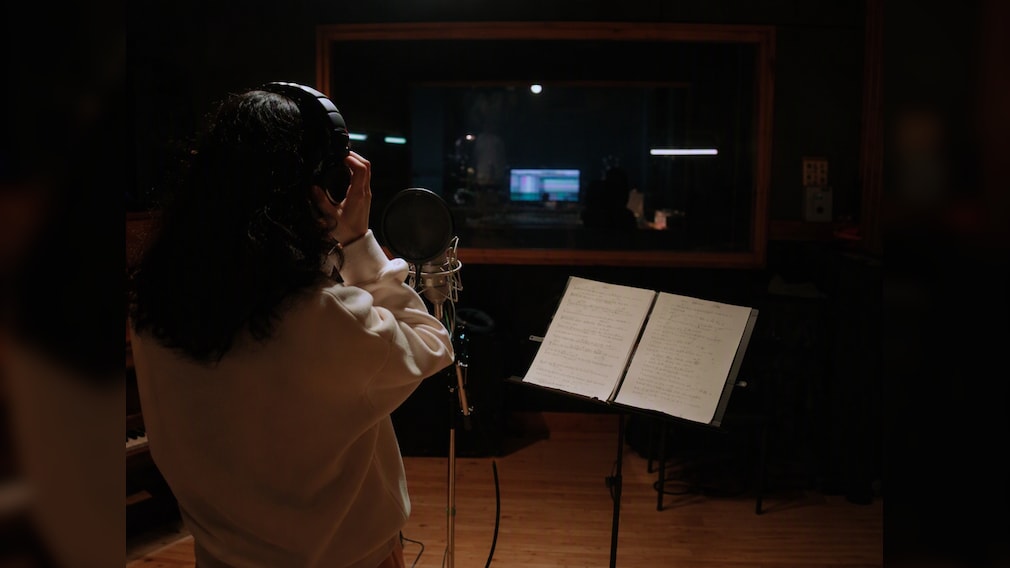
A song takes off on Reels. Millions of people use it in their videos. The views pile up. But who actually gets paid?
India has around 2-2.5 million active digital creators, according to a 2025 BCG report. Together, they influence an estimated $350-400 billion in annual consumer spending. That number could cross $1 trillion by 2030.
Yet money is not reaching everyone equally. BCG says only 8-10 per cent of these creators monetise effectively. Many nano and micro creators earn less than Rs 18,000 a month.
Music sits at the heart of this content. And the people who make it often see the least.
Who Really Gains From Virality
"The creator economy in India is thriving, yet the issue of who really makes money from virality has not been addressed yet," Gaurav Dagaonkar, Co-Founder and CEO of Hoopr, told NDTV.
In his view, platforms and creators with existing music libraries benefit most. Independent composers see very little from their viral songs. Meanwhile, creators risk takedowns when they use music without the right permissions.
Mumbai-based musician and songwriter Kaustubh Patil explains how the tracking side works. Every view, stream and Reel, Short or TikTok use is tracked through a unique Content ID generated for each song.
The money flow is simple. The system tracks usage. The distributor takes its cut. The rest goes to the artist. If other artists collaborated on the song, the amount is split by their roles. So, the distributor an artist picks decides how much finally lands in their account.
Three Kinds Of Viral
Patil sees virality from three angles:-
- The safe angle. Some brands and creators pick stock music from online libraries. There is no takedown risk and no strike. It is convenient, but not very creative.
- The momentum angle. Some creators pick a trending song on purpose. They want to ride its wave and boost their own reach.
- The designed-to-be-viral angle. Some artists and labels build a song around a catchy hook. Then they push it to leading creators, who make content with it. Others follow.
Patil told NDTV that virality pays off in other ways too. Musicians get more engagement across streaming and social platforms. They get recognition and live gig offers. Creators get a bigger following and more brand deals.
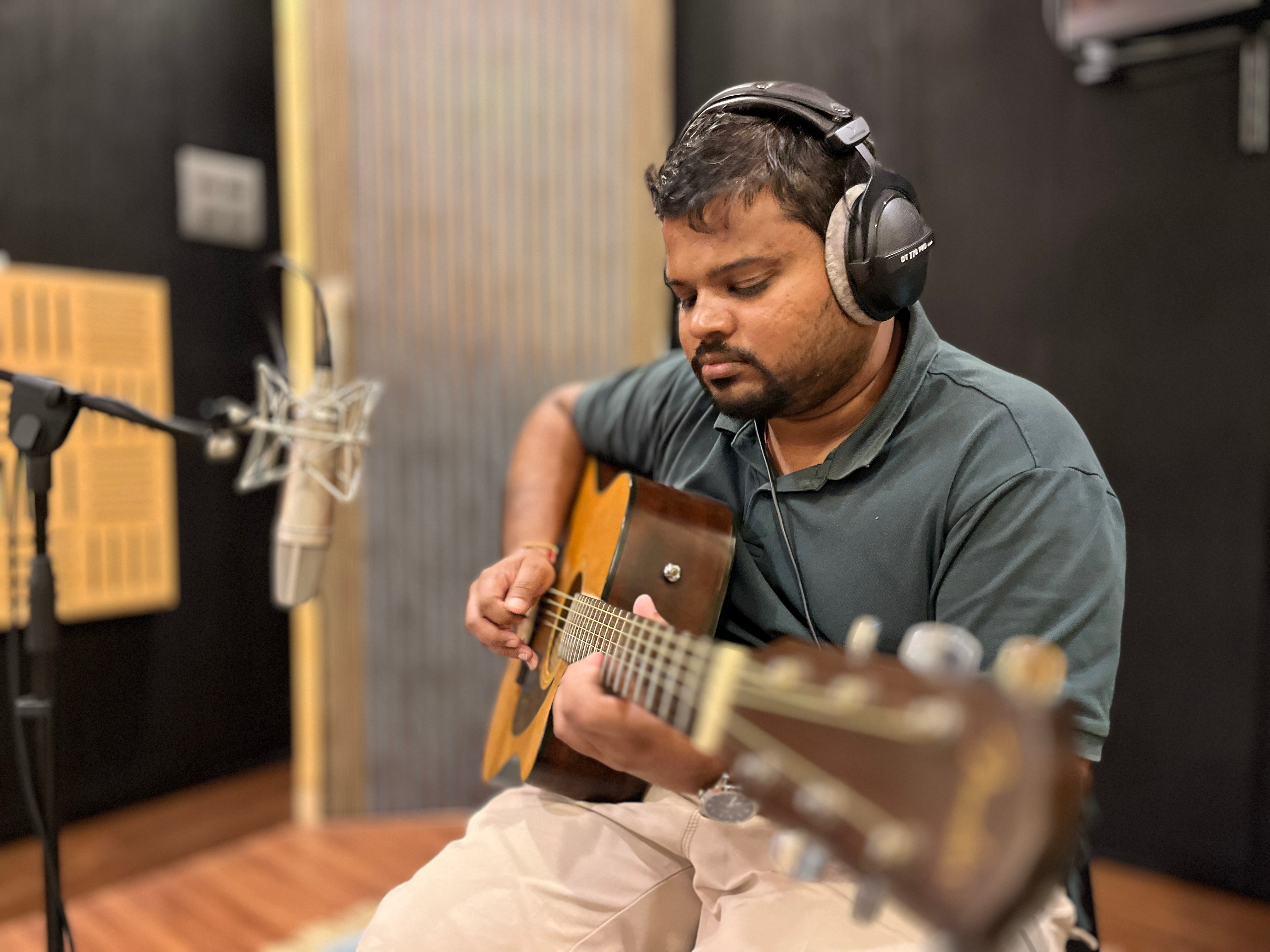
Mumbai-based musician and songwriter Kaustubh Patil
The Licensing Pitch
Dagaonkar argues that licensing can change the equation. The idea is to build payment into the process from day one.
Artists earn through direct licensing income and royalties facilitated by IPRS, the Indian Performing Right Society. Dagaonkar says his company has paid out more than Rs 4.5 crore to over 1,500 artists across 20+ genres.
Brands are a big part of this. Dagaonkar estimates that over 80,000 brands and five lakh creators in India make branded content. He puts that opportunity at around Rs 1,500 crore. All of that content needs music that is cleared for use.
The Listening-Versus-Paying Gap
The problem is not a lack of listeners. Hoopr's figures say 96 per cent of smartphone users listen to music. Only 38 per cent have ever paid for it. For video, 86 per cent have paid. India has around 14 million paid music subscriptions, against more than 200 million for video. Free options like YouTube widen the gap.
Rights are also fragmented. Awareness is low, and tracking of music use is limited. Hoopr estimates that unlicensed commercial use of music means about Rs 3,600 crore in lost licensing revenue every year.
Dagaonkar says the music economy will only grow if brands change how they see music. It has to be a paid creative product, he says, not a free resource. For now, the viral song is still the easy part. Getting paid for it is the hard part.
-
BJP Hunts For A Crack. Rahul Gandhi's Allies Could Be His Weak Spot

The government suffers a handicap in the sense that there is little to beat the opponents who have been out of power for long. But this is where the Congress and Rahul Gandhi need to use caution
-
Opinion | A Wounded Trump Could Soon Make The World Pay For His Defeat
The US and the rest of the world should worry more about what Trump might do next to redeem himself.
-
Opinion | Trump's Midterm Rout Eases India's Worries. But It Doesn't End Them
The midterm outcome offers immediate psychological relief for India. But it may not change much when it comes to thorny issues such as tariffs or regulatory frameworks. There, Trump still holds the gavel.
-
Blog | Virat Kohli At 38: The Man Who Gave Cricket His 100%, Every Single Time
From revolutionising fitness standards in Indian cricket to wearing his emotions, spirituality and love for the game with pride, Kohli's legacy extends far beyond runs and records, making him one of the most influential athletes of his generation.
-
Opinion | Classroom Violence: Cinema, Society And The Crisis Of Responsibility
There has been a combined outrage against violent movies such as 'Dhurandhar' and 'Animal', which have been blamed for such widespread behaviour.
-
Opinion | Trump's Midterm Rout Has One More Victim: JD Vance
Vance campaigned as hard as the President, served as the Republican National Committee's finance chair. He watched his home state of Ohio elect a Democratic governor and send a Democrat to the Senate seat he gave up to become Vice President.
-
Opinion | China May Be Turning Pak Into A Military Nightmare For India
Beijing has steadily become Islamabad's principal defence supplier. But the emerging nexus goes beyond weapons
-
Opinion | The Great AI Rift: Why Meta, Palantir Are Fighting Against OpenAI, Anthropic, Google
On July 24, 25 companies, among them Nvidia, Microsoft, Meta, IBM, and Palantir, signed an open letter to Washington. Google, OpenAI, and Anthropic weren't part of it.
-
Rs 200-Crore Wedding That Unravelled Rs 90,000-Crore Mahadev Betting Empire
Saurabh Chandrakar was taken into custody by the Royal Oman Police after Interpol issued a 'Red Corner Notice'.