The $20 Billion Secret: How Hygiene Became India's Next Big Bet
India's annual 25 million births fuels demand for baby-care products. Meanwhile, increasing elderly population is demanding adult-care products.
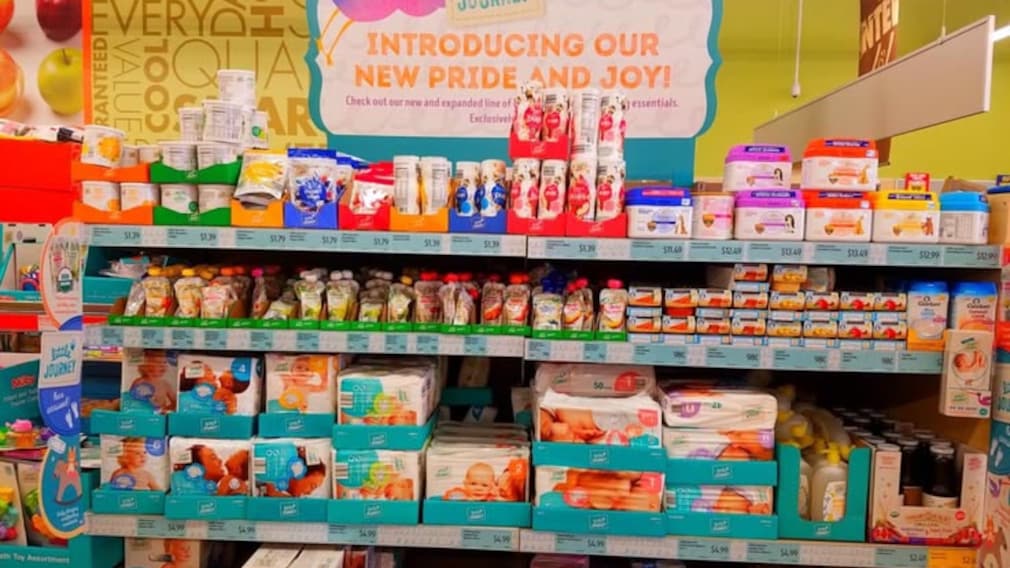
Health is wealth. But today, hygiene is how you protect that wealth every single day.
Earlier, Indians used to buy soap, diapers, and sanitary products without thinking twice. Most affordable option on the shelf. Job done.
Today, a mother checks the label before she buys a diaper. A working woman compares three brands of sanitary pads before choosing one. A family researches adult care products the way they'd research a health insurance plan.
This market shift is not small -- the valuation of India's hygiene segment is estimated to be $20 billion, as per industry experts. It is one of the fastest-growing segments in India's $230 billion FMCG (fast-moving consumer goods) market.
"Consumers today don't see hygiene as a purchase. They see it as protection," says Vijay Chaudhary, Founder & CEO, Lakons. "That mindset shift is the single biggest reason this category is growing the way it is."
The Pandemic Started It. But It Didn't Stop There
Everyone remembers 2020. Sanitisers everywhere. Masks. Disinfectant sprays on every counter.
But here's the part people miss: that habit never really went away. It evolved.
People stopped thinking of hygiene as an emergency response. They started thinking of it as daily insurance against illness.
The World Health Organisation backs this up with a striking number: good hygiene practices can cut the spread of infectious disease by up to 40 per cent. That's not a marketing claim. That's science.
And Indian consumers have taken note. They read labels now. They look for dermatologist approval. They search for clinical validation before they buy.
"People are willing to pay more, but only if the product earns their trust first," says Chaudhary. "Price used to be the deciding factor. Now it's proof."
Parents want gentler products for infants. Women want menstrual care that doesn't compromise comfort for cost. They use spray cleaners for the commode before using any public toilet. Families are spending more on adult care too -- not just functional products, but ones that offer dignity.
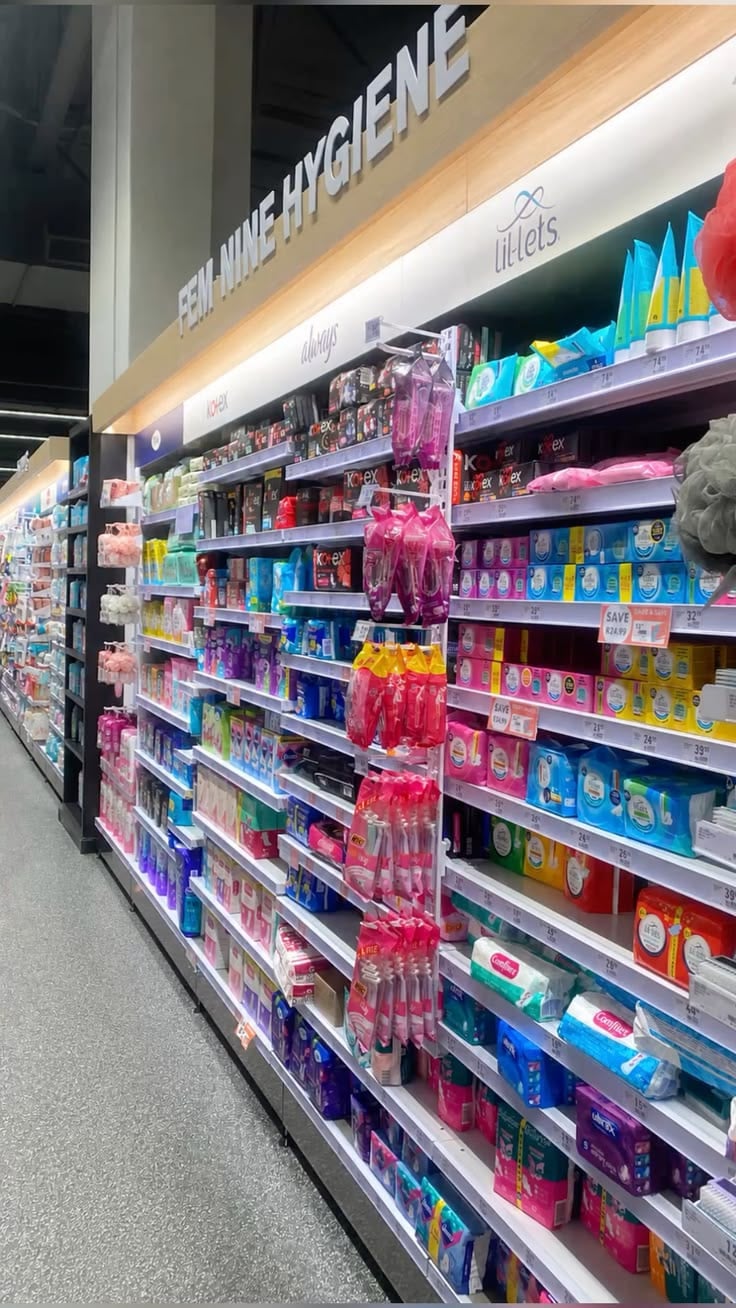
Hygiene, in other words, has quietly become preventive healthcare. This one shift -- research before purchase -- has quietly reshaped the entire industry. Cheap and functional isn't enough anymore. People want safe. They want comfortable. They want sustainable. And increasingly, they're willing to pay for all three.
"The consumer has changed faster than most brands realised," Chaudhary explains. "The ones who are winning are the ones who treated hygiene like healthcare from day one - not the ones who treated it like a commodity."
The numbers back the trend too. India sees roughly 25 million births every year -- a huge, steady engine for baby-care demand. Meanwhile, the elderly population is projected to cross 190 million by 2031, opening up massive room for adult-care products.
Add to that a rising share of urban women in the workforce -- now 25 to 30 per cent -- and you get a growing appetite for hygiene products that are fast, reliable, and stress-free. Put it all together, and hygiene has stopped being a boring shelf category. It's become a value-driven part of everyday healthcare.
What Happens Next
So where does this go from here?
Competition is heating up. And in a crowded market, innovation is what will separate the winners from everyone else. Not marketing budgets. Not shelf space. Actual research. Actual safety. Actual transparency.
"Consumers can tell the difference between a brand that invests in real science and one that just repackages the same formula with a new label," says Chaudhary. "That gap is only going to get more visible."
This is exactly where Indian manufacturers have a real opportunity. Homegrown brands that combine affordability with genuine innovation could compete globally -- not just locally.
But there's still a long way to go. Nearly 65 per cent of India lives in rural areas, and organised hygiene products have barely scratched the surface there. The brands that figure out how to reach Tier II, Tier III, and rural India -- with the right pricing and the right education -- stand to unlock millions of first-time buyers.
"Rural India isn't a smaller version of urban India," Chaudhary notes. "It's a completely different opportunity, and it needs a completely different approach - starting with trust and education, not just distribution."
-
Opinion | Pakistan's Kashmir 'Story' Is Now Collapsing Under The Weight Of Its Own Contradictions

Pakistan spent decades internationalising the Kashmir issue. With the PoK uprising, that has come back not only to bite it, but to expose its false narratives
-
Opinion | 86 Votes, 1 Warning: Is India Turning Into Collateral Damage In US' War On Russia?
Washington wants to sever Russian energy income, but India could end up paying the price for it
-
Opinion | Saudi Arabia Has Money, Missiles, And America. Why Is It Still So Scared?
What the NATO-like pact essentially points to, under its modest packaging of 'Islamic brotherhood', are growing fears of the Saudi Kingdom.
-
Learning Is Free Online, So Why Are Parents Paying Lakhs For Education?
Homeschooling is likely to grow in urban India, particularly among families frustrated with rote learning, school pressure and the race for marks.
-
Opinion | Age Of The Pink Slip: India's Brutal IT Layoffs Are No Longer About Cost-Cutting
The four biggest IT firms, TCS, Infosys, HCLTech, and Wipro, removed a net 9,100 people in the April-June quarter this year. A year earlier, in the same quarter, they had added 22,622.
-
Opinion | From Punjab To Karnataka, Congress Just Can't Stop Hitting Self-Goals
Congress leaders often speak as though anti-incumbency is a natural resource that will eventually flow towards them. But it doesn't.
-
NDTV Exclusive - Inside Meta's Child Safety: Current Systems Miss Nuance, New AI Under Test
The tech giant disclosed that it is developing a new generation of AI models to strengthen enforcement against child sexual exploitation on Facebook and Instagram.
-
Opinion | The Story Of 'SH-15', Pakistan's New Chinese Guns, Now Along India's Borders
Pakistan has reportedly deployed nearly 250 Chinese-made SH-15 wheeled self-propelled howitzers along sectors facing India.
-
Explained: Why Meta Is Under Fire Over Child Sexual Abuse Content
Meta chief Mark Zuckerberg apologised to the Indian government over child sexual abuse material, deepfake content and operational lapses. Here's what triggered the controversy and why it could reshape the debate over platform accountability and 'safe harbour' protections in India.