Zohran Mamdani And Record-High 'Samosa Caucus': Indian-Americans In US Politics
At 34, Zohran Mamdani becomes the youngest mayor of New York - and the newest face of an Indian-American community that has seen a five-fold rise in elected officeholders in just 12 years.
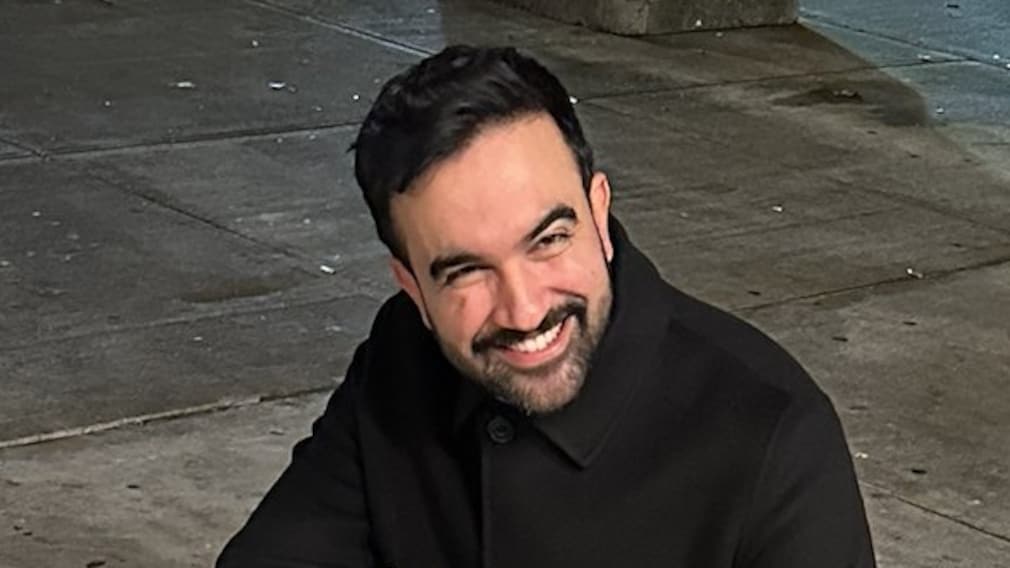
Zohran Mamdani – an American, an Indian, and a Muslim – made history Tuesday.
And, at 34, the newly-elected Mayor of New York – one of the wealthiest and most iconic cities in the world – is the youngest member of a growing and increasingly influential Indian-American community to hold elected office in the United States, whether at state or federal levels.
A little over a decade ago, there were fewer than half-a-dozen names on that list.
Today there are nearly 60, counting down from the 'samosa caucus' – the informal name for a group of six lawmakers in the US House of Representatives who share Indian heritage – and not including federal appointees like Vivek Ramaswamy and FBI Director Kash Patel.
The upward trend started in 2013 with the election of Democrat Amerish 'Ami' Bera from California.
He wasn't the first, though. The first was Dalip Singh Saund, from California in 1957, and Bobby Jindal, from Louisiana in 2005. But Bera's election seemed to get the ball rolling.
In 2015 the number doubled; Ro Khanna, also a Dem from California, joined him.
Two years later Raja Krishnamoorthi, an Illinois Democrat, made three. By 2020 there were five; Pramila Jaypal and Shri Thanedar, Democrats too, were elected from Washington and Michigan.
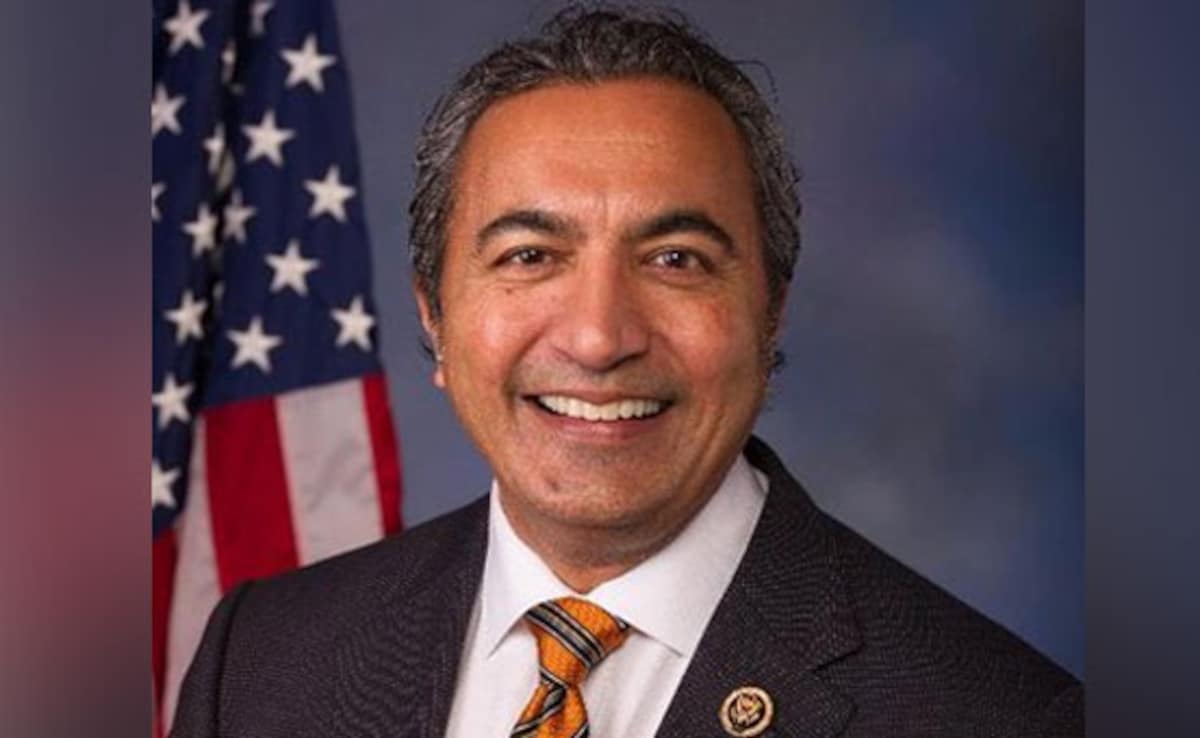
Ami Bera was the third Indian-American elected to the House (File).
And on January 1, 2026, concurrent with Mamdani assuming office, Democrat Suhas Subramanyam will follow two terms in the Virginia legislature with his debut in the House.
He will become the sixth (and record-breaking) member of the 'samosa caucus'.
That is a staggering 500 per cent increase in 12 years.
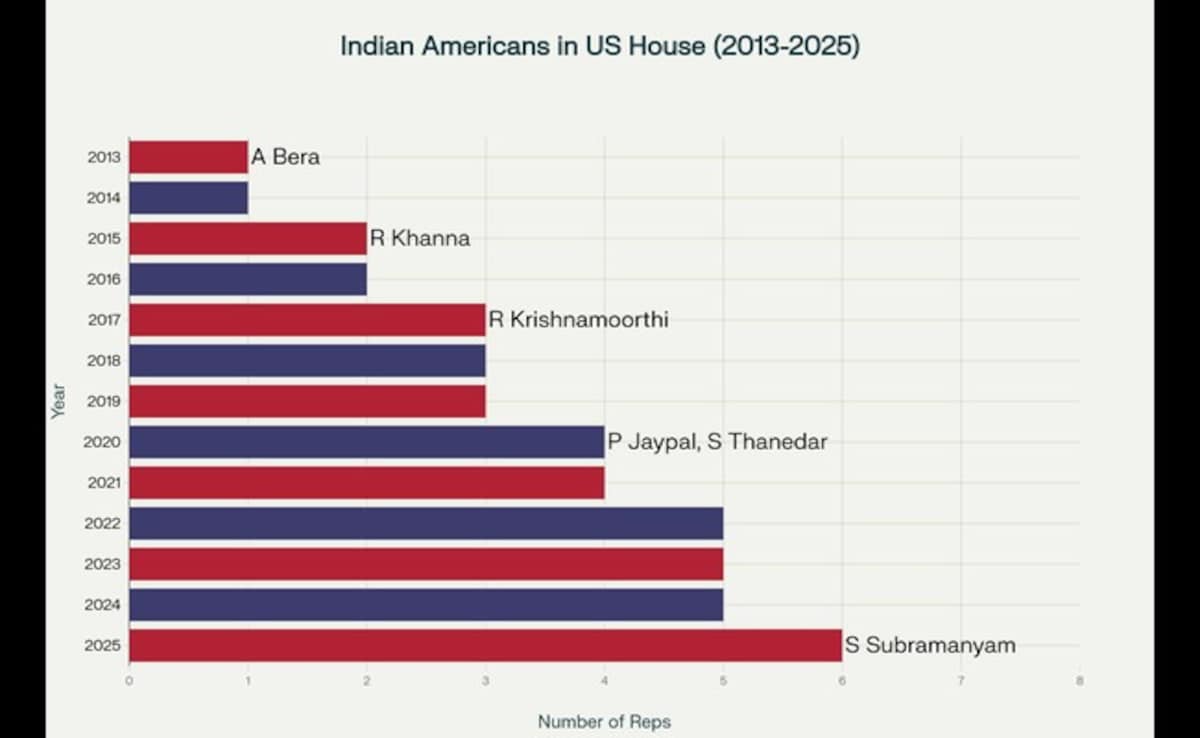
Indian-Americans in the House, starting with Bera in 2013.
And it doesn't include names like Kamala Harris and Bobby Jindal, who have Indian roots or heritage but choose not to include that part of themselves in their political identities.
Also, that isn't the only staggering number.
Reports suggest that between 2013 and 2025 the number of Indian-Americans in state legislatures jumped by 400 per cent; from fewer than 10 in 2013 to nearly 50 today.
That list includes Ghazala Hashmi, an Indian-origin Democrat elected today as the Lieutenant-Governor of Virginia. She is already the first Muslim and first South Asian in the state Senate.
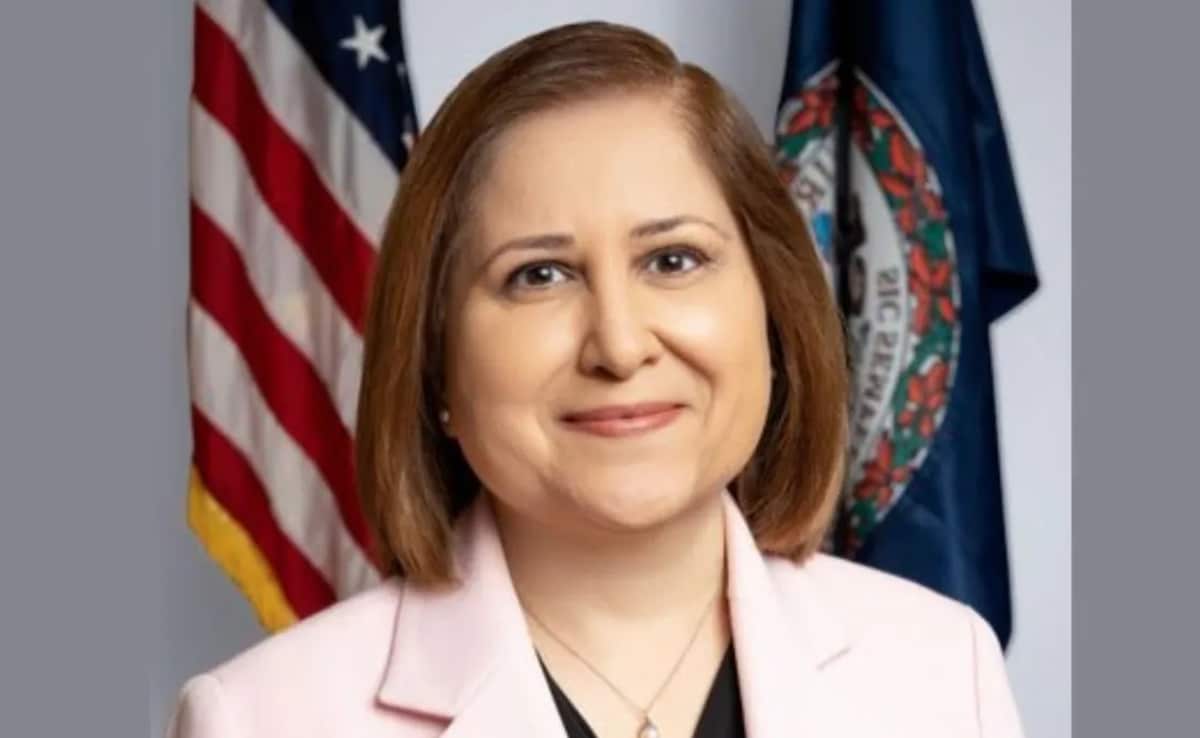
Ghazala Hashmi was borrn to Zia Hashmi and Tanveer Hashmi in Hyderabad in 1964.
Alongside Mamdani and Hashmi, there were at least two other Indian-Americans in electoral races in the US Monday. One was Satish Garimella, running for Mayor of Morrisville in North Carolina, and the other was Dini Ajmani, bidding to replace Ravi Bhalla, another Indian-American, as Mayor of Hoboken in New Jersey. Bhalla is running for the state legislature.
At the time of publication, Garimella and Ajmani's results had not been confirmed.
Unsurprisingly, states with sizeable Indian-American populations, like New Jersey, California, Texas, Illinois, and New York, have significant representation from that community.
And then there are Indian-Americans appointed to senior federal posts.
By some counts that number is over 130 as of November 2025, with the majority of those appointments made during the preceding Joe Biden administration.
Why is this important?
A stronger political voice is significant given the range of issues that affect the community, particularly with the Donald Trump administration tightening visa rules for skilled immigrant workers and international students, groups India contributes to in large numbers.
More Indian-Americans in elected offices in the US doesn't automatically mean visas will be easier to come by or fewer incidents of racism, but it does mean the community has more influence over policy-making at all levels of the American government.
The addition of political clout to the community's deep pockets – Indian-Americans have always been a critical source of campaign funding for both Democrats and Republicans – is also significant given the long-pending trade deal being negotiated between the two countries.
Really, any US policy decision, foreign, economic, or defence, that affects India and Indian interests can be viewed, and is viewed in India, through the prism of Indian-Americans in that country's politics, and the success of that community is followed closely in this country.
The celebration around Kamala Harris becoming Vice President is a classic example.
RECAP | "Lot Of Firsts At Major Time In US History": Kamala Harris' Uncle On Win
The next chapter in this story, though, is critical, both from Indian and US perspectives.
For the US, the focus will be on how an increasingly diverse set of elected representatives governs and what those mixed heritages and religious identities mean in practice. Affordable housing and free childcare in New York, for example, were platforms on which Mamdani ran.
How much can he deliver on those promises?
What about the Trump administration's immigration 'reforms'? How much pressure can Indian-American (or the larger South Asian) lawmakers, put on Washington on this topic?
For India, beyond the prestige and cultural visibility, the question is – can this growing cohort help shape policies that are truly open to partnership, people, and trade — not by obligation, but because the interests of the world's two largest democracies are increasingly converging.
NDTV is now available on WhatsApp channels. Click on the link to get all the latest updates from NDTV on your chat.
-
Opinion | The AI Boom Has Run Into A Big 'Debt' Trap Problem. Inside The 5% Danger Line

For most of the AI buildout's first two years, hyperscalers funded it the easy way: out of operating cash flow. That era is over.
-
Opinion | Iran To Saudi, Pakistan Is Now Fast Running Out Of Sides To Play
Pakistan's long history of playing all parties to its own benefit may have reached the end of its road.
-
Gyanesh Kumar Has An Immunity Pin. Why A Petition Says He Can't Use It
The Opposition wants the Chief Election Commissioner prosecuted for alleged manipulation of voter rolls, but a 2023 law stands in the way. A petition in the Supreme Court now says the law has a gap.
-
Opinion | Is The World Staring At A Big Stock Market Crash - And Recession? 5 Uneasy Signs
On Wednesday, the US bond market recorded its worst day since Trump's "Liberation Day" tariffs rattled markets in April 2025. The 30-year US Treasury yield topped 5.43%, putting it on track for its highest close since 2004.
-
Form 6 For New Voters: When A Small Change Triggered A Big Row
In July 2026, the online version of Form 6 on the ECI's ECINet portal was modified to include a new declaration.
-
Opinion | Saudi Arabia's China Turn Has Begun - After Learning Much The Hard Way
Leaning on China just makes sense for the Saudis right now. The question is, can its other great 'ally' stomach it?
-
Opinion | Bihar Assault, Hisar Marriage Ban: Who'll Stop The Guardians Of Indian 'Culture'?
Why exactly does the sight of a young couple seeking a bit of alone time somewhere tend to particularly provoke a certain kind of Indian men?
-
Opinion | The Trump-Xi Summit, And India's Many Worries Of Its Own
Washington and Beijing may have chosen coexistence over confrontation. For India, that could be both a relief and a warning.
-
Opinion | China Claims It Has Cut Troops At The Indian Border. But The Math Doesn't Add Up
The reduction likely has more to do with the deployment along the LAC than the total strength active in the region