- The US has extended support to Saudi Arabia for military action against Iran-backed Houthis in Yemen
- Saudi Crown Prince MBS sought US backing over concerns of broader conflict with Iran and Houthis
- Houthi missile attacks on Saudi Arabia followed Saudi bombing of Sanaa airport, escalating tensions
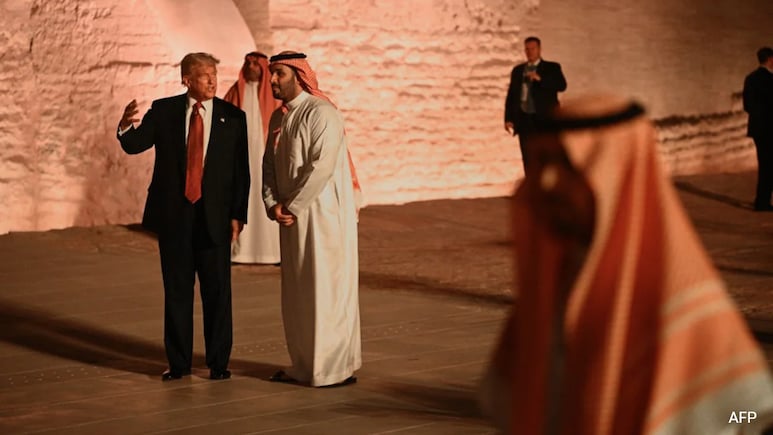
The United States has reportedly extended its support to Saudi Arabia for a highly unusual military action against the Iran-backed Houthi rebels in Yemen. The backing came last week after Saudi Crown Prince Mohammed Bin Salman (MBS) told US President Donald Trump that it was concerned that the kingdom's renewed tensions with the Houthis could broaden the war between the US and Iran and asked for support for possible strikes against the Iranian-backed rebels, Axios reported, quoting US officials.
The development came as the Houthi movement, which controls northern Yemen, fired missiles at Saudi Arabia after accusing the kingdom of bombing an airport under their control on Monday. The Houthi strikes were the most serious cross-border escalation since 2022, breaking a four-year truce in the conflict between the kingdom and the Iran-aligned group.
US' Backing
But according to US media reports, the momentum for the Saudi action started last Thursday when the kingdom's ambassador to Washington met with Secretary of State Marco Rubio. A day later, Rubio discussed the matter with Saudi Foreign Minister Prince Faisal bin Farhan.
On Friday, when the Saudi crown prince and Trump got on a call, MBS asked the US leader for his support for the military action against the Houthis and received it, an official told Axios.
So far, neither Riyadh nor Washington has officially commented on the matter.
MBS's Concern
But the mere fact that MBS notified Trump in advance about the Saudi strike on Sanaa airport and asked for his backing signals the kingdom's concern that any larger conflict with the Houthis could require US military and diplomatic backing.
Conflict with Houthis threatened renewed conflict on Saudi Arabia's southern border after Iranian drone and missile attacks targeting its eastern regions and Riyadh subsided following an April truce in the Iranian conflict.
The country's size relative to other much smaller Gulf states meant it fared better during the war, continuing to export oil via a pipeline from the east to its west coast on the Red Sea, bypassing the Strait of Hormuz. A wider conflict with the Houthis, who have in the past targeted Red Sea shipping, could challenge that.
Saudi-Houthi Clashes
The clash between the Houthis and Saudi Arabia started around 10 days ago when a commercial plane from Iran landed in Sanaa to pick up a Houthi delegation for the funeral of former Iranian supreme leader Ali Khamenei. The landing of the Iranian plane in Yemen was a rare occurrence, as Saudi has blocked the air movement between the two nations, fearing they would be used to transfer weapons or Iranian military advisers to the Houthis.
The Houthis have alleged that Saudi fighter jets tried to prevent the Iranian plane's landing, following which the US rebel group threatened to attack Saudi airports if that happened again.
But on Monday, when the Iranian flight returned with the Houthi delegation, the Saudi military bombed the Sanaa airport. The plane had to be diverted to Al Hudaydah on the coast of the Red Sea.
The Houthis then retaliated by targeting the international airport in Saudi Arabia's Abha, the capital of a mountainous southern region bordering Yemen where many Saudis escape the summer heat.
Track Latest News Live on NDTV.com and get news updates from India and around the world


