Soviet Union, US Coalition, And Now Pakistan: Afghan Military's New Test
Pakistan would have the upperhand in a short, conventional war. But if history is any indicator, Afghanistan can bleed Pakistan in a prolonged guerrilla warfare condition
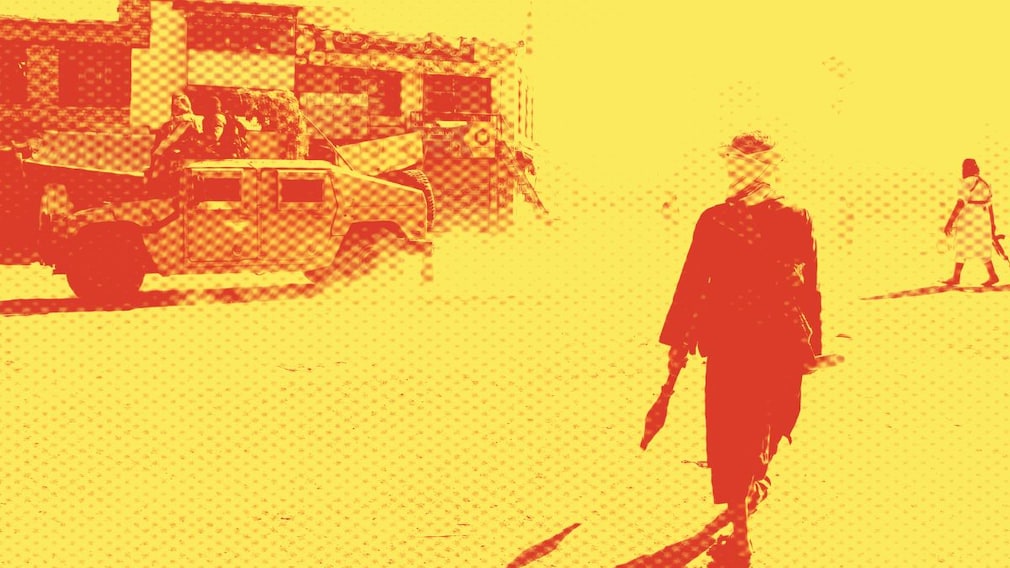
The Pakistani Air Force (PAF) just bombed several cities in a neighbouring country which was once described by much stronger forces as a place where there were only rocks and mountains.
The Soviet Union following a decade-long war in Afghanistan left the harsh, mountainous nation just a couple of years before it disintegrated and modern Russia emerged.
The US led a coalition in its post-September 11 War on Terror campaign in Afghanistan for nearly 20 years. After the western forces left, the Taliban rolled into the capital Kabul.
The world's biggest militaries have experienced how it was like to fight in Afghanistan. Today, Pakistan has declared an open war on its neighbour where predictability is a mirage, with armed ethnic groups having strong influence in different regions and strongholds consider themselves the absolute best fighters.
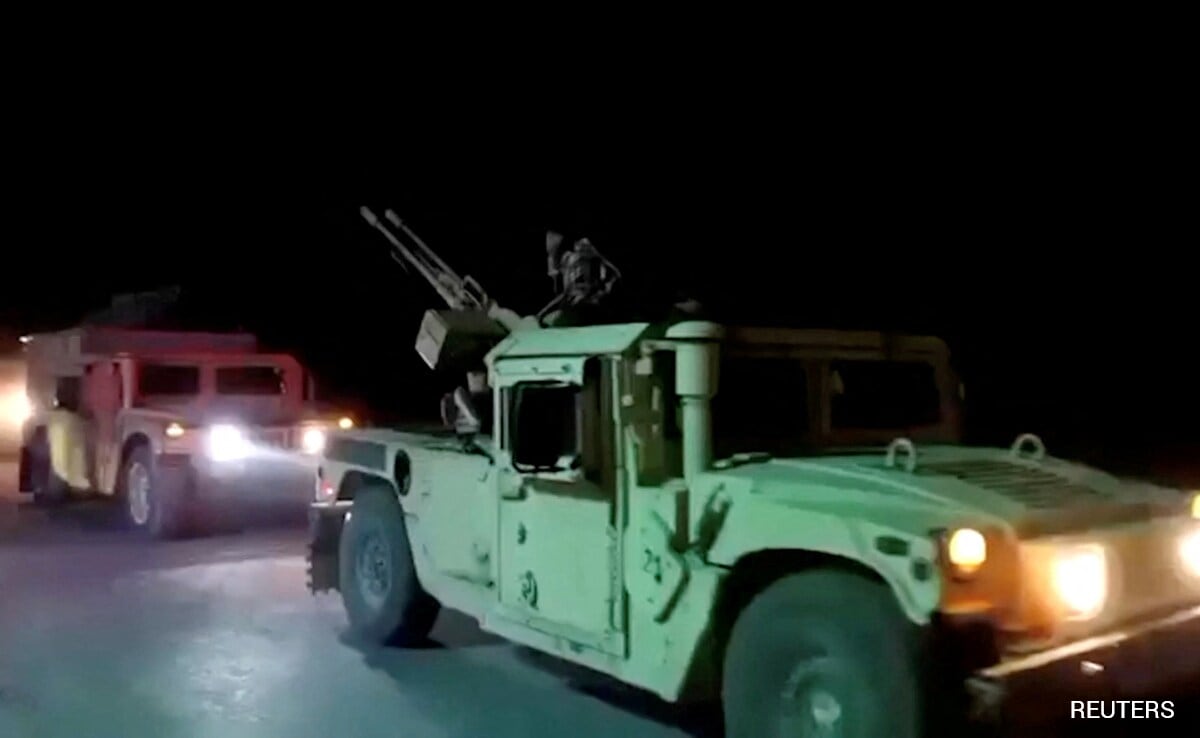
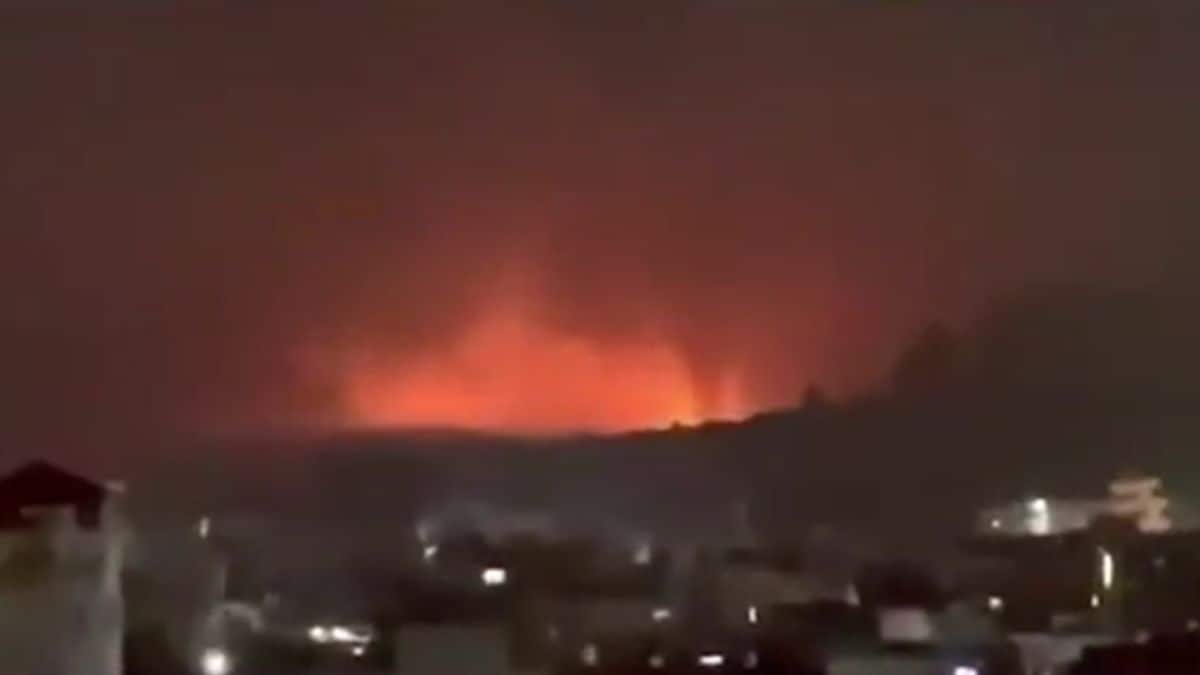
We look at how Pakistan's military stack up against Afghanistan's forces, amid escalation of hostilities including PAF strikes on Kabul and other Afghan cities.
Pakistan comes at 14th rank out of 145 in Global Military Ranking, according to military data analysis website globalfirepower.
Afghanistan, however, sits at 121st rank out of 145. The Afghan forces, or Taliban, depend a lot on military hardware and equipment left behind by American forces. There is little to no modernisation.
Pakistan's military enjoys good recruitment and retention, boosted by equipment from its main defence partner, China. Islamabad has been investing in its military nuclear programmes and modernising its navy and air force.
The capability of the Afghan Taliban's armed forces is declining, with a fall in their ability to use foreign equipment that they seized after returning to power in 2021. A lack of international recognition for the Afghan Taliban administration hurts its military modernisation plans.
Active Personnel
Pakistan has 6.6 lakh active personnel in its defence forces; 5.6 lakh are in the army, 70,000 are in the air force, and 30,000 in the navy.
The Afghan military is much smaller, with only 1.72 lakh active personnel, though it is looking to take this number to two lakh.
Pakistan has over 6,000 armoured fighting vehicles (AFVs), and over 4,600 pieces of artillery.
The Afghan forces too use AFVs, including Soviet-era main battle tanks, armoured personnel carriers and autonomous underwater vehicles, but their exact number is unknown. The precise number of artillery they have, which is of at least three different types, is similarly not known.
Pakistan's Air Force has 465 combat aircraft, and more than 260 helicopters that include multi-role, attack and transport choppers.
Afghanistan has no fighter jets and no real air force to speak of, though it keeps at least six aircraft - some of them dating back, again, to the Soviet era - and 23 helicopters, although it is not possible to assess how many are in flying condition.
This means Pakistan can dominate the skies over Afghanistan easily, unless the Afghans get help from outside with modern anti-aircraft weapons. For example, the US gave the shoulder-fired Stinger anti-aircraft missile to the Taliban, which forced the then Soviet Union to change its entire helicopter assault strategy.
The biggest difference is that Pakistan is a nuclear-armed country and has 170 warheads, while Afghanistan does not have a nuclear arsenal.
Where the Afghan forces would score high would be in guerilla warfare, having experienced it for decades against both the US and the then Soviet Union. The Afghan forces also enjoy strong terrain advantage where they can hide, run and ambush.
Pakistan may face a huge problem if it decides to go all out in a campaign in Afghanistan. Such a prolonged war would trigger Afghanistan's irregular warfare expertise and give a lot of trouble to Pakistan's forces.
Pakistan would have the upperhand in a short, conventional war. But if history is any indicator, Afghanistan can bleed Pakistan in a prolonged guerrilla warfare condition.
-
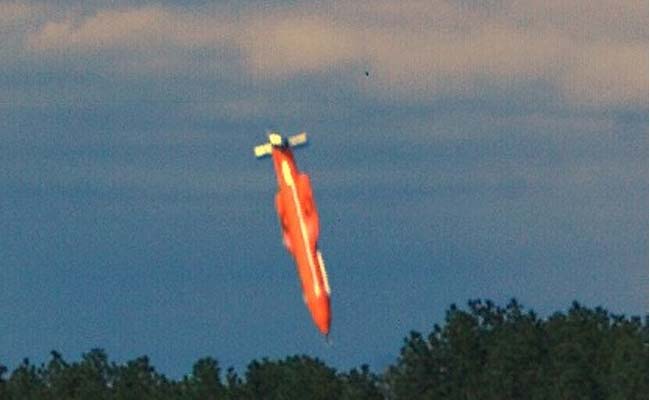
Opinion | The Last Bet? What Trump's 'Mother Of All Bombs' Could Actually Do To Iran

Can an MOAB deliver a decisive blow to Iran that may force it to surrender immediately, as Japan did after Hiroshima and Nagasaki in World War 2?
-
Hit Songs, Empty Pockets: The Hidden Math Behind India's Viral Music Boom
Over 80,000 brands and five lakh creators in India make branded content. The opportunity is worth around Rs 1,500 crore.
-
Opinion | Great 'Exceptions': How The Oil India Was Attacked For Is The Oil Trump Now Seeks
A law written to punish the buyers of Russian oil was suspended by the US to protect a purchase of Russian oil. India spent fourteen months being lectured for less.
-
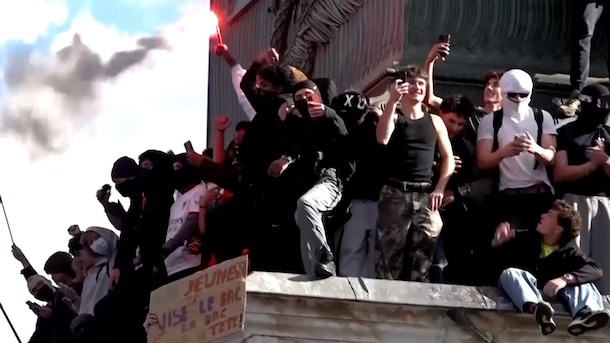
Opinion | Louis Vuitton Loot, Torched Cars: France Protests Have An Unlikely Beneficiary
It's an unbelievable moment. Crowds looting the most exclusive stores in Paris, including the famed Luis Vuitton. But what's behind this meltdown?
-
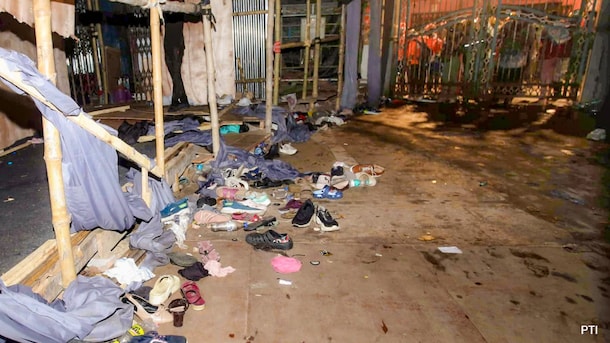
Blog: Kolkata Didn't Learn From 2015. Eleven Years Later, It Proved To Be Fatal
The City of Joy isn't a stranger to crowd control. Be it during Pujo or Christmas at Park Street, Eden Gardens cricket matches, or Derbies between Mohun Bagan and East Bengal. But during Pujo, the entire city is on alert.
-
Opinion | Slurs, Threats, Now A Temple Attack Plot: When Did America Become So Hostile To Indians?
The rising tide of anti-India, anti-Hindu, and racist attacks serves as a stark reminder that economic prosperity does not automatically guarantee social immunity from bigotry.
-
A Step Behind Neha Bora: What Rahul Gandhi's Gesture Says About Congress' Gen-Z Pitch
At INDIA bloc's march to Supreme Court, Rahul Gandhi placed himself a step behind two women, hands resting on their shoulders. One was his sister Priyanka. The one on his right was Neha Bora. Here's what the image means for the protest wave now, and for Rahul's politics in general.
-
Opinion | Imran Khan, And The Perils Of Having An 'Opinion' In Bollywood
The reality of the industry is quite grimy. More often than not, its inhabitants have been fairweather friends, happy to sing the praises of whoever is in a position of authority.
-
Exclusive: India's Food Safety Problem Goes Beyond Just Dirty Kitchens - By Tukaram Mundhe
On World Food Day, Maharashtra's Commissioner of Food Safety explains why instead of taking stopgap measures, the entire supply chain in India needs to be held accountable and made transparent.
-
Opinion | India Has Enough Coal. So Why Are Power Plants Running Short? A 76 Million 'Crunch'
As of October 5, as many as 82 of the 191 thermal plants monitored by the Central Electricity Authority were in the 'critical' category