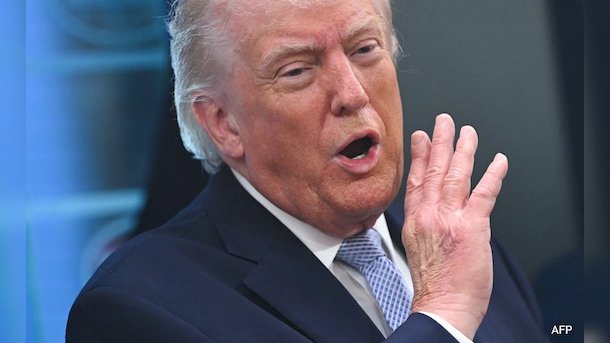
Vance Heads For A Deal Do-Over, This Time With No One Across The Table
US Vice President JD Vance - the 'good cop' to President Donald Trump's 'bad cop' - faces a 24 hour deadline in Pakistan as the Iran war ceasefire lapses April 22 but talks remain uncertain after US ship seizure.
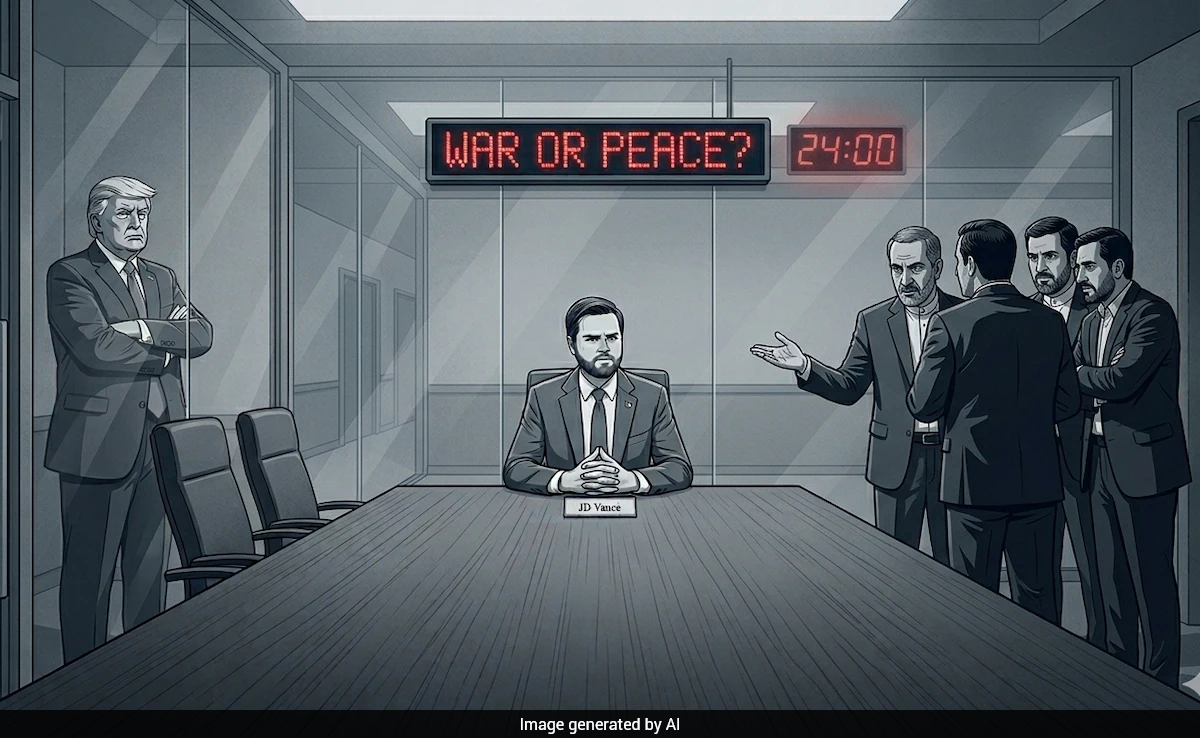
Talks or no talks? Peace or no peace? War or no war?
Nobody really knows, at this point.
The status of the US' now six-week-long war on Iran and the wider conflict in West Asia - which has killed over 5,000 people, most of whom were civilians and children, and cost an estimated $60 billion in damage so far, in addition to triggering a global energy supply crisis - remains unclear with a little over 24 hours left in the ceasefire.
A second round of talks has been scheduled in Pakistan, but the Iranians have not confirmed participation. The only thing that appears certain is the war will resume when the truce lapses.
Amidst all of this, reports have said US Vice President JD Vance will travel (or has left, according to his boss, Donald Trump) to Islamabad for another stab at negotiating an end to the fighting.
For the world, the stakes are high, perhaps higher than 10 days ago when there was lingering optimism from the ceasefire. Since then, however, there have been violations by both sides, leading to volatility in oil prices and fears of an inflationary crisis.
For Vance too, this is crunch time.
The 'good cop, bad cop' routine
Much was expected of the 41-year-old in Islamabad last time around, particularly since reports said he was specifically sought by an Iran side that viewed him as an 'anti-war moderate' figure.
Vance was widely seen as the 'good cop' to Trump's 'bad cop', the voice of reason who could soothe ruffled feathers after his boss' insults on social media, including threatening to wipe out the Iranian civilisation and calling them "crazy ba****ds".
'Shadow Broker' Vance: How Trump's Veep Delivered Iran Truce
But the talks didn't go so well; a tense 21-hour session, with American and Iranian delegations mostly in separate rooms and Pakistani and Omani officials acting as shuttles, yielded no agreement on nuclear limits, re-opening of the Strait of Hormuz, or stabilising oil flows.
As he left, Vance said the US had tabled its "best and final offer" and that Iran had failed to provide "affirmative commitment" on demands to limit, if not scrap, its nuclear programme.
Deal or no deal: Vance's job on the line?
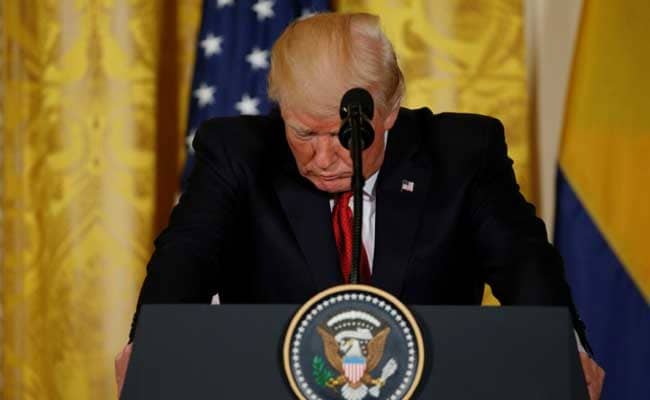
Trump is (in)famously unforgiving of aides and employees who cannot, or do not, perform as ordered, and it would have been no surprise if Vance's failure then had cost him his job.
There was, however, no blowback, at least not in public.
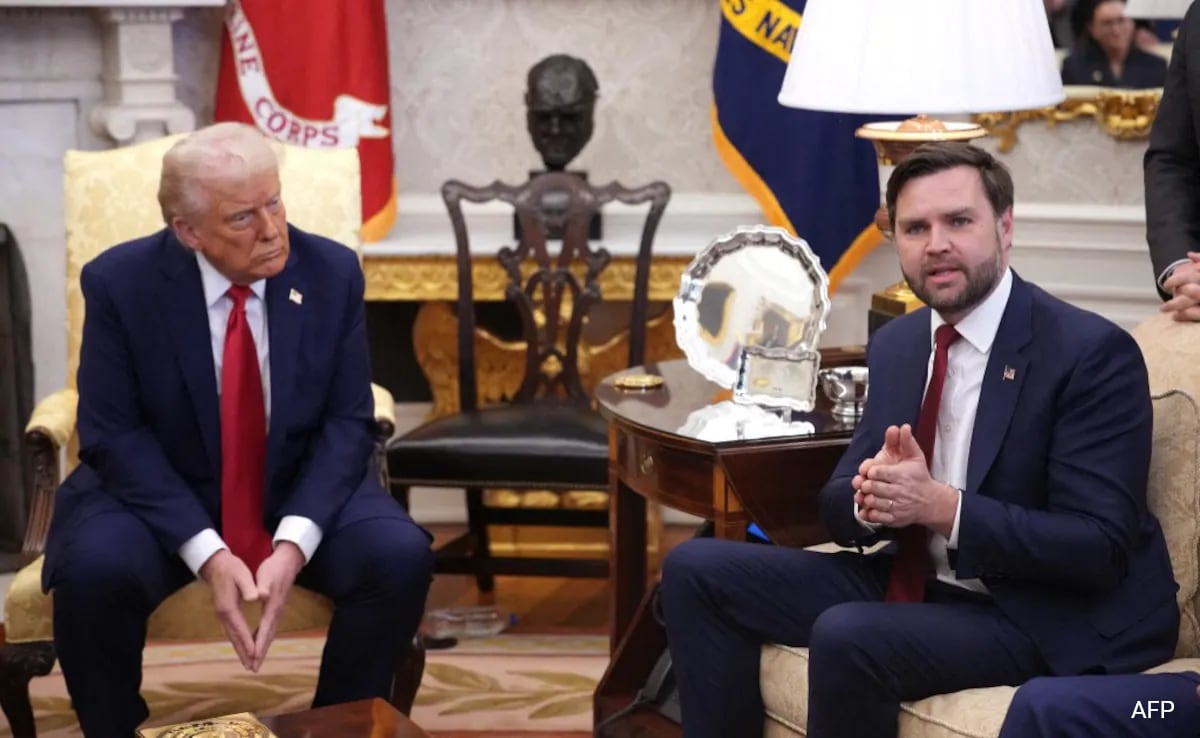
Donald Trump has deputed vice president JD Vance to lead Iran war peace talks (File)
That said, Trump will likely be less forgiving if there is still no deal after this round of talks (assuming they take place), particularly since the president is rapidly approaching the 60-day deadline that will require him to seek Congressional approval for further military action.
Vance, the 'peacemaker' president
There is another reason why securing peace could be consequential for the vice president.
Whispers Vance could be the Republican candidate for the 2028 presidential election have been gathering steam over the past few weeks, even as Trump's approval ratings take a nosedive because of a war with no apparent end in sight.
Late-March Vance topped the straw poll at this year's CPAC, or Conservative Political Action Conference, which is widely regarded as one of the more influential gatherings of its kind.
Vance picked up over 53 per cent of votes cast by 1,600+ attendees. Secretary of State Marco Rubio was second with 35 per cent.
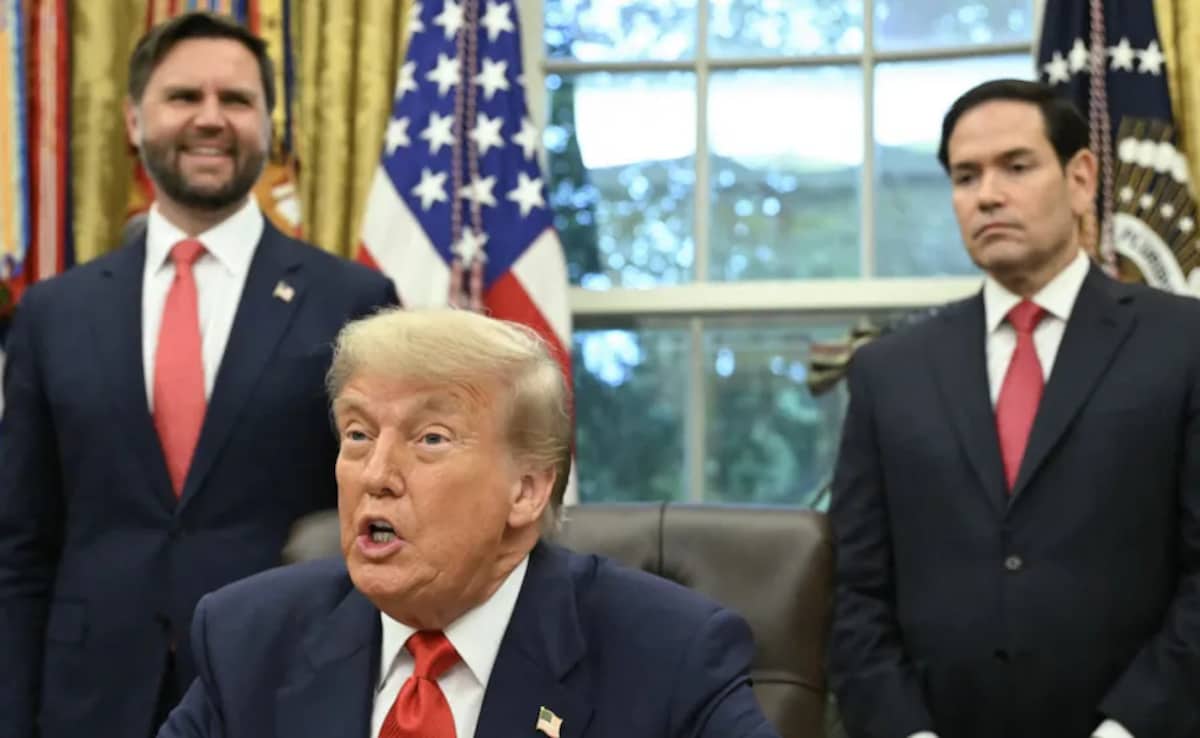
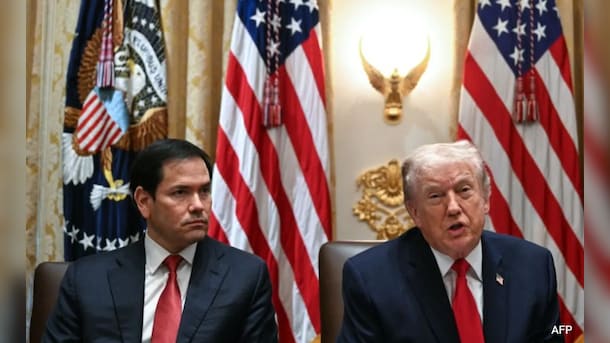
Vance and Rubio are seen as leading contenders for the Republican pick for the 2028 US election (File)
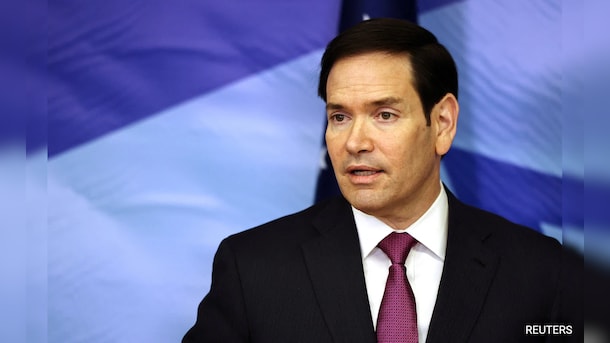
Vance and Rubio have been key figures in this war, but with different approaches. Unlike the vice president, the secretary of state has been a fierce defender of Trump's war. A hawkish Rubio has called the war essential to counter threats to the US and "a favour to the world".
Had the war been as swift as Trump claimed it would be, those numbers could have been reversed. But, as things stand, the prolonged fighting and oil crisis - which has led to average US gas prices crossing $4 a gallon - have diminished Americans' appetite for the war.
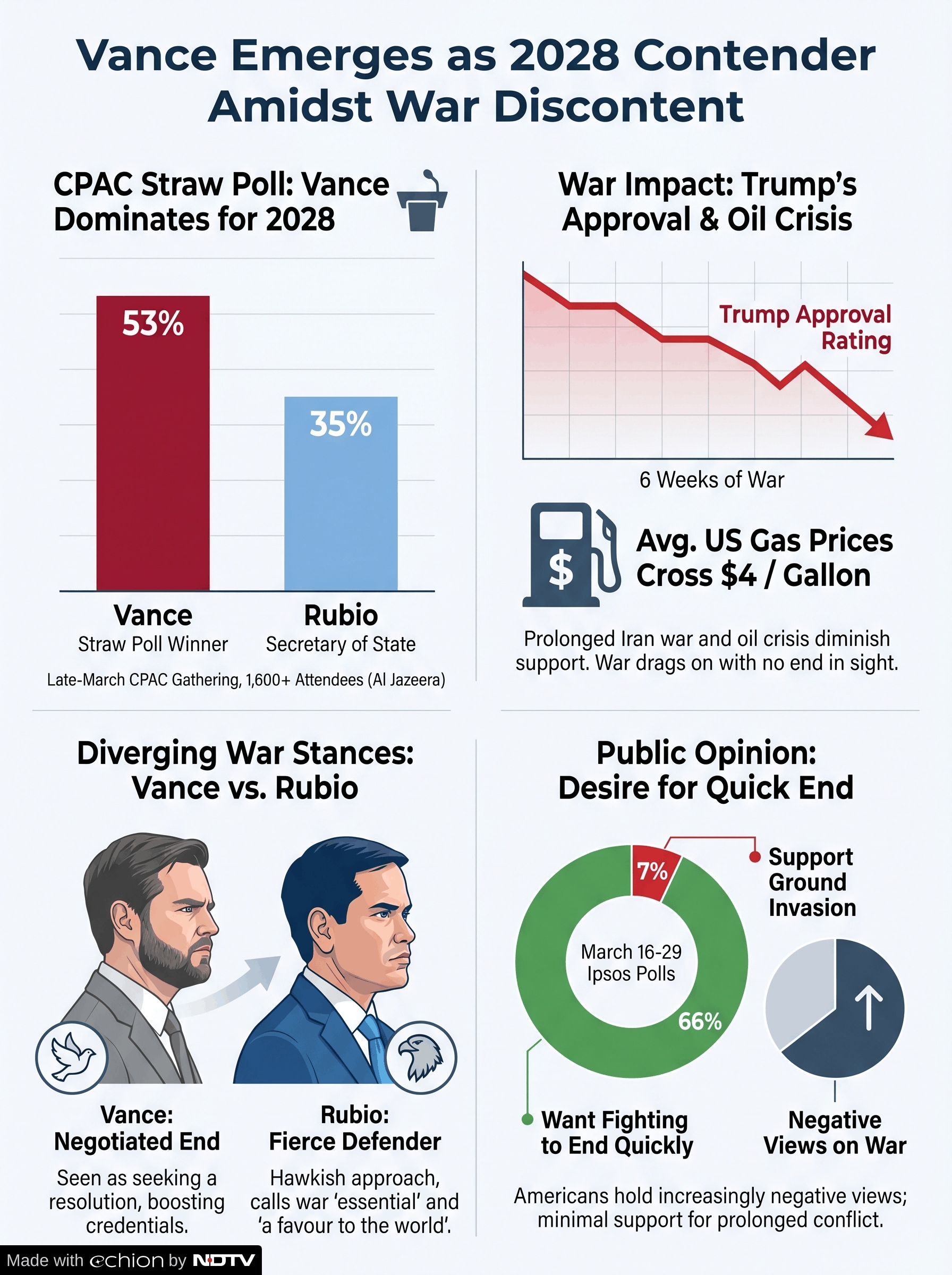
Ipsos polls between March 16 and 29 found Americans hold increasingly negative views; only seven per cent support a ground invasion that would mean the war drags on for months, and 66 per cent wanted the fighting to end quickly.
Being seen as the man who negotiated an end to the war will burnish Vance's credentials.
Will Iran come to the table?
But whether there will be an Iranian delegation to discuss terms with is less clear.
On Monday a senior Iran official told Reuters the seizure of an Iran-flagged cargo ship that tried to slip past the US' blockade of Iran's blockade of the Hormuz remained a sore point.
Trump claimed the ship, Touska, had been warned to turn back but refused to do so, and that the US Navy "stopped them right in their tracks by blowing a hole in the engine room".
Since then there have been signs of a thaw; reports said Tehran is "positively reviewing" its participation in the talks.
There is, however, no confirmation yet and the clock is ticking.
The truce ends in 24 hours, i.e., Wednesday, April 22, and it is "highly unlikely" Trump has said, it will be extended. Instead, he warned that "lots of bombs" will be dropped if no deal is reached.
That means Iran and Vance have hours left to prevent a potentially even more destructive war, one that could directly target Iranian nuclear facilities and include US boots on the ground.
-
Opinion | Jamnagar, Rubio, And Why The US Wants India To 'Obey', Not Negotiate

Marco Rubio's dash to Jamnagar was driven by Trump's hope that India could do something about the shortage of diesel that the world is experiencing and thereby help his mid-term performance. But why the punishing policies then?
-
Opinion | Why China Is Producing More, Selling Cheaper - And Still Not Getting Anywhere
More capital, more capacity, more elaborate technology, and steadily less profit to show for any of it. That's what's happening to China now.
-
Opinion | A Jolt For Trump? How The US May Be Staring At A 'Blue' Wave
Evidence now points firmly to a Democratic majority in the House. The only real surprise is the Senate
-
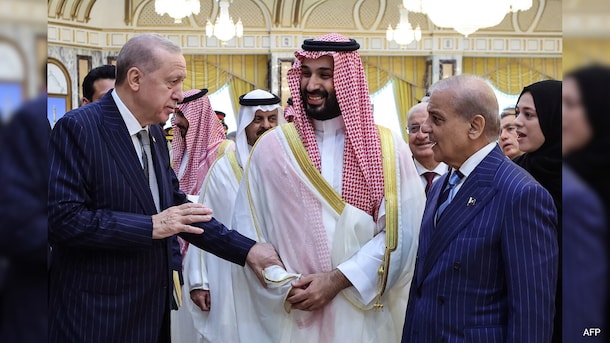
Opinion | Why The Saudi-Pak-Turkey Defence Pact May Actually Be An 'Intel' Network
Rather than a NATO-like construct, the Mecca pact may evolve to become something like the West's Five Eyes alliance.
-
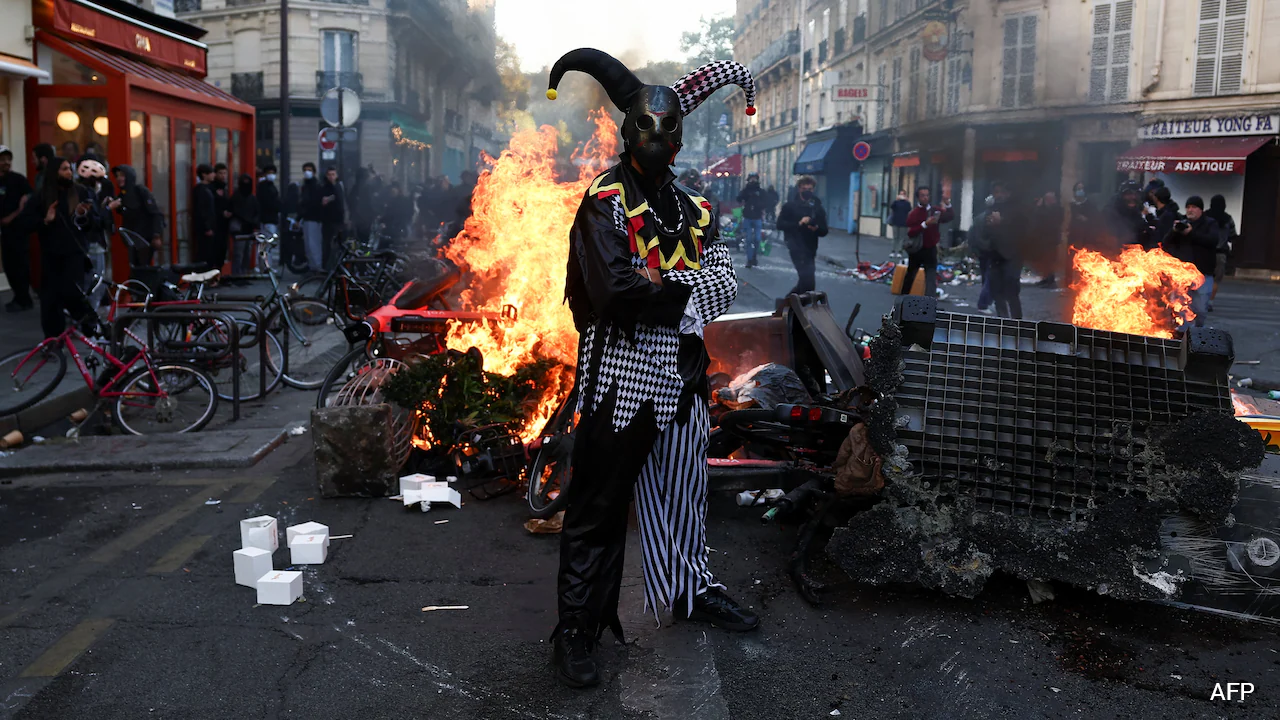
The Real Story Of France's Unrest Is Getting Lost In A Storm Of Online Lies
A man cosplaying Napoleon on the streets, looting at luxury fashion stores like Dior, France is currently confronting one of its most serious episodes of civil unrest in years.
-
Opinion | The Last Bet? What Trump's 'Mother Of All Bombs' Could Actually Do To Iran
Can an MOAB deliver a decisive blow to Iran that may force it to surrender immediately, as Japan did after Hiroshima and Nagasaki in World War 2?
-
Hit Songs, Empty Pockets: The Hidden Math Behind India's Viral Music Boom
Over 80,000 brands and five lakh creators in India make branded content. The opportunity is worth around Rs 1,500 crore.
-
Opinion | Great 'Exceptions': How The Oil India Was Attacked For Is The Oil Trump Now Seeks
A law written to punish the buyers of Russian oil was suspended by the US to protect a purchase of Russian oil. India spent fourteen months being lectured for less.
-
Opinion | Louis Vuitton Loot, Torched Cars: France Protests Have An Unlikely Beneficiary
It's an unbelievable moment. Crowds looting the most exclusive stores in Paris, including the famed Luis Vuitton. But what's behind this meltdown?