Turning The Other Cheek: While Missiles Fly, UAE's Gamble On Restraint
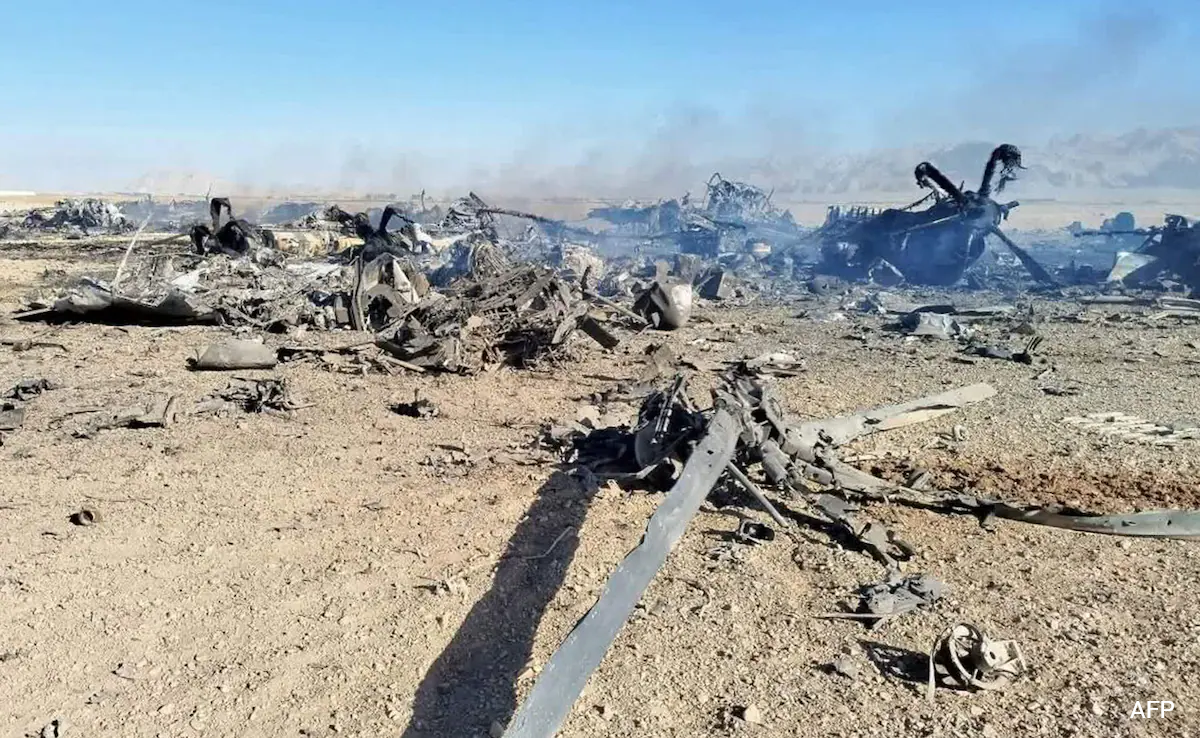
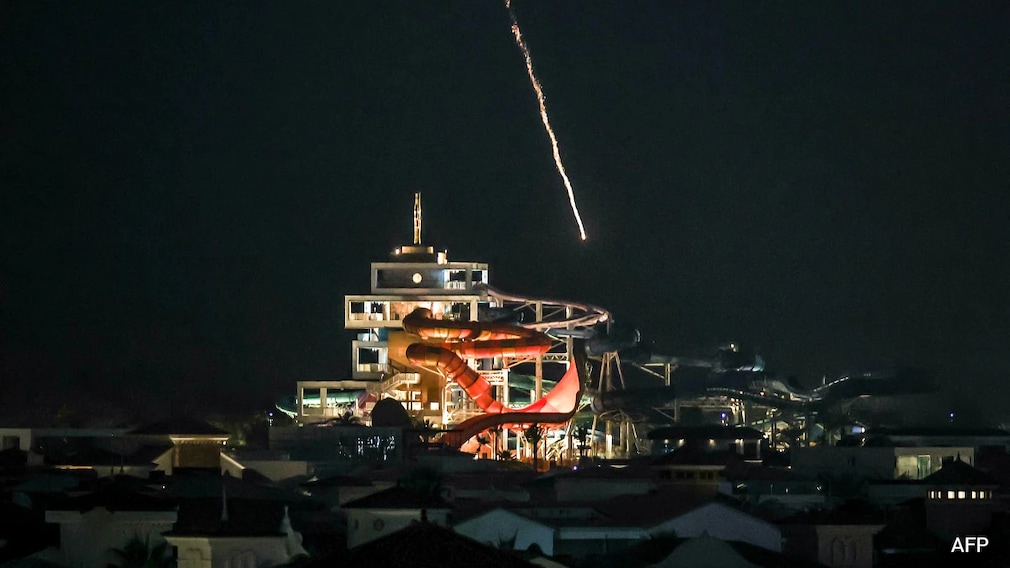
Over the past 17 days Tehran has fired around 1,600 drones, including the infamous Shahed, nearly 300 ballistic missiles, and 15 cruise missiles at military and civilian targets in the UAE.
'... if anyone slaps you on the right cheek, turn to them the other': Matthew 5:39.
Restraint, and a lot of it, has been at the core of the United Arab Emirates' reply to the barrage of drone and missile attacks by Iran since war broke in the Middle East on Feb 28. Indeed, Gulf states as a whole have displayed restraint, particularly after drones attacked Saudi Arabia's Ras Tanura oil refinery and the Kuwait airport.
The UAE, though, has borne the brunt of these attacks.
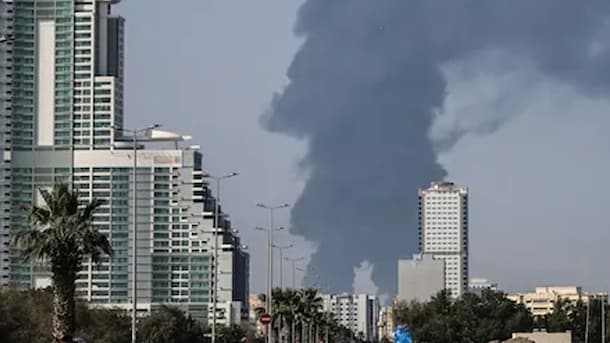
Tehran has fired 1,600 drones, including the infamous Shahed, nearly 300 ballistic missiles, and 15 cruise missiles at military and civilian targets in the UAE, costing the country billions in missile interceptors, damage to infrastructure, and a blow to its image as a high net-worth safe-haven in a militarily fragile part of the world.
Attacks on the Dubai airport - the busiest in the world - cost Emirates Airlines up to US$100 million a day in revenue; spooked markets have cost investors as much as US$5 billion; slowed shipping ops at the Jebel Ali Port cost US$500 million daily.
Six people, including foreign nationals from Pakistan, Nepal, and Bangladesh, have died so far, in unprovoked attacks that show no sign of stopping.
In response, the UAE has fired hundreds of interceptors - the American-made THAAD, among them - and boasts an impressive 90-92 per cent neutralisation rate.
It has not, however, fired a missile in an offensive capacity, though under Article 51 of the United Nations Charter - "... the inherent right of self-defence if an armed attack occurs against a Member..." - a counterattack is justified.
'Priority is reason, logic'
The UAE has said it has the right to retaliate but will "prioritise reason".
Anwar Gargash, President Sheikh Mohamed bin Zayed's diplomatic adviser, said, "The UAE has the right to self-defence in the face of this terrorist aggression... yet it continues to prioritise reason and logic, maintaining restraint and seeking an exit..."
بعد ١٩٠٩ هجوم إيراني غاشم على دولة الإمارات، يخرج السيد عباس عرقجي ليتهم الإمارات بالاعتداء على إيران، ضمن سياسة مرتبكة أخطأت العنوان وأضاعت البوصلة وغابت عنها الحكمة.
— د. أنور قرقاش (@AnwarGargash) March 14, 2026
للإمارات حق الدفاع عن النفس في مواجهة هذا العدوان الإرهابي المفروض عليها، لكنها ما زالت تُغلّب العقل والمنطق…
The bottom line is the UAE, and other Gulf states too, are hesitant about being entangled in a war started by Donald Trump, especially when the US President doesn't seem to have an exit ramp in mind.
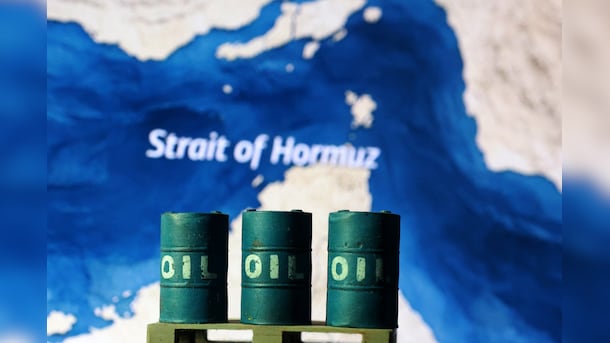
Lacking that off-ramp, it is reluctant to further risk an economy that relies heavily on tourism and exports to even more attacks. Also, war with Tehran will escalate Strait of Hormuz energy supply volatility concerns into a full-blown oil crisis.
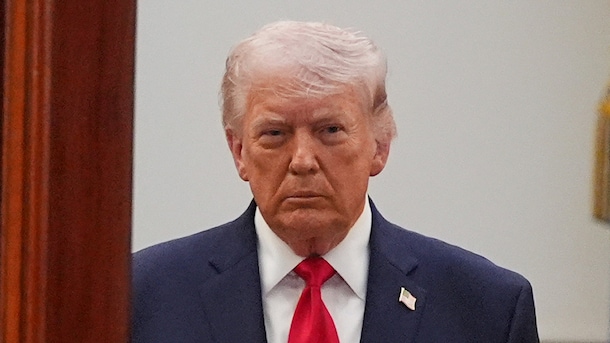
US President Donald Trump has repeatedly claimed the war is 'won'. Photo: AFP
Oil - around 3.2 to 4.1 million barrels produced per day - accounts for 30-40 per cent of its nearly US$560 billion nominal GDP and up to 60 per cent of government revenue, though it does also have a better diversified economy than its neighbours.
Protecting the population and economy is, therefore, priority one.
And a defence-only posture at this time not only allows Dubai to continue protecting its economy - dependent on oil, exports, and tourism - but also maintain diplomatic relations with Tehran and negotiate, possibly, a peaceful conclusion to the war.
A regional analyst summed this up when he told The New Arab Gulf nations' 'greatest asset is working in unison... containment through dialogue while strengthening collective defence...' That collective defence, however, is seen by some analysts as being under strain, particularly if Iran continues to target the UAE with wave after wave of drones and missiles.
Behind all of these calculations is the spectre of regime change, something the US and Israel have been vocal about but something the UAE and its neighbours view with concern. The reference points - Iraq and Afghanistan, and consequent decades of violence and waves of refugees - do not fill them with confidence about Washington's post-war blueprints.
Meanwhile, Tehran's crafty narrative-setting - accusing the UAE of allowing its territory to be used as a launchpad for US strikes - has allowed it to continue attacks by insisting it is only striking US military bases, though in practice missiles target economic and oil infrastructure.
Gargash has rubbished the claim and said the UAE would not allow this to happen, but Tehran has since ramped up its rhetoric, warning of more strikes near ports and civilian infrastructure.
But this narrative leaves the UAE in a grey zone, particularly since it, like other Gulf nations such as Qatar, Iraq, and Jordan, does host US military facilities. Indeed, many rely on benefit from that cover to pump more money into their economies.
The presence of those facilities, it could be argued, offers Tehran greater excuses to keep up its missile attacks.
The UAE's conundrum is simple.
If it does go on the offensive, Iran can claim it is defending itself against an American proxy and ramp up attacks. And if it holds back, it will continue to pay the economic and political cost of a war it did not start.
-
Blog | The Dantewada Massacre, And What India Needs To Do To Stay Maoist-Free

In 2010, I was Assistant Chief of the Air Staff controlling transport aircraft and helicopters, and on April 6 that year had to arrange An-32 aircraft to carry coffins of 75 CRPF jawans.
-
Opinion | How Iran Has Pierced The One 'Shield' That Protected America For 30 Years
In the past, US campaigns in Iraq, Afghanistan and Libya were conducted against relatively weak air defences. That has not turned out to be the case with Iran, puncturing the long-held myth of America's 'indomitable' air power.
-
Opinion | The Quiet 'Upheaval' Within US Military Over The Iran War
General Randy George's ouster carries echoes of a similar episode in 2003, in the run-up to the Iraq war. But much more is happening within the US military, courtesy Hegseth.
-
How Iran Sucker-Punched Trump Into 'Escalation Trap' 'Hellhole'
Trump is now under pressure, not just from allies but also within; the President's approval rating is the lowest it has ever been with mid-term elections in November.
-
Eagle Down: How US Carried Out Precision Search And Rescue Op In Hostile Iran
How the United States transformed a tactical failure into a narrative of national resolve.
-
Opinion | 450 Missile, 2,000 Drone Attacks Later, Why Is UAE Still Not Fighting Iran?
The UAE is Iran's second-largest trading partner and also home to roughly half a million Iranians. Why, then, has it absorbed more fire than any other Gulf state?
-
In Numbers: How Has India Kept Fuel Prices Low Even As Europe Sees 70% Spikes?
India imports 88% of its crude. Why then is it not seeing massive price hikes for fuel and LPG? Inside the unique strategy it's following...
-
Opinion | India Just Decided To Let Chinese Capital In Again. But There's A Catch
In March 2026, India eased regulations that had restricted Chinese capital in local companies, in a development that marks New Delhi's cautious approach towards capital flows from Beijing.
-
Trump's Iran 'Knocked Out' Claim Blown Up By US Intel On Missiles, Drones
Donald Trump claimed this week the war would end in two to three weeks as he threatened to send Iran back to the Dark Ages. But based on these reports the fighting is far from over, even if US President wants to push a contrary narrative.
-
Opinion | Rs 30 Petrol Hike To Currency Crisis, What Oil At $150 Can Really Do To The World
At $125 per barrel, petrol and diesel retail prices will need to rise by Rs 8-14 per litre. At $150 - which experts think is now likely - these figures could touch Rs 26-30 per litre.