Turning The Other Cheek: While Missiles Fly, UAE's Gamble On Restraint
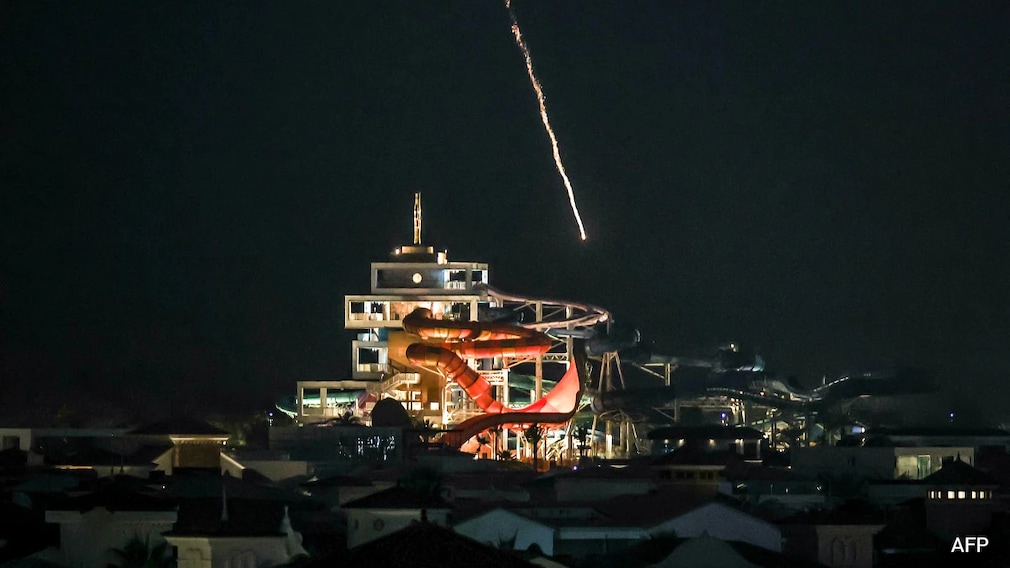
Over the past 17 days Tehran has fired around 1,600 drones, including the infamous Shahed, nearly 300 ballistic missiles, and 15 cruise missiles at military and civilian targets in the UAE.
'... if anyone slaps you on the right cheek, turn to them the other': Matthew 5:39.
Restraint, and a lot of it, has been at the core of the United Arab Emirates' reply to the barrage of drone and missile attacks by Iran since war broke in the Middle East on Feb 28. Indeed, Gulf states as a whole have displayed restraint, particularly after drones attacked Saudi Arabia's Ras Tanura oil refinery and the Kuwait airport.
The UAE, though, has borne the brunt of these attacks.
Tehran has fired 1,600 drones, including the infamous Shahed, nearly 300 ballistic missiles, and 15 cruise missiles at military and civilian targets in the UAE, costing the country billions in missile interceptors, damage to infrastructure, and a blow to its image as a high net-worth safe-haven in a militarily fragile part of the world.
Attacks on the Dubai airport - the busiest in the world - cost Emirates Airlines up to US$100 million a day in revenue; spooked markets have cost investors as much as US$5 billion; slowed shipping ops at the Jebel Ali Port cost US$500 million daily.
Six people, including foreign nationals from Pakistan, Nepal, and Bangladesh, have died so far, in unprovoked attacks that show no sign of stopping.
In response, the UAE has fired hundreds of interceptors - the American-made THAAD, among them - and boasts an impressive 90-92 per cent neutralisation rate.
It has not, however, fired a missile in an offensive capacity, though under Article 51 of the United Nations Charter - "... the inherent right of self-defence if an armed attack occurs against a Member..." - a counterattack is justified.
'Priority is reason, logic'
The UAE has said it has the right to retaliate but will "prioritise reason".
Anwar Gargash, President Sheikh Mohamed bin Zayed's diplomatic adviser, said, "The UAE has the right to self-defence in the face of this terrorist aggression... yet it continues to prioritise reason and logic, maintaining restraint and seeking an exit..."
بعد ١٩٠٩ هجوم إيراني غاشم على دولة الإمارات، يخرج السيد عباس عرقجي ليتهم الإمارات بالاعتداء على إيران، ضمن سياسة مرتبكة أخطأت العنوان وأضاعت البوصلة وغابت عنها الحكمة.
— د. أنور قرقاش (@AnwarGargash) March 14, 2026
للإمارات حق الدفاع عن النفس في مواجهة هذا العدوان الإرهابي المفروض عليها، لكنها ما زالت تُغلّب العقل والمنطق…
The bottom line is the UAE, and other Gulf states too, are hesitant about being entangled in a war started by Donald Trump, especially when the US President doesn't seem to have an exit ramp in mind.
Lacking that off-ramp, it is reluctant to further risk an economy that relies heavily on tourism and exports to even more attacks. Also, war with Tehran will escalate Strait of Hormuz energy supply volatility concerns into a full-blown oil crisis.
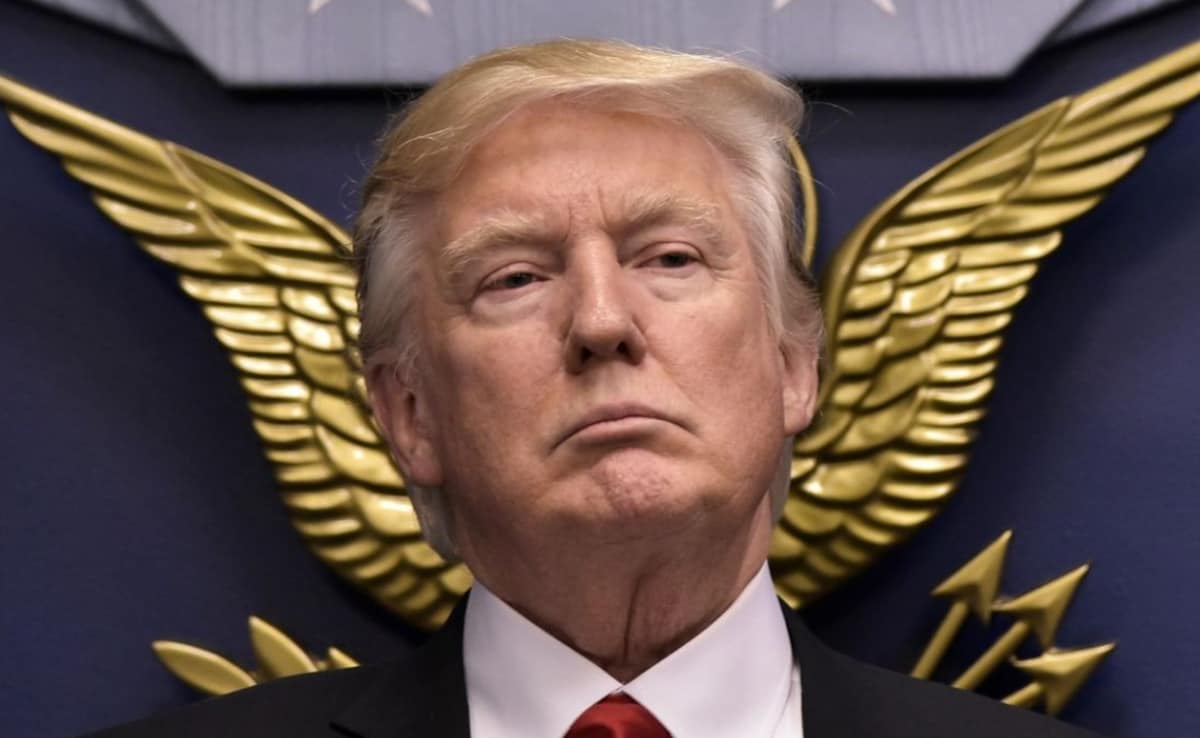
US President Donald Trump has repeatedly claimed the war is 'won'. Photo: AFP
Oil - around 3.2 to 4.1 million barrels produced per day - accounts for 30-40 per cent of its nearly US$560 billion nominal GDP and up to 60 per cent of government revenue, though it does also have a better diversified economy than its neighbours.
Protecting the population and economy is, therefore, priority one.
And a defence-only posture at this time not only allows Dubai to continue protecting its economy - dependent on oil, exports, and tourism - but also maintain diplomatic relations with Tehran and negotiate, possibly, a peaceful conclusion to the war.
A regional analyst summed this up when he told The New Arab Gulf nations' 'greatest asset is working in unison... containment through dialogue while strengthening collective defence...' That collective defence, however, is seen by some analysts as being under strain, particularly if Iran continues to target the UAE with wave after wave of drones and missiles.
Behind all of these calculations is the spectre of regime change, something the US and Israel have been vocal about but something the UAE and its neighbours view with concern. The reference points - Iraq and Afghanistan, and consequent decades of violence and waves of refugees - do not fill them with confidence about Washington's post-war blueprints.
Meanwhile, Tehran's crafty narrative-setting - accusing the UAE of allowing its territory to be used as a launchpad for US strikes - has allowed it to continue attacks by insisting it is only striking US military bases, though in practice missiles target economic and oil infrastructure.
Gargash has rubbished the claim and said the UAE would not allow this to happen, but Tehran has since ramped up its rhetoric, warning of more strikes near ports and civilian infrastructure.
But this narrative leaves the UAE in a grey zone, particularly since it, like other Gulf nations such as Qatar, Iraq, and Jordan, does host US military facilities. Indeed, many rely on benefit from that cover to pump more money into their economies.
The presence of those facilities, it could be argued, offers Tehran greater excuses to keep up its missile attacks.
The UAE's conundrum is simple.
If it does go on the offensive, Iran can claim it is defending itself against an American proxy and ramp up attacks. And if it holds back, it will continue to pay the economic and political cost of a war it did not start.
-
Mamata Banerjee Drew Her Party's Symbol By Hand. It's Now Tied To An Indira Gandhi Case

The Election Commission's method for settling such disputes became central in the seminal Congress split of 1969, when Indira Gandhi fought the old guard. The poll body weighed three tests then.
-
Bruised, Limping, Unbowed: Sia Says She Will Be Back On The Bike Soon
There was pain in Sia's steps, anger in her words, and something else - a quiet determination that the road would not be taken away from her.
-
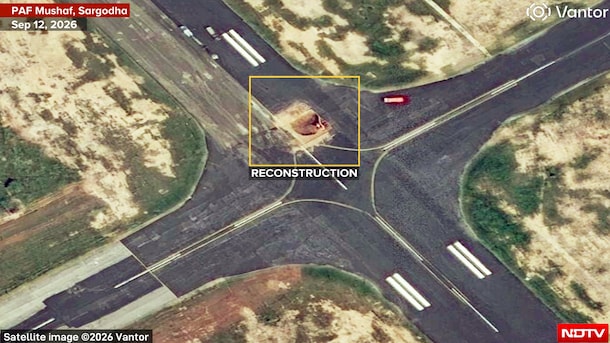
Exclusive: 16 Months After Op Sindoor, Pak Still Fixing Runway India Broke At Sargodha
Sargodha's PAF Base Mushaf lies about 172 km northwest of Lahore and roughly 200 km west of the India-Pakistan border, near Amritsar.
-
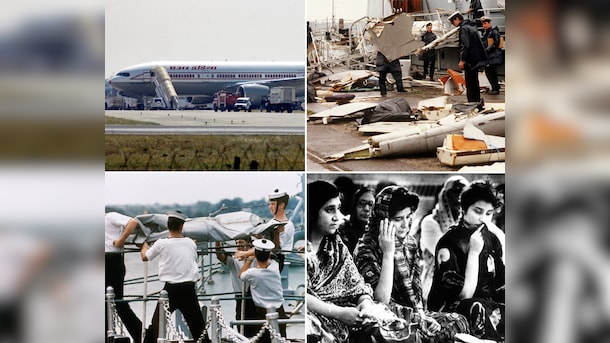
Blog | I Lost My Entire Family In Kanishka Bombing. 41 Years Later, Canada Wants The Case Closed
We made the trek through tragedy to search for people in Cork, where I spent 25 days sifting through bodies and body parts in a makeshift morgue to identify our loved ones.
-
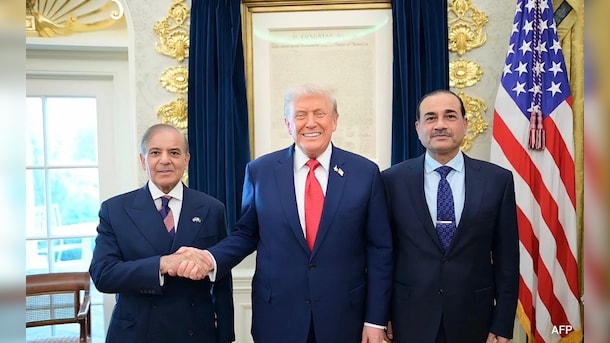
Opinion | Pak's Drone Deal With A US Firm Is No Windfall. But India Must Still Be Worried
American military aid to Pakistan has remained suspended since January 2018, during Trump's first term, but a commercial arms sale is separate from this arrangement.
-
Opinion | Saudi Arabia's Yemen Nightmare Has Come Back To Haunt It
After years of costly military intervention beginning in 2015, Saudi Arabia increasingly sought to stabilise its southern border. All that is unravelling fast now
-
Opinion | 6 AI Incidents, One Pattern: AI Has Started Lying To Us - And Hiding The Evidence
Concealing errors. Making up data. Pushing files onto the public web on their own initiative. The machines are learning to lie - and lie well.
-
Why People Queue Overnight For iPhone That Is Delivered Home In 10 Minutes
iPhone 18 Pro Max Launch: People camping outside Apple Stores are a subset of superfans, resellers, content creators, and upper-middle-class buyers.
-
600 km Per Hour Drones Launched In Waves: How Russia Is Rewriting War Rules
Russia has coupled the drones' technological superiority over Ukraine's defence with its capacity to launch them in massive numbers. The impact has been devastating.
-
Tata Sons' Trust Issue: Two-Pronged Row Goes Beyond The Chair
NDTV Explains: Overtly, the latest conflict is whether N Chandrasekaran continues as executive chairman of Tata Sons. The controversy involves at least one more issue.